
Best 20 Oz Insulated Tumbler in 2026: Buying Guide and Top Picks
Disclosure: We may earn a commission when you buy through links on this page, at no extra cost to you. As an Amazon Associate I earn from qualifying purchases. Learn more

What to look for in the best 20 oz insulated tumbler: the main types, key features, realistic price ranges and mistakes to avoid before you order.
Picture a weekday morning in a busy kitchen. One person pours coffee before work, a teenager fills water for school, and a tall bottle already crowds the cabinet shelf. A best 20 oz insulated tumbler earns its place in that routine because it holds a generous drink without taking over your counter, your bag, or your car console.
This guide helps you choose by household size, daily routine, and budget rather than by looks alone. The product table below the intro lets you compare current tumblers across the three main types worth considering. If your size is still undecided, start with our guide to the best insulated tumbler for the wider picture.


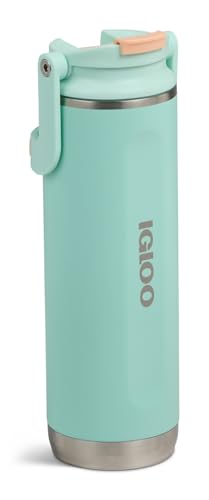


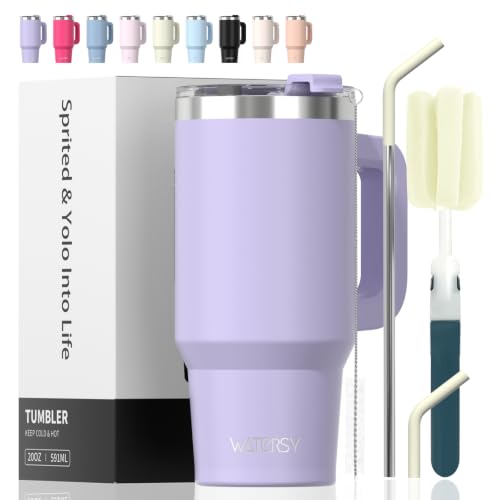
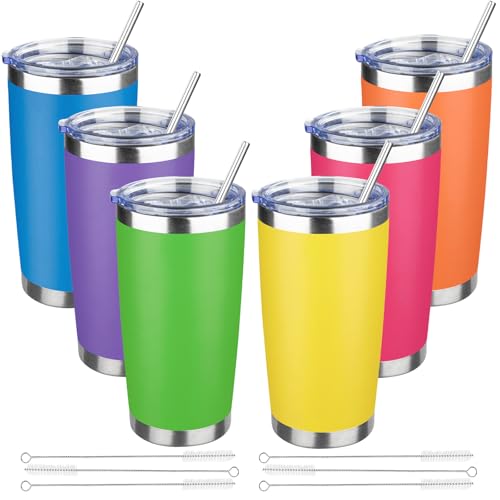

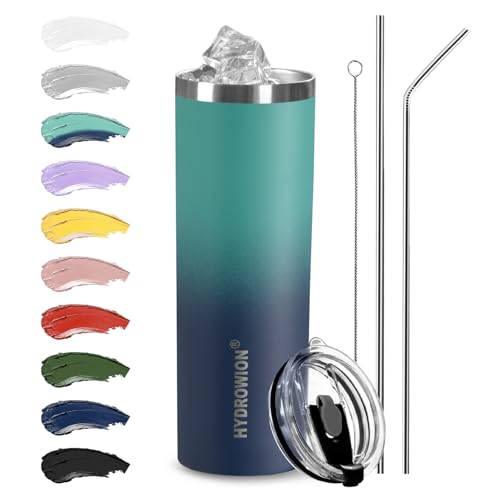
Quick Answer: Three Types Worth Considering
For most homes, a stainless steel tumbler with a slider lid suits hot coffee and easy sipping at a desk. A straw lid type suits water and iced drinks through the day. A handle type suits anyone who carries a full tumbler from room to room or struggles with grip. Match the type to your routine first, then compare insulation, fit, and care.
Before You Buy: A Quick Checklist for Choosing an Insulated Tumbler
The details below decide whether a tumbler gets used daily or sits in a cabinet. Work through them in order before you spend anything.
Size: Match It to Your Space
A 20 oz tumbler holds about two standard mugs of coffee or one large cafe pour with room for ice. Smaller sizes near 12 to 16 oz suit short trips, while 24 oz and 30 oz sizes cut refills but feel bulky in small hands and crowded bags. Sizes of 40 oz and above often skip standard cup holders and dominate a desk. Measure your car holder, your bag pocket, and your cabinet shelf height, then pick the largest size that still fits all three.
Which Type Fits Your Routine
Most 20 oz tumblers use stainless steel walls with vacuum insulation, which means the air is removed from the space between two walls so heat moves slowly. That build keeps coffee hot through a morning and water cold through an afternoon. If you mostly drink iced tea or flavored water, a straw lid feels natural all day, and our guide to the best insulated tumbler with straw explains that style in depth. Ceramic lined and glass lined interiors suit people who dislike any metal taste, though they usually cost more and need gentler handling.
Features Worth It, and Ones to Skip
A handle is worth paying for if you carry a full tumbler often, have smaller hands, or deal with weak grip, and the best insulated tumbler with handle guide covers that shape fully. A slider lid suits hot drinks because it limits splashes while you walk, yet it rarely seals fully. A straw lid seals better around the straw opening but can still leak when tipped. Skip novelty extras you will not use, such as decorative sleeves in homes where the tumbler lives on a desk, because each extra part is one more piece to wash and store.
Lead and Cadmium Safety in Coatings and Linings
Plain stainless steel interiors have no glaze, so lead and cadmium concerns mainly apply to ceramic coatings, colored linings, and painted exteriors. Look for a clear statement from the maker that the lining is lead free and cadmium free, and be cautious with unbranded imports that list no material details at all. If a coating chips and exposes the layer beneath, stop using the tumbler for drinks. When in doubt, choose a plain steel interior, since it removes the whole question.
Dishwasher, Microwave, and Oven Safety
Never put a stainless steel tumbler in a microwave, because metal can spark and damage the oven, and vacuum insulation is not built for oven heat either. Many steel bodies are listed as dishwasher safe, yet makers often advise hand washing to protect the outer finish and the vacuum seal over time. Lids, straws, and silicone gaskets usually go on the top rack only. Check the care notes for the exact model you choose, since a finish that survives the dishwasher may still fade after repeated hot cycles.
Set Size and Availability of Single Replacements
Think about how many people will reach for a tumbler each morning. A home with two coffee drinkers may do better with two different colors than with a matched set, because color coding ends arguments about whose drink is whose. Homes that host guests often may want a small set of four. Before buying a set, confirm that lids, straws, and gaskets are sold on their own, since a single cracked lid should not force you to replace the whole tumbler.
Realistic Budget Ranges
Basic steel tumblers cost under $20 and cover daily coffee or water with simple slider lids. The middle band, about $20 to $30, usually adds a tougher outer finish, a better sealing lid, and spare gaskets in the box. Spending about $30 to $50 makes sense when you want a handle, a ceramic lining, or a lid system with parts that are easy to reorder. Price alone says little about insulation, so weigh lid design and replacement parts more than the number on the tag.
Three Types Worth Your Money
Instead of chasing brand names, compare these three builds. Each one suits a different kind of home, and the product table above shows current options.
Best for Most Homes: The Slider Lid Steel Tumbler
This is the default choice for a mixed household. The steel body handles both coffee at breakfast and cold water later, the slider opening works with or without a straw, and the shape fits most car holders. It has no handle, so a full tumbler can feel slick when wet, which is its main trade off. Choose this type if one tumbler must serve several drinks and several people across a normal week at home and at work.
Best Value: The Simple Straw Lid Tumbler
A plain straw lid tumbler in steel or durable plastic keeps costs low while still holding temperature well for water, iced coffee, and smoothies. The parts count is small, so washing is fast and storage is easy. The trade off is hot drinks, because a straw lid is awkward for coffee and can let heat escape faster than a closed slider. Choose this type for students, for a second tumbler kept at a desk, or for kids who are old enough to manage a straw lid without spills.
Best Long Term Investment: The Handle Tumbler With Spare Parts Support
Paying more makes sense when the tumbler will be carried all day, every day. A sturdy handle reduces drops, a thicker steel body shrugs off dents, and a maker that sells lids and gaskets separately keeps the tumbler in service for years. The trade off is bulk, since handle shapes take more cabinet room and may not fit every car holder. Choose this type if you commute, work on your feet, or simply want one dependable tumbler instead of a shelf of spares.
How to Compare 20 oz Tumblers
Compare tumblers on material and durability, lid design, ease of cleaning, cup holder fit, and value for the price band. Maker specifications and patterns in verified buyer reviews, such as repeated notes about leaks or fading finishes, are the best evidence. Readers comparing the big brand families often start with a head to head such as stanley vs yeti before narrowing down to a size like 20 oz.
Is a 20 oz Insulated Tumbler the Right Size for You?
For many households, yes. Twenty ounces covers a large morning coffee plus a top up, or a full bottle of water with ice, without the weight of the biggest sizes. It fits a standard car holder in most vehicles, leaves room in a work bag, and sits neatly on a small desk. If you drink slowly and hate refills during long shifts, a 30 oz size may serve you better. If you prefer a drink that stays fresh in smaller pours, 16 oz may feel right.
Household size matters too. One 20 oz tumbler per adult keeps mornings simple, while shared tumblers tend to vanish into cars and offices. When one tumbler must handle both coffee and cold drinks in the same day, our guide to the best insulated tumbler for hot and cold drinks looks at that balance closely.
Common Buying Mistakes to Avoid
- Buying a size by looks alone, then finding it will not fit your car holder or cabinet shelf.
- Assuming a slider lid is leak proof, then carrying it loose in a bag where it tips and spills.
- Ignoring the cost of spare lids and gaskets, which can turn a cheap tumbler into a short lived one.
- Paying for features your household will never use, such as extra sleeves and novelty straws.
- Choosing a wide handle shape for a small car, then discovering it only fits one of your two holders.
Cost of Ownership and Care
The purchase price is only part of what a tumbler costs you. Gaskets flatten over time and lids crack when dropped, so a model with cheap, easy to find spares costs less across its life than a bargain model with none. Store the tumbler with the lid off so trapped moisture does not leave a stale smell in the seal. Keep it away from drops onto hard floors, since a dent near the rim can stop a lid from sealing well.
FAQ
What makes an insulated tumbler brand reliable?
Reliability shows up in the support behind the product more than in the logo. Look for a stated warranty, a parts page that lists lids and gaskets for current models, and care instructions that name the steel grade used. Brands that publish recall notices and material disclosures openly tend to stand behind their drinkware. A maker that answers sizing questions with exact measurements, including base diameter, is also easier to trust before you buy.
How do you clean an insulated tumbler?
Wash the body with warm water, mild soap, and a bottle brush that reaches the base, where coffee oils settle. For stubborn odors, soak the tumbler in warm water with a spoon of baking soda for an hour, then rinse well. Pull the silicone gasket from the lid and wash it separately, because residue hides under it. Let every part dry fully before you close the lid for storage.
Is an insulated tumbler worth it for home use?
For most homes, yes, because one tumbler replaces a stream of single use cups and keeps a drink at a pleasant temperature for hours. The savings grow if your household often buys bottled water or cafe refills on school and work runs. If you only sip at the table and finish fast, a plain glass may honestly be enough.
How long does an insulated tumbler last?
A steel tumbler often serves for several years when the vacuum seal stays intact and the lid parts are replaced as they wear. You can check the seal at home: fill the tumbler with hot water, wait a few minutes, and feel the outer wall. If the outside feels warm, the vacuum has likely failed and insulation is lost. At that point the tumbler still works as a plain cup, but a replacement is worth considering.
What size insulated tumbler do I need?
Start by measuring the drink you already make. Pour your usual morning coffee into a measuring jug for two or three days and note the amount, then add room for ice if you drink it cold. Most people land between 16 and 24 oz, which is why 20 oz suits so many homes. If your total sits near the top of that range and you add lots of ice, size up rather than filling to the brim daily.
Final Thoughts
The right tumbler is the one that fits your car, your cabinet, and your morning routine without fuss. For most readers, the best 20 oz insulated tumbler will be a steel slider lid model, with a straw or handle type as the better call for all day cold drinks or frequent carrying. Check the product table above once more, confirm the lid style and spare parts, and choose the type your household will reach for every day.


