Best 3D Printers for TPU: A First Time Buyer Guide for 2026
Disclosure: We may earn a commission when you buy through links on this page, at no extra cost to you. As an Amazon Associate I earn from qualifying purchases. Learn more

Direct drive, slow speeds, and dry filament: what to look for in the best 3d printers for tpu.
Flexible filament opens up useful prints, and best 3d printers for tpu need the right extruder and slow settings to print cleanly.
This guide compares direct drive, Bowden, and enclosed printers, explains speed and drying, and helps you print flexible parts with fewer failures. The comparison table below gives a quick overview, and the sections that follow explain each factor in detail.


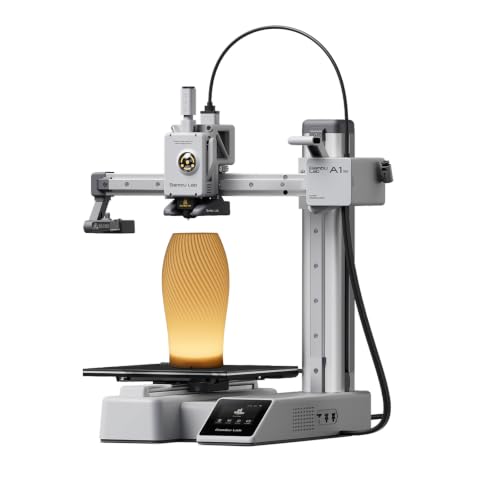
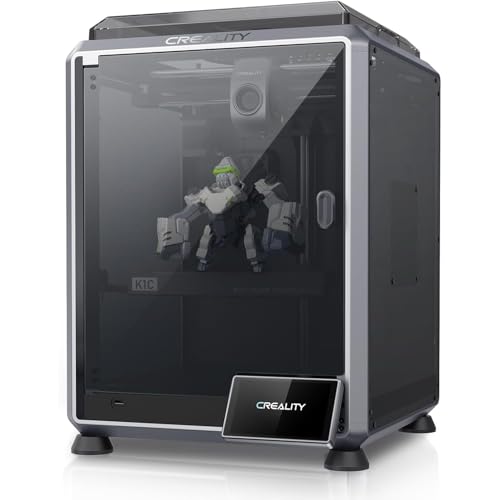


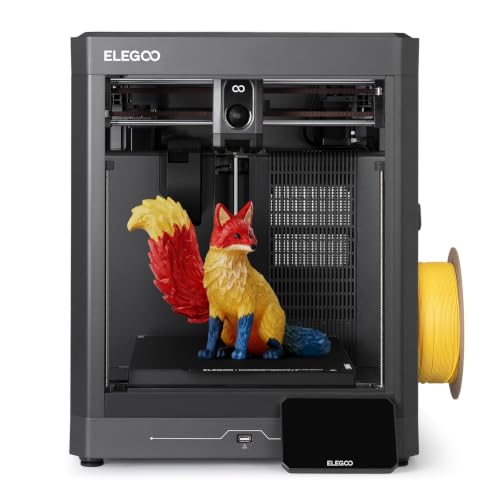
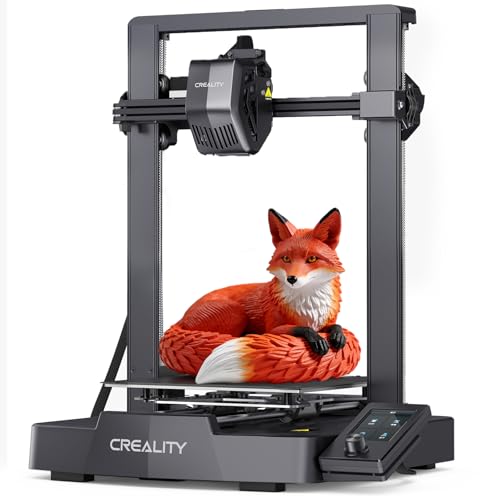
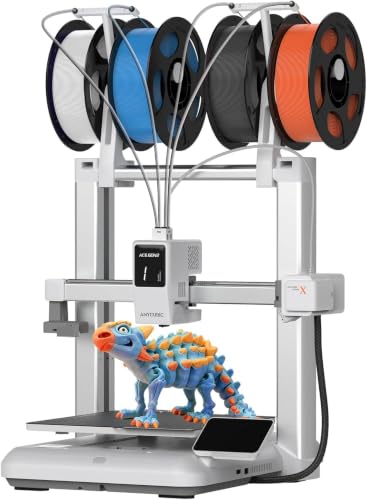
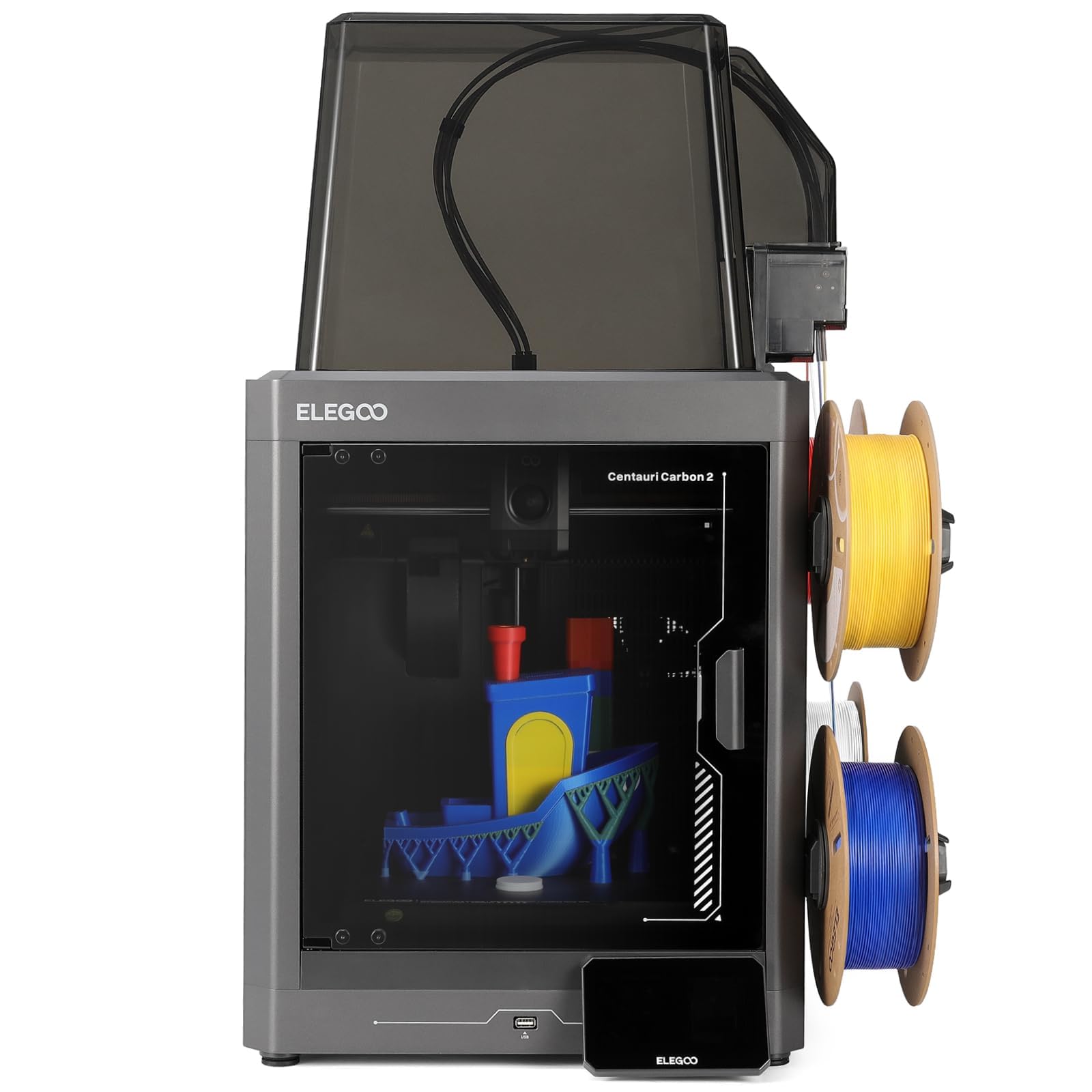
Types Compared
The main types of printer for TPU differ in design, cost, and daily use, and the product table above gives a quick side by side view. The sections below explain each type in more detail so you can match a type to your needs rather than guessing from a name alone.
| Type | Best For |
|---|---|
| Direct drive printers | A direct drive extruder suits flexible filament, because it |
| Bowden printers with upgrades | A Bowden printer can print TPU slowly with a good extruder a |
| Enclosed printers | An enclosed printer suits larger TPU parts and draughty room |
Direct drive printers
A direct drive extruder suits flexible filament, because it pushes TPU a short distance and reduces buckling. Consider how often you will use it, where it will live, and what matters most in daily use, because those answers usually point to one type more clearly than price alone.
Bowden printers with upgrades
A Bowden printer can print TPU slowly with a good extruder and settings, and suits buyers who already own one. Consider how often you will use it, where it will live, and what matters most in daily use, because those answers usually point to one type more clearly than price alone.
Enclosed printers
An enclosed printer suits larger TPU parts and draughty rooms, by keeping temperature steady. Consider how often you will use it, where it will live, and what matters most in daily use, because those answers usually point to one type more clearly than price alone.
When you compare printers for TPU with close alternatives, the related guides for best 3d printers, best hobby 3d printers, and best printers for tpu can help you see how similar products differ in size, features, and price.
Key Features to Compare in 3D Printers for TPU
Features matter more than brand claims, and a clear feature list helps you compare printers for TPU fairly. Use the points below as a checklist when you read listings, and note which features you will actually use every week. Use these points to judge any of the best 3d printers for tpu.
Extruder type
Direct drive matters most for TPU, because flexible filament buckles in a long tube, and a geared extruder adds control.
Print speed
Slow speeds around 20 mm to 30 mm per second suit TPU, because fast printing causes stringing and poor layer bonding.
Bed adhesion
A clean bed with a suitable surface holds TPU without warping, and a flexible bed helps removal.
Filament drying
Dry filament matters, because damp TPU strings and bubbles, so store rolls sealed with desiccant.
Before you order, it also helps to look at best inexpensive 3d printers and best starter 3d printers alongside the product table above, because a close alternative may fit your room, routine, or budget better.
Who Should Buy Which Type
Different buyers need different strengths from a TPU printer, and matching a type to your routine avoids paying for features you will not use. The groups below cover the most common situations.
First time buyers
A direct drive printer suits a first TPU purchase and avoids early frustration. Think about your space, your budget, and how often you will use the product, because those three factors shape the best match more than any single feature.
Hobby makers
A versatile printer suits phone cases, mounts, and flexible parts. Think about your space, your budget, and how often you will use the product, because those three factors shape the best match more than any single feature.
Workshop users
An enclosed printer suits larger parts and steady production. Think about your space, your budget, and how often you will use the product, because those three factors shape the best match more than any single feature.
What Your Money Gets You
Direct drive printers for TPU cost about $200 to $500. Mid range models cost about $500 to $1000. Enclosed and larger models cost about $1000 to $2500, plus filament and spare parts. The product table above helps you compare these price levels, and the cheapest option is not always the best deal when durability and daily comfort matter.
Set a budget before you browse, and decide which features are essential and which are nice to have. That simple step keeps a wide price range from pulling you toward a model that does not fit your routine.
When prices look close, compare warranty length, included accessories, and running costs rather than the headline price alone. A slightly higher price can prove cheaper over time when it includes better support, longer lasting parts, and lower upkeep.
Setup, Care, and Common Mistakes
Keep the printer away from flammable materials, never leave long prints fully unattended, and ventilate the room. Check belts and nozzles regularly, and follow the maker guide for hot parts.
A common mistake is buying on price alone without checking fit, size, or compatibility. Measure first, read the maker guide, and keep packaging until you have tested the product in normal use.
Another common mistake is skipping the setup steps for a TPU printer and then judging the product before it is fitted or adjusted correctly. Follow the maker guide in order, test each setting once, and give yourself a short trial period before deciding whether the choice was right.
A Closer Look Before You Order
Before you order, measure the space where the printer will live and check its build volume against your largest planned part. Confirm in the maker guide that the extruder is direct drive and that the filament path is short and fully guided, because that detail decides TPU results more than any other.
Read the warranty and return terms, and check that spare nozzles, extruder gears, and build plates are sold openly. Flexible filament puts steady wear on the extruder, so a low purchase price can hide higher costs for spares. Keep the receipt and packaging until the printer has proven itself over a week or two of normal use.
Compare at least two or three options with the same checklist from this guide and note where each one is stronger. A side by side comparison stops a single attractive feature, such as headline speed, from outweighing the extruder design that matters most for TPU.
Frequently Asked Questions
Why is TPU hard to print?
TPU is flexible and can buckle in the extruder, so a direct drive extruder, slow speed, and dry filament help, because those three factors keep the filament moving steadily.
Direct drive or Bowden for TPU?
Direct drive suits TPU best, because it pushes filament a short distance, while Bowden can work slowly with upgrades but needs more tuning.
What speed should I print TPU?
A speed around 20 mm to 30 mm per second suits TPU, because slow printing improves layer bonding and reduces stringing and buckling.
Do I need to dry TPU filament?
Dry TPU prints cleaner, because damp filament causes stringing and bubbles, so store rolls sealed with desiccant and dry a roll that has sat open.
What can I make with TPU?
TPU suits phone cases, gaskets, mounts, and flexible grips, because it bends without breaking and resists wear, while rigid parts suit other filaments better.
Final Thoughts
Start with your space, your routine, and your budget, then use the feature checklist in this guide to narrow the field. The product table above gives a useful overview, and a careful match at this stage saves time and returns later.
When you are ready to choose, revisit the types and features that fit your daily life, and let best 3d printers for tpu guide a calm, informed choice rather than a rushed one.