Best 3D Printers for Starters: Every Type Explained Side by Side for 2026
Disclosure: We may earn a commission when you buy through links on this page, at no extra cost to you. As an Amazon Associate I earn from qualifying purchases. Learn more

FDM and resin compared for first time buyers, with setup, safety, and cost advice on the best 3d printers for starters.
Shopping for your first 3D printer can feel like reading a menu in a language you half know. Listings mix filament machines and resin machines, sprinkle in terms like build volume and auto leveling, and expect you to decide. The good news is that starters do not need the biggest or fastest machine. You need one that prints successfully early and often, because early wins are what turn a curious buyer into a confident maker.
This guide compares every printer type side by side so you can choose the best 3d printers for starters for your space and budget with clear eyes. You will learn what each type does, which features genuinely help a beginner, and which extras can wait. Glance at the product table below for the shortlist, then read the type explanations before you spend anything.



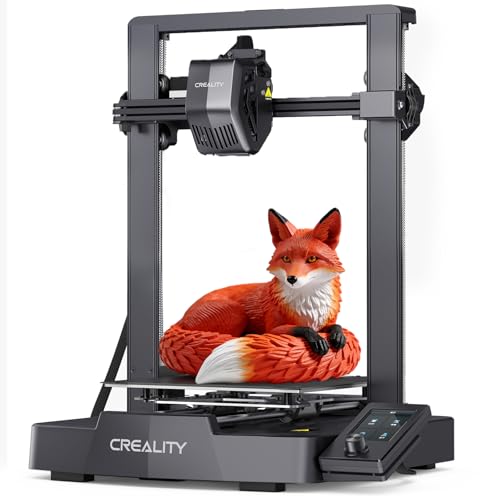
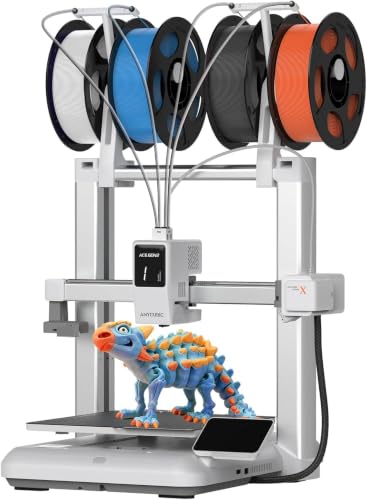
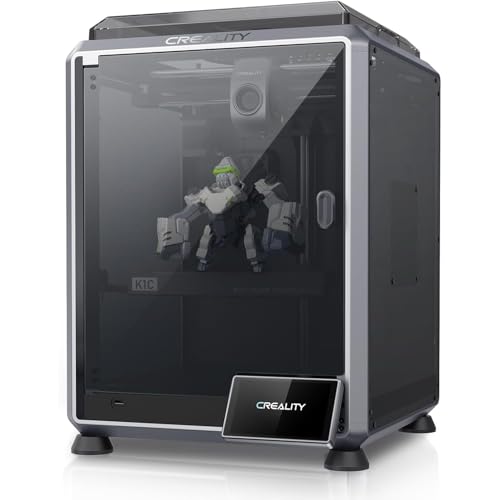


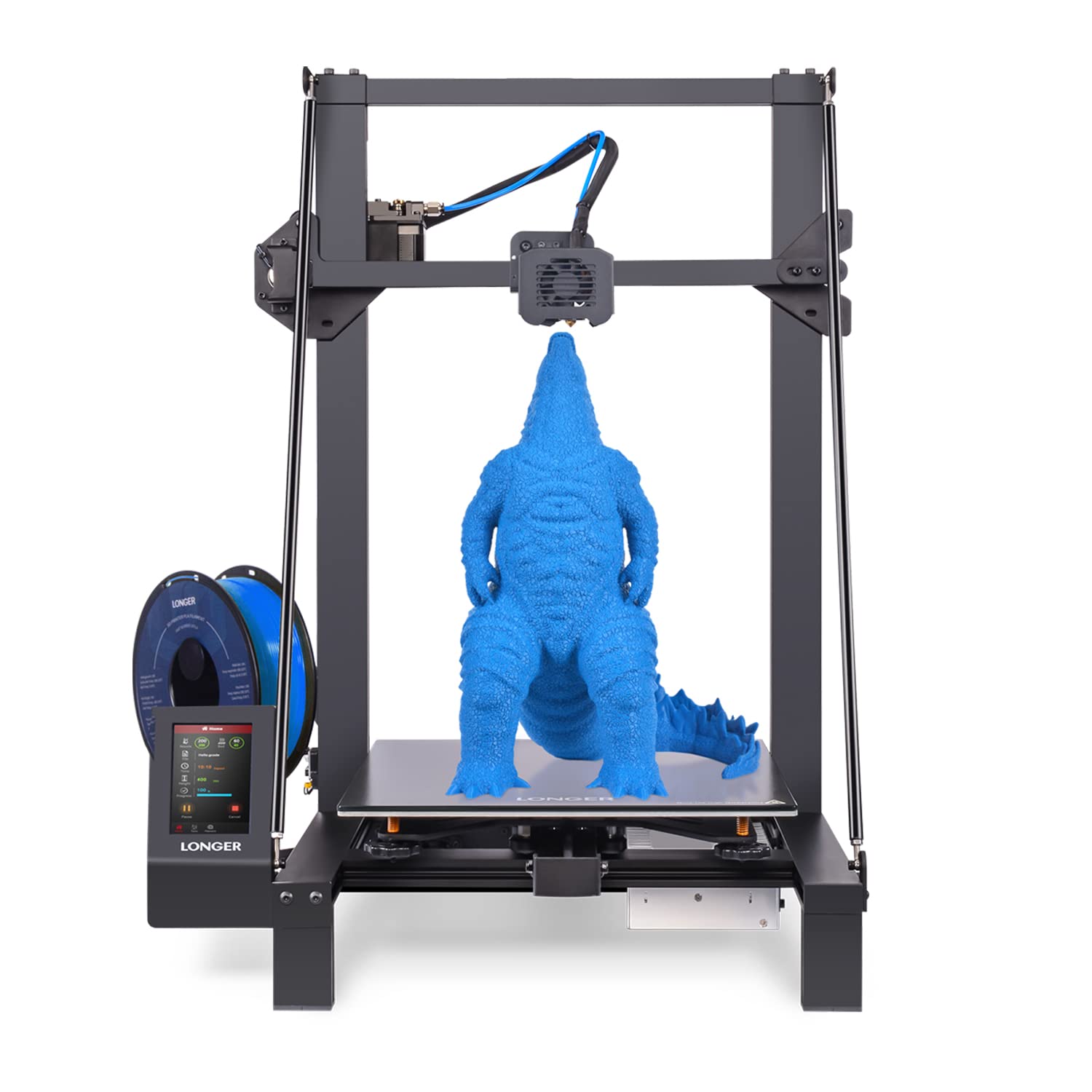
Types of 3D Printers Compared
Starters meet two main types: filament machines and resin machines. Knowing which is which is the first and most valuable lesson in this guide.
FDM 3D Printers: The Starter Standard
FDM printers melt a spool of plastic filament and lay it down in layers to build an object, rather like icing a cake with great precision. They are the best starting point for most people because filament is cheap, cleanup is simple, and the parts are sturdy enough for toys, organizers, brackets, and gifts. A starter sized machine with a build volume near 220 mm cubed makes thousands of useful designs found online. Downsides are visible layer lines and print times measured in hours, but neither stops a beginner from learning and enjoying the hobby from the first week.
Resin 3D Printers
Resin printers harden liquid resin with light and produce remarkably fine detail, which is why miniature painters and jewelry makers love them. For a starter, though, they add real burdens: resin needs gloves and ventilation, prints must be washed and cured after printing, and spills are messy.
Build volumes are small, and many resins are brittle. Choose resin first only if tiny detailed models are exactly what you dream of making and you accept the safety and cleanup routine. Otherwise, treat resin as a wonderful second machine rather than a first one.
FDM vs Resin: Which Should You Choose?
For starters, this is the real decision, so compare honestly. On ease of use, FDM wins because you load a spool, level the bed, and print, with no chemicals involved. On safety and cleanup, FDM wins again, needing only basic care around a hot nozzle. On detail, resin wins clearly.
On part strength and size, FDM wins. On running cost, FDM wins, because filament is inexpensive and there are no washing supplies or filters to replace. The verdict for most starters is FDM first, resin later if detail calls. Readers who fall in love with miniature detail can explore our guide to the best resin 3d printers when that second machine day arrives.
For a wider map of the market before you commit, our general guide to the best 3d printers shows how starter machines sit beside bigger and faster models.
How to Choose 3D Printers for Starters
With the type settled, five practical factors separate a friendly first machine from a frustrating one. Judge every candidate against these before you look at colors, screens, or headline speeds. Use these points to judge any of the best 3d printers for starters.
Footprint and Noise
Measure the spot where the printer will live, and remember to leave room for the bed to move, the door to open on enclosed models, and a spool to sit beside or above the machine. A typical starter printer needs a sturdy surface about the size of a small side table. Noise matters if the printer shares a bedroom or living room, because prints run for hours and fans plus motion sounds add up. Enclosed machines are quieter, and printing while you are out or asleep in another room is a common and sensible routine.
Connectivity and Mobile Printing
Most starters send files from a computer, and WiFi makes that painless compared with carrying a memory card across the room for every print. A companion app or web view lets you check progress and stop a failed print early, which saves filament and teaches you what went wrong while the evidence is fresh. Do not pay a large premium for connectivity alone, but treat built in WiFi as a genuine quality of life feature you will use daily.
Reliability and Support
A starter machine should have a maker with clear setup videos, written guides, and spare parts you can order easily. A large owner community is gold for beginners, because your exact beginner problem has almost certainly been asked and answered already. Check that replacement nozzles, build plates, and fans are stocked and affordable. Avoid obscure machines with no community, however impressive the listing looks, because when something goes wrong at week three, community knowledge is the difference between a ten minute fix and a machine gathering dust.
Beginner Friendly Features That Matter
Four features help starters more than all others. Auto bed leveling removes the hardest early skill, keeping the first layer consistent. A flexible build plate lets you pop finished prints off by bending it, instead of prying with tools.
A filament runout sensor pauses the print when a spool ends rather than ruining the job. Ready made profiles in a popular slicer mean the maker has already chosen sensible settings for common materials. A practical tip: print the maker test file first, keep it, and compare later prints against it whenever quality seems to slip.
Printer Type Check: One Last Look
Before paying, restate your choice plainly. You are buying an FDM filament printer, sized for the objects you want, with auto leveling and a flexible plate. If you are drawn to resin, be sure you truly want the handling routine that comes with it. This thirty second sanity check prevents the most common and most expensive starter mistake, which is buying a capable machine of entirely the wrong kind.
Starter shoppers on a strict budget will find our guide to the best inexpensive 3d printers useful for seeing which comforts survive at the lowest prices, and hobby minded readers can browse our guide to the best hobby 3d printers for where a starter machine can grow next.
Setup and Care Tips
Set the printer on a firm, level surface, follow the maker setup steps in order, and print the sample file before anything of your own. Keep the build plate clean with warm water and dish soap, and let it dry fully before printing. Store filament in a sealed box with desiccant so it stays dry and string free.
Learn the warm up and cool down routine in the manual, keep fingers away from the hot nozzle, and supervise first prints until you trust your settings. Wipe the plate and check for loose screws weekly, and your starter machine will stay a pleasure instead of becoming a project in itself. Our guide to the best filament 3d printers adds more depth on filament handling once you are ready.
Frequently Asked Questions
What makes 3d printers for beginners different?
Beginner machines trade raw capability for forgiveness. They automate bed leveling, ship with tuned settings, use plates that release prints easily, and rely on a big community for answers.
They also tend to use safer, enclosed or partly enclosed designs and simple screens with guided menus. An expert machine may print faster or hotter, but it assumes the owner can diagnose problems alone. As a starter, forgiveness is worth more than speed, because finishing prints builds the skill that later makes faster machines useful.
Which 3D printer is easiest for beginners?
The easiest type is an FDM machine with auto leveling, a flexible plate, a runout sensor, and strong factory profiles. Beyond features, ease comes from support: a maker with good videos and a busy owner community will carry you through your first clog or failed print. Start with PLA filament, which is the most forgiving material, print small objects first, and change only one setting at a time. Most beginners who follow that path are printing reliably within their first weekend.
Is a filament starter bundle worth buying?
A small starter bundle usually is, provided it contains PLA in a couple of colors you will actually use. Avoid large bundles of exotic materials at first. Master one friendly material, then expand, instead of owning five spools you are afraid to open.
What does cost per print mean?
Cost per print is the material, electricity, and wear cost of one finished object. A small PLA object often uses about $1 to $3 of filament. Electricity for a home printer is minor, and the main extra costs are spare nozzles and plates over time. Failed prints are the biggest waste, which is another reason beginner friendly automation pays for itself quickly in saved filament and saved enthusiasm.
Is FDM or resin cheaper to run for a starter?
FDM is cheaper to run because filament costs less than resin and there are no washing supplies, curing lamps, or frequent filter changes. Resin only becomes the economical choice when the fine detail it produces is the whole point of your projects.
Wrapping Up
Start with an FDM machine that levels itself, releases prints easily, and comes with tuned profiles and a helpful community. Size it for the objects you actually want, place it somewhere sturdy and ventilated, and learn on PLA before anything exotic. The product table above gathers the current starter friendly options in one view. Choose the best 3d printers for starters model that fits your space and budget, print something small tonight, and let early success teach you the rest.