Best 3D Printers for Nylon 2026: Strong Parts Guide
Disclosure: We may earn a commission when you buy through links on this page, at no extra cost to you. As an Amazon Associate I earn from qualifying purchases. Learn more

Nylon needs heat, a dry spool, and an enclosure: what to look for in the best 3d printers for nylon.
Choosing a 3D printer for nylon can feel confusing when every option promises a better result, and this guide is here to make the choice clearer for printing strong, flexible, functional parts that must survive real use. The search for best 3d printers for nylon usually starts with a simple need, such as more comfort, better performance, or a better fit for daily life. This guide explains what matters, what to check before you buy, and which trade offs are worth accepting.
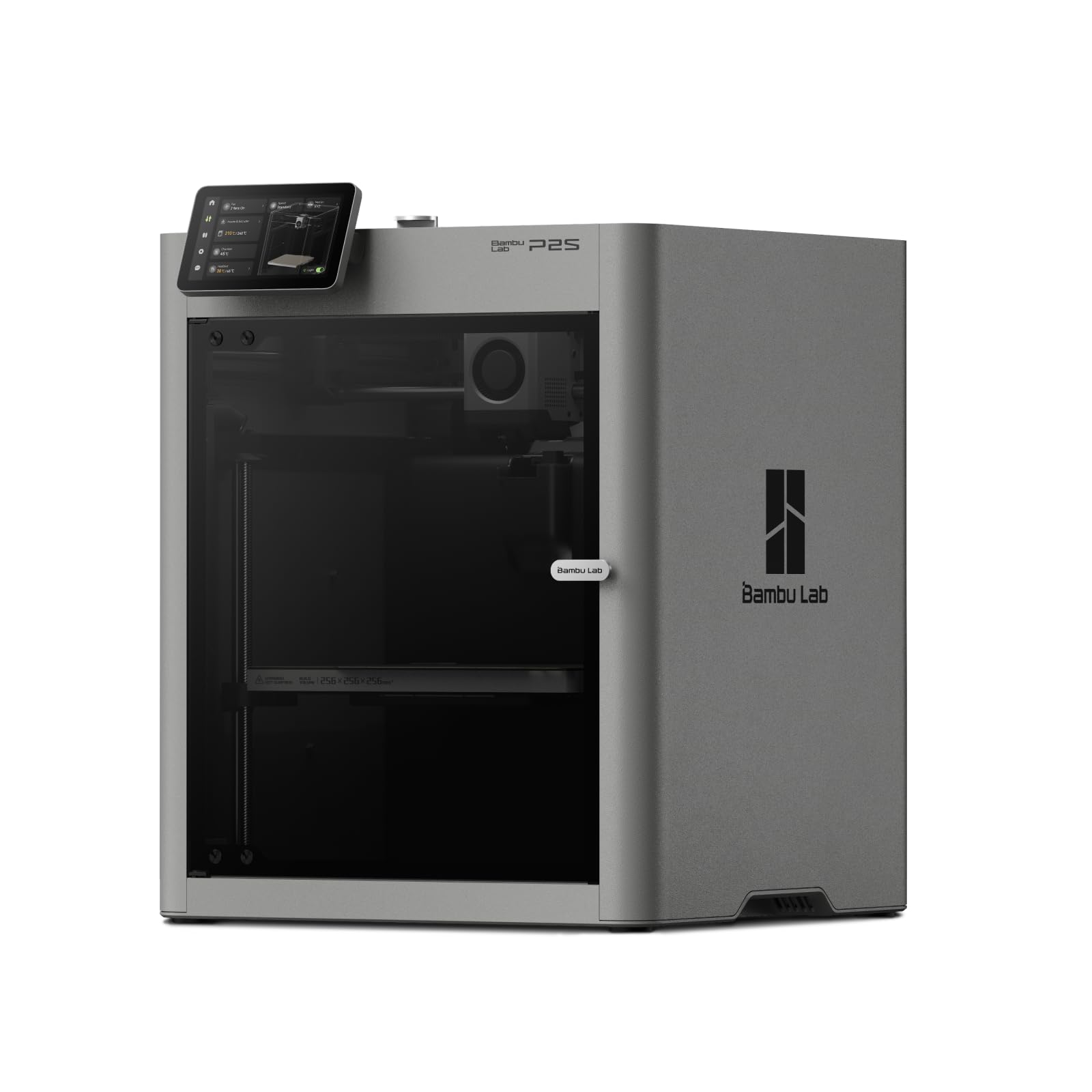
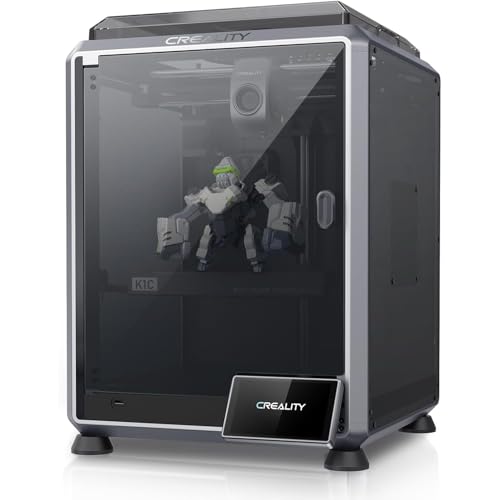
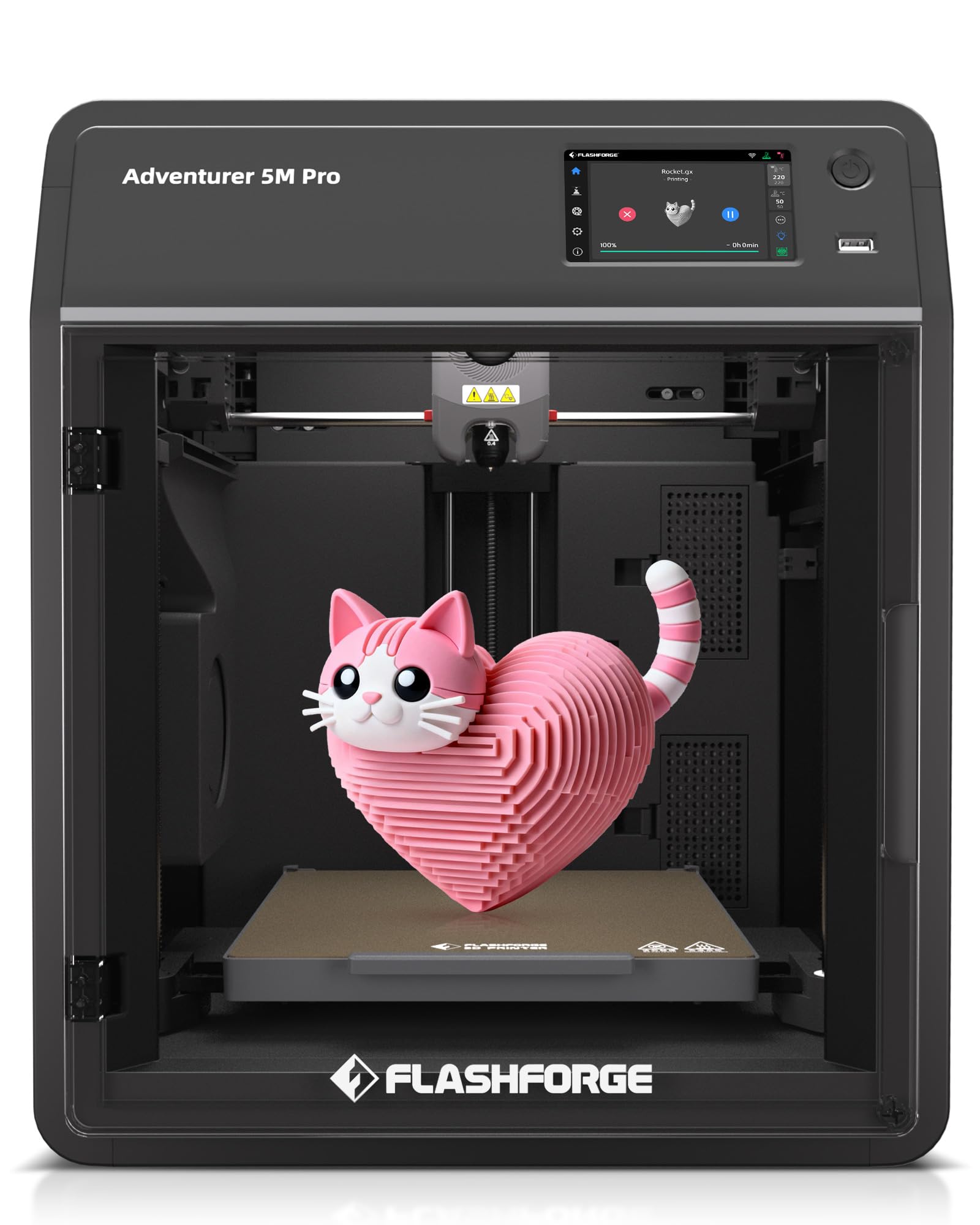
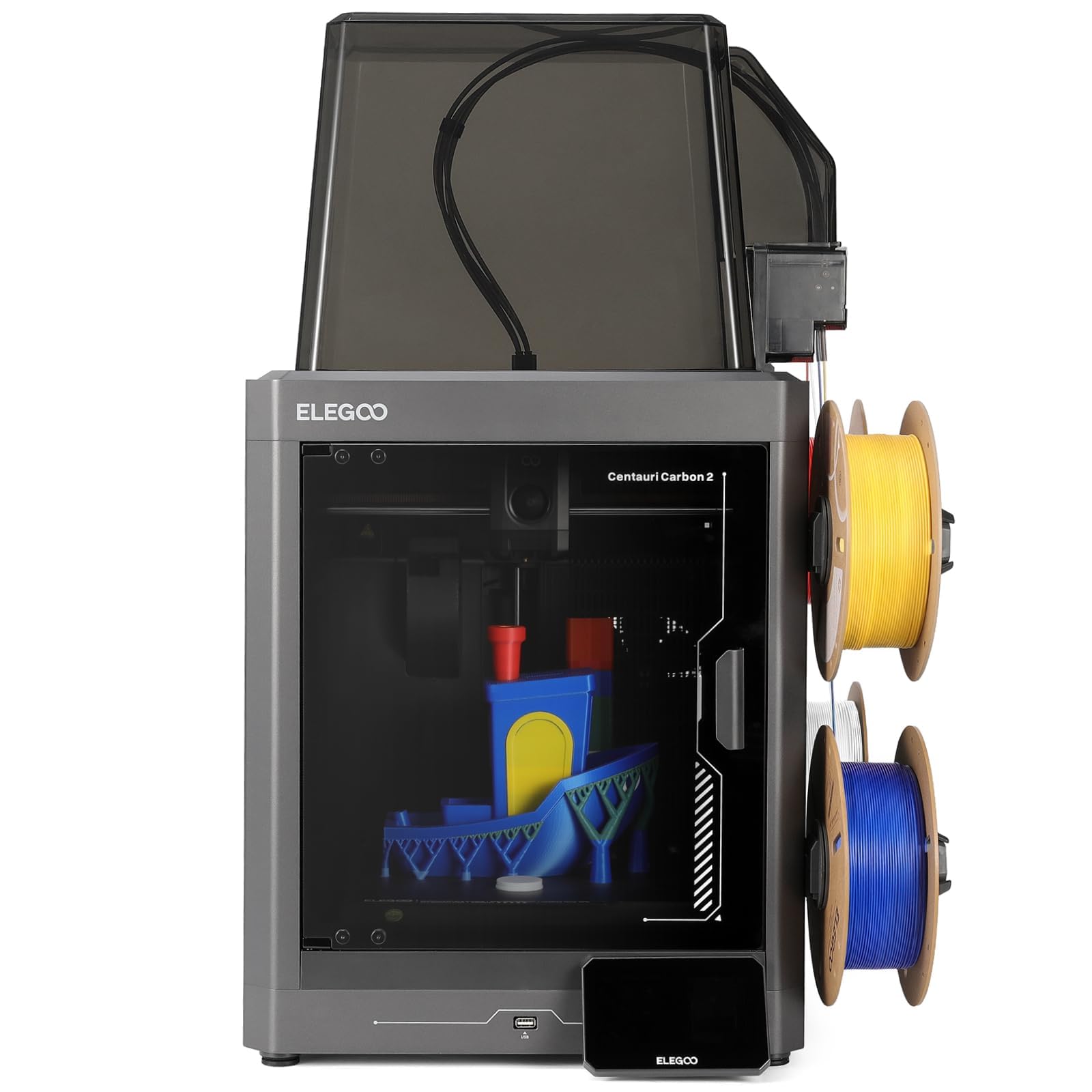
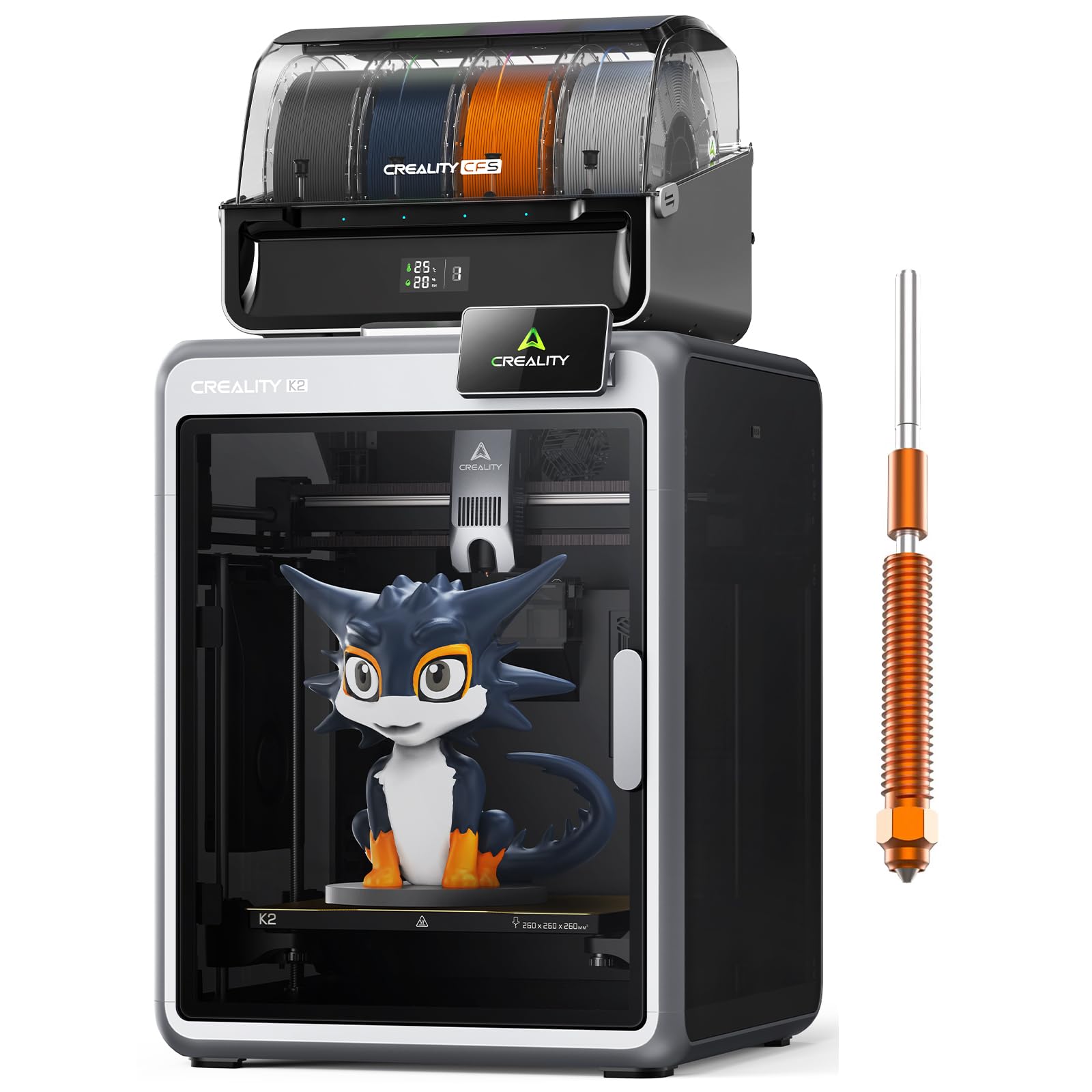
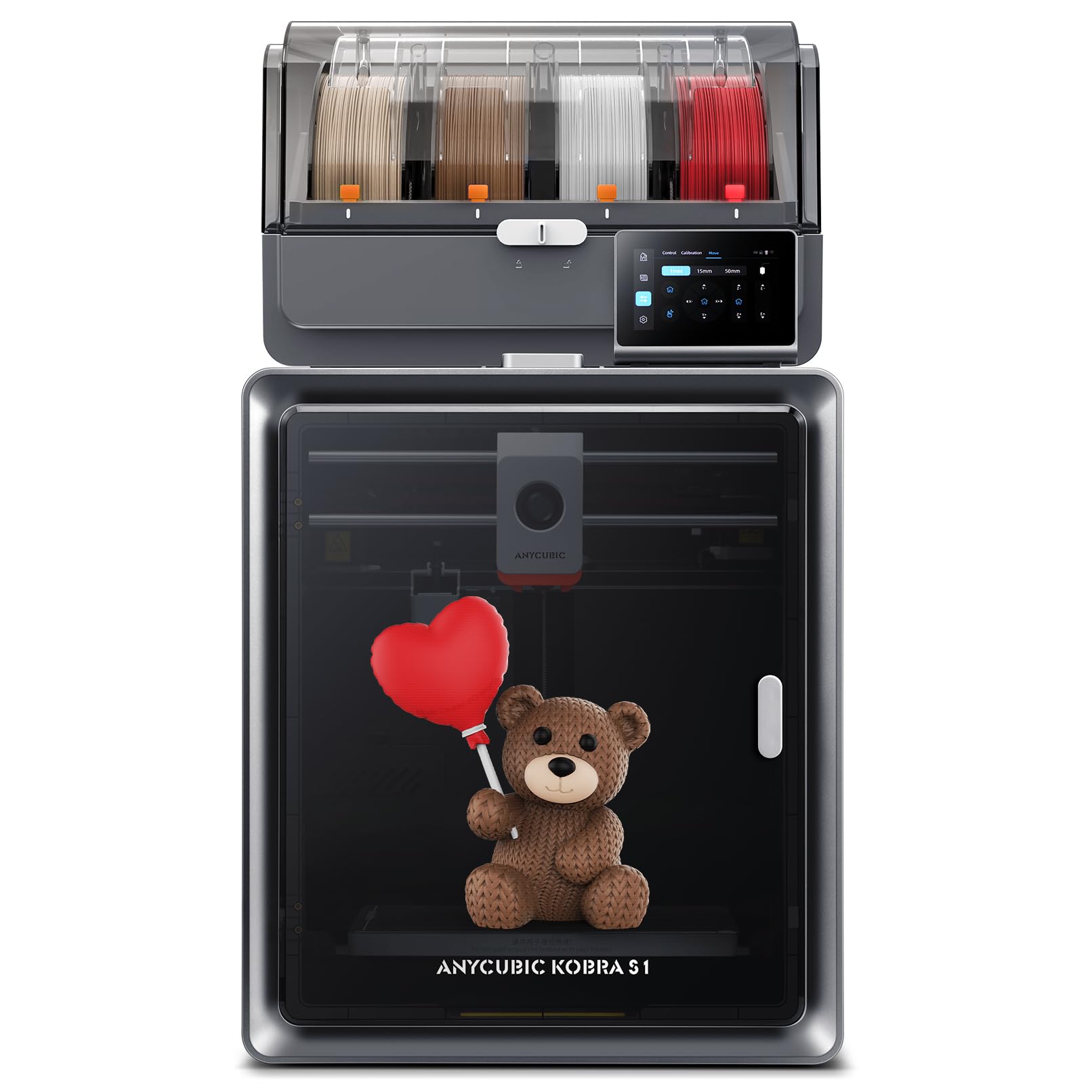
Instead of ranking models or praising one design above all others, this guide focuses on the factors that shape real satisfaction over time. You will learn how size, quality, and everyday practicality interact, and how to match those factors to your own space, budget, and habits. The product table below summarises the main types side by side, so you can see the differences at a glance.



Who Should Buy One
A 3D printer for nylon suits people whose daily routine matches its strengths, and it suits printing strong, flexible, functional parts that must survive real use particularly well when the main need is clear. Think about how often you will use it, where it will live, and who else will share it. A choice that fits those answers will feel easy to live with, while a choice made on looks alone may disappoint within weeks.
Some buyers need a simple, reliable option for everyday use, while others need extra capacity, stronger performance, or special features for a particular task. List your top three needs before shopping, and let those needs guide every comparison. If a model fails on a top need, its other strengths rarely make up for that gap in daily use.
Key Features to Compare in 3D Printers for Nylon
The features below explain what to compare in plain language, and they apply whether you are shopping online or in a store. Focus on the features tied to your top needs first, then use the remaining features to separate close options. A model that scores well on your priorities is a better buy than a model with a longer feature list that misses them. Use these points to judge any of the best 3d printers for nylon.
Heat and Enclosure
Nylon prints best with steady high temperatures, so an enclosed printer that holds heat helps layers bond well. Check the maximum nozzle and bed temperatures, and whether the enclosure is actively heated or simply passive. A stable chamber reduces warping and layer splitting on larger parts.
Bed Adhesion and Warping
Nylon tends to warp as it cools, so bed surface, adhesion aids, and first layer settings matter a lot. Check what bed materials and adhesives the maker suggests, and plan for brims or rafts on wide flat parts. A clean, level bed and a warm chamber give the best chance of a flat, accurate print.
Drying and Storage
Nylon absorbs moisture from the air, and wet filament causes bubbling, weak layers, and rough surfaces. Store filament in sealed containers with desiccant, and dry it before printing when prints look rough. A filament dryer or a dry box beside the printer makes nylon far more reliable.
Strength and Design Choices
Nylon offers a good balance of strength and flexibility, which suits brackets, gears, and parts that must bend without snapping. Design with thicker walls and sensible infill for load bearing parts, and test prototypes before printing a final batch. Orientation on the bed affects strength, so place load paths along the strongest print direction.
Types and Options to Compare
The main types of 3D printer for nylon differ in size, construction, and intended use, and those differences shape price and performance. A compact or basic type suits tight spaces and simple routines, while a larger or more capable type suits heavy use and demanding conditions. Compare types by how they handle your busiest days, not by how they handle an ideal day.
Price often rises with capacity, durability, and extra features, but the most expensive type is not always the best value for a given household. Check what each type includes as standard, and what you would need to add separately. A mid range type with the right core features often gives the best balance of cost and long term satisfaction.
Setup and Everyday Use
Good setup makes a real difference to how a 3D printer for nylon performs, so follow the maker guidance and take time over the first setup. Check measurements, connections, and placement before finalising anything, and test the main functions in your own space. A careful first setup prevents many common frustrations and protects the product from avoidable wear.
Everyday use should feel straightforward, with controls that are easy to reach and understand, and a routine that fits your schedule. Keep the items you need close at hand, and note any settings that work well for your space. Small habits, such as regular cleaning and a quick check before heavy use, keep performance steady over time.
Care, Mistakes to Avoid, and Long Term Value
Regular care keeps a 3D printer for nylon working well, and it usually takes only a few minutes at a time. Clean as the maker advises, store it properly when not in use, and address small issues before they grow. A product that is looked after tends to last longer and feel better to use, which protects the money you spent.
A common mistake is choosing on price alone, without checking fit, capacity, or compatibility with your existing setup. Another mistake is ignoring the return policy and warranty terms, which matter when a product does not suit your space. Measure twice, read the key specifications, and keep packaging until you are sure the choice is right.
If you want to compare nearby options before you decide, the related guides on best 3d printers, best hobby 3d printers, best inexpensive 3d printers, and best starter 3d printers cover similar choices and use cases. Read the guide that matches your situation most closely, then return here with a clearer sense of your priorities. Comparing two or three related guides often reveals a detail that a single guide cannot cover alone.
Frequently Asked Questions
Why is nylon harder to print than basic filament?
Nylon needs higher temperatures, careful moisture control, and a stable chamber to avoid warping and weak layers. Those demands make setup more important than with easy filaments, but the reward is stronger and more flexible parts. Take time to dry filament and tune first layers, and results improve quickly. Take time to tune first layers and drying, and results improve quickly with practice.
Do I need an enclosed printer for nylon?
An enclosed printer helps a lot for nylon, because it keeps chamber temperature steady and reduces warping. Open printers can print small nylon parts, but larger parts often warp or split. If you plan regular nylon work, an enclosure is one of the most useful upgrades you can choose. If you print nylon often, an enclosure is one of the most useful upgrades available.
How do I stop nylon prints warping?
Dry the filament, use a warm bed and chamber, and add a brim or raft for wide parts. Clean the bed surface and check first layer adhesion before a long print. Avoid draughts around the printer, and let the part cool slowly in the chamber when the print finishes. Let the part cool slowly in the chamber, rather than opening the door at once.
Is nylon safe to print at home?
Nylon printing needs good ventilation and care with high temperatures, as with any high temperature filament. Keep the printer away from flammable items, follow maker guidance, and avoid breathing fumes directly. A ventilated room and a printer with thermal safety features support safer home printing. Keep the printer away from flammable items and follow maker guidance at all times.
What parts suit nylon best?
Nylon suits functional parts that need strength plus some flexibility, such as brackets, clips, gears, and tool parts. It also suits parts that face repeated bending or impact, where a brittle material would crack. For display models with fine detail, other materials may give a smoother finish with less effort.
Final Thoughts
When you compare options for best 3d printers for nylon, return to your top three needs and to the product table above, which summarises the main differences. A choice that meets those needs, fits your space, and stays within your budget will serve you well day after day. Take time over measurements and key specifications, and do not rush a decision that you will live with for years.
If you remain unsure between two close options, choose the one that is easier to set up, easier to care for, and easier to return if it does not suit your home. Practical ease often matters more than a small specification advantage, especially after the novelty fades. With a clear plan and a careful check of the details in this guide, you can buy with confidence and enjoy the result.