Best 3D Printers for Home Use 2026: Beginner Guide
Disclosure: We may earn a commission when you buy through links on this page, at no extra cost to you. As an Amazon Associate I earn from qualifying purchases. Learn more

Shopping for the best 3d printers for home use for the first time? Learn the terms, compare options, and avoid rookie mistakes with this easy guide.
Home 3D printing lets you make replacement parts, household helpers, toys, and gifts from your desk. The best 3d printers for home use are easy to set up, safe enough for a spare room, and reliable enough that printing feels fun rather than frustrating. This guide is written for first time buyers who want plain language and practical advice.
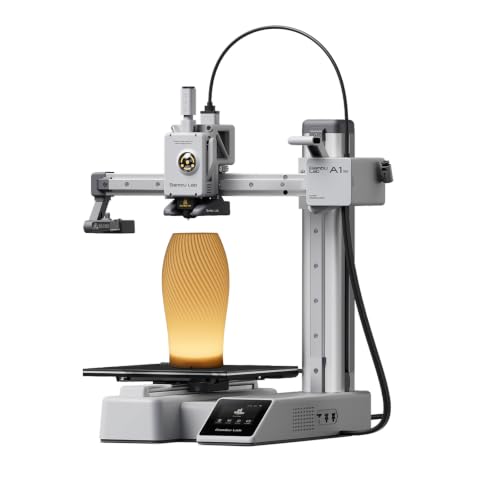
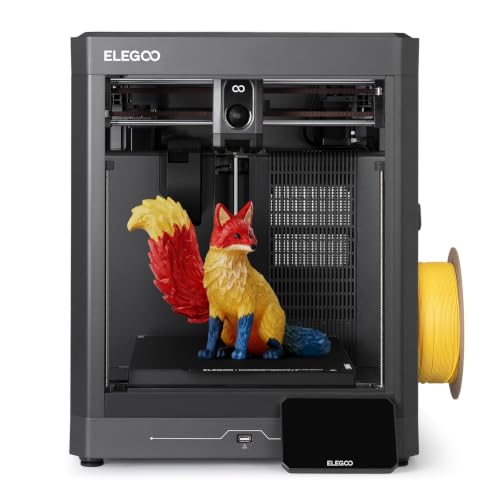
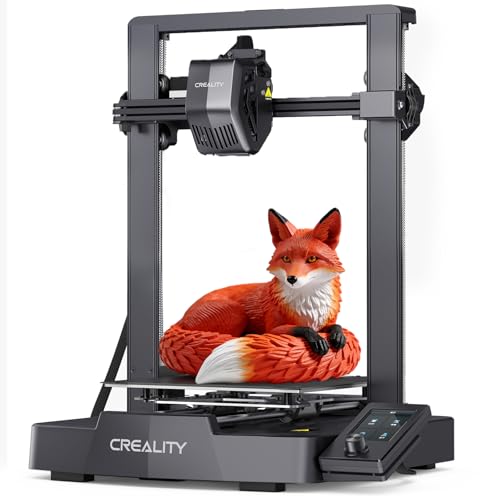
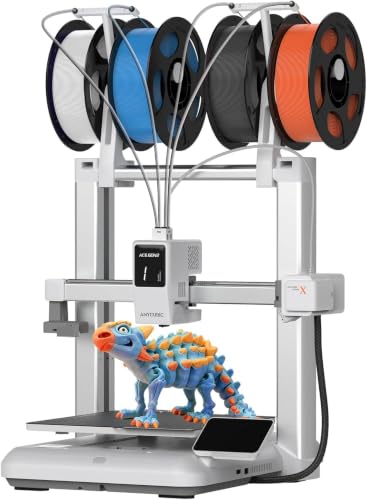
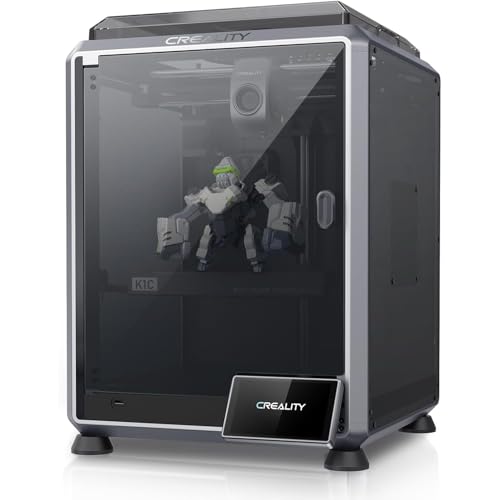
The product table below shows the main home printer styles side by side. Later sections explain printer types, materials, software, space, and the running costs that surprise many new owners.





Home 3D Printers 101: The Basics
A home 3D printer builds objects layer by layer from melted plastic filament, following instructions from slicing software. You download or design a model, slice it into layers, and the printer lays down plastic one layer at a time. Small objects take under an hour, while large or detailed pieces can take many hours or overnight.
Most home printers use filament, which is a spool of plastic thread, while resin printers use liquid that hardens under light. Filament printers suit beginners better, since they are simpler, cleaner, and cheaper to run. Resin printers give finer detail but involve chemicals, washing, and curing steps that complicate home use.
How to Choose 3D Printers for Home Use
First time buyers should favour enclosed or semi enclosed printers with automatic bed levelling, which removes the most frustrating setup step. A build volume around 200 millimetres cubed handles most household prints, from brackets to toys, without a huge machine. Larger volumes suit furniture parts and cosplay, but they cost more and take more space. Use these points to judge any of the best 3d printers for home use.
Check the maker community before buying, since active forums, spare parts, and upgrade guides make ownership far easier. A printer with a large user base gets faster answers to problems than a rare model, however good its specs look. Community support is a feature worth weighting heavily for a first printer.
Materials for Home Printing
PLA is the best starting material for home use: easy to print, low odour, and strong enough for most household items. PETG adds toughness and weather resistance for outdoor parts and functional brackets, at the cost of slightly trickier settings. Flexible filament suits phone cases and grips but needs a printer that handles soft material well.
Specialty filaments with wood, metal, or carbon fibre looks add flair but wear nozzles faster and need tuning. Start with PLA, learn the basics, and add PETG once you are comfortable. Store filament dry, since damp filament prints poorly with bubbling and weak layers.
Software and Finding Models
Slicing software is usually free and included or recommended by the maker. It lets you set layer height, infill density, and supports, which control strength and print time. Beginners can start with preset profiles and adjust one setting at a time, learning what each change does through small test prints.
Model libraries online offer millions of free designs for household repairs, organisers, toys, and tools. Check licences before selling prints of others designs, and learn basic design software if you want custom parts. Designing your own simple brackets and hooks is a satisfying next step after your first successful prints.
Space, Noise, and Household Safety
Place the printer on a stable table in a ventilated room, away from bedrooms if possible, since fans and movement create steady noise. An enclosure reduces noise, odour, and draught effects on prints, and it keeps curious hands away from hot parts. Keep the printer away from curtains and clutter, since hot nozzles and beds can ignite nearby materials if left careless.
Never leave a printer running completely unattended for long periods, especially overnight in the early weeks of ownership. Use a smoke alarm in the room, keep a fire extinguisher nearby, and switch the printer off when not in use. With basic care, home printing is a safe and rewarding hobby.
Running Costs and Realistic Expectations
Running costs include filament, electricity, and occasional nozzles and build plates. A spool of PLA costs modestly and prints dozens of small items, making home printing cheap per object. Electricity use is low for small prints but adds up for multi day large prints, so factor it into big projects.
Expect failed prints, especially early on, and treat them as learning rather than waste. Bed adhesion, temperature, and model orientation cause most failures, and each fix teaches a skill. A patient first month with small projects builds the confidence for larger, more ambitious prints later.
Guides That Pair With This One
Hobby models are compared in our guide to best hobby 3d printers, which overlaps strongly with home use. Hobby printers often give strong value for first time home buyers.
First Projects to Try
Start with simple, useful prints that teach basics without long waits: a cable clip, a small hook, a phone stand, or a replacement knob. These projects print quickly, use little filament, and give immediate satisfaction when they work around the house. Early wins build confidence far better than an ambitious multi day project that fails halfway.
Next, try a project that solves a real household problem, such as a custom bracket for an awkward shelf or a holder for a specific tool. Measuring and designing a part for your own home teaches practical skills that downloaded models cannot. Keep notes on settings that worked, since a small log of successful profiles speeds up every future print.
Once comfortable, try a longer project in sections, such as an organiser with several parts or a board game with many pieces. Sectioned projects teach patience and assembly, and a failed section costs little to reprint. Celebrate finished projects by using them daily, since a printed object in regular use is the best proof that home printing earns its keep.
One more idea: print a small spare parts box for your printer itself, holding nozzles, a cleaning needle, and spare clips in one labelled place. Owners who keep spares organised fix problems in minutes, while owners who hunt for parts lose printing evenings to searching drawers. Organisation is an underrated part of enjoying home printing.
Label each filament spool with its type and purchase date, since old or damp filament causes failures that look like printer faults.
Frequently Asked Questions
Is 3D printing hard for beginners?
Modern home 3D printers are much easier than early models, especially with automatic bed levelling and preset profiles. Expect a learning curve in the first weeks around bed adhesion, temperatures, and model orientation. Small test prints teach these skills quickly, and large online communities answer most beginner questions. Patience in the first month pays off in reliable printing later.
How much does home 3D printing cost?
A capable beginner printer costs a few hundred dollars, plus filament at a modest price per spool and small electricity use per print. Spare nozzles and build plates add occasional costs. Most household prints cost well under a dollar in filament, making printing cheap once you own the machine. Budget for a few spools and spares in the first year.
Are 3D printers safe to use at home?
Filament printers using PLA in a ventilated room are generally safe for home use with basic care. Use an enclosure if possible, keep the printer away from flammable materials, and do not leave it running unattended for long periods early on. Fit a smoke alarm in the room and switch off when not in use. Resin printers need more care due to liquid chemicals and should be researched separately.
What can I print at home?
You can print replacement knobs, brackets, hooks, organisers, phone stands, toys, cookie cutters, and garden helpers, among many other items. Functional strength depends on material and print settings, so load bearing parts need PETG or stronger materials and sensible design. Start with simple household items and grow into custom designs as your skills improve.
How long does a 3D print take?
Small items take 30 minutes to a few hours, while large or detailed items can take 10 hours or more. Print time depends on size, layer height, infill density, and speed settings. Finer layers look better but take longer, so balance quality against time for each project. Overnight printing suits large items once you trust your printer and safety setup.
Final Thoughts
Start with a reliable filament printer with automatic bed levelling, learn PLA basics, and grow into PETG and custom designs over time. Place the printer safely, budget for filament and spares, and enjoy the steady progress from first test print to useful household parts. Check the product table above against your space and budget before ordering.
Home 3D printing rewards patience with a workshop that fits on a desk. The first successful print, a small bracket or hook you designed yourself, usually hooks new owners for years. Buy sensibly, learn gradually, and print things that genuinely help around the home. Start today with a simple print, and let the hobby grow from there.
Use the product table above as a final cross check while you shortlist the best 3d printers for home use for your home.