Best 3D Printers for Helmets: Budget, Midrange, and Premium Picks for 2026
Disclosure: We may earn a commission when you buy through links on this page, at no extra cost to you. As an Amazon Associate I earn from qualifying purchases. Learn more

Learn how to choose the best 3d printers for helmets by build volume, material strength, and price tier, with a clear checklist for costume builds.
Helmet projects sit at the demanding end of home printing. A wearable shell is large, curved, and printed in pieces that must join cleanly, so the machine behind it matters more than it does for small desk items. Prices also stretch from under $200 to well past $1,000, and the listings rarely explain what the extra money actually buys.
This guide walks through the best 3d printers for helmets by budget level, so you can see what each tier delivers and where spending more genuinely pays off. Use the product table below as you read, and match each tier to the kind of helmet work you plan, whether that is a single costume build or a steady stream of commissions.

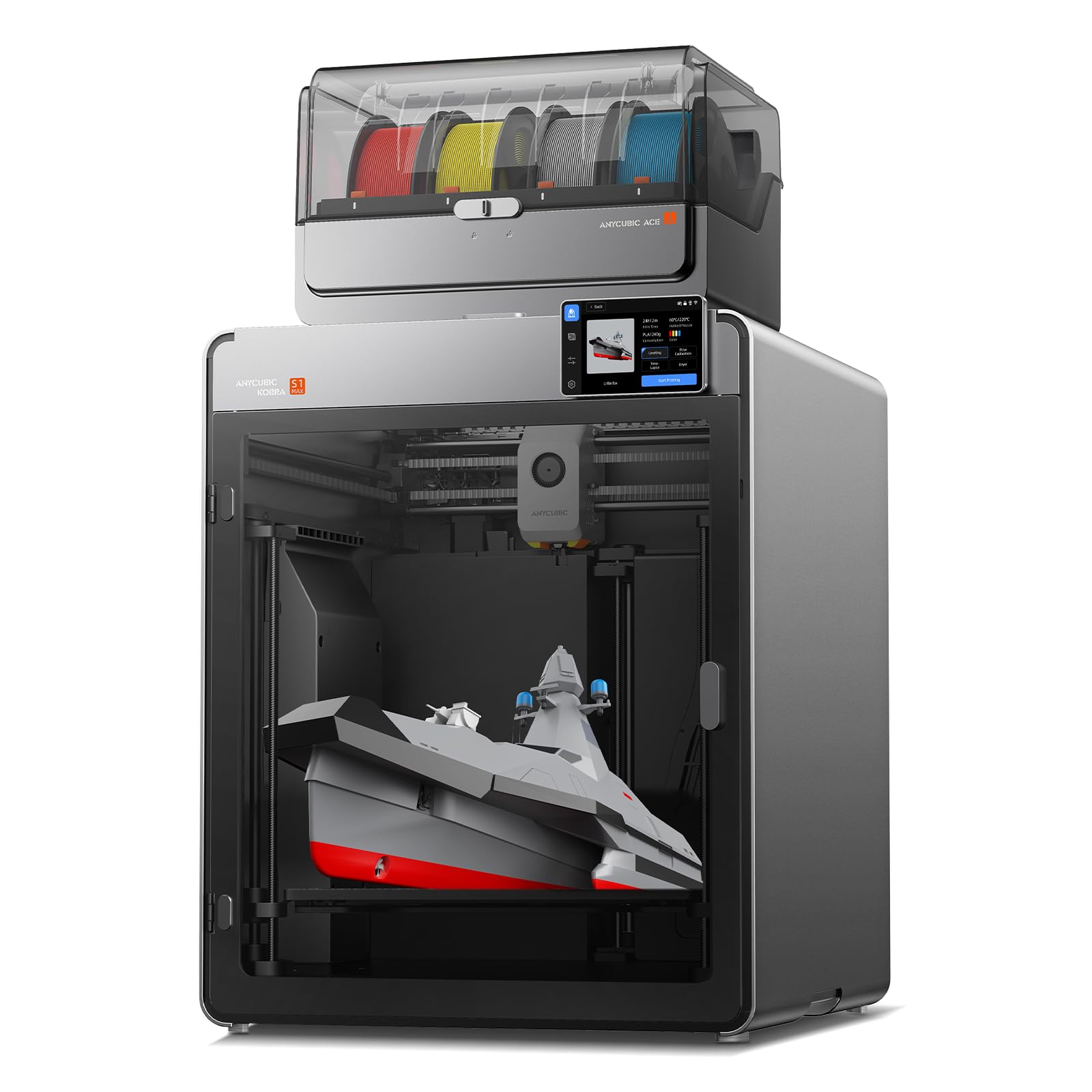

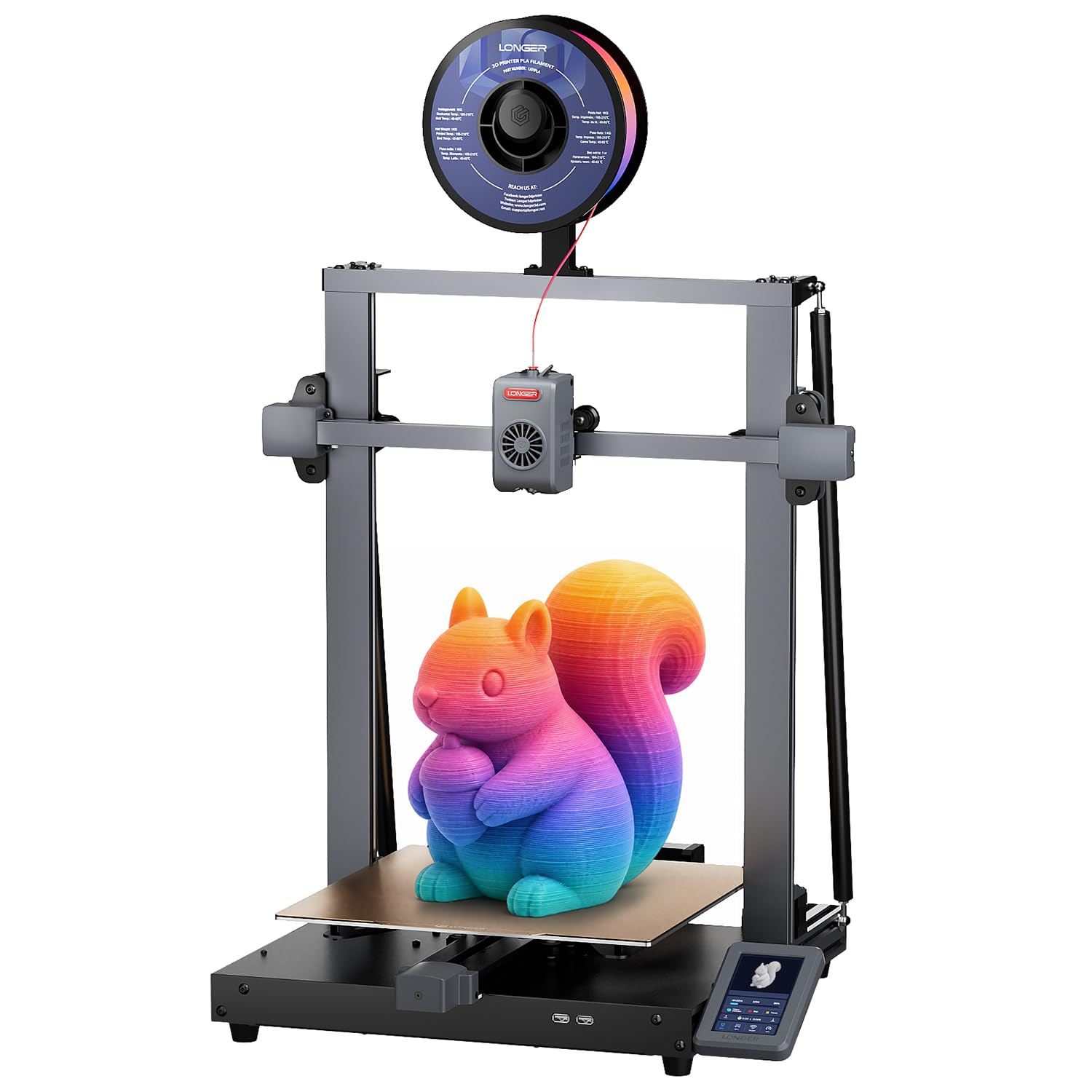
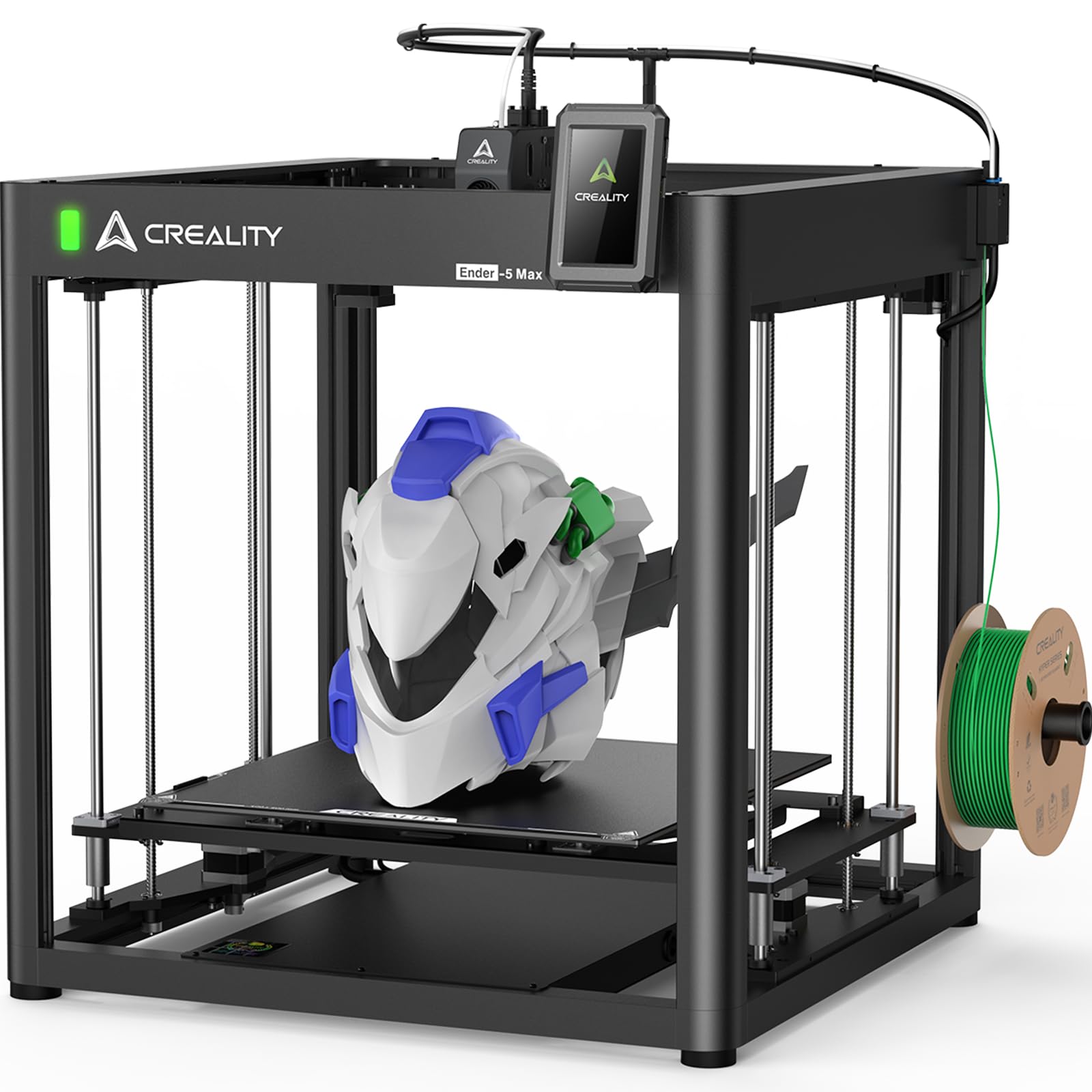


Choosing by Budget: What to Prioritize First
Budget Tier Checklist
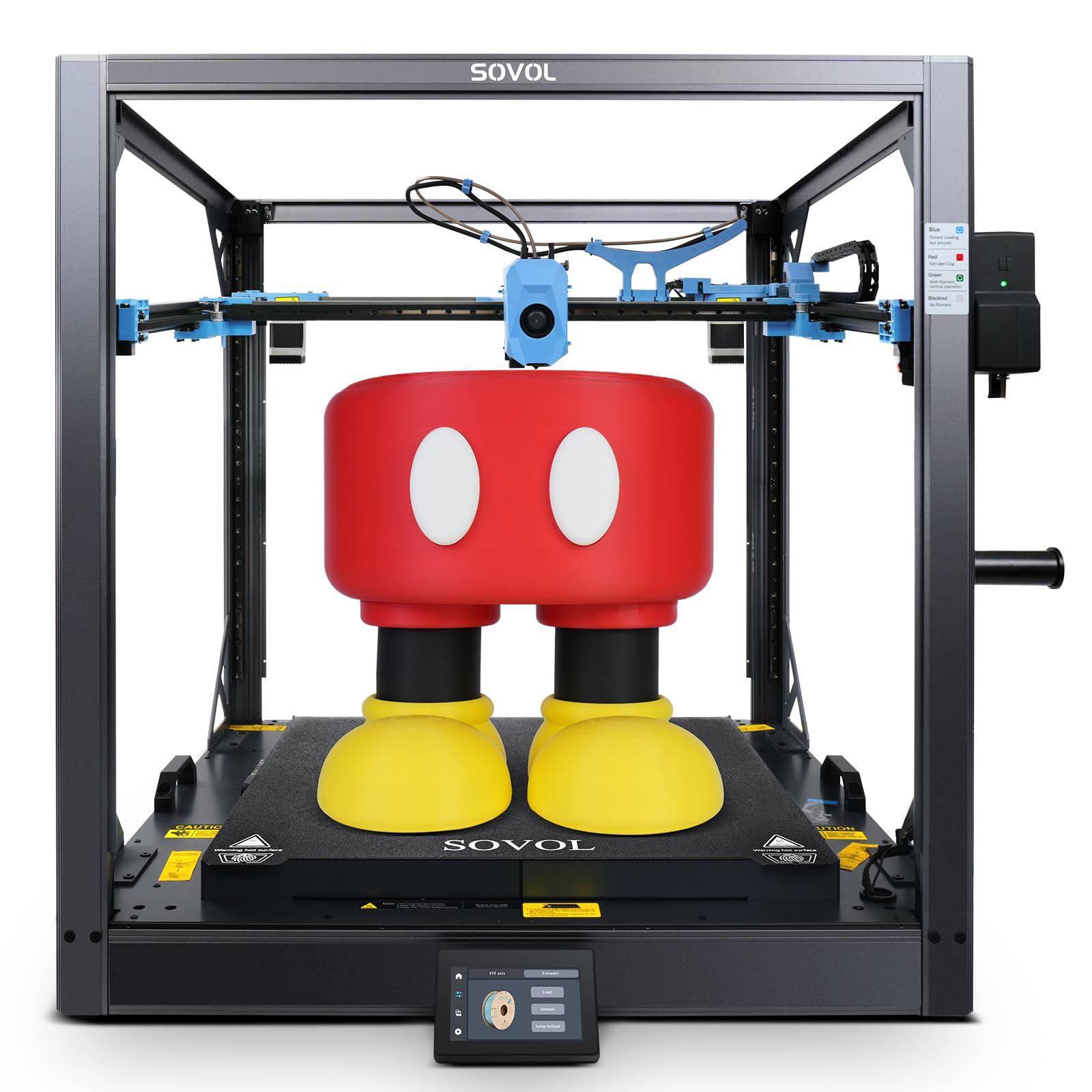
At the budget level, spend on build volume and reliability before anything else. You want a build area of at least about 220 mm per side, auto bed leveling, and a frame that stays rigid during long prints, because helmet segments often run for a full day. Expect to print every helmet in sections and join them with glue, filler, and sanding.
That is normal at this price and not a flaw. Skip decorative extras like color touchscreens if the choice is between a screen and a sturdier frame. A budget machine rewards patience and good joining skills more than it rewards speed.
Midrange Tier Checklist
The midrange is where helmet printing gets comfortable. Prioritize a larger build volume, around 300 mm in at least one dimension, so many shells fit in fewer pieces with fewer seams to hide.
Faster print speeds with stable quality matter here, because a full helmet can consume a week of evenings on a slow machine. Look for a direct drive extruder that handles flexible and tougher filaments cleanly, plus reliable resume after power loss. If you sell finished pieces or build for events with deadlines, this tier removes most of the friction that makes budget printing feel like a second job.
Premium Tier Checklist
Premium money should buy size, speed, and materials range together. Very large build volumes let some helmets print in one or two pieces, which transforms finishing work. A full enclosure with temperature control opens up strong materials like ASA and ABS that resist heat and impact better than basic PLA.
Heated chambers, hardened nozzles for abrasive filaments, and fast, well tuned motion systems all belong at this level. Buy premium when helmet work is a serious hobby or a business input. If you print one helmet a year, the premium tier mostly buys speed you will rarely miss.
What Your Money Gets You at Each Price Tier
Budget Tier: What to Expect
Budget machines, roughly under $300, are open frame FDM printers with modest volumes and manual finishing work ahead of you. Print quality can be genuinely good, but you trade away speed, enclosure, and convenience.
Long prints demand more supervision, and warping on large flat sections is a real risk in cool rooms. This tier suits a first helmet build where learning the full process, from slicing to sanding, is part of the goal. Readers comparing entry points can also browse the best starter 3d printers for machines that teach the basics gently.
Midrange Tier: The Sweet Spot for Most Buyers
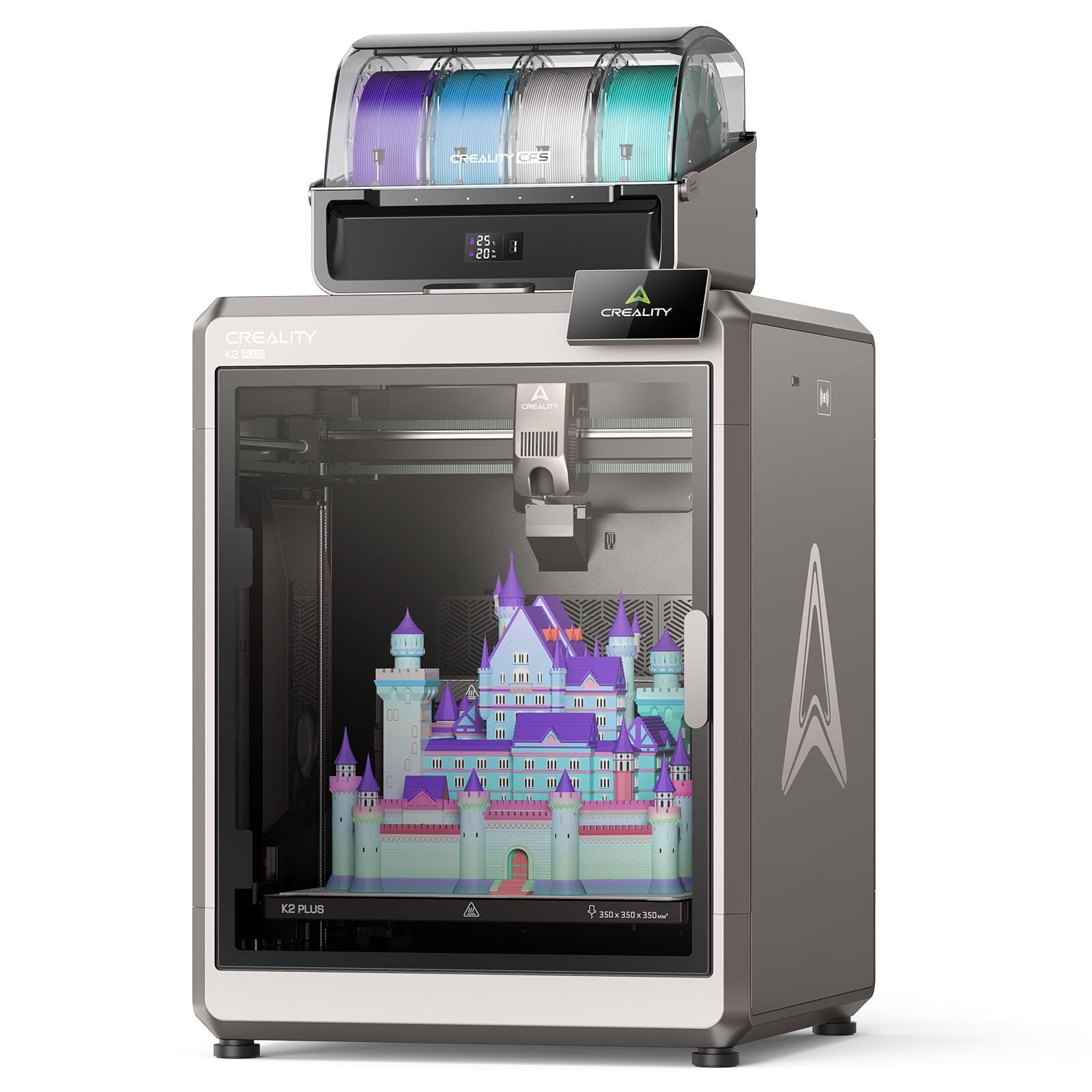
Midrange machines, about $300 to $700, add the features helmet builders feel daily: bigger volumes, auto leveling that stays accurate, quieter motion, and enclosures on many models. Print times drop, first layers succeed more often, and tougher filaments become practical. For most cosplayers and prop makers, this tier produces finished helmets that look identical to premium output after sanding and paint, because surface finishing hides layer lines anyway. The money goes into your time and success rate rather than visible quality, which is exactly where a regular builder wants it.
Premium Tier: When Spending More Pays Off
Above about $700, printers offer large enclosed build areas, high flow hot ends, and motion systems that hold quality at speeds budget machines cannot reach. One piece helmet shells become realistic, cutting days of joining and filling. Material range widens to engineering filaments for props that must survive heat, sun, and travel. This tier pays off for commission work, where hours saved per helmet turn directly into profit, and for builders who print oversized pieces like full armor sets alongside helmets.
Features Worth Paying For in 3D Printers for Helmets
Ease of Setup and Calibration
Auto bed leveling is worth paying for at any tier, because helmet segments are large and a first layer that fails at hour ten wastes serious filament. Guided setup and preset material profiles also matter more here than in casual printing, since a helmet project repeats the same long jobs many times. A machine that calibrates itself lets you spend your effort on finishing skills, which is where helmets are truly made. Among general machines, the best 3d printers increasingly include full auto calibration as standard, so treat its absence on a new model as a warning sign.
Printer Type: FDM or Resin for Helmets
FDM is the practical choice for helmets. It prints large, light, and reasonably strong shells at low material cost, and segments are easy to glue and sand.
Resin printers produce beautiful detail but their build volumes are far too small for wearable shells, and cured resin is brittle and heavy at helmet scale. Resin still earns a place for small helmet details like vents, badges, and lenses, where its fine finish shines. Builders focused on detail parts often keep a compact resin machine beside the main FDM workhorse, and the guide to the best resin 3d printers covers that pairing well.
Footprint and Noise
Large volume printers are physically big, and helmet scale machines can outgrow a spare desk quickly. Measure your space with the door or lid fully open and room for filament spools and finishing supplies, since a helmet workshop grows fast.
Noise matters because prints run for many hours; enclosed machines with quiet drivers suit apartments and shared homes. Plan for ventilation as well. Sanding and painting stages produce dust and fumes, so a workspace you can air out protects both your lungs and your household.
Features That Matter for Helmets
Helmet work has two non negotiable requirements. The first is build volume: either a single build area approaching 300 mm in the key dimensions, or a workflow you accept for printing in segments and joining them invisibly. The second is material strength and heat resistance.
Basic PLA softens in a hot car and can crack on impact, so PETG is a sensible minimum for wearable pieces, and ASA suits outdoor wear. One safety point overrides everything else: a printed helmet is a costume piece, never protective equipment. Never use one for cycling, riding, sports, or any activity where a certified helmet is required.
Long Term Costs to Factor In
The printer is only the opening cost. A full size helmet can use one to two full spools of filament, so budget about $20 to $50 in plastic per build, plus filler primer, sandpaper in several grits, glue, and paint. Use these points to judge any of the best 3d printers for helmets.
Enclosed machines add filter replacements, and abrasive filaments wear nozzles faster. Electricity for multi day prints is modest but not zero. Hobbyists who print for fun alongside other projects may enjoy browsing the best hobby 3d printers, while anyone watching total spend should note that the best inexpensive 3d printers still deliver strong helmets when your finishing skills do the heavy lifting.
3D Printers: Your Questions Answered
What features matter most in 3d printers for helmets?
Build volume and material range matter most, followed closely by auto bed leveling for reliable long prints. A volume near 300 mm reduces seams, and support for PETG or ASA gives shells that survive wear and warm days. Speed ranks next for anyone printing more than one helmet, because each build ties up the machine for days.
Is a bigger build volume always better for helmets?
No, bigger is better only up to the size you actually print. A volume that fits a full shell in one or two pieces is ideal; beyond that you pay for space, heat, and machine size you never use. Many skilled builders prefer midsize machines and expert segment joining, since seams vanish under filler and paint anyway.
What does cost per print mean for a helmet build?
Cost per print is the filament, power, and wear a single finished piece consumes. For helmets, add finishing supplies to that figure, because primer, filler, and paint can rival the plastic cost. Tracking it matters if you sell commissions: a helmet that looks cheap to print can quietly double in cost before it is ready to wear.
FDM or resin: which is cheaper long term for helmets?
FDM is far cheaper at helmet scale. A spool of PETG costing around $25 can build most of a shell, while resin for an equivalent volume would cost several times more and still produce a heavy, brittle result. Resin stays economical only for the small detail parts where a little material goes a long way.
Which 3D printer type is easiest for beginners building helmets?
An enclosed FDM printer with auto leveling is the easiest starting point. It forgives imperfect rooms, handles long prints reliably, and uses cheap filament while you learn slicing and joining. Start with a segmented design made for your build volume, finish one helmet fully, and let that experience tell you whether size or speed should drive your next machine.
Our Verdict
Decide by volume first, material range second, and speed third, and let your budget tier follow from those needs. Most builders land happily in the midrange, where helmets print in a few large pieces with dependable results. However you choose, the best 3d printers for helmets are the ones whose size and materials match the shells you dream about, so compare the options in the product table above and start with the tier that fits your next build.