Best 3D Printers for Flexible Filament in 2026: Which Type Is Right for You?
Disclosure: We may earn a commission when you buy through links on this page, at no extra cost to you. As an Amazon Associate I earn from qualifying purchases. Learn more

Direct drive, Bowden, and enclosed machines compared for the best 3d printers for flexible filament, with price ranges and who each suits.
Flexible filament humbles printers that handle rigid plastic beautifully. Soft TPU bends inside the extruder, buckles in long feed paths, and strings across every travel move, so a machine that shines with PLA can jam within minutes on flexibles. This guide to the best 3d printers for flexible filament compares printer types by the one thing that matters here: how the filament travels from spool to nozzle.
Use the product table below for a quick view of drive types, build sizes, and prices. Then read the type by type breakdown, which explains why extruder design matters more than headline speed or build volume when your material behaves like a rubber band under pressure.




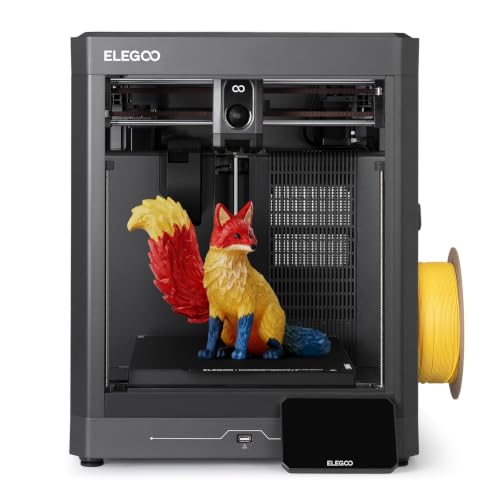
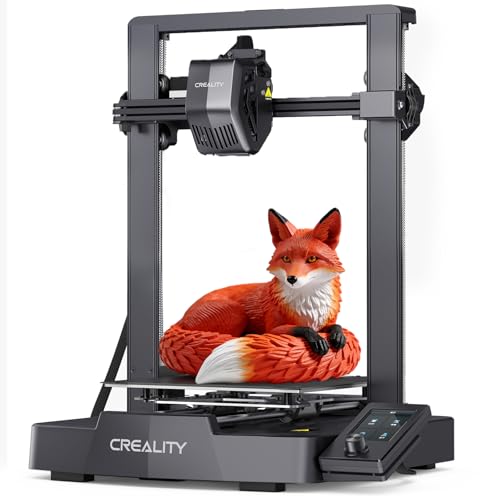
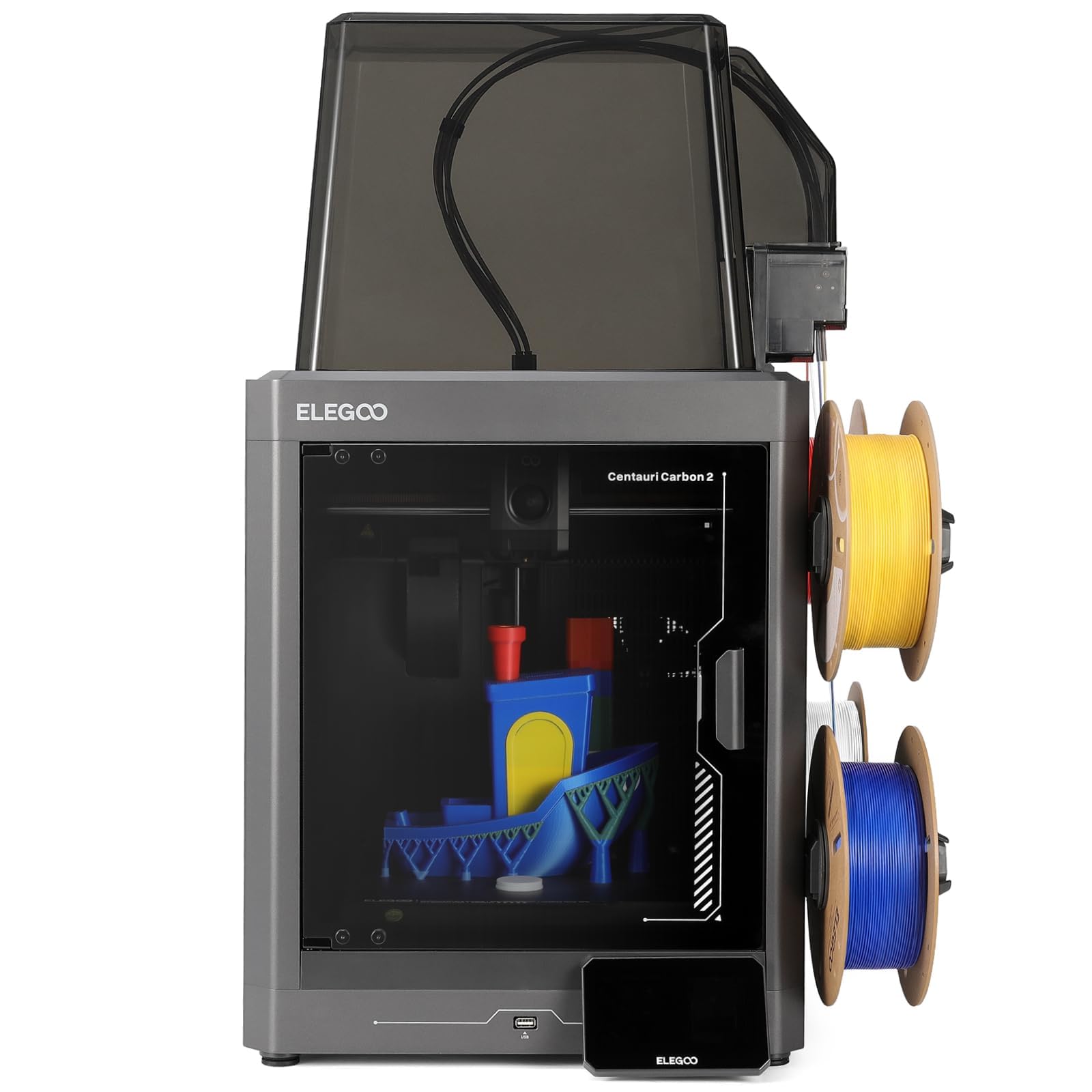
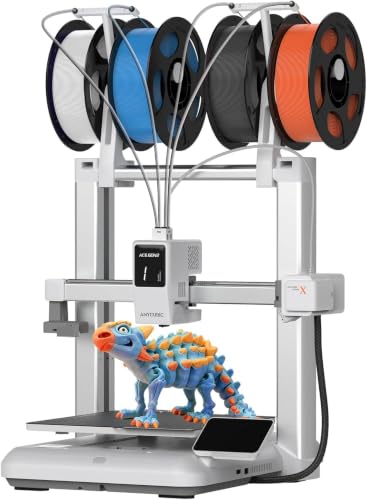

Types of 3D Printers Compared
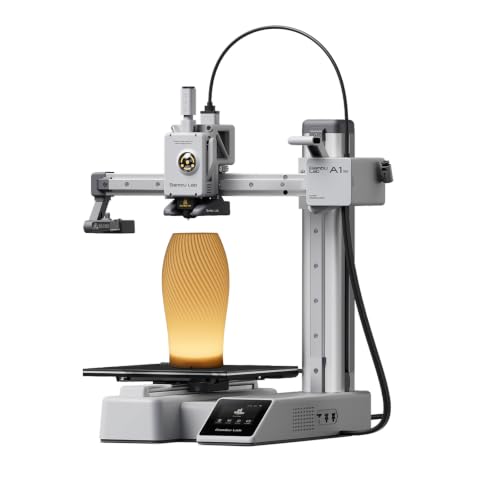
Direct Drive FDM Printers
A direct drive machine mounts the extruder motor right above the hot end, so the filament path is only a few centimeters long. That short, constrained path is exactly what soft filament needs, because there is almost no room for TPU to buckle or coil. These printers handle common 95A TPU with ease and manage softer 85A blends with slower settings and care.
They suit phone case makers, drone builders, and anyone printing gaskets, grips, and wearable parts regularly. Typical prices run around $250 to $800. The small trade off is a heavier tool head, which can limit extreme print speeds on some frames.
Know how tip: before buying, check whether the extruder uses dual drive gears and a fully guided path between gear and nozzle. That single detail predicts flexible filament success better than any marketing claim about material compatibility.
Bowden Tube FDM Printers
A Bowden design places the extruder on the frame and pushes filament through a long tube to the moving hot end. The light tool head allows fast, clean printing with rigid materials, but the long tube is a liability for soft filament, which compresses inside it like a spring. Firm 95A TPU often prints acceptably at slow speeds, while soft blends usually kink and jam.
These machines suit budget buyers who print flexibles only occasionally and mostly work in PLA or PETG. Typical prices run around $180 to $500. If flexible parts are your main goal, treat Bowden as a compromise rather than a destination.
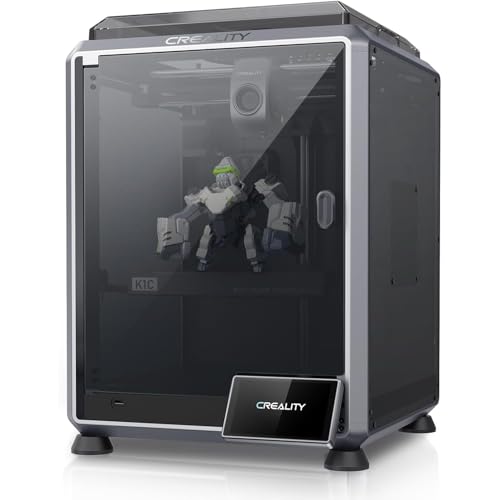
Enclosed Direct Drive Printers
This type combines a direct drive extruder with an enclosed chamber, adding stable temperatures around the print. The enclosure helps larger flexible parts bond evenly and stay put on the bed, and it opens the door to rigid engineering filaments on the same machine. Flexible filament itself gains modestly, mainly through consistency on big parts and protection from drafts.
These printers suit small workshops and prosumers who split time between TPU parts and stronger materials. Typical prices run around $600 to $2,000. The trade offs are size, cost, and fans that need occasional cleaning in dusty spaces.
Large Format Direct Drive Printers
Large format machines stretch build volume to 300 mm or more per side while keeping a direct drive extruder. They exist for big flexible parts: protective covers, large gaskets, costume pieces, and oversized grips that smaller beds force you to split and glue. Long prints in TPU take many hours, so reliability features like filament runout sensing and power loss recovery matter greatly here.
They suit dedicated makers with space and patience. Typical prices run around $500 to $1,500. Remember that a bigger bed also means slower heat up times and more surface to keep clean and level.
Direct Drive vs Bowden: Which Should You Choose?
Choose direct drive if flexible filament is a regular material for you. It wins on feed reliability, handles a wider softness range, allows shorter retractions that reduce stringing, and recovers from pauses without grinding the filament. Choose Bowden only if flexible work is rare, your TPU is a firm grade, and you value a light, fast tool head for rigid prints the rest of the time. Use these points to judge any of the best 3d printers for flexible filament.
On cost, capable machines overlap heavily, so price alone should not push you toward Bowden. On learning curve, direct drive is also more forgiving, since its settings window for TPU is wider. For most readers comparing machines in our guide to the best filament 3d printers, direct drive is the safer default.
How to Choose 3D Printers for Flexible Filament
Features That Matter for Flexible Filament
Start with shore hardness, the scale that grades TPU softness. Common 95A filament prints on most direct drive machines, 85A needs a well guided path and slow speeds, and very soft grades near 75A demand specialized extruders.
Look for dual drive gears, a short path, and a maximum retraction that can be set very low, because flexible prints often run best with retraction under 1 mm or switched off. A smooth, low friction spool holder also helps more than people expect, since the extruder must pull soft filament without stretching it. Finally, check top print speeds honestly: quality TPU work often runs at 20 to 40 mm per second regardless of the headline figure.
Reliability and Support
Flexible filament punishes weak support because clogs and worn gears show up fast. Prefer brands that sell replacement extruder gears, tubes, and hot ends openly and cheaply.
Community slicer profiles for TPU are a genuine asset, since a shared working profile saves you days of stringing tests. Firmware that allows easy extrusion and temperature tuning matters too. Machines aimed at casual makers, including many in our guide to the best hobby 3d printers, can still print TPU well when their extruder path is properly guided, so judge the mechanism rather than the marketing category.
Build Volume and Part Fit
Most flexible parts are modest in size: cases, seals, feet, straps, and protective bumpers fit easily on a 220 mm bed. Buy larger only if your parts truly need it, because oversized beds slow heating and complicate bed adhesion for stretchy materials.
Consider part orientation as well, since TPU layer bonds are strong but unsupported overhangs sag more than rigid plastic. A compact machine with a great extruder beats a giant machine with a mediocre one for this material class. Shoppers comparing the full market can browse our overview of the best 3d printers to see how volumes and drive types divide across price levels.
Printer Type in Plain Terms
Flexible filament work is almost entirely an FDM conversation, because filament machines feed TPU through a mechanical path you can inspect and upgrade. Resin machines use liquid polymer instead, and flexible resins exist, but they behave differently, need chemical handling, and suit thin, small parts rather than chunky functional pieces. What matters here is cost per spool and feed design. General purpose machines listed among the best filament printers follow the same divide: drive design first, everything else second.
Setup and Care Tips
- Dry your TPU. Flexible filament absorbs moisture quickly, and wet TPU pops, strings, and foams at the nozzle. Dry it before important prints and store it sealed with desiccant.
- Slow the first layer. A slow, slightly generous first layer gives stretchy material time to grip the bed, and a glue stick layer can help release finished TPU parts without tearing them.
- Keep the bed clean. Wipe the build surface with isopropyl alcohol between prints, because skin oils cause flexible parts to lift at the corners during long runs.
- Tune retraction last. Set temperature and speed first, then reduce retraction in small steps, since excess retraction is the most common cause of jams with soft filament.
3D Printers: Your Questions Answered
What features matter most in 3d printers for flexible filament?
A direct drive extruder with dual gears and a short, fully guided filament path matters most. It prevents the buckling that causes nearly all flexible filament jams. Next comes precise retraction control and a smooth spool feed. One less obvious point: look for a part cooling fan you can slow or stop, because heavy cooling can weaken layer bonding on thick TPU walls and gaskets.
Are specialized extruders for flexible filament worth it?
Yes, if you print soft grades regularly, a purpose built extruder is worth it. It widens the range of shore hardness you can run and cuts failed prints dramatically. Casual users printing firm 95A TPU a few times a month can skip it. A useful middle step is upgrading only the extruder on a machine you already own, which often costs far less than replacing the whole printer.
Which 3D printer type is easiest for beginners with flexible filament?
An assembled direct drive machine with automatic bed leveling is easiest for beginners using flexible filament. It removes the two hardest early problems, feed jams and first layer tuning, in one purchase. Start with firm 95A TPU, which behaves most like rigid filament, and print a small calibration cube before any real part. Budget hunters can find capable options among the best inexpensive 3d printers, as long as the extruder is direct drive.
What does cost per print mean for flexible filament?
Cost per print is the material and wear cost of one finished flexible part. TPU typically costs around $20 to $30 per kilogram, and most small parts use only a few grams, so material cost is low. The meaningful costs are time and failures, because slow print speeds and one jam can waste hours. Track your success rate per spool rather than grams alone for an honest picture.
Is direct drive or Bowden cheaper long term?
Direct drive is cheaper long term for flexible work because it wastes far less filament on jammed and failed prints. Bowden machines can look cheaper upfront, but every kinked length of soft TPU and every scrapped part narrows that gap. Direct drive also reduces wear on the tube, a consumable Bowden owners replace periodically. Over a year of regular TPU printing, reliability is the real economy.
The Bottom Line
Judge every candidate by its filament path first, its hardness range second, and its build volume third. A modest direct drive machine will out print an expensive Bowden model on TPU almost every time. Compare your shortlist in the product table above, confirm the extruder design in the specifications, and you will land on the best 3d printers for flexible filament setup for the parts you actually make, from grippy cases to seals that need to flex for years.