Best 3D Printers for Figurines: A Buying Guide for 2026
Disclosure: We may earn a commission when you buy through links on this page, at no extra cost to you. As an Amazon Associate I earn from qualifying purchases. Learn more

Learn how to choose the best 3d printers for figurines, with guidance on fine detail, resin and filament options, build size, curing, and painting prep.
A figurine lives or dies on tiny details: the edge of a cloak, the line of a jaw, the texture on a shield. Printers that handle big functional parts with ease can still blur those features into mush. This guide to the best 3d printers for figurines explains which specifications actually control fine detail, so you can choose a machine that does justice to the sculpts you love.
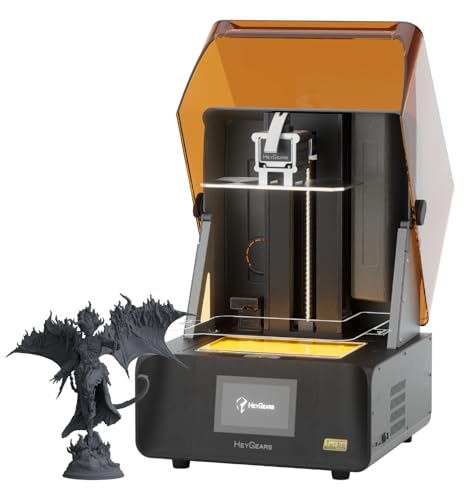
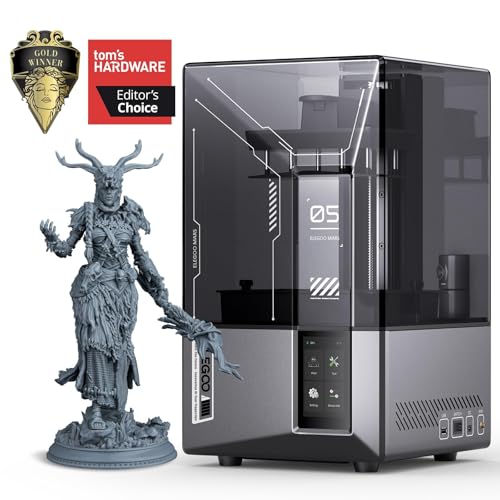
Start with the product table below to see how detail ratings, build sizes, and prices line up across current machines. Then work through the buying guide sections, which translate pixel counts and layer heights into what you will actually see on a painted miniature at arm length.


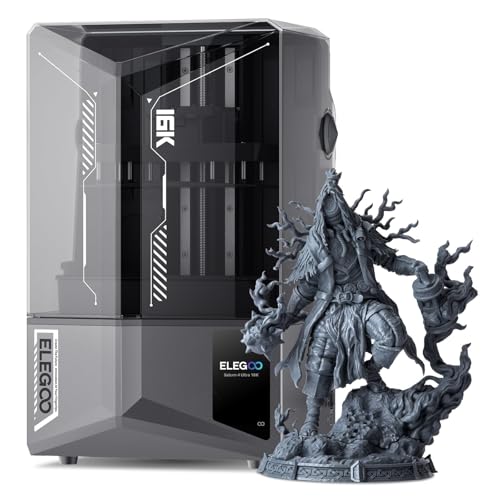


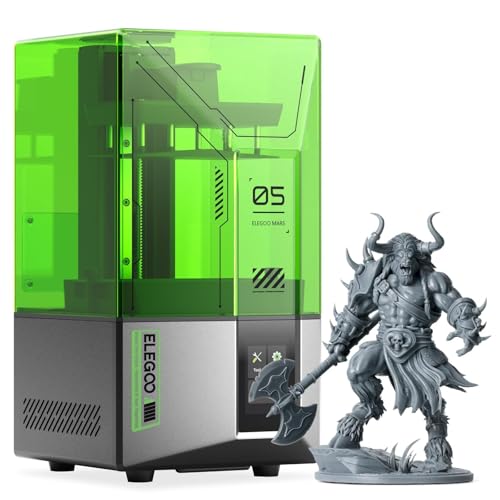
Start With the Right Brief: Three Figurine Priorities
Overall Approach: Resin Detail First
For tabletop miniatures and display figures under about 75 mm tall, resin printing is the overall approach to beat. A modern resin screen with fine pixel pitch renders facial features, jewelry, and cloth folds that filament machines simply cannot match at that scale.
Your brief should demand a sharp screen, a rigid Z axis, and reliable release film, because those parts govern surface quality. Expect to budget for a wash and cure station as well, since unfinished resin parts stay tacky and fragile. Painters who prime and layer thin coats will see the largest jump in quality here.
Value Approach: One Machine, Careful Settings
The value approach pairs a mid priced resin machine with disciplined settings rather than chasing the highest screen resolution on the shelf. Most sculpts sold for home printing are designed for typical home screens, so careful exposure tuning and good supports matter more than a small spec advantage. Spend the savings on quality resin, spare release film, and a proper curing light. Your brief should include a vat with a metal frame and easy film changes, because consumable costs and upkeep decide value over a year of printing far more than the sticker price does.
Premium Approach: Bigger, Sharper Display Pieces
The premium approach targets larger display figures, busts, and statues where size and detail must arrive together. Bigger resin build plates let you print a torso or base in one piece instead of gluing sections, and higher grade screens hold detail across that larger area. Your brief should add uniform light output across the whole screen, since uneven curing shows as soft patches on wide parts. Ventilation and a dedicated workspace become near mandatory at this level, because larger vats hold more resin and produce more odor and waste to manage responsibly.
How to Choose 3D Printers for Figurines: A Focused Buying Guide
Features That Matter for Figurines
Detail on a figurine comes from two numbers working together. On resin machines, the XY resolution, often described by pixel size in microns, sets how fine a horizontal feature can be, and smaller values near 20 to 35 microns render crisper edges.
Layer height sets vertical smoothness, and 0.03 to 0.05 mm layers hide stepping on curved shoulders and faces. On filament machines, a smaller 0.2 mm nozzle and 0.08 mm layers help, but results stay softer. Also weigh light uniformity on resin screens and the quality of the release film, because both affect every single print.
Printer Type: Resin or FDM Filament
Resin machines cure liquid polymer layer by layer with masked light, which is why they excel at small, intricate sculpts. Filament machines push melted plastic through a nozzle and suit large, simple figures, terrain, and props where slight layer lines are acceptable or easy to sand.
Many collectors eventually own both: resin for characters, filament for scenery and display bases. If you only print gaming miniatures, resin alone covers the need. Readers weighing the wider market can compare general machines in our guide to the best 3d printers for context on both technologies.
Ease of Setup and Calibration
Resin setup centers on leveling the build plate, setting exposure time for your specific resin, and keeping the vat film clean and tight. A short exposure test print, often a small calibration piece supplied by resin makers, tells you more than any default profile.
Filament machines lean on automatic bed leveling and first layer tuning instead. Either way, figurine work punishes sloppy setup because tiny supports fail first. Choose a machine with clear on screen guidance, a stable plate mount, and an active owner community sharing exposure settings for popular resins.
Print Speed
Speed means different things for small figures. Resin machines print by height, so a plate full of miniatures takes about as long as a single one of the same height, which makes batch printing wonderfully efficient.
Typical figurine layers cure in a few seconds each, and a 32 mm miniature often finishes in two to four hours. Filament prints grow layer by layer per part, so a detailed figure can take much longer at fine settings. Chasing maximum speed on either technology costs detail, so treat headline speed figures as a ceiling, not a plan.
Cost per Print and Material Costs
A single gaming miniature uses only a few grams of resin or filament, so material cost per figure is small, often well under a dollar for standard sizes. The real costs hide around the print: isopropyl alcohol or washing solution, gloves, paper towels, replacement release film, and failed prints while you learn. Resin itself runs around $25 to $45 per liter for standard formulas, with specialty tough or flexible blends costing more. Hollow large figures with proper drain holes to cut material use dramatically, and that one modeling habit saves more money than any printer feature.
Reliability and Support
Screens, release films, and light sources are wear parts on resin machines, so check replacement prices and availability before buying. A cheap machine with an expensive, scarce screen is no bargain. Firmware updates, slicer compatibility, and community shared profiles all shape daily reliability.
Filament machines lean on nozzle and bed wear instead. Either way, prefer brands with clear support channels and spare parts listed openly. Many machines covered in our guide to the best hobby 3d printers share these same support considerations, since figurine printing is a hobby first for most owners.
Types of 3D Printers for Figures and Miniatures
Resin Printers for Fine Detail
Masked resin printers are the default choice for miniatures because their detail ceiling sits far above filament at small scales. Strengths include smooth surfaces that need little sanding before priming and faithful reproduction of sculpted texture.
Weaknesses include brittle standard resins, chemical handling, and small build areas. They suit painters, tabletop gamers, and collectors printing figures up to bust scale. Our dedicated guide to the best resin 3d printers goes deeper on screen sizes and curing options for this category.
FDM Printers for Larger Pieces
Filament machines earn their place with large figures, dioramas, terrain, and cosplay props where resin vats are too small or too costly per part. With a fine nozzle and patient settings, they produce presentable display pieces, especially after filler primer and sanding.
Strengths include cheap material, tougher parts, and no chemical washing. Weaknesses are visible layer lines on faces and small features. They suit makers who value scale and durability over miniature crispness, and budget shoppers will find overlap with machines in our guide to the best inexpensive 3d printers.
Enclosed Printers for Cleaner Workshop Results
An enclosure will not add detail, but it protects print quality in real homes. Stable temperatures reduce filament warping on large bases and keep resin at a consistent viscosity, which stabilizes exposure behavior in cold rooms.
Enclosures also contain resin odor and filament particles, which matters when the printer shares a living space. The trade off is size and price. Treat an enclosure as a quality of life and consistency upgrade rather than a detail feature, and prioritize it if your printing space runs cold or drafty.
Tips to Get the Most From Your Printer
- Support for success. Angle figures back around 20 to 30 degrees and place supports on the underside, so support marks hide where paint and shadow forgive them.
- Keep resin work clean. Strain resin back into the bottle through a paint filter after a failed print, because one floating cured flake can crack a screen on the next run.
- Keep filament beds clean. Wipe filament printer beds with isopropyl alcohol between prints and store filament dry, since moisture causes stringing that ruins small features.
- Cure with patience. Wash parts fully, dry them before curing, and cure in short cycles, because overcuring makes standard resin brittle and can yellow pale colors.
- Prime before judging. A thin coat of primer reveals the true surface of a print, showing which layer lines need sanding and which vanish under paint.
FAQs
What features matter most in 3d printers for figurines?
Pixel size and layer height matter most, because they set the finest detail a machine can render. After that, light uniformity and a rigid build plate keep that detail consistent across the whole plate. One extra buyers miss: vat size limits how many miniatures you can batch at once, and batching is where resin printing becomes truly efficient for gaming armies and warbands.
Is a resin printer worth it for printing figurines?
Yes, resin is worth it for figurines because no filament machine at similar prices matches its surface detail on small sculpts. The added costs are washing supplies, gloves, and ventilation, plus time spent cleaning parts. One point often skipped: uncured resin waste must never go down a drain, so budget for a sealed waste container and local disposal options from the start.
Which 3D printer is easiest for beginners printing figures?
A mid sized resin machine with guided plate leveling and well documented exposure presets is easiest for figurine beginners. The learning curve is mostly supports and safety habits rather than machine tuning. New owners who want a gentler on ramp can review our guide to the best starter 3d printers for foundational skills, then apply exposure test prints before attempting a prized sculpt.
What does cost per print mean for a figurine?
Cost per print is the total material and consumable cost of one finished figure. Weigh the model or read the slicer estimate, multiply by your resin or filament price, then add a share of washing solution, film wear, and failed attempts. Large display figures dominate the budget quickly, which is why hollowing them and adding drain holes is the single most effective cost habit you can learn.
Is FDM or resin cheaper long term for figurines?
Filament is cheaper long term per gram and needs no washing supplies, but resin delivers far more detail per dollar at miniature scale. For tiny figures, resin use per model is so small that material cost barely matters either way. The deciding factor is your cleanup tolerance: resin asks for gloves, ventilation, and waste care on every print, while filament asks mainly for patience with sanding.
Our Verdict
Choose resin for detail, filament for scale, and settings discipline over spec sheet bragging every time. Match build size to the figures you actually print, budget honestly for washing and curing, and compare your finalists in the product table above. Do that, and picking from the best 3d printers for figurines becomes a calm decision about your collection rather than a gamble on resolution numbers. Use these points to judge any of the best 3d printers for figurines.