
Best 3D Printers for Dentistry: What Actually Matters Before You Buy for 2026
Disclosure: We may earn a commission when you buy through links on this page, at no extra cost to you. As an Amazon Associate I earn from qualifying purchases. Learn more

Use a clear checklist to find the best 3d printers for dentistry, covering accuracy, validated resins, curing workflow, build size, and total running costs.
Dental printing is unforgiving work. A model that is slightly off, a guide that does not seat, or a splint with a poor fit wastes chair time and remakes, so the buying decision deserves a strict checklist. This guide to the best 3d printers for dentistry sets out the criteria that separate clinic ready machines from hobby devices, in the order a practice should judge them. The product table then lets you score real options against those criteria quickly.
Nothing here replaces validated workflows or local regulation. Use the checklist to buy wisely, then follow the resin maker instructions and your professional standards for every case.



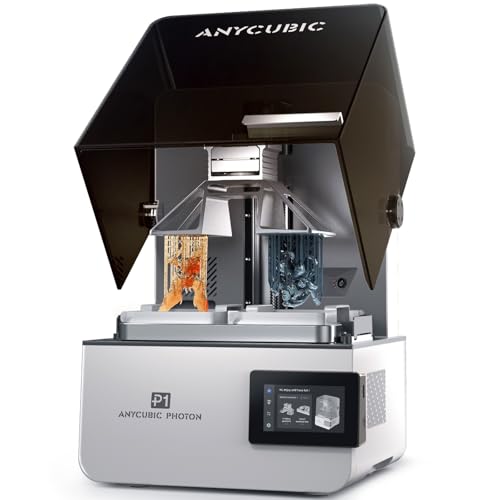
How to Evaluate Dental 3D Printers
Features That Matter for Dentistry
Dentistry demands accuracy above all, with repeatability a close second. Look for pixel sizes and positioning accuracy fine enough for margins, contacts, and guide sleeves, and for a light source that cures evenly across the whole build area. Validated resin profiles matter as much as hardware, because a printer is only as good as the materials it can run correctly. Practices should also weigh open versus closed material systems. An open system widens resin choice, while a closed system can simplify compliance with validated workflows.
Printer Type: Resin Leads, FDM Assists
Resin printing, in its LCD and DLP forms, is the core technology for dental models, surgical guides, splints, and denture bases. It delivers the smooth surfaces and fine detail that oral work requires. FDM filament printing plays a support role for study models, lab jigs, and low stakes items where fine fit is not critical. Paper printer families such as inkjet, laser, and tank models belong to office paperwork only. For clinical output, budget and attention belong on resin hardware and its curing workflow.
Ease of Setup and Calibration
A dental printer should calibrate quickly and hold that calibration between jobs. Guided leveling, automatic checks of light output where offered, and clear on screen prompts reduce operator error when several staff members share one machine. Auto bed leveling language from filament printing translates here into simple, repeatable plate leveling and consistent first layer exposure. Setup also includes software. Chairside and lab staff need slicing and nesting tools that load validated profiles in a few clicks rather than inviting manual guesswork.
Print Quality and Resolution
Judge quality by accuracy data, not by screen size alone. DPI is a paper term, so translate it into pixel size in microns and layer heights commonly around 50 to 100 microns for dental work. Smaller pixels help margins and fine anatomy, but exposure control and resin quality shape the final fit just as much. Ask how accuracy holds across the full build plate, since edges can differ from the center. A printer that posts honest, testable accuracy figures deserves more trust than one quoting only best case numbers.
Reliability and Support
A clinic cannot treat a printer like a hobby when appointments depend on its output. Look for responsive professional support, fast access to spare build plates, vats, and screens, and firmware updates that arrive with clear notes. A strong user base of dental labs sharing settings is a real asset. Warranty terms should suit commercial use, and the maker should state expected life for consumable optics. Downtime planning, even a simple backup workflow, belongs in the purchase decision for busy practices.
Running Costs and the Cost per Case
Paper guides speak of cost per page and ink tank savings, but dentistry runs on cost per case. Count resin per model or appliance, wash solution, curing time, vat film and build plate wear, plus staff minutes for washing and finishing. A faster printer with a larger plate can lower cost per case by nesting several units in one run. Also price the resins you will actually use, since specialty dental resins cost far more than general ones and dominate the total.
Practices comparing broader categories can start with our overview of the best 3d printers, then return here for the clinical criteria.
Three Printer Profiles That Pass Our Checklist
Rather than naming models, use these three profiles to classify any printer in the product table above. Match the profile to your case mix first, then compare individual machines inside it.
Best Overall Profile
The overall profile suits most practices: a resin printer with fine pixel size, a plate large enough for several models or a full arch set, validated profiles for the main dental resins, and dependable support. Prices often sit around $1,000 to $4,000 at this level for the printer alone. The strength is balance across models, guides, and splints. The limit is throughput, since a single mid size plate still queues work in a busy lab. If your case mix is varied and daily, start your search with this profile.
Best Value Profile
The value profile targets practices adding printing for models and simple guides, often around $300 to $1,000. Expect a smaller build plate, fewer automation touches, and more manual steps in washing and curing. Accuracy can still be fully adequate for study and working models when validated settings are used. The limit is scope: premium resins and demanding indications may sit outside its validated list. This profile rewards a narrow, well defined use case and careful staff training.
Best Compact Profile
The compact profile fits small operatories and clinics where bench space is precious. These printers pair a small footprint with a modest plate, suiting same day splints, retainers, and single arch models. Prices vary widely, often about $500 to $2,500 depending on automation and software. Strengths include fast setup and easy placement near a wash and cure station. The limit is batch size, so high volume labs will outgrow it. As a second, chairside focused unit beside a larger lab printer, it can be ideal.
Quick Buyer Checklist
- Does the printer list validated profiles for every resin you plan to use?
- Is stated accuracy fine enough for guides and splints, not only for models?
- Can the build plate fit your typical daily case load in one or two runs?
- Do you have space and budget for matching wash and cure equipment?
- Are spare vats, films, plates, and screens in stock at fair prices?
- Does the warranty clearly cover commercial clinical use?
- Can every staff member who will run it be trained on the full workflow?
- Have you confirmed that your intended uses comply with local rules for printed dental devices?
Smaller practices watching spend can review our guide to the best inexpensive 3d printers for what entry pricing can and cannot do, keeping in mind that clinical validation still rules the final choice.
Red Flags to Watch For
- Vague accuracy claims. Resolution quoted without pixel size or test method tells you little about fit.
- No validated dental resins. A printer with only general craft resins is not a dental device, whatever the listing implies.
- Missing post processing story. If wash and cure steps are glossed over, the workflow is incomplete and results will vary.
- Closed system with costly locked resins and no clear pricing. Running costs can surprise you for years.
- Short or consumer only warranty. Commercial use may void cover exactly when you depend on the machine most.
How to Make Your 3D Printer Last Longer
Keep resin vats clean and inspect films often, since a cloudy or dented film scatters light and ruins accuracy. Filter returned resin to catch cured fragments, store resins at the maker stated temperature, and keep build plates free of cured residue with careful scraping and suitable cleaners. Run small calibration prints after any screen or film change. For any filament unit in the lab, wipe its bed clean and store PLA dry, the same basic discipline that keeps resin work consistent.
Labs that also print non clinical items can find versatile options in our guide to the best hobby 3d printers, while new teams may prefer the simpler machines in our guide to the best starter 3d printers for training and study models. For the resin category itself, see our guide to the best resin 3d printers.
Frequently Asked Questions
What features matter most in 3d printers for dentistry?
Accuracy, validated resin profiles, and an even light source matter most. They decide whether guides seat and splints fit without chairside adjustment. Build plate size and support quality follow closely. One often missed feature is software that locks validated settings against casual edits. In a shared clinic, preventing well meant tweaks protects consistency more than any small hardware edge.
Which 3D printer is easiest for beginners?
The easiest dental printer for a new team is a resin model with guided setup, preset validated profiles, and a matched wash and cure unit from the same system. Automation reduces the steps where beginners introduce error. Start with models, confirm accuracy against known cases, and only then add guides or splints. Formal training from the maker or a dental supplier shortens the path considerably.
Are ink tank printers worth it?
Ink tank printers can be worth it for office documents, consent forms, and labels, where bottled ink lowers page costs. They play no role in producing dental appliances. Judge a dental printer on cost per case instead, including resin, consumables, and staff time. A slightly pricier printer that cuts remakes will out save any paper side bargain within months.
Inkjet or laser: which is cheaper long term?
Laser printers usually cost less per page for text heavy office work. That comparison covers paperwork only and should never steer a clinical purchase. Long term dental printing costs hinge on resin pricing, vat and screen life, and remake rates. Track your cost per case for one month after purchase; that figure, not any paper metric, tells you whether the system is economical.
What does cost per page mean?
Cost per page is the ink or toner cost of one printed sheet, a paper office measure. In dentistry the parallel figure is cost per case: resin, wash solution, consumable wear, electricity, and labor for one finished model or appliance. Calculating it per indication, such as per splint or per guide, reveals which work to print in house and which to keep sending to a lab.
Final Thoughts
Buy on accuracy, validated materials, and workflow support, and let headline speed and screen size come second. Match one of the three profiles above to your case mix, verify compliance for your intended devices, and confirm your choice in the product table above. Chosen with this checklist, the best 3d printers for dentistry become dependable clinical tools rather than experiments. Talk with your dental supplier and review local regulations for your specific cases before clinical use.


