
Best 3D Printers For Business 2026: A Complete Buying Guide
Disclosure: We may earn a commission when you buy through links on this page, at no extra cost to you. As an Amazon Associate I earn from qualifying purchases. Learn more

A practical guide to choosing best 3d printers for business: compare types, features, and budgets, check fit and compatibility, and buy with confidence.
Shopping for best 3d printers for business rewards a little homework, because the right printer depends on what you will print, how often, and how much finishing you accept. The product table gathers the main options, and this guide explains the trade offs in plain language.
A business printer must earn its keep through reliable output, repeatable quality, and running costs you can forecast, not through novelty. This guide compares printer types for prototypes, jigs, fixtures, and small production runs, and explains how to judge reliability before you commit.

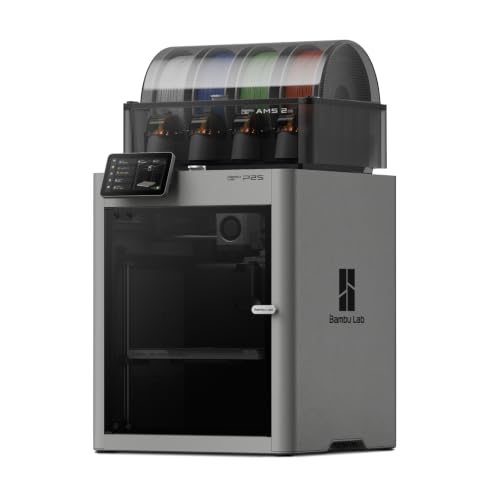
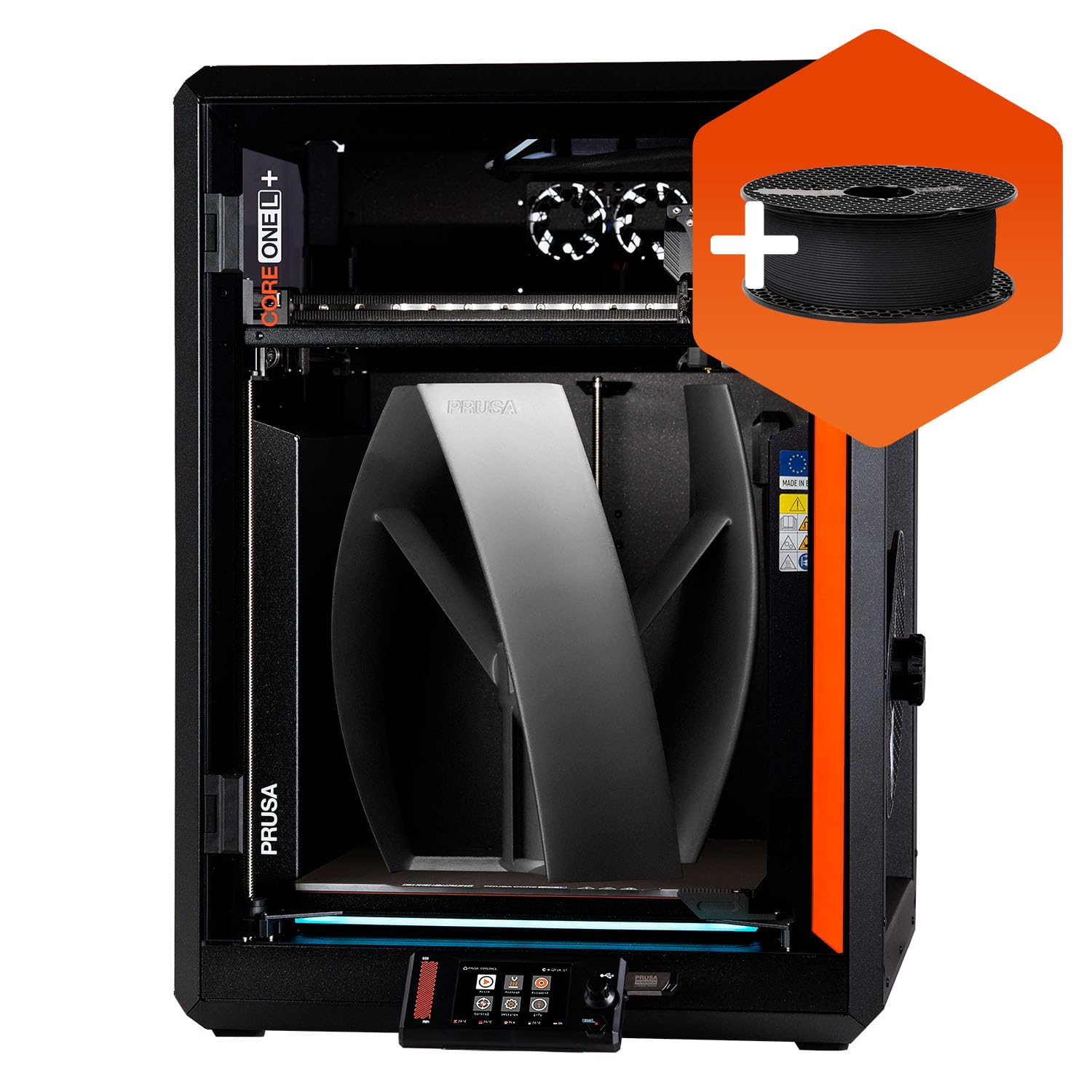
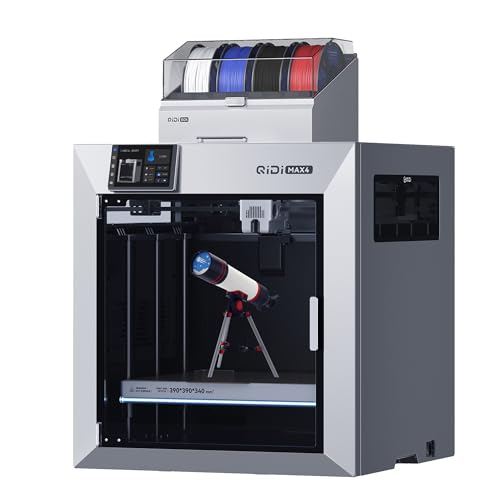
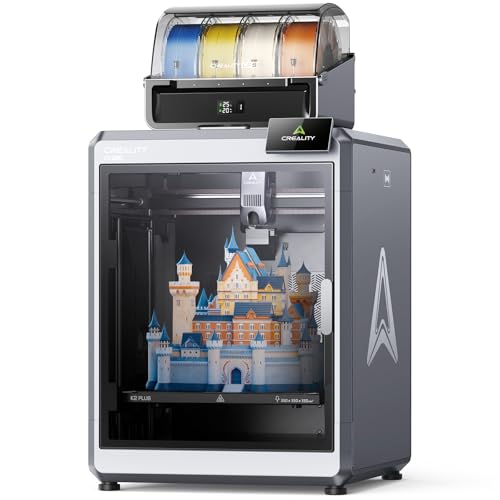


The Basics
Business printing differs from hobby printing because downtime costs money and customers notice inconsistent parts. A business machine should run long jobs unattended, hold tolerances across repeats, and offer service and spare parts you can rely on.
Before you compare models, list the parts you will print, the materials they need, and the volume per week. Those three facts narrow the field faster than any feature list, and they keep the purchase tied to revenue rather than enthusiasm.
Types Compared
There is no single type that suits every home, so start by matching the type to the job you actually need done. Printer types differ in materials, detail, speed, and mess, so match the type to your projects first.
FDM Printers
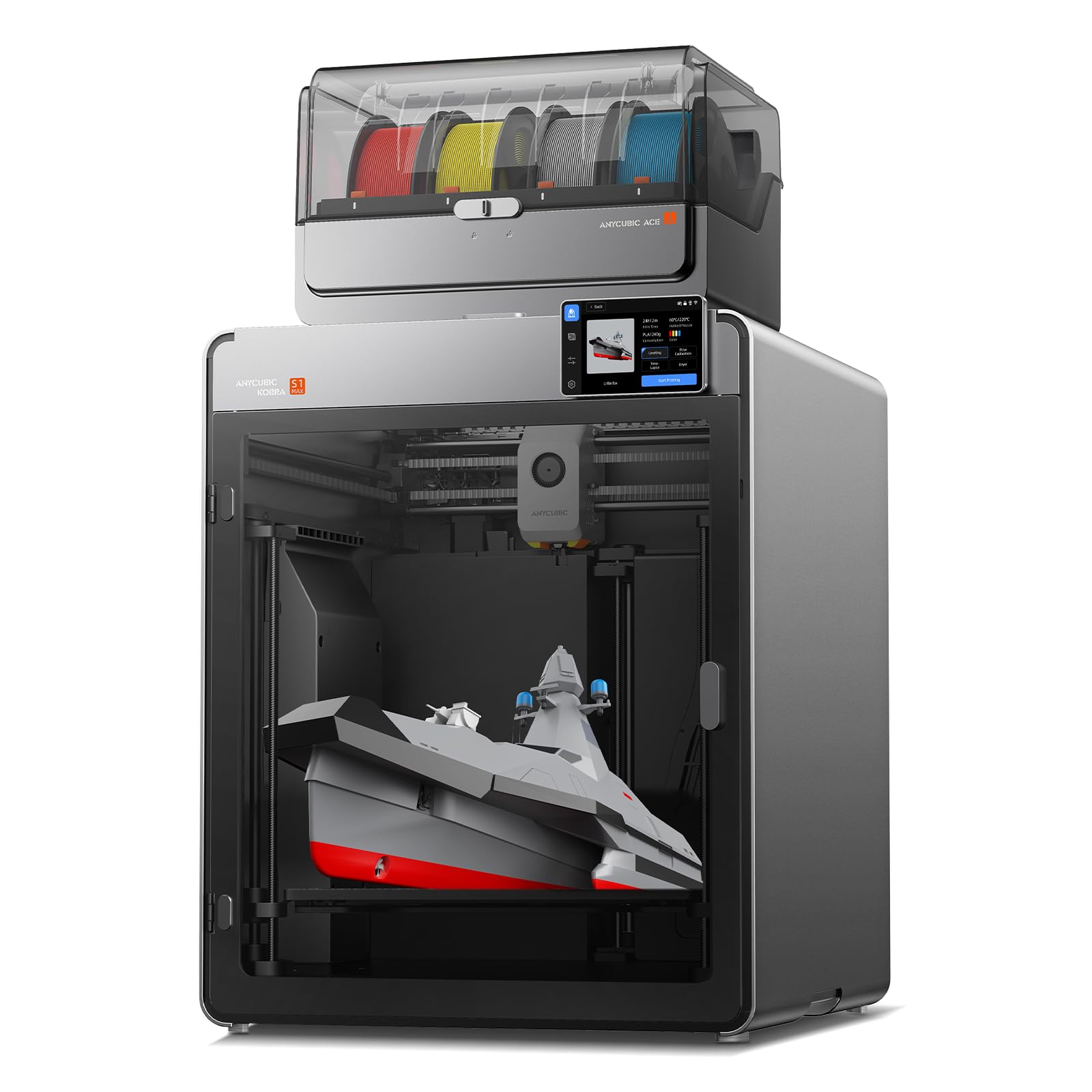
FDM printers melt plastic filament layer by layer, and they suit functional parts, prototypes, and large prints at a modest cost. They are the simplest starting point, but layer lines stay visible and fine detail is limited.
Resin Printers
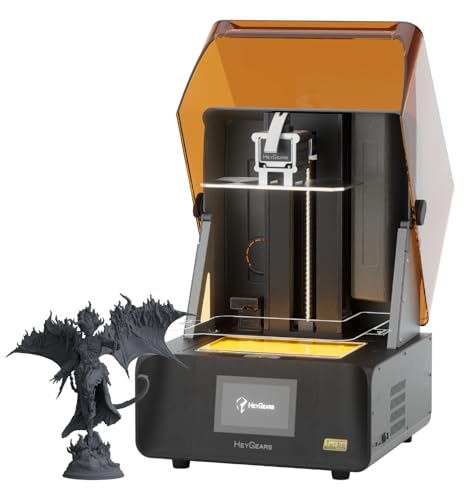
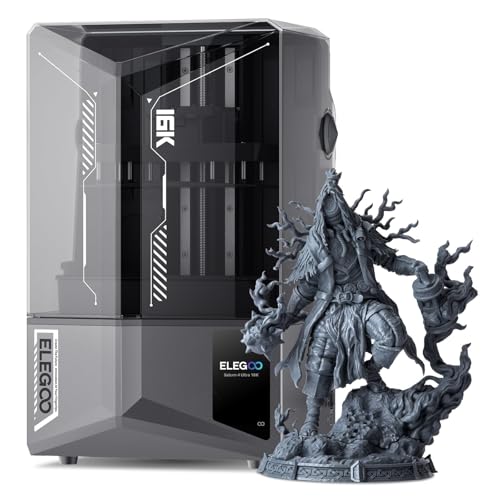
Resin printers cure liquid resin with light, giving superb detail for miniatures, jewellery, and dental models. They need careful handling, gloves, ventilation, and washing and curing steps, so they suit detail lovers who accept extra process.
Large Format and Core XY Printers
Larger and faster designs suit bigger parts and busier workshops, trading a higher price and footprint for build volume and speed. Check that your space, ventilation, and power supply suit the bigger machine before you commit.
Key Features to Compare
Once you know the type, the features below decide how happy you will be after the first month. These features decide print quality, running cost, and how much time you spend fixing failed prints.
Build Volume
Build volume sets the largest part you can print in one piece, and bigger is not always better, because large machines cost more and take more space. List your largest likely part, add a little margin, and choose the smallest volume that covers it.
Materials
PLA is easy and low odour, PETG adds strength and weather resistance, ABS needs ventilation and an enclosure, and resin needs careful handling. Choose a printer that handles the materials your projects actually need, not every material on the market.
Print Quality Controls
Layer height, nozzle size, and bed levelling shape the final surface, and automatic bed levelling saves real frustration for beginners. A smaller nozzle improves detail but slows printing, so match nozzle and layer settings to each project.
Software and Support
Good slicing software, clear profiles, and an active user community shorten the learning curve more than any single hardware feature. Check that spare parts, nozzles, and build plates are easy to buy, because consumables wear out.
Size, Fit, and Compatibility
Measure floor space, ventilation, power supply, and access for maintenance, because a business machine runs longer and hotter than a hobby machine. Check noise levels too, since a printer beside desks distracts staff, while a separate room or enclosure solves the problem. Plan filament or resin storage away from damp and sunlight.
Who Should Buy, and Who Should Wait
The most common business mistake is buying for the largest imagined part instead of the parts you print weekly. Another mistake is ignoring service and spare parts, which matter enormously when a deadline approaches. Finally, do not forget finishing time, because sanding, curing, and assembly often take longer than printing itself.
Budget and Long Term Value
A business printer suits workshops, design studios, dental and jewellery labs, and small manufacturers making prototypes or short runs. It is a weaker investment if printing is occasional or purely experimental, because a print service may cost less. Run the numbers on weekly volume before buying.
Setup and Everyday Care
Business printers range from about $500 to well over $5,000, with enclosed, faster, and multi material machines at the top. Judge cost per part, including material, labour, failed prints, and maintenance, rather than the machine price alone. A reliable machine that rarely fails often beats a cheaper machine that wastes staff time.
Mistakes to Avoid
Keep a maintenance log, replace nozzles and build surfaces on schedule, and store materials as the maker directs. Train at least two staff members on basic fixes, so holidays do not halt production. For resin work, enforce gloves, ventilation, and waste handling rules, and keep safety data sheets accessible.
A Final Check Before You Order
Before you order, revisit the types covered above and match one to your main use. FDM Printers, Resin Printers, and Large Format and Core XY Printers each suit a different routine, so pick the type that fits the job you will do most often, not the type that sounds most impressive. Write down your measurements, your power or connection needs, and your budget ceiling, then compare those notes with the product table above before you commit. If two types both seem plausible, favour the simpler one, because simpler setup usually means faster satisfaction and fewer returns.
Next, run through the features that matter most: Build Volume, Materials, Print Quality Controls, and Software and Support. Score each option briefly on those points, and let the scores guide you rather than a single eye catching specification. A balanced option that scores well across the list usually beats a flashy option that excels in one area and fails in another. Keep your notes beside you while you compare, and do not let a discount rush you past a mismatch in size, power, or compatibility.
Living With Your Choice
In the first weeks, give your new choice a fair trial in your real routine. Use it at normal settings, in your normal room, and with your usual sources, and note anything that annoys you while the return window is still open. Small adjustments to placement, settings, or accessories often fix early disappointments, and a short note of what you changed helps you judge fairly. Resist the urge to judge on the first day alone, because unfamiliar controls and settings always feel awkward at first.
Over the longer term, simple care keeps performance steady. Follow the care notes above, keep accessories and spares together in one place, and revisit the settings after a month, when you know your habits better. A choice that still pleases you after a month is usually a choice worth keeping, while a choice that still frustrates you after fair adjustments deserves a second look. Share what you learned with anyone else who will use it daily, so the whole household gets the benefit.
Related Guides Worth Reading
For a neighbouring use or budget, see our guide to best 3d printers, which compares how that option handles materials, detail, and running costs.
For a neighbouring use or budget, see our guide to best 3d printers for small business, which compares how that option handles materials, detail, and running costs.
For a neighbouring use or budget, see our guide to best hobby 3d printers, which compares how that option handles materials, detail, and running costs.
For a neighbouring use or budget, see our guide to best business printers, which compares how that option handles materials, detail, and running costs.
For a neighbouring use or budget, see our guide to best 3d printers to start a business, which compares how that option handles materials, detail, and running costs.
Frequently Asked Questions
Should a business buy FDM or resin?
FDM suits functional parts, jigs, and large prototypes at low cost, while resin suits fine detail for jewellery, dental, and miniatures. Many businesses eventually use both, but start with the type that covers your most common paid work. Material needs and finishing time should decide, not novelty, and keep this point in mind for your own space, budget, and daily routine before you order.
How do I estimate cost per part?
Add material cost, machine time, labour for setup and finishing, failed print allowance, and maintenance, then divide by good parts produced. Track these numbers for a month to get a realistic figure. If the cost per part exceeds a print service quote, outsourcing may suit low volumes better, and keep this point in mind for your own space, budget, and daily routine before you order.
Can a 3D printer replace injection moulding?
For prototypes and short runs it often can, but for thousands of identical parts injection moulding is usually cheaper and more consistent. Use 3D printing to validate designs, then move to moulding when volume justifies the tooling cost. The two methods complement each other, and keep this point in mind for your own space, budget, and daily routine before you order.
What reliability features matter most?
Enclosed builds, automatic bed levelling, filament sensors, power loss recovery, and easy service access matter most for business use. A machine that pauses cleanly on a fault saves a long print, while good support and spare parts keep downtime short. Ask other business users before you buy, and keep this point in mind for your own space, budget, and daily routine before you order.
Do I need ventilation for a business printer?
Yes for resin and ABS, and good practice for any printer in a busy room, because fumes and fine particles deserve control. An enclosure with extraction, or a well ventilated separate room, protects staff and improves print quality. Follow maker guidance and local workplace rules, and keep this point in mind for your own space, budget, and daily routine before you order.
Final Thoughts
The best printer is the one that matches your projects, your space, and your patience for setup and finishing.
Compare the types above, check the product table above, and choose best 3d printers for business that you will actually use week after week.


