Best 3D Film Cameras for 2026: Matching the Right Model to Your Routine
Disclosure: We may earn a commission when you buy through links on this page, at no extra cost to you. As an Amazon Associate I earn from qualifying purchases. Learn more
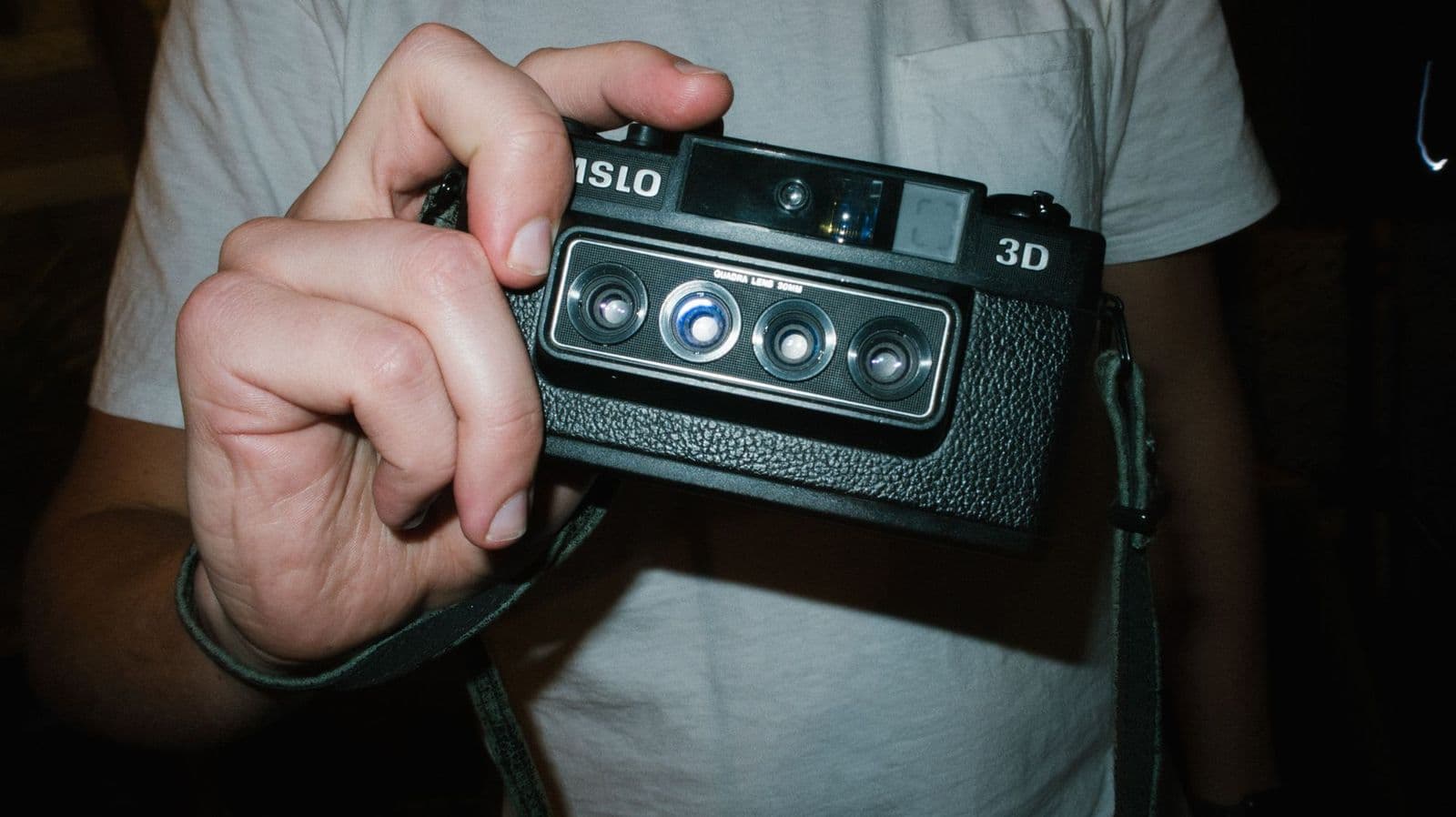
The best 3d film cameras pair matched lenses with a format you can view or scan. Match the camera to your viewing route.
There is no single stereo camera that suits every shooter, because the right choice depends on how you plan to view the finished pairs. The best 3d film cameras pair two matched lenses with a format your viewer, projector or scanner can actually use. Start from that output, then work back from there.
This guide follows that order. It groups buyers by viewing route and explains the few specs that change depth and sharpness. If you already shoot ordinary film, see our guide to the best film photography cameras; the habits transfer, but stereo adds alignment and pairing rules a normal camera never asks of you.
Who Should Buy Which 3D Film Cameras?
Choose by the way you will look at your pictures a month from now. A body that suits mounted slides can frustrate a scan first workflow, and a fixed focus body suits bright travel scenes better than indoor ones.
Slide Shooters Who View Pairs in a Hand Viewer or Projector
You shoot color slide film and want pairs you can hold to the light or project for friends. Prioritize the common slide stereo format, clean matched lenses and a shutter that fires evenly on both sides. Ask sellers about mounting supplies before you buy, because every roll still ends with cutting and mounting each pair in order.
Hobbyists Who Scan Film Pairs to Share on Screen
You plan to develop, scan both frames and view pairs on a screen or in a headset. Prioritize frame spacing that your scanner holder can handle and even exposure across both frames. A body with a standard advance pattern makes pairing files far simpler, because matching left and right images by eye across a roll invites swapped pairs.
Slow Landscape and Travel Shooters Who Compose on a Tripod
You shoot still scenes, give yourself time to compose and often work in good light. Prioritize a wider stereo base for stronger depth in distant scenes and clear scale focus markings. Simpler exposure controls suit you, because you can meter once with a phone app and set both lenses the same way.
Key Features to Compare
Compare these five points in order. Format decides your viewing route, lens spacing decides depth, and condition decides whether the camera works at all.
Stereo Format and How Many Pairs Fit on One Roll
Each stereo format divides a roll differently, and the pattern decides how many pairs you get and what holder they fit. Formats using most of a full 35 mm frame per eye give large pairs but fewer shots, often about 16 to 18 pairs from a 36 exposure roll. Narrower formats fit more pairs, about 29 in the five perforation pattern, but they need matching mounts and viewers. Pick the format your viewing gear already supports.
Lens Separation and How Strong the Depth Feels
The distance between the two lenses, often called the stereo base, shapes how strong the depth feels. A base near human eye spacing, about 60 to 70 mm, tends to look natural for people and rooms. Wider bases stretch depth in landscapes, but they can make close subjects hard to fuse into one view. Narrower bases keep near subjects comfortable, yet distant scenes can look flat.
Focus and Exposure Control Across Both Lenses
Some stereo bodies use fixed focus, some use scale focus you set by distance, and a few link both lenses to one control. Linked controls matter, because a pair fails when one side is sharp or bright and the other is not. Manual exposure with clear shutter and aperture scales gives you full control in tricky light. A built in meter helps only if it still reads correctly, so test it against a phone meter app first.
Matched Lenses and Alignment Between the Two Frames
The two lenses must agree on focus, aperture and aim, or your eyes will fight the pair every time you view it. Small tilts show up as vertical mismatch, which strains your eyes faster than slight softness does. Ask for a sample pair shot in bright light at a middle aperture, and check that straight lines sit at the same height in both frames. Clean glass matters on both sides, and fungus or haze in one lens alone is a reason to walk away.
Condition, Light Seals and Service Options for Older Bodies
Most stereo film bodies are decades old, so condition can matter more than the name on the front. Check light seals and the film door for leaks, fire every shutter speed, and listen for slow or sticky speeds. Parts and service exist for the better known designs, but a rare body with a broken advance can sit for months, so favor common designs with signs of recent use.
Dedicated Stereo Bodies, Beam Splitters and Twin Rigs
A dedicated stereo body carries two matched lenses and one shared film path, so pairing and spacing stay consistent. This is the route most buyers mean when they compare best 3d film cameras for regular use, and it suits anyone who shoots stereo every month.
A beam splitter fits on a single lens camera and divides one frame into left and right views. It costs less and lets you keep a camera you know, but the narrower base and split frame reduce image size, and bright point lights can flare. If you still need that film body, see our guide to the best cameras with film.
A twin rig mounts two separate cameras and fires them together. It lets you choose lenses and film stocks per side, but sync and alignment take patience and the kit is bulky. If you want stereo without film costs at all, see our guide to the best 3d cameras for digital options.
Common Mistakes to Avoid
Each of these errors can spoil a whole roll before you see a single pair.
- Buying a format your viewer, mounts or scanner cannot hold leaves finished pairs with no easy way to enjoy them.
- Setting the two lenses differently makes one frame softer or brighter than its mate, so the pair never fuses comfortably.
- Judging a vintage body by its looks alone can hide slow shutters and tired light seals that streak your film with leaks.
- Loading pricey slide film for a first test wastes money when a cheap roll would reveal spacing and advance faults.
- Holding the camera at a tilt sends straight lines to different heights in each frame and strains your eyes at viewing time.
- Shooting close subjects with a wide base body pushes depth past what your eyes can fuse, so portraits look broken.
Care and Maintenance for Stereo Film Cameras
Clean both lenses with a soft lens cloth, never your shirt, because grit in fabric can mark coatings that are hard to replace. Use a blower first for dust, keep fingers off the glass, and cap the lenses in the bag. A scratch on one side only will draw your eye in every pair, even when small edge marks matter little.
Store the camera dry in a padded bag, away from car heat, and take it out monthly to fire the shutter at each speed. Replace crumbling light seals before they shed foam into the film path. If your model uses a small cell only for its meter, carry a spare and remove a weak cell before storage, because leaks can corrode contacts while the camera sits.
Frequently Asked Questions
How much should I spend on a first 3D film camera?
Most first time buyers should plan on about $100 to $400 for a working dedicated stereo body, plus the cost of a test roll and processing. Beam splitter attachments can cost under $100 and suit a trial month. Serviced bodies cost more, but that premium often beats repair bills later. Keep budget aside for mounts, a viewer or scanning, because the camera alone does not finish the workflow.
Which type of 3D film camera works best in low light?
A dedicated body with the widest matched apertures works best in low light, especially around f/2.8 to f/3.5, paired with ISO 400 film. Clear distance scales help too, because low light punishes focus guesses. Use a tripod when shutter speeds fall below about 1/60, because camera shake doubles in a pair and shows in both frames at once.
Is a smartphone enough instead of a 3D film camera?
A smartphone is enough for casual depth effects, but it does not record two true viewpoints on film at the same instant unless you add a special attachment. The shift method, where you move the phone between two shots, works only for still scenes, because anything that moves breaks the pair. If you want physical pictures with no processing wait, see our guide to the best instant film cameras, though those prints are single views, not stereo pairs.
What specs matter most for beginners choosing a 3D film camera?
Start with film availability, an advance that spaces frames evenly and a viewing route you can afford today. Those matter more than a famous name or a rare feature. Choose standard 35 mm stock, because labs and sellers support it everywhere. One beginner point the main sections skip: ask the lab to return your roll uncut, because cutting services may separate pairs that you need to mount or scan in order.
Can I view 3D film pairs without a special viewer?
Yes, you can view small pairs without a viewer by using free viewing, where you relax your eyes to merge two prints or frames placed side by side. It takes practice and works best with small images about 3 to 4 inches wide in total. Scanned pairs can also become anaglyph images for cheap color filter glasses, trading true color for easy screen sharing.
Wrapping Up
Decide your viewing route first, then match format, lens spacing and condition to that route. A sound, ordinary stereo body you use often will teach you more than a rare body you fear to carry.
When you compare best 3d film cameras with your viewing route in mind, the right choice is usually clear. Load a test roll, note your settings, and let the first finished pair tell you what to adjust.