Best 36 Inch Electric Ranges (2026): Types Compared and Buying Guide
Disclosure: We may earn a commission when you buy through links on this page, at no extra cost to you. As an Amazon Associate I earn from qualifying purchases. Learn more

A practical guide to the best 36 inch electric range: slide in, freestanding, and induction styles, plus cutout fit, wiring, and cookware.
Picture a holiday dinner in a family kitchen. Two pots are simmering, a tray of vegetables needs the oven, and someone is trying to warm sauce in the only free corner of a crowded 30 inch cooktop. That tight squeeze is why many households step up to a best 36 inch electric range when they remodel or replace an older unit.
This guide helps you choose by space, household size, and budget. We compare the main configurations, explain the measurements that decide fit, and flag costs after delivery. For a broader look at widths and fuel types, see our guide to the best electric range, then use the comparison table below.
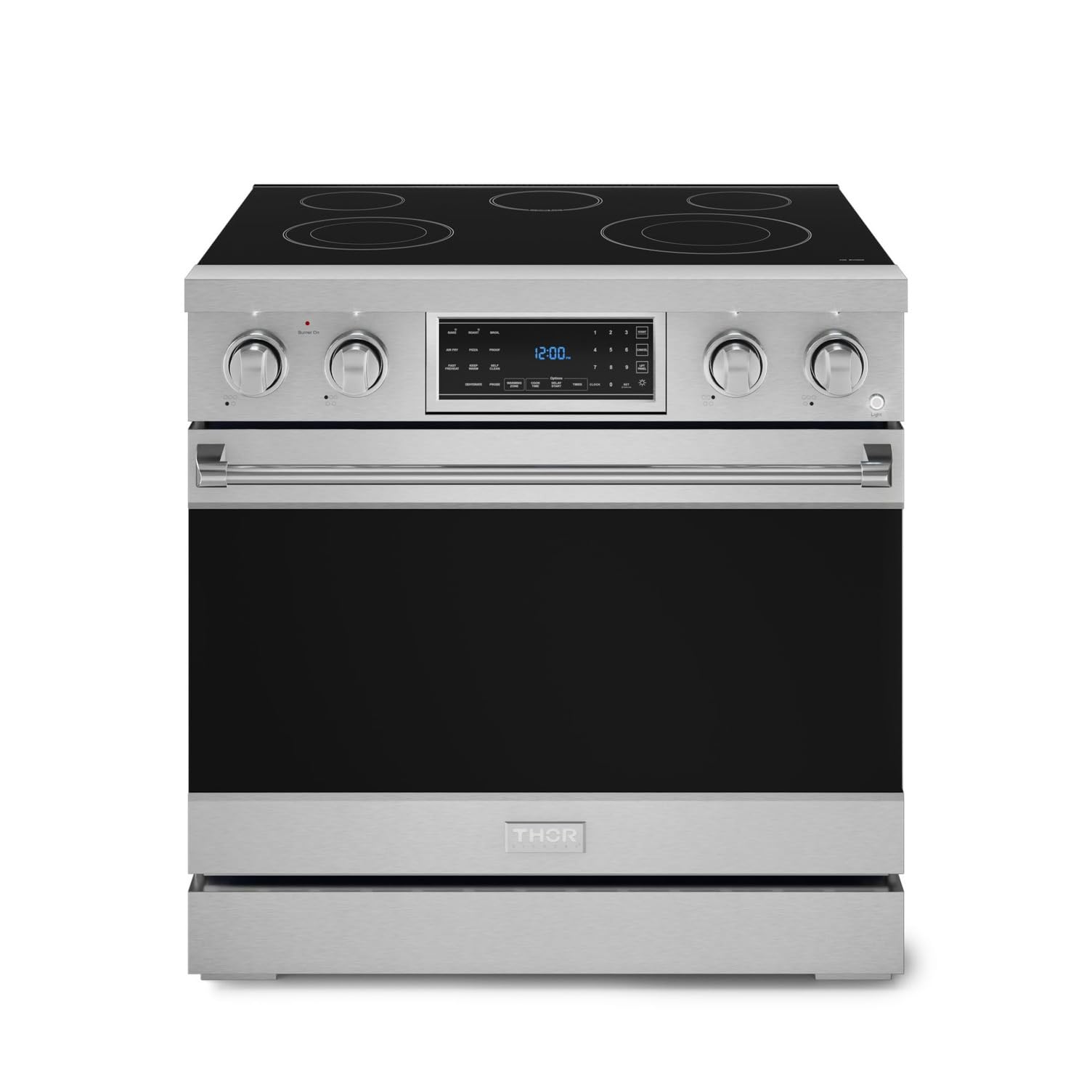
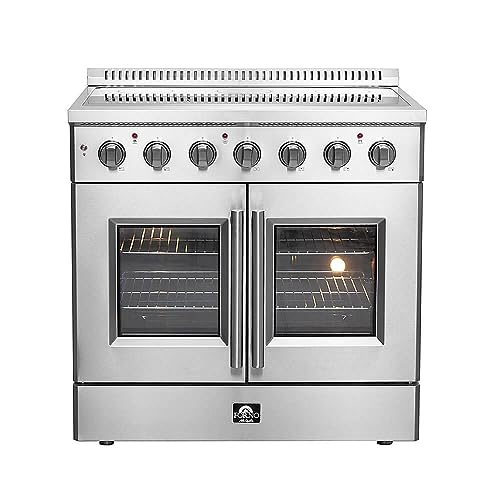


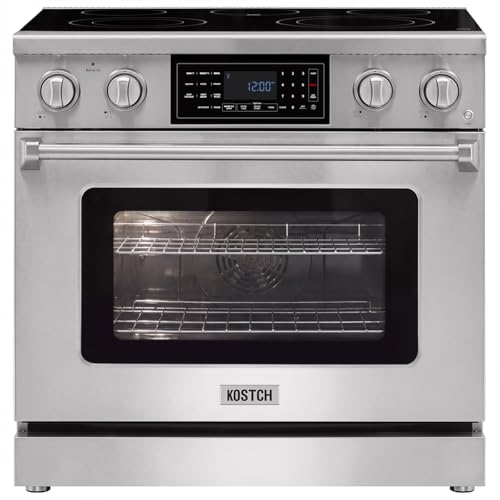
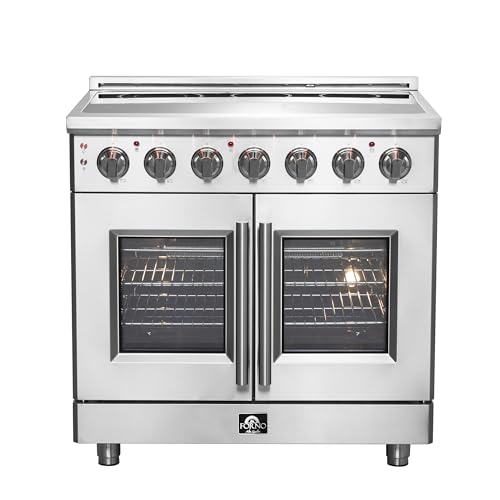
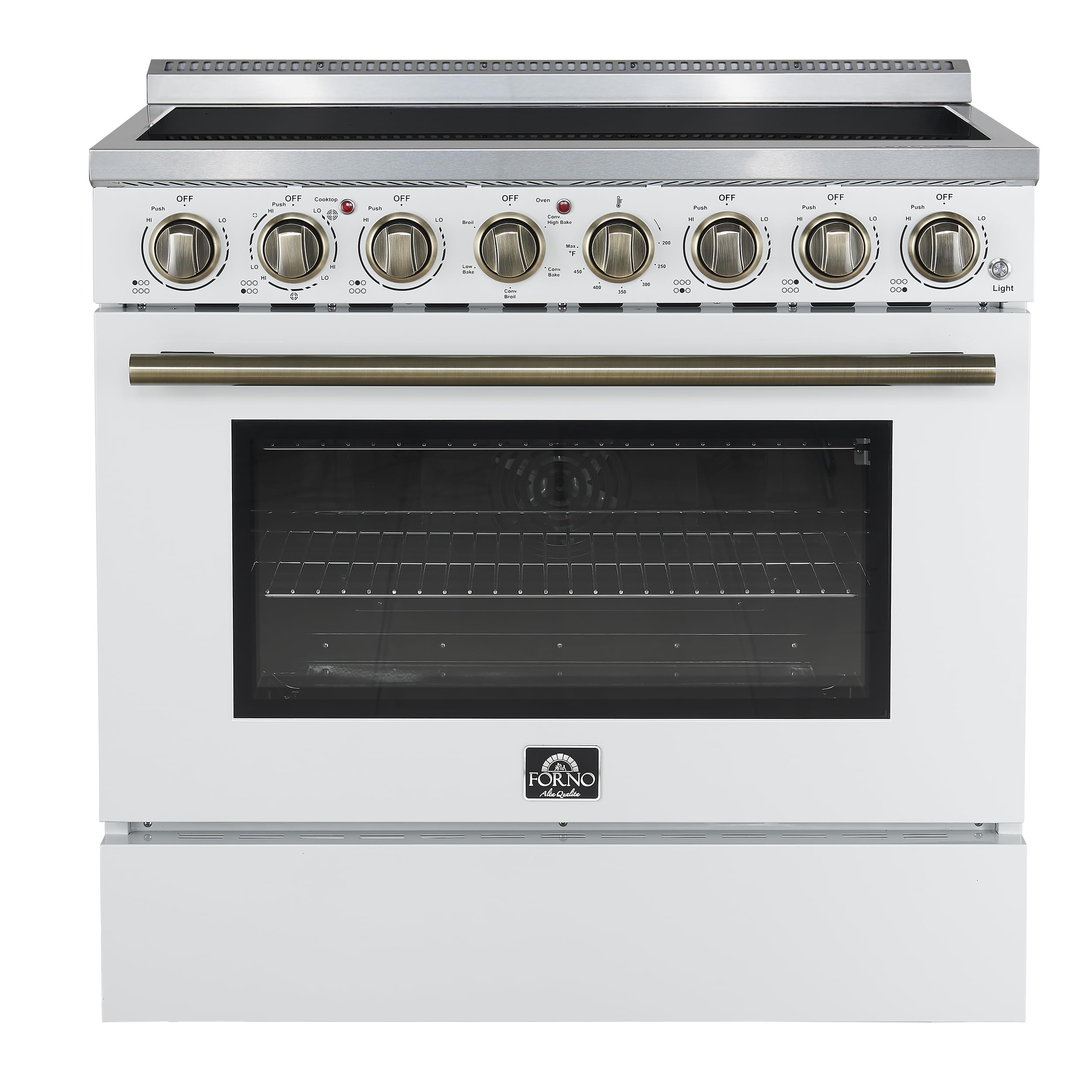
Quick Answer: Three Configurations in Brief
Most buyers land on one of three setups. A slide in radiant model suits most homes, pairing a smooth glass surface with front controls. A freestanding radiant model suits simpler replacement jobs, since its finished sides forgive small gaps. An induction model suits cooks who want fast heating and precise simmering.
Before You Buy: A Quick Checklist for Choosing an Electric Range
Size: Match It to Your Space
Ranges come in 20 inch, 24 inch, 30 inch, and 36 inch widths, and the right one is the width your cabinetry was built to hold. A 36 inch unit gives you a wider cooktop and a larger oven than the standard 30 inch size, which helps with wide pans and large sheet trays. It is not a simple swap into a 30 inch opening, because the cutout, countertop edges, and filler strips all change. Treat width as a fixed starting point set by your kitchen.
Which Type Fits Your Routine
Slide in models place controls at the front and sit flush between cabinets, while freestanding models have controls on a back panel and finished sides that can stand alone. Our comparison of slide in vs freestanding range layouts explains how each style changes your backsplash and countertop lines. If you prefer controls you can reach without leaning over hot pans, start with our guide to the best slide in electric range. Smooth top and coil designs differ too, with smooth tops looking neater and coil elements costing less to replace.
Features Worth Paying For and Ones to Skip
Convection is worth paying for if you bake often, because the fan moves hot air around the oven and helps trays brown more evenly on different racks. A double oven layout helps households that cook two dishes at two temperatures, and a warming drawer can hold finished food while dinner catches up. A griddle covering two burners suits weekend pancakes. WiFi controls, by contrast, rarely change how dinner turns out, so skip paying extra for app features unless you truly use remote preheating.
Measurements and Compatibility With Your Setup
Measure the cutout width at the front and back, the depth from the wall to the front of the cabinets, and the height from floor to countertop. Then confirm your home has a 240 volt outlet on a dedicated circuit with the amperage the manufacturer specifies, because a 36 inch range draws more power than a small apartment model. Check door swing and handle depth too, since a large oven door needs clear space in front. Finally, confirm whether the power cord is included or sold separately, because many ranges ship without one.
Certifications and Safety Marks
Look for a listing mark from a recognized testing laboratory, such as UL or ETL, which shows the model was evaluated against United States safety standards for household cooking appliances. That mark matters more than marketing badges borrowed from other product categories, which do not apply to a home range. Also confirm the unit includes an anti tip bracket and plan to install it, because a loaded oven door can shift the balance of the appliance when a child leans on it.
Professional Installation Versus Doing It Yourself
Plugging in a cord and leveling the legs sounds simple, but the work also involves fitting the anti tip bracket, checking the outlet type, and sometimes updating a breaker or receptacle. A licensed electrician or appliance installer is the safer choice when wiring changes are needed, and our breakdown of electric range installation cost explains what those visits typically include. Budget for delivery, installation, and removal of the old unit as separate items. Place the unit yourself only when the existing outlet already matches and no electrical work is required.
Realistic Budget Ranges
Most 36 inch radiant models fall at about $1,200 to $2,500, and at that level you can expect a smooth glass cooktop, convection in many ovens, and a stainless steel finish. Induction versions usually run about $2,500 to $4,500, reflecting the more complex cooktop electronics. Models under $1,200 in this width are uncommon, so a very low price deserves extra checking of oven capacity and warranty length. Add the cord, installation, and any cabinet work to the appliance price before comparing totals.
Three Configurations Compared: Which Style Deserves Your Money
Slide In Radiant Models for Most Homes
This is the configuration most households should price first. The smooth glass cooktop wipes down easily, front controls keep you from reaching across hot burners, and the front edge overlaps the countertop slightly to reduce crumbs falling into side gaps. The oven fits a large roasting pan and two racks of cookies with room to spare. The tradeoff is that the glass surface needs care with heavy cast iron and sugary spills, and the styling assumes cabinets on both sides. For a family cooking most nights, this balance is hard to beat.
Freestanding Radiant Models for Simpler Replacement
Choose this style when you are replacing a freestanding unit and want the least cabinet work. Finished sides mean small gaps look intentional, and the back panel protects the wall behind the cooktop from splashes. Controls on that back panel keep them away from small children, although shorter cooks may find reaching them over steaming pots less comfortable. Oven capacity matches slide in versions at this width, and prices often sit a little lower for comparable features.
Induction Models for Speed and Control
Induction cooktops heat the pan itself through a magnetic field, so water boils quickly and a low simmer holds steady without the lag of a radiant element cycling on and off. The surface around the pan stays relatively cool, which makes wiping up a boil over more practical. Our explainer on induction vs electric range cooking covers how the technology differs from radiant heat. The tradeoffs are cookware and price, because pans must be magnetic and this style costs the most. Test your favorite pans with a kitchen magnet before you commit.
Our Selection Process for Comparing These Ranges
We compared configurations using five criteria that matter in daily ownership: installation and compatibility, build quality and finish, cooking features, safety certifications, and warranty coverage. The information comes from manufacturer specification sheets and manuals, plus patterns in verified buyer feedback about fit problems and service experiences. We did not run hands on tests for this guide, so each style is judged on how well its strengths match a clear household need.
Is a 36 Inch Electric Range the Right Size for You?
Start with how you cook on your busiest nights. If you regularly run three or four pans at once, bake in wide trays, or host extended family meals, the extra cooktop area and oven width solve a real problem. A household of one or two people who mostly cook simple meals may never use that space, and a 30 inch model would leave more cabinet storage and cost less to buy and install.
Think about your pans as well as your people. Wide stockpots, oval roasters, and large griddles fit here without crowding neighboring burners, and big sheet trays sit flat in the oven. If your current range forces you to cook in batches or juggle pans off the heat, the larger size earns its footprint and price.
Common Mistakes to Avoid
- Ordering by nominal width alone: a range sold as 36 inches wide can still fail to fit if the cutout or side clearances differ, leaving you paying for return delivery.
- Assuming the old outlet will work: a different plug pattern or breaker size can stall installation day and add an unplanned electrician visit.
- Paying for a double oven you will not use: splitting the cavity can make each oven too short for a tall roaster.
- Dragging cast iron across a glass cooktop: sliding heavy pans can scratch the surface and turn a cosmetic flaw into a costly replacement.
- Skipping the anti tip bracket: leaving it in the box removes a basic safeguard against the range tipping forward.
Cost of Ownership and Care
Running costs are mostly electricity, and a larger oven uses more energy to preheat for a small meal, so use the smallest oven section your model offers when it has one. Expect occasional spending on a replacement element, a cleaner made for glass ceramic surfaces, and a new oven gasket when the seal wears. Wipe spills once the surface has cooled. For step by step methods, follow our guide on how to clean an electric range.
Your Questions, Answered
What is the most reliable electric range brand?
Reliability depends more on the specific model line and local service support than on a badge alone. Check that authorized service and common parts are available in your area, read the warranty terms for the cooktop and controls, and look for repeated complaints about the same failure across many owners. Registering your purchase also makes any warranty claim far smoother later.
How do you clean an electric range?
Wait until the surface indicator shows the glass has cooled, then lift loose debris with a soft cloth. For burnt sugar or melted plastic, hold a purpose made scraper at a low angle and work slowly, because digging straight down can gouge the surface. Finish with a cleaner made for glass ceramic cooktops. Inside the oven, remove the racks before a self cleaning cycle so the high heat does not discolor their finish.
Is an electric range worth it?
It is worth it when your home already has a suitable high voltage outlet, because you avoid the cost of running a gas line and gain a flat cooktop that is simple to wipe down. Electric models also pair well with solar panels or all electric home upgrades. The value case weakens if your kitchen needs major electrical upgrades first, since that project cost can exceed the price gap between the range styles you are considering.
How long does an electric range last?
Many electric ranges stay in service for well over a decade with normal home use, and the parts most likely to need attention first are heating elements, gaskets, and electronic controls. You can support a longer life by avoiding slamming the oven door, keeping liquids out of the control panel, and fixing a damaged cord promptly. When a repair estimate approaches half the cost of a new unit, replacement usually makes better sense.
What size electric range do I need?
Match the range to the number of pans you use at the same time during your biggest regular meal, not a once a year feast. Count those pans, measure the two largest, and check that they can sit on separate burners without hanging over the edge. Also measure your widest baking tray, because oven interior width, not outside cabinet width, decides whether that tray fits inside.
What is the best 36 inch electric range?
The right answer is the configuration that fits your verified cutout and circuit, matches your cookware, and gives you the oven layout you will use weekly. For most homes that points to a slide in radiant model, while cooks who value speed and own magnetic pans get more from induction. Prioritize confirmed fit and service support over one extra cooking mode, because a range you cannot install or repair easily is never a good purchase.
Final Thoughts
A wider range should make family cooking calmer, not turn installation into a surprise. Confirm your cutout, circuit, and cookware first, then choose between radiant slide in, freestanding, and induction styles based on how you cook each week. When those basics line up, the best 36 inch electric range for your home becomes an easy call. Look back at the product table above to compare configurations before you order.