Best 35 mm cameras in 2026: Everything to Know Before Your First Purchase
Disclosure: We may earn a commission when you buy through links on this page, at no extra cost to you. As an Amazon Associate I earn from qualifying purchases. Learn more

Learn how 35 mm cameras work, compare film and digital options, sensor and lens choices, and avoid common first purchase mistakes with confidence.
Buying your first camera can feel confusing because one name covers film models, digital models and compact models with very different costs and controls. The best 35 mm cameras share one frame size idea, but they suit different ways of learning and shooting. This guide explains the basics in plain language and helps you use the comparison table below with confidence.
You will learn what the 35 mm name means, which specs change your photos, and which extras you can skip at first. Start with how you plan to shoot, such as family days, travel, portraits or learning film, and let that plan guide each choice below.


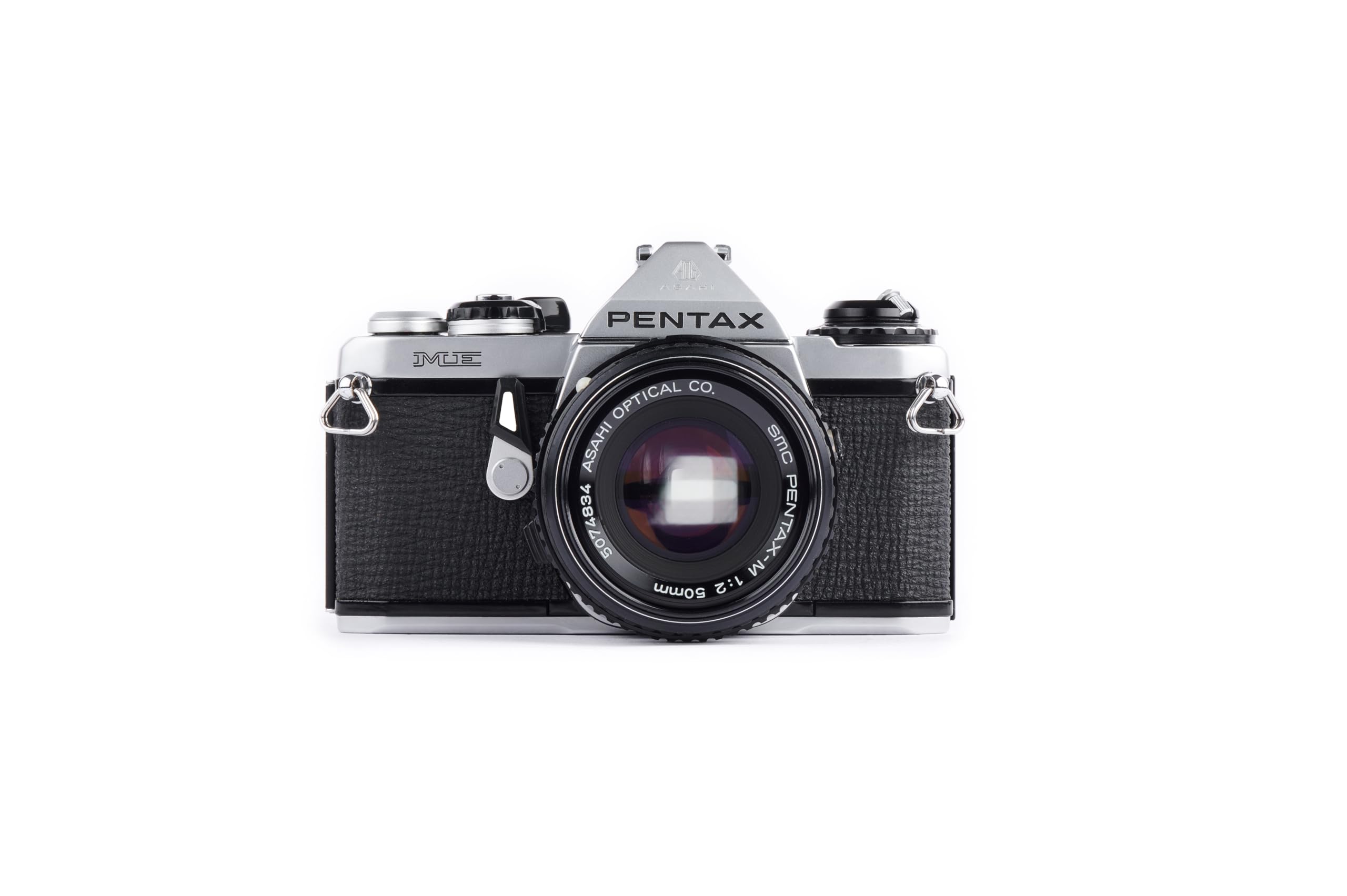

35 mm Cameras 101: The Basics
A 35 mm camera takes its name from the width of traditional film, and its standard frame measures about 36 by 24 mm. Digital full frame sensors copy that same frame size, so lenses give the field of view that photographers have used for decades. Crop sensor models use a smaller area of the image circle, which makes a lens act longer than its printed focal length.
You can choose film if you enjoy a slow pace, printed negatives and a simple set of controls, or digital if you want instant review and easy sharing. When you compare the best 35 mm cameras, first decide that format question, because it changes cost, lens choice and daily routine. If film appeals to you, see our guide to the best 35 mm film cameras for format specific points.
The Specs That Matter on a 35 mm Camera
Read each spec as a choice about your photos and your budget, not as a contest for the largest number.
Full Frame Sensors and Picture Detail on 35 mm Bodies
Sensor size shapes detail, low light results and depth of field more than megapixel count alone. A full frame sensor gathers more light than a smaller sensor, which helps in dim rooms and gives smoother tones. A 1 inch sensor suits compact travel models, while an APS C sensor sits between and balances size and quality. More megapixels help with large prints and cropping, but lens quality and steady handling often matter more for a first camera.
Durability and Weather Sealing
Weather sealing uses gaskets around doors, dials and lens mounts to keep out dust and light rain, and a weatherproof body rating tells you the limits the maker claims. Sealing helps at beaches, on trails and during sudden showers, but it does not make a standard camera safe for swimming. Check that the lens is sealed too, because an open mount or a plain lens can let moisture reach the sensor.
Ease of Use for Your Skill Level
Good first cameras explain themselves through clear menus, a useful auto mode and controls you can reach without looking down. Scene modes and guided displays help while you learn exposure, and you can move to aperture priority or manual mode as your confidence grows. App transfer by WiFi or Bluetooth makes sharing simple for digital models. If sharing and learning speed matter most, see our guide to the best digital cameras for a wider view of current formats.
Size, Weight, and Ergonomics
A camera you carry often takes more photos than a heavier model left at home, so size and grip deserve real attention. Compact bodies suit travel and daily carry, while larger bodies give you a deeper grip, more dials and better balance with long lenses. Hold your short list in store if you can, and test the shutter button, dials and menu with one hand. Weight figures should include the lens and battery, because that full load is what your neck and hands feel.
Autofocus and Stabilization
Autofocus speed and tracking decide how many moving subjects stay sharp, and face detection with eye focus helps portraits stay crisp even at wide apertures. Image stabilization in the body or lens reduces blur from small hand movements, which is most valuable in low light and at longer focal lengths. For video, smooth continuous focus matters more than raw speed. Optical zoom on compact models changes focal length without cropping, so detail holds up better than digital zoom.
Choosing a 35 mm Camera for Specific Needs
Your budget, your subjects and where you shoot should narrow the field before brand names enter the discussion.
Choosing a 35 mm Camera for Under $400
At under $400, expect strong value from used digital bodies, entry film bodies in good condition and capable compact models with a fixed lens. Put your money toward a clean sensor or a film body in working order, a standard lens and a fresh battery before accessories. Room in the budget for film, development or a memory card matters, and buyers who want a simple start can see our guide to the best starter cameras.
Underwater 35 mm Cameras for Swimming and Diving
Underwater use needs a true depth rating, strong seals and controls you can press while wearing gloves, not simple splash resistance. A dedicated housing can protect a digital or film body, while a purpose built underwater model is simpler to rinse and carry. Salt water demands a fresh water rinse after each outing, and large buttons help when your hands are cold. Check the depth limit against your deepest planned dive with a clear margin.
Crop Sensor 35 mm Cameras and Lens Reach
Crop sensor models use an APS C or smaller sensor, so a given lens frames a tighter view than it would on a full frame body. That extra reach helps sports and wildlife on a budget, and the bodies and lenses often cost and weigh less. The trade off is less control over depth of field and weaker low light results at the same settings. Photographers planning to grow can see our guide to the best cameras for photography.
Rookie Mistakes to Avoid
These errors cost first time buyers money or photos, and each one is easy to prevent.
- Buying on megapixel count alone leads to a camera whose lens quality and handling disappoint you every day.
- Spending your whole budget on the body leaves no money for a lens, battery and card, so the camera sits unused at home.
- Buying a film camera before pricing film and development turns every outing into a surprise expense.
- Ordering the heaviest body for daily travel makes you leave it at home on walks that matter most.
- Skipping the return terms on a used body can leave you paying for shutter repairs or worn light seals.
Loading Film and Shooting Your First Roll
Start by charging the battery fully, setting the date and choosing your file quality or loading film in shade, away from direct sun. Fit the strap, format a new memory card in the camera for digital models, and take test frames at home to learn the dials. Carry a spare battery on longer outings, because a flat battery ends a shoot faster than any spec limit.
Care is simple and keeps a camera ready for years. Wipe the objective lens and the viewfinder with a clean lens cloth, never your shirt, because fabric grit can scratch coatings. Keep the body in a dry bag or case, remove batteries during long storage, and have film bodies checked for worn light seals when leaks appear on scans. Store lenses with caps on and away from damp rooms.
35 mm Cameras: Your Questions Answered
How much should you spend on your first 35 mm camera?
Most first time buyers do well with a total budget of about $150 to $400, including the lens and basic supplies. Keep roughly a quarter of that total aside for film, development, a card and a case, because those items decide how soon you can shoot. A used body from a seller with clear return terms protects that budget better than the cheapest listing you can find.
Which 35 mm camera type works better in low light?
A full frame digital camera usually works better in low light than a crop sensor or compact model. Its larger sensor holds cleaner detail at high sensitivity settings, and a fast prime lens with a wide aperture adds another clear gain. For film, choose a faster film stock and a tripod for still subjects, because raising sensitivity on film means changing the roll rather than a dial.
What does a 35 mm focal length mean on a camera lens?
A 35 mm focal length gives a moderately wide view that suits street scenes, travel and everyday family photos. It shows more of a room than a 50 mm lens while keeping faces natural near the center of the frame. On a crop sensor body that same lens frames tighter, closer to a standard view, so many owners pair it with a wider lens for interiors.
Is a smartphone enough instead of a 35 mm camera?
A smartphone is enough for quick sharing, but a dedicated camera gives you stronger control, better lenses and more consistent results in dim light. You gain a real viewfinder, direct dials and larger files that hold up to printing and cropping. Many beginners keep both, using the phone for daily snaps and the camera for trips and portraits where quality matters most.
What specs matter most for beginners buying a 35 mm camera?
For beginners, lens choice, sensor or film condition and simple controls matter more than the longest spec list. A standard zoom or a single prime lens teaches composition fast, and 4K video only matters if you plan to film often. Mirrorless cameras add silent shooting and clear electronic viewfinders, which can make learning exposure easier because you preview brightness before each frame.
Wrapping Up
Choose your format first, then weigh sensor size, lens options and handling against the way you shoot each week. A modest body with the right lens and a small reserve for supplies will serve a first time buyer better than a costly body bought on numbers alone. Use the product table above to compare size, kit options and price with those points in mind.
With that short list settled, the best 35 mm cameras become easy to spot, because each remaining option fits your budget, your hands and your subjects. Pick the camera you will carry most often, and start shooting.