Best 35 mm Film Cameras: A First Time Buyer Guide for 2026
Disclosure: We may earn a commission when you buy through links on this page, at no extra cost to you. As an Amazon Associate I earn from qualifying purchases. Learn more

The best 35 mm film cameras for beginners: pick automatic or manual, check used condition, and budget for film and developing.
Buying your first film camera is simpler than the listings make it look, because the format does most of the deciding for you. The best 35 mm film cameras for a beginner are not rare or exotic models; they are ordinary, working examples of the most common film format ever made, the one with the widest choice of film and the most labs still happy to process it. Start there and the rest of the decision gets small.
Two honest facts shape everything in this guide. The camera itself is the small cost, while film and developing are the bills that keep arriving, roll after roll. And film slows you down in a way phones never do, because you will not see a single frame until days after you take it. The product table shows the picks in general; the sections after it explain what to check before any camera earns your money.


35 mm Film Camera Basics in Plain English
The name is literal: 35 mm film is a strip of light sensitive material about 35 millimetres wide, sold in a metal canister that gives you 24 or 36 frames per roll. You load the canister, wind each frame past the lens by hand or with a small motor, then rewind the finished roll and hand it to a lab. The lab develops the film into negatives and usually scans them into digital files for you. Nothing about the process is instant, and that delay is part of the appeal.
Four terms cover most of what a first timer needs. The aperture is the opening inside the lens that controls how much light enters and how much of the scene looks sharp. The shutter speed is how long that opening stays open, which decides whether moving subjects freeze or blur. Film speed, marked as ISO on the box, is how sensitive the film is; faster film works in dimmer light but shows more grain. Focus is either done by the camera, estimated by you, or set by hand, depending on the class you buy. The broader family of best 35 mm cameras includes digital bodies built for the same lens era, but this guide stays with cameras that actually eat film.
One neighbouring class deserves a sentence so you do not confuse the two. Instant cameras, covered in our guide to best instant film cameras, print a small photo on the spot and skip labs entirely, which is fun but costs more per picture and teaches you less about exposure. A 35 mm camera is the slower, cheaper per roll route into real film photography.
Choosing the Best 35 mm Film Cameras: Automatic or Manual
Nearly every beginner body falls into one of two camps, and picking your camp matters more than picking a brand. Automatic compacts make the technical decisions for you so you can spend your first rolls learning to see pictures. Manual cameras make you set aperture and shutter speed yourself, which teaches the craft faster but ruins more frames early on. Neither camp is better; they suit different first timers.
Automatic Compact Classes: Load, Point and Shoot
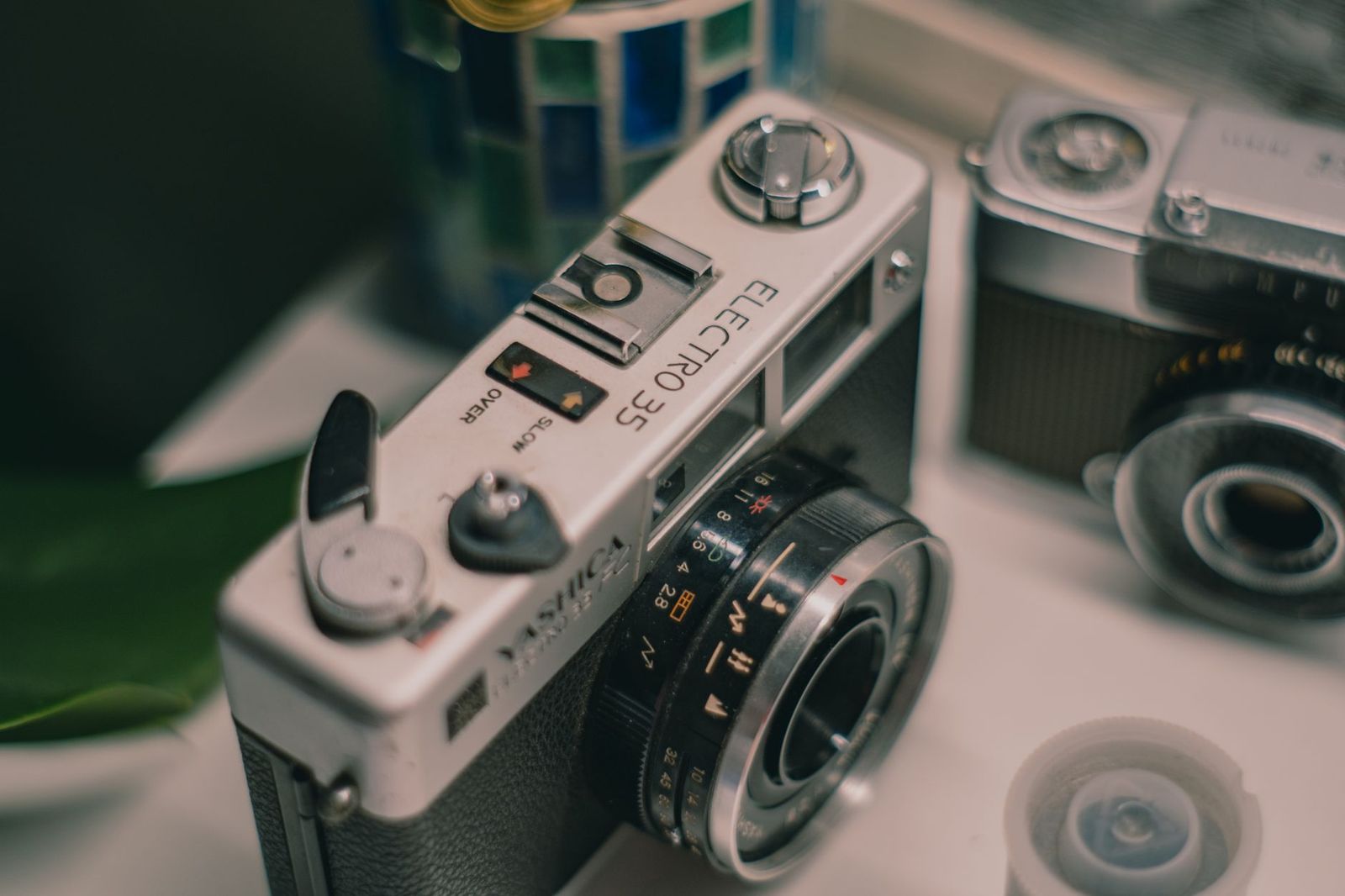
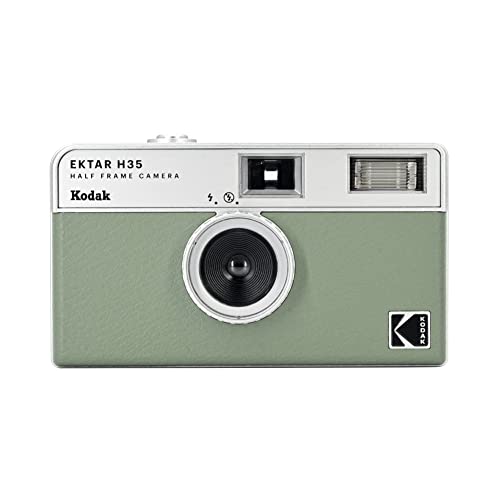
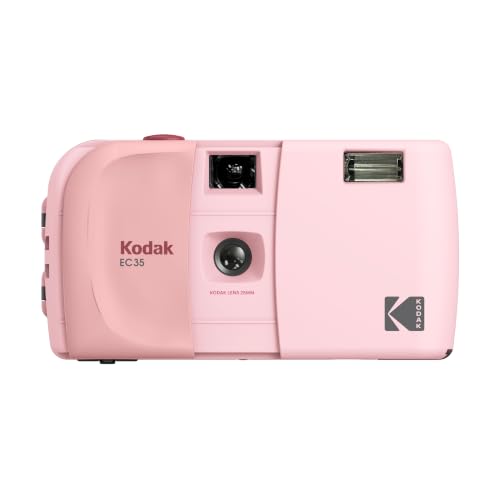
A compact has a fixed lens, a built in flash and a motor that winds the film, and most were sold as family cameras rather than professional tools. Your whole job is framing, timing and choosing where to stand. That simplicity is a genuine virtue on a first roll, because a picture you actually took teaches more than a perfect setting on a shot you missed. The trade offs are fixed focus or basic autofocus, a flash that fires whether you want it or not, and electronics that cannot be repaired when they finally die.
Manual Classes That Teach You Exposure
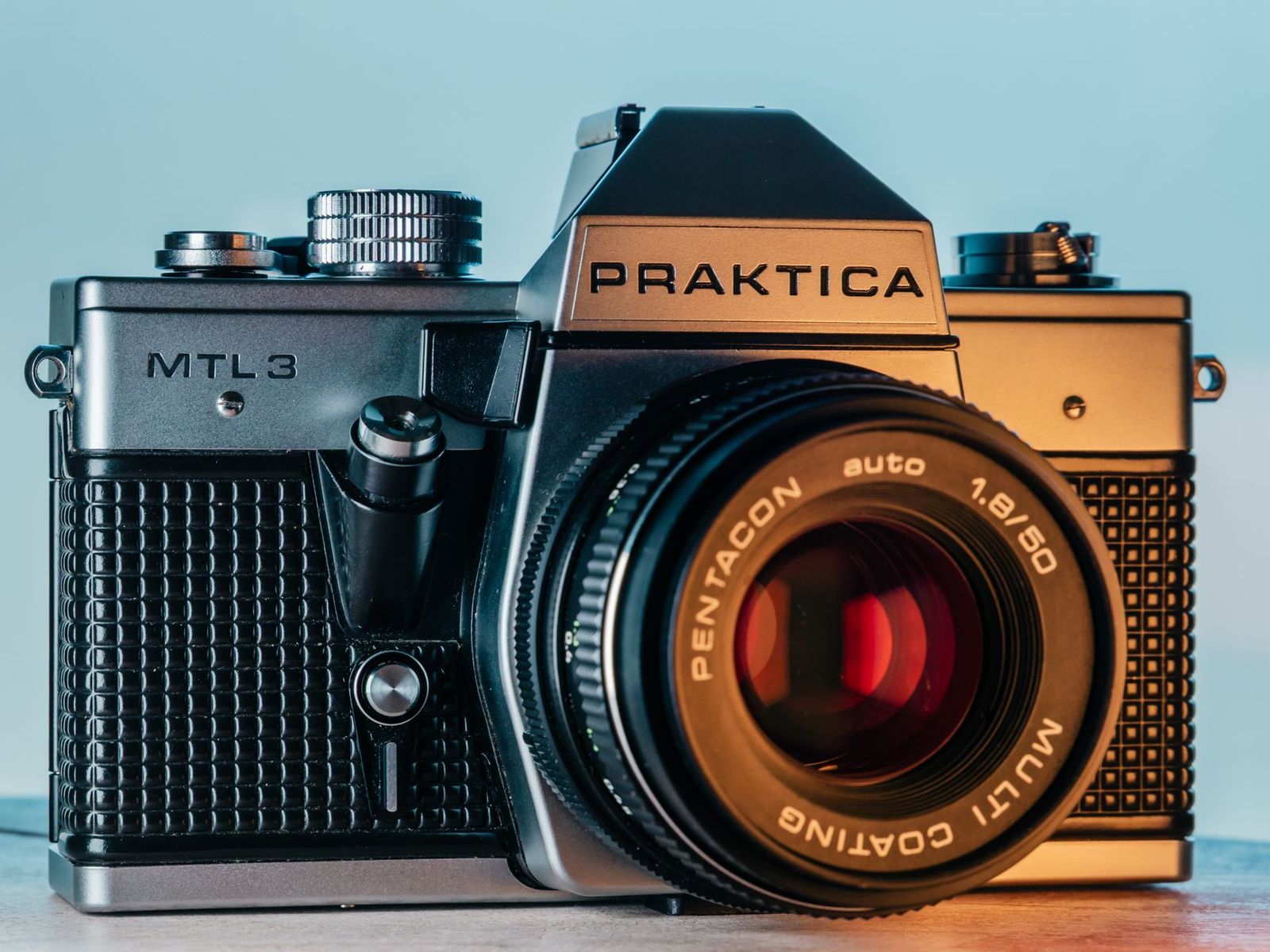
The classic student camera is a single lens reflex body with interchangeable lenses and a light meter that advises while you decide. You turn the aperture ring and the shutter dial, watch the meter needle or lights, and slowly build the instinct that automatic cameras hide from you. These bodies are mostly metal, mostly repairable, and mostly sold with a standard lens that suits learning. They are heavier than compacts and slower to use, and a neglected example can have a dead meter, so the condition checks further down matter most for this class.
A Word on Lenses for Manual Bodies
If you take the manual road, the lens bundled with the body shapes your first rolls more than the body itself. A fixed focal length standard lens is the teacher most instructors recommend, because its brightness in dim light forgives slow shutter mistakes and its fixed view forces you to move your feet to compose. Old zoom lenses from the same era are tempting and cheap, but many are dim, soft at the edges, and heavy enough to change how the camera feels. Start with the standard lens, shoot several rolls, and let your results tell you whether you crave wider or longer views.
Choosing for Your Situation
Starting From Zero
Most roundups aimed at the best 35 mm film cameras for beginners push whichever body looks newest, but a first timer actually needs boring reliability above all. Choose the class that matches your patience: a compact if you want finished photos from your first weekend, a manual body if you enjoy learning how things work. Either way, buy the best condition example you can find rather than the fanciest specification. A serviced, ordinary camera will outshoot a famous model with a sticky shutter every single time.
Self Timers, Tripods and Group Shots
If you shoot with friends, travel solo, or want to be in your own pictures, check for a self timer before you buy. Most manual bodies and many compacts include a simple mechanical or electronic timer that gives you about ten seconds to get into frame. A standard tripod socket on the base matters for the same reason, and it also opens up night scenes and slow shutter experiments later. These are small features that cost nothing when present and cannot be added when missing, which is why they are worth one line of your checklist. The wider world of best film photography cameras covers other formats too, but the self timer habit starts here.
Buying Used: The Condition Checks That Matter
Almost every 35 mm camera a beginner buys is used, because the format's great decades are behind it and the surviving stock is enormous. That is fine, provided you shop on condition instead of cosmetics. Ask about the light seals first: the foam strips that keep the film door light tight turn sticky or crumbly with age, and tired seals leak light onto your film as fogged edges. Seal kits are cheap and fitting them is an easy home job, but fresh seals on a listing are a sign of a cared for camera.
Next, the shutter should fire cleanly at every speed, slow ones included, because sluggish slow speeds are the most common age fault. The meter should react when you point the camera from shade into light, even if you cannot verify its accuracy in a shop. Look through the lens against a bright background: specks at the edge are harmless dust, while a web like pattern is fungus, which etches glass and spreads, so walk away from any lens described that way. Finally, open the battery compartment, because leaked old batteries corrode contacts and quietly kill meters. Listings for best cameras with film included sometimes sweeten the deal, though you should still check the film's expiry date before counting it as value.
The Real Cost of Your First Roll
Budget the hobby as one number, not three surprises. A sound used compact runs about $30 to $100, and a manual student body with a standard lens runs about $80 to $250 depending on condition and servicing. A roll of colour film costs about $8 to $20, and developing with scans costs about $15 to $25 per roll at most labs. Add those together and a realistic first roll total lands around $120 to $300 all in. After that, each new roll is only the film plus the lab bill, which is exactly why the camera should not eat the whole budget.
Two smaller costs are worth knowing about before they surprise you. Many labs charge a little extra for larger scan files, which are worth having for the frames you love and pointless for the rest, so the basic scan tier is the sensible default at first. Prints are also optional now; most beginners live happily with scans and order prints only of favourites. Neither choice affects the film itself, and you can always rescan a negative later, which is more than any phone file promises.
Rookie Mistakes to Avoid
- Paying a collector premium for a famous body when a plain model in better condition costs half as much and shoots the same film.
- Judging a used camera by its looks, while the light seals, shutter and meter that decide your photos go unchecked.
- Loading your very first roll with an expensive or expired film stock, then blaming the camera for odd colours.
- Opening the back mid roll to check the film is advancing, which fogs every frame already shot.
- Blowing the whole budget on the camera and leaving nothing for film and developing, so the camera sits in a drawer.
Your First Roll: Getting Started
Load the film in soft shade rather than bright sun, follow the diagram inside the film door, and wind until the counter shows the first frame. Shoot the whole roll within a few weeks, because a roll left half finished in a hot car ages badly. Keep a small notebook or a phone note of your settings if you bought a manual body, since matching settings to results is how the learning actually happens. When the roll ends, rewind it fully before opening the back, then send it to a local lab or a mail in service.
Then comes the part nobody warns you about: the wait. Expect days, not minutes, and treat the first set of scans as tuition rather than a verdict on your talent. Most first rolls hold a few frames you love, several that are nearly right, and a handful ruined by one repeated mistake, which is a perfect outcome because that mistake is now yours to fix. If you want the wider entry level picture beyond this format, our guide to best starter film cameras looks at the neighbouring classes a beginner might start with instead.
35 mm Film Cameras: Your Questions Answered
What specs matter most on a first 35 mm film camera?
A working shutter and a working meter matter more than any feature list, because they decide whether your exposures land at all. Beyond that, one specification quietly shapes your early photos: the lens focal length. A standard lens around 50 mm sees roughly what your eye sees, which makes composition intuitive while you learn. Extra modes, motor drives and fancy flashes can all wait for a second camera.
How much should a first timer spend in total?
Plan on about $120 to $300 for the complete start: a sound used camera, one roll of film, and developing with scans. Spending more mostly buys condition and servicing rather than better pictures at this stage. Keep a small reserve for a second and third roll as well, because the lessons from roll one only stick when you shoot again soon. A beginner who shoots three rolls on a plain camera learns faster than one who shoots a single roll on a prized body.
Is a smartphone enough instead of a film camera?
For sharp, instant, shareable photos, yes, and it is not close. A film camera earns its place differently: the limited frames make you choosier, the wait makes results feel earned, and the negatives are physical originals you own outright. Many beginners carry both, using the phone when a moment must not be missed and the film camera when the outing itself is the point. Choose film for the process, not for image quality bragging rights.
Which film should a beginner load first?
Start with a colour negative film in the 400 speed class, because it forgives exposure mistakes better than any other common stock and labs handle it everywhere. It copes with bright sun and indoor light on the same roll, which suits a first timer who shoots everything. Cheaper 200 speed film is fine outdoors but struggles inside. Save black and white and slide film for later rolls, once reading your results has become a habit.
How long before I see the photos from my first roll?
A local lab often returns scans in about two to five days, while mail in services add postage time in both directions and can take a week or more. Ask for your negatives back with the scans, because the negatives are the true originals and can be rescanned or printed years later at higher quality. Many labs return them in a protective sleeve by default, but it costs nothing to confirm before you send irreplaceable film.
Wrapping Up
Your first film camera decision is really three small decisions: the 35 mm format, which this guide has made for you, the automatic or manual class, and the condition of the individual body you buy. Get those right and the specific model barely matters, which is why the best 35 mm film cameras for beginners are usually the plainest ones in the shop. Compare the classes in the product table above, budget for the full first roll rather than the camera alone, and go shoot something you care about.