Best 33 Inch Refrigerators (2026): Types Compared and Buying Guide
Disclosure: We may earn a commission when you buy through links on this page, at no extra cost to you. As an Amazon Associate I earn from qualifying purchases. Learn more

A practical guide to the best 33 inch refrigerator: french door, top freezer, and bottom freezer layouts, plus fit, capacity, and cost.
Your old refrigerator has died, the repair quote makes no sense, and the opening in your cabinets measures just under 34 inches wide. That gap rules out the popular 36 inch models, yet you still feed a full household and need real capacity. Choosing the best 33 inch refrigerator comes down to three things: the space you have, the number of people you feed, and the budget you can defend. This guide walks through each one, and the comparison table below sums up the main layouts side by side.
Instead of pushing specific models, this article compares the types you will find at this width, what each layout does well, and where each one frustrates owners.


Quick Answer: The Layouts Worth Your Money
Three layouts dominate this width. French door models give you wide fresh food shelves and a freezer drawer below, and they suit most family kitchens. Top freezer models cost the least and use the least energy, suiting smaller households and rentals. Bottom freezer single door models sit between the two, with eye level fresh storage and one simpler door. Pick the layout first, then compare capacity, depth, and features inside that group.
Before You Buy: A Quick Checklist for Choosing a Refrigerator
Size: Match It to Your Space
Width classes exist because kitchen openings are not standard. A 36 inch model needs a wider alcove, while 30 inch and 24 inch apartment size models trade capacity for fit. The 33 inch class fills the middle, usually offering about 20 to 25 cubic feet in a body that slips into older cabinetry. Smaller 28 cubic foot claims belong to wider bodies, so check the capacity figure against the width. If your opening is wider than this class, our guide to the best refrigerator range covers the larger sizes too.
Which Type Fits Your Routine
French door models put fresh food at eye level and fit wide platters, which is why busy family cooks love them. If that sounds like your kitchen, read our guide to the best french door refrigerator designs in this width before you shop. Side by side models split fresh and frozen space vertically, giving you more freezer shelves and narrower doors that suit tight walkways; our guide to the best side by side refrigerator layouts explains the trade offs. Top freezer and bottom freezer models remain the simple, sturdy choices for households that value function over flair.
Features Worth It (and Ones to Skip)
An internal ice maker is worth paying for if your household uses ice daily, because it frees you from trays without taking door space. A through door water dispenser adds convenience but eats shelf room and needs a water line plus regular filter changes. Craft ice and dual ice makers are luxuries for people who entertain often, and most families can skip them. A flex zone drawer helps if you store deli trays weekly. Door in door panels sound clever, yet they add cost and one more seal to wear out.
Measurements and Compatibility With Your Setup
Measure the opening width, height, and depth, then measure again at the tightest point, because floors and trim are rarely level. Add about one inch of breathing room on the sides and top so the coils can shed heat. Check the door swing against islands and walls, and confirm the delivery path. Depth matters just as much: our explainer on counter depth vs standard depth shows how a standard depth body can stick out past your counters, while a shallower body sits nearly flush but holds less.
Certifications That Actually Matter
Look for an Energy Star label if you want lower running costs, since certified models must meet federal efficiency targets. Dispenser models should carry NSF/ANSI 53 or 42 certification for their water filters, which confirms the filter reduces the contaminants listed on its rating. Electrical safety marks from UL or ETL show the appliance passed independent laboratory testing. WaterSense applies to faucets rather than refrigerators, so ignore sellers who wave it around as a fridge credential.
DIY vs Pro Installation Cost
Most freestanding refrigerators are genuine DIY installs: roll the unit in, level the feet, plug it into a grounded outlet, and let it settle before loading food. Connecting a water line is still simple if a shutoff valve already sits behind the opening. Budget for a pro when the valve is missing or doors must come off to fit the delivery path. Retailers often charge about $50 to $150 for haul away and hookup services, while a plumber adding a new valve can push the total higher.
Realistic Budget Ranges
Basic top freezer models at this width generally run about $900 to $1400, covering the essentials without frills. Bottom freezer and side by side models usually land around $1200 to $2000, adding better organization and finishes such as stainless steel. French door models with dispensers commonly cost about $1800 to $3000, and smart screens push prices above that band. Under $500 buys only compact or used units at this size, so treat listings far below these ranges with suspicion. Set your ceiling by layout first, then spend any leftover on capacity rather than gadgets.
Three Layouts Compared: Where Each One Earns Its Price
Here is how the three main configurations compare on the factors that decide daily satisfaction.
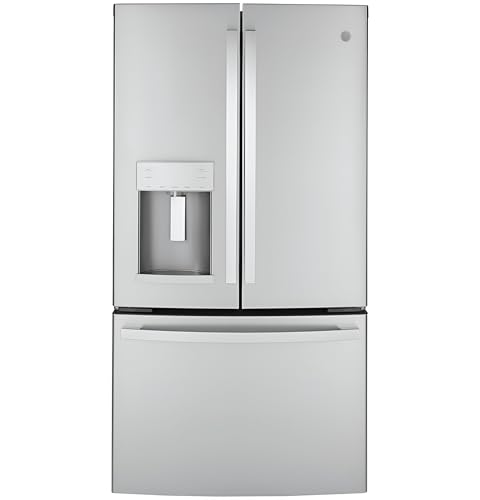
For Most Homes: The French Door Layout
Wide shelves swallow sheet pans and pizza boxes that defeat narrower designs, and the split doors need less swing clearance than one full width door. The freezer drawer below holds bulky bags well, though small items get buried unless you add bins. Expect the highest prices at this width and the most moving parts. Choose this layout if fresh food space matters more than freezer organization and your budget reaches the upper ranges.
For Tight Budgets: The Top Freezer Layout
This classic layout puts the freezer on top and the fresh section below, with one simple door for each. It is usually the cheapest way to buy this much capacity, and it tends to use less energy than fancier designs. The cost is comfort: you bend for everyday fresh items, and crisper drawers sit near the floor. Choose it for rental units, basement overflow storage, or any household that would rather save money than chase features.
For Long Term Value: The Bottom Freezer Layout
A single fresh food door at eye level pairs with a freezer drawer or door below, giving you daily convenience without the French door price premium. Fresh shelves run the full width of the cabinet, so party trays and wide casserole dishes fit easily. Fewer door seals and simpler hardware can mean fewer repairs over a long life. The freezer section is modest, so heavy frozen food buyers should look elsewhere.
How to Compare 33 Inch Refrigerators Fairly
Start with verified dimensions from the maker spec sheet, not the retailer headline, because the headline width is a class label rather than an exact figure. Weigh installation fit, build quality such as door alignment and shelf material, and the length of the sealed system warranty. Read owner reviews for patterns about noise and ice maker failures instead of single angry stories. This process keeps you comparing facts rather than marketing claims.
Is a 33 Inch Refrigerator the Right Size for You?
This width suits kitchens built before the 36 inch class took over, plus condos and older homes where widening the opening means moving cabinets. Capacity around 20 to 25 cubic feet feeds about four to five people comfortably when you shop weekly. A household of six or more that buys in bulk may outgrow it, especially the freezer section, and might do better with a wider model or a second freezer in the garage. Singles and couples often find it generous but still sensible if they cook at home most days.
Consider the alternatives honestly. A 30 inch model saves money but loses roughly a fifth of the storage. Moving up to 36 inches gains capacity and more model choice, yet it only works if your opening allows it. The 33 inch class exists for the homes in between, and for those homes it is not a compromise at all.
Common Buying Mistakes to Avoid
- Measuring the opening once and skipping the delivery path, so the new unit cannot even reach the kitchen.
- Forgetting door swing clearance, so a door strikes the island or cannot open past 90 degrees for bin removal.
- Paying for a dispenser when no water line exists near the opening, then never connecting the feature you bought.
- Choosing by exterior finish alone and ignoring shelf layout, so daily items end up stacked and forgotten.
- Skipping the filter replacement cost in your budget, even though dispenser models need a new filter about twice a year.
Cost of Ownership and Care
Running costs stay modest: a modern full size refrigerator typically uses about $60 to $100 of electricity per year depending on your local rates and the model size. Water filters for dispenser models cost about $40 to $60 each, and most need changing every six months. Our article on how long does a refrigerator last explains the typical service life in detail, so plan on spreading the purchase price across that span when you judge value.
Care is simple. Vacuum dust from the condenser coils every six to twelve months so the compressor does not overwork. Keep the temperature near 37 degrees Fahrenheit in the fresh section and 0 degrees in the freezer for safe storage. Check door seals yearly by closing a dollar bill in the door; if it slides out easily, the seal is leaking. Wipe spills promptly so odors do not settle into shelf edges.
Your Questions, Answered
What size refrigerator does a household of four need?
A common planning rule is about 4 to 6 cubic feet of total capacity per person, which puts a household of four near 16 to 24 cubic feet. A 33 inch model in the 20 to 25 cubic foot range lands right in that window. Count freezer space separately if you buy meat in bulk, because freezer room runs out first in most homes.
Does a 33 inch refrigerator need a water line?
Only models with an ice maker or water dispenser need a water line. A model without those features runs fine on electricity alone, which suits basements and garages where plumbing is absent. If you do connect a line, add an accessible shutoff valve behind the unit. That valve lets you stop a slow leak fast, before it damages flooring.
How do you clean a 33 inch refrigerator door gasket?
Wipe the gasket folds with warm water and a small amount of baking soda, then dry them fully so mildew cannot take hold in the creases. Sticky residue from juice spills is the usual cause of a gasket that no longer seals well. Our walkthrough on how to clean a refrigerator covers shelf and drawer cleaning. Never use bleach on the gasket, because it hardens the rubber.
When is repairing an old refrigerator smarter than replacing it?
Compare the repair quote with the age of the unit. A repair costing more than half the price of a comparable new model rarely makes sense on a unit past ten years old, because other parts are aging too. Sealed system failures such as a dead compressor usually end the debate in favor of replacement. Simple fixes like a fan motor can still be worth it on a younger unit.
Can a 33 inch refrigerator work in a garage?
It can, provided the garage temperature stays within the range the maker states, often about 38 to 110 degrees Fahrenheit. In a very cold garage the thermostat may cycle too rarely, letting the freezer section warm up. Models rated as garage ready use insulation and controls built for those swings. Keep the unit out of direct sun and leave rear clearance for airflow.
Final Thoughts
The right choice is the layout that fits your opening, your household size, and your routine, in that order. French door models serve most families best, top freezer models protect a tight budget, and bottom freezer models deliver quiet long term value. Measure carefully, spend on capacity before gadgets, and use the product table above to confirm the dimensions of any model on your short list. Get those basics right and the best 33 inch refrigerator for your home becomes a simple decision.