Best 33 Inch Kitchen Sinks (2026): Styles, Materials and Fit
Disclosure: We may earn a commission when you buy through links on this page, at no extra cost to you. As an Amazon Associate I earn from qualifying purchases. Learn more

A fit and material guide to the best 33 inch kitchen sink, with budget ranges and care tips.
Sunday lunch ends and your counter holds a roasting pan, a stockpot, and a stack of plates, yet the bowl in front of you swallows only half of it at once. That cramped moment is why many households step up in size. Choosing the best 33 inch kitchen sink gives you room for bulky cookware while still fitting a common cabinet layout, and the comparison table below sorts the main styles by fit and features.
This guide focuses on how a 33 inch sink suits your space, your household size, and your daily routine. If you are still weighing other widths, our guide to the best kitchen sink covers the wider range.


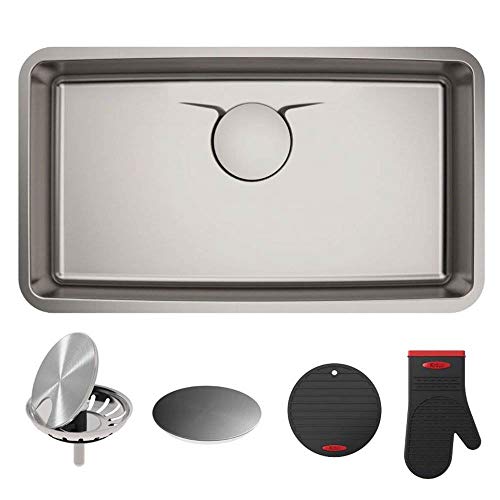
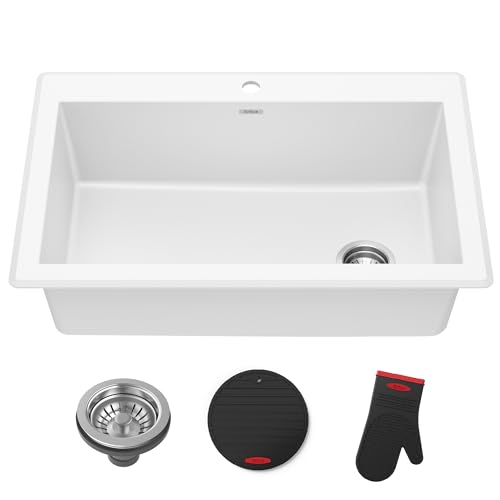
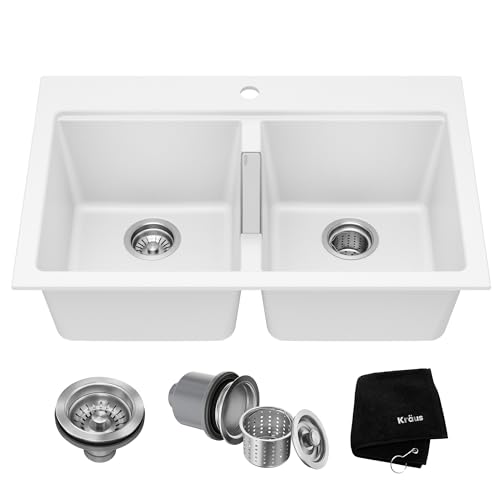
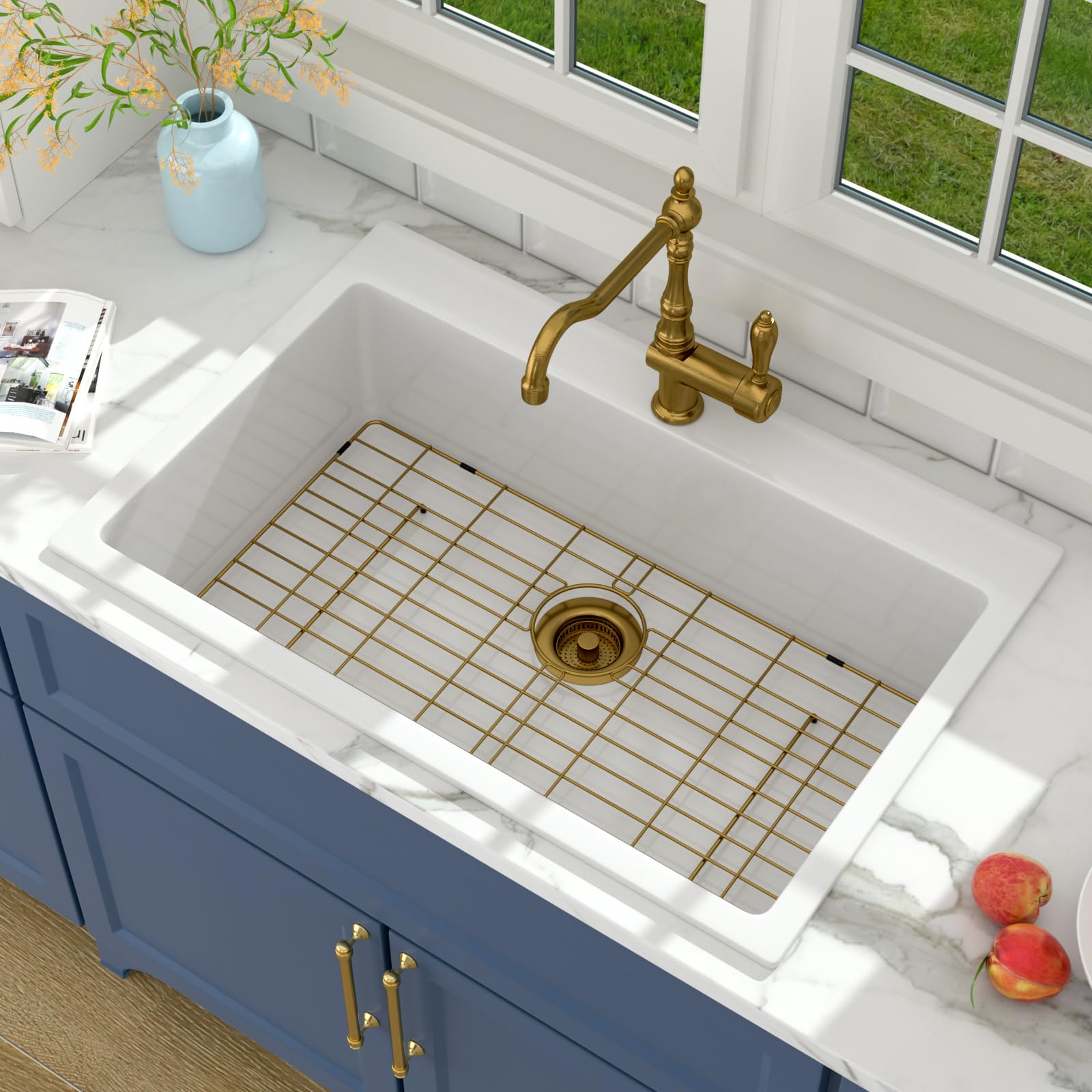

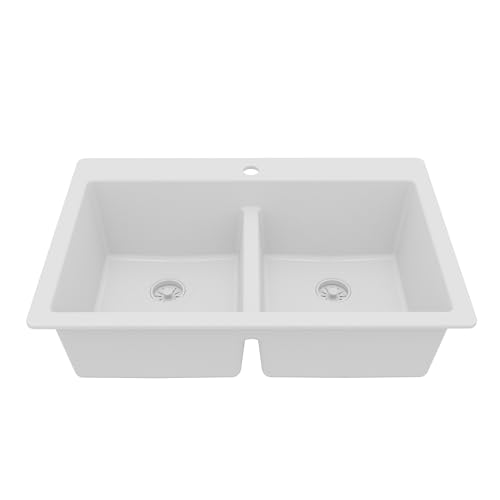
Quick Answer: What a 33 Inch Sink Gives You
A 33 inch sink measures 33 inches across the outside from left to right, and most models pair that width with a depth of about 22 inches front to back. That footprint suits a household of three to five people who cook often and wash large pans by hand.
Before You Buy: A Quick Checklist for Choosing a Kitchen Sink
Size: Match It to Your Space
Width alone does not tell the whole story, because bowl layout decides how that width feels in use. A single bowl spends all 33 inches on one open space, which suits bakers and sheet pan cooks. A double bowl splits the space into two zones for washing and rinsing at once. Bowls of about 7 inches free cabinet room below, while bowls of 9 to 10 inches hide a tall pile of dishes.
Which Type Fits Your Routine
Mounting style shapes both the look of the counter and the effort of wiping it down. An undermount sink sits below the counter surface, so crumbs sweep straight into the bowl. A drop in sink rests on a rim above the counter, which makes it simpler to fit into an existing cutout. Our explainer on undermount vs drop in sink walks through the counter materials each style needs.
Materials and How They Age
Stainless steel stays the most flexible choice, since it resists heat, shrugs off dropped pans, and suits almost any kitchen style. If steel is your lean, our guide to the best stainless steel kitchen sink explains finish grades in depth. Granite composite feels solid and hides water marks well, though it weighs far more. Fireclay and enamel coated cast iron look classic, but a heavy pot can chip them.
Features Worth Paying For and Ones to Skip
A bottom grid earns its cost because it lifts dishes off the bowl floor and guards the finish against scratches from heavy cookware. A fitted cutting board and a colander that rest on a ledge turn the sink into a prep zone, which helps most in a small kitchen. Sound pads on the underside of a steel bowl cut the clatter of running water. Skip bundled extras you already own, such as a second colander.
Measurements and Compatibility With Your Setup
Measure the inside of your base cabinet from wall to wall and compare that number with the maker cutout guide for any sink you like. Mounting clips, the apron on a farmhouse model, and the disposal flange all need room that the outside width never shows. Check the cutout in your counter too, because a drop in sink needs a cutout smaller than its rim. Note where your drain sits as well.
Steel Gauge and Bowl Build
On a steel sink, gauge tells you how thick the metal is, and the scale runs in reverse, so a lower number means thicker steel. A 16 gauge bowl feels firmer under a heavy pot, resists dents, and sounds quieter than an 18 gauge bowl. The tradeoff is weight and price. Our comparison of 16 vs 18 gauge sink options explains where thinner metal still makes sense for light use.
Certifications to Look For
Look for a listing that shows the sink meets NSF and ANSI standards for materials that touch food and water. Faucets and drain parts sold with a sink should be marked lead free under current federal rules. A maker that prints the exact standard numbers on its specification sheet gives you something you can verify, while vague safety claims give you nothing to check.
Do It Yourself or Hire a Pro
A drop in swap into the same cutout is a realistic weekend job if you are handy with sealant, clips, and basic drain fittings. An undermount fitting into stone, or any job that moves the drain line, is safer in pro hands. Pro fitting often costs about $200 to $500 on top of the sink, so price that labor before you order.
Realistic Budget Ranges
- Under $150: basic steel drop in models, usually 18 gauge, with few extras and a finish that shows scratches sooner.
- About $150 to $300: the value zone for most homes, with firmer steel, sound pads, and a bottom grid often in the box.
- About $300 to $500: thicker steel, granite composite, and workstation ledges with boards and colanders included.
- About $500 to $1000: fireclay and cast iron models and large workstation builds, where material and weight drive the price.
The sink price is only part of the spend. A new faucet, a disposal flange, and sealant can add about $100 to $400 to the project.
Three Sink Styles Compared for 33 Inch Kitchens
Match the style to your counter, your cooking habits, and how much upkeep you accept. Each style below trades fit, looks, and daily ease in a different way, and reading them side by side shows why the best 33 inch kitchen sink for one home can be the wrong call for the next.
Undermount Sinks for a Clean Counter Line
An undermount sink gives you the smoothest counter to bowl transition and the easiest wipe down, which suits cooks who prep on the counter beside the sink. It pairs with stone, quartz, and solid surface counters, but not with most laminate tops, since the cut edge cannot take steady water exposure. There is no rim adding width on top, so the bowl you see is the bowl you get.
Drop In Sinks for Simple Swaps
A drop in sink is the practical pick when you keep your current counter and want the swap done with the least cutting and risk. The rim covers small chips around an old cutout and supports much of the sink weight from above, so fitting is forgiving. The cost of that ease is a raised lip that catches crumbs. Count your faucet parts before ordering, since faucet holes often sit in the rear deck.
Farmhouse and Workstation Sinks for Cooks Who Prep at the Sink
A farmhouse sink pushes the bowl toward you with an exposed front apron, which shortens the reach to the faucet. Our guide to the best farmhouse kitchen sink covers apron heights and cabinet changes in detail. A workstation sink instead adds an interior ledge that holds boards and racks at counter height. See our guide to the best workstation kitchen sink for ledge widths and accessory fit notes.
How to Judge Quality Before You Order
Start with the specification sheet rather than the photos, since photos hide gauge, bowl depth, and drain position. Check the steel grade, the corner shape, and the warranty length for the bowl and the finish. Corners with a slight curve clean more easily than sharp square corners.
Is a 33 Inch Kitchen Sink the Right Size for You?
Choose 33 inches when your household cooks most nights, owns wide cookware, and has the cabinet width to spare. A couple who eats out often may find a 30 inch sink leaves more counter room for a coffee station. A family of six may prefer 36 inches, where two people can work at once. The honest test is your largest pan: measure it, then confirm it sits flat in the bowl.
Common Mistakes to Avoid
- Ordering by outside width alone: the bowl inside can be far smaller once thick walls and an apron take their share, so your largest pan may still not fit.
- Skipping the cabinet check: a sink too wide for the cabinet interior leaves no room for clips, and the fitting stalls halfway through the job.
- Ignoring the drain position: a rear or side drain can clash with an existing disposal, which adds plumbing cost you did not plan for.
- Paying for a full accessory bundle twice: boards and racks for a ledge you will not use become drawer clutter within a month.
- Choosing on finish photos alone: brushed steel, composite, and fireclay each hide marks differently, and a showroom shine says little about month six.
Cost of Ownership and Care
Ownership costs stay modest once the sink is in place. Expect to replace drain baskets and disposal flanges every few years at about $20 to $60 in parts, and to refresh the sealant line where the sink meets the counter when it darkens or lifts. A bottom grid with worn feet can scratch the bowl it guards, so swap tired rubber feet early. Drying a steel bowl after heavy use limits water spots.
Composite and fireclay sinks ask for gentler cleaners, since harsh powders can dull the surface over time. Cast iron with enamel needs a mat or grid under heavy pots, because a single chip can expose the iron below and invite rust.
FAQ
Can a 33 inch kitchen sink fit in a 33 inch cabinet?
No, and this catches many buyers out. The stated width is the outside measure, so the cabinet interior must be wider than the bowl plus its mounting clips. Most 33 inch sinks call for a base cabinet of about 36 inches, which gives room for clips, supply lines, and the disposal body. Always confirm the minimum cabinet size on the maker cutout guide for the exact model you order.
Does a 33 inch kitchen sink need a special faucet?
No special faucet is required, but reach matters more on a wide and deep bowl. A faucet with a spout reach of about 9 to 11 inches puts the stream near the bowl center, so you rinse corners without dragging pans around. A pull down spray head helps even more, since it covers the full width of a single bowl.
Is a single bowl or a double bowl better in a 33 inch sink?
At this width the split changes the math. A double bowl at 33 inches leaves each side at roughly 15 inches wide, which is tight for a roasting pan or a large cutting board. A single bowl keeps the full width open and uses a tub or a rack when you want a second zone. Pick the double bowl only if you truly run wash and rinse sides at the same time daily.
How do you clean a 33 inch kitchen sink without harming the finish?
Wash the bowl with hot water, a soft sponge, and a small amount of dish soap, then rinse and dry it with a cloth. For steel, a paste of baking soda and water lifts dull marks when you rub it gently along the grain, never across it. Skip steel wool on every material, since it leaves fine scratches. Once a week, clean around the drain and under the grid, where a slimy film builds up.
How long does a 33 inch kitchen sink usually last?
A sound steel, composite, or fireclay sink often serves for about 15 to 30 years, and the drain parts usually wear out long before the bowl does. Treat early rust spots, a cracked glaze, or a drain seal that keeps leaking after fresh putty as signs the bowl itself may be failing.
Final Thoughts
A 33 inch sink earns its counter space when it matches your cabinet, your largest pan, and the way your household actually cooks and cleans. Run the fit checks first, pick the mounting style your counter allows, and let material and gauge follow from your habits. When you land on the best 33 inch kitchen sink for your home, look back at the product table above to compare the finalists on bowl depth, layout, and extras.