Best 30 Inch Kitchen Sinks (2026): Mounting, Material and Fit
Disclosure: We may earn a commission when you buy through links on this page, at no extra cost to you. As an Amazon Associate I earn from qualifying purchases. Learn more

Choose the best 30 inch kitchen sink with tips on undermount, drop in and apron front styles and budget.
A sink that is a touch too wide can crowd your counters, while one that is too small turns every sheet pan into a wrestling match. If your cabinet and counter point to the 30 inch class, the best 30 inch kitchen sink is the one that matches your household size, your cooking habits, and your budget. This guide walks through size, mounting style, materials, and upkeep, and the comparison table below sums up the main types side by side.




Quick Answer: The Three Approaches in 30 Seconds
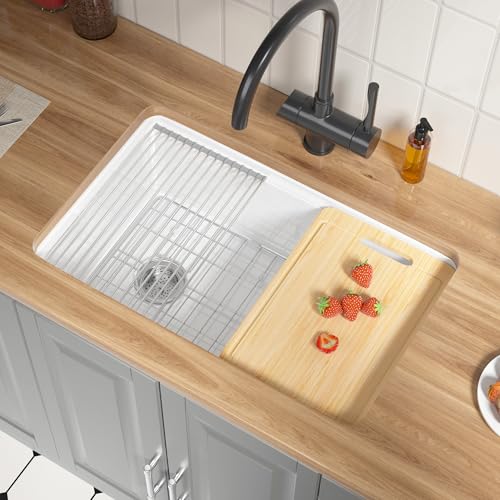
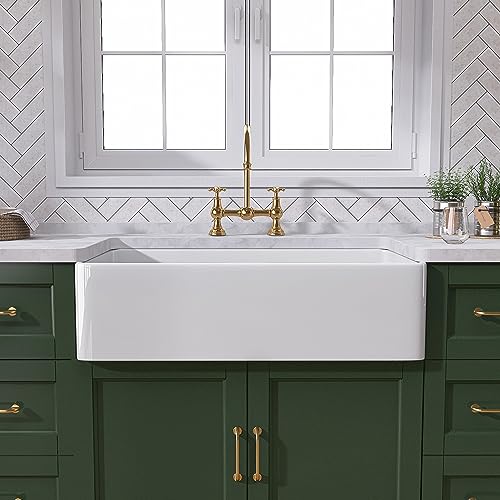
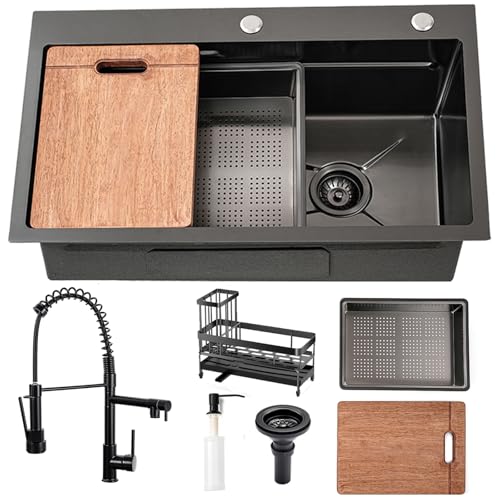
A single bowl in stainless steel is the flexible default for most families, since it swallows roasting pans and stockpots without a divider in the way. A workstation layout adds a built in ledge for boards and racks, which suits smaller kitchens where counter space is precious. An apron front model brings the bowl closer to you and gives a traditional look, but it needs a cabinet built or altered to support it. Whichever route you take, confirm the cabinet fit and the drain position before you order, since those two checks prevent most returns.
Before You Buy: A Quick Checklist for Choosing a Kitchen Sink
Size: Match It to Your Space
The 30 inch figure describes the outside width of the sink, not the size of the bowl inside it. Wall thickness, rims, and ledges all eat into the usable space, so two sinks with the same outside width can hold very different loads. Check the interior length and width on the specification sheet, and picture your largest pan sitting flat on the bottom. Homes that soak and wash at the same time often prefer a double bowl, though each side will be narrower.
Which Type Fits Your Routine
Mounting style shapes both the look and the cleanup. An undermount sink sits below the counter, so crumbs sweep straight into the bowl, but it needs a solid counter material and careful sealing. A drop in model rests on a rim above the counter, which makes it simpler to fit and swap later. Our guide to undermount vs drop in sink walks through the trade offs. Material matters too: stainless steel is light, granite composite resists heat and hides water spots, and fireclay and cast iron bring real weight your cabinet must support.
Features Worth Paying For, and Ones to Skip
A bottom grid earns its cost by keeping pots off the bowl floor and letting water drain beneath them, which reduces scratches and dull patches. A colander and a cutting board that rest on the ledge of a workstation sink can replace items that would otherwise crowd your drawers. Sound pads matter if your kitchen opens onto a living area, since they soften the clang of dropped cutlery. Skip novelty extras you will store and forget, and spend on the bowl itself first.
Measurements and Compatibility With Your Setup
Measure the inside width of your sink base cabinet, the front to back depth, and the space from the wall to the faucet holes. Many 30 inch sinks ask for a cabinet a few inches wider than the bowl, and the maker specification sheet states the minimum, so trust that number over general rules. Note where your drain sits, since a rear drain frees cabinet room below. Check garbage disposal clearance too, and see our overview of the best kitchen sink sizes if you are still weighing the wider category.
Certifications and Safety Marks
Look for sinks that meet the plumbing standards listed by the maker, such as ASME and CSA marks for drain fit and construction. Faucets and supply parts carry their own lead limits under federal rules, and compliant products say so on the specification sheet. These marks confirm the drain opening and fittings follow the shared sizing that plumbers expect.
Doing It Yourself Versus Hiring a Pro
A drop in swap that reuses the same cutout and plumbing is a realistic weekend job for a handy homeowner. Undermount and apron front installs are less forgiving, since the sink must be supported, sealed, and aligned before the adhesive cures. Professional fitting adds cost, but it can be money well spent when the counter needs cutting or the cabinet needs bracing. Our guide on how to install a kitchen sink shows what each stage involves.
Realistic Budget Ranges
Basic models start at under $150, and they cover daily washing well if the steel or composite is thick enough to feel solid. The middle band, about $200 to $500, usually brings quieter bowls, better finishes, and included grids or racks. Above that, about $500 to $1000, you are paying for workstation ledges, heavier construction, and finer surface detail. Budget also for extras a swap can trigger, such as a new faucet, drain parts, sealant, and possible cabinet work.
Three Sink Types Compared for 30 Inch Kitchens
The Stainless Single Bowl for Most Homes
This is the safe all rounder, and for many families it is where the search for the best 30 inch kitchen sink ends. One open bowl handles a roasting pan, a tall pot, and a stack of plates across the day without juggling items between sides. Stainless steel shrugs off heat, cleans with a soft cloth, and pairs with nearly any faucet finish. Its weakness is noise and visible water spots, both of which improve with sound pads and a brushed finish. The finish choices in our roundup of the best stainless steel kitchen sink options show what to look for.
The Workstation Layout for Small Counters
A workstation sink turns the bowl into a prep zone, with a ledge that holds a board, a drying rack, or a colander at a comfortable height. In a compact kitchen, that ledge can stand in for the counter space you do not have, letting you chop, rinse, and drain in one spot. The designs in our guide to the best workstation kitchen sink range show how much the ledge depth varies, so check that accessories sit level and slide smoothly. The trade off is a slightly smaller open bowl once accessories are in place, plus more parts to wash and store.
The Apron Front for a Classic Look and Shorter Reach
An apron front sink shows a finished front panel and brings the bowl a few inches closer, which shorter cooks and anyone with a sore back will notice during long wash ups. Fireclay and cast iron are common here, giving a smooth surface that feels substantial and cleans easily. Plan carefully, though, since this type needs a cabinet with an open front and strong support, as our best farmhouse kitchen sink roundup explains, and changing your mind later is a bigger job than swapping a drop in model.
How to Compare 30 Inch Kitchen Sinks
Weigh installation and compatibility first, since a sink that does not fit your cabinet is useless no matter how handsome it looks. Build quality and finish came next, followed by included features, listed certifications, and warranty clarity. The judgments draw on maker specification sheets and patterns in verified buyer feedback about noise, scratching, and fit problems.
Is a 30 Inch Kitchen Sink the Right Size for You?
For a household of two to four people with a standard base cabinet, this size hits a comfortable middle ground. It is wide enough for daily pans and a dinner party load, yet it leaves counter room on both sides for a kettle, a dish rack, or prep work. If you regularly cook for a crowd or wash oversize trays, a 33 inch or 36 inch sink may serve you better, provided the cabinet allows it. Solo cooks in a small flat may find a 24 inch or 27 inch bowl plenty, with the bonus of extra counter space.
Common Buying Mistakes to Avoid
- Ordering before measuring the cabinet. The outside width can fit the counter while the bowl and clips still clash with the cabinet walls below.
- Ignoring bowl depth. A very deep bowl hides big pots but can strain your back, while a shallow one splashes during rinsing.
- Choosing on looks alone. A finish that shows every spot will annoy you daily if your water leaves marks and you dislike wiping down.
- Forgetting the extras in the budget. Drain parts, a grid, and fitting costs can add a real sum on top of the sink price itself.
- Skipping the drain position check. A center drain above a planned disposal or pull out bin can create a clash you only find on install day.
Cost of Ownership and Care
A kitchen sink has no running costs of its own, so ownership spending goes on care items and the odd replacement part, such as a drain basket, worn seals, or a tired grid. Daily care is simple: rinse away gritty residue, wash with mild soap and a soft cloth, and dry the bowl when you can to limit water spots. Avoid steel wool and harsh powders, since fine scratches collect grime and make later cleaning harder. Lift heavy pans in and out rather than sliding them, and check the seal line around the rim twice a year, renewing it if it lifts, since trapped moisture can damage the counter or cabinet below.
Your Questions, Answered
What gauge of stainless steel should a 30 inch sink have?
Lower gauge numbers mean thicker steel, so a 16 gauge bowl feels more solid and sounds quieter than an 18 gauge one. The thicker option also resists dents from dropped pans a little better, though it costs more and adds weight. For a busy family kitchen, that stiffness is usually worth the modest step up. A small household that runs the dishwasher for most items can live happily with the thinner gauge, and sound pads matter as much as gauge for noise.
Can a 30 inch sink fit in a 30 inch cabinet?
Usually not for an undermount fit, and only sometimes for a drop in model. The bowl, mounting clips, and rim all need room, so makers often call for a cabinet a few inches wider than the sink itself. Always read the minimum cabinet size on the specification sheet for the exact model you want. Measuring the inside of the cabinet, rather than the door front, gives you the number that counts.
Does a workstation sink suit a household that rarely cooks from scratch?
It can, but the ledge earns its keep only if you use it. If most meals are simple and the dishwasher does the heavy lifting, a plain single bowl gives you more open space for less money. Households that prep vegetables, drain pasta, and dry glasses over the sink will use the ledge daily and feel the benefit. A grid and a rack can be added to a plain bowl later if your habits change.
How long should a 30 inch kitchen sink last?
A well made sink often serves for decades, because the bowl itself has no moving parts to wear out. Stainless steel and cast iron tend to outlast trends, while seals, drains, and grids need renewal sooner. Surface wear is the usual reason people replace a sink, not leaks or failure. Gentle cleaning and prompt attention to chips in coated finishes slow that wear, and a fresh faucet can make an older sink feel new again.
Which bowl depth works best for a taller or shorter cook?
Depth changes how far you reach and bend, so match it to the main cook rather than to a catalog photo. Shorter cooks often find a bowl around 7 to 8 inches deep kinder on the back, since the bottom sits closer to counter height. Taller cooks, or anyone soaking deep stockpots, may prefer about 9 to 10 inches and accept the extra reach. If several people share the washing up, the middle of that range is the safest compromise.
Final Thoughts
The right sink is the one that fits your cabinet, your pans, and your patience for upkeep, all at a price you can defend. Start with the stainless single bowl if you want flexibility, choose the workstation if counter space is tight, and pick the apron front if reach and classic looks top your list. Whichever you settle on, the best 30 inch kitchen sink for your home is the one whose measurements you verified before ordering. Look back at the product table above to compare the three approaches once more, then order.