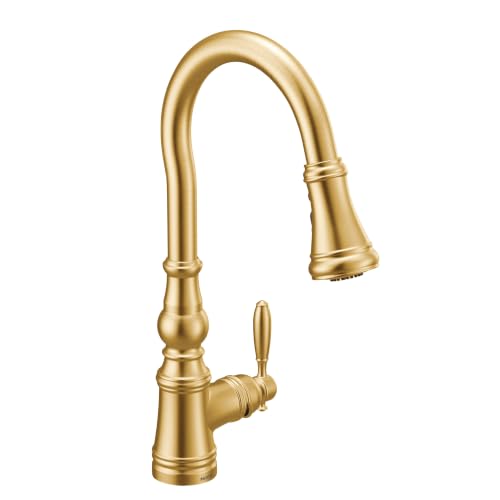
Best Bridge Kitchen Faucets (2026): Types, Fit and Cost
Disclosure: We may earn a commission when you buy through links on this page, at no extra cost to you. As an Amazon Associate I earn from qualifying purchases. Learn more

Compare cross handle, lever and compact styles to find the best bridge kitchen faucet for your sink, hole spacing and budget.
Picture a weekday evening in a busy family kitchen. One person rinses pasta at the sink, another fills a stockpot, and the handles get bumped, splashed, and wiped down for the third time that day. A bridge faucet has to survive that routine while still looking right against your cabinets and backsplash. This guide to finding the best bridge kitchen faucet focuses on fit for your space, how many people use the sink, and what the faucet costs to own over time.
Instead of pushing one style on every home, the sections below group bridge faucets by type, so you can match the layout to your sink and your habits first. If you are still weighing faucet styles in general, start with our overview of the best kitchen faucet options, then come back for the bridge specific details.


Quick Answer: The Short Version
Bridge faucets come in three broad types. A classic exposed pipe bridge with cross handles suits traditional and farmhouse kitchens and gives you precise control of hot and cold water. A lever handle bridge is easier for kids and older adults to adjust with one hand. A compact bridge with a shorter spout reach suits smaller sinks and bar areas. All three share the same layout, with two handles joined to the spout by a horizontal bar, so your real decision is handle style, spout size, and finish quality.
Before You Buy: A Quick Checklist for Choosing a Bridge Kitchen Faucet
Which Type Fits Your Routine
A bridge faucet gives you separate hot and cold handles, which many cooks like for holding a steady warm temperature while rinsing produce or washing glassware. What it does not give you is a spray head that pulls toward the food. If most of your sink work involves rinsing baking sheets and filling tall pots in place, a bridge design works well. If you constantly chase crumbs around a wide basin, compare the best pull down kitchen faucet styles before you commit. Households that want a sensor to start the water should look at the best touchless kitchen faucet category instead, since bridge models keep manual controls by design.
Features Worth Paying For, and Ones to Skip
The most useful add on for a bridge faucet is a separate side sprayer, because the fixed spout cannot reach the corners of a wide basin. When you compare the best kitchen faucet with sprayer listings, check whether the sprayer is metal or plastic and whether its hose retracts smoothly. Ceramic disc valves inside the handles are also worth paying for, since they resist drips far longer than rubber washers. A matching soap dispenser is a fair extra if it frees up counter space. Skip ornate porcelain lever inserts in a household with young kids, and skip built in water filters unless you will keep up with cartridge changes.
Measurements and Compatibility With Your Setup
Start at the deck. Most bridge faucets mount through two holes spaced 8 inches apart, measured from the center of one handle hole to the center of the other. Count your existing holes before ordering, and note whether a side sprayer needs a fourth hole. Measure the deck thickness too, because thick stone and butcher block counters can exceed the reach of standard mounting hardware. Then check spout height against the shelves or window trim above the sink, and spout reach against the center of your basin, so the stream lands in the bowl rather than on the back edge. Finally, confirm that the bridge bar clears your backsplash.
Certifications That Matter
Look for faucets tested to NSF/ANSI 61, which covers the health effects of materials that touch drinking water, and NSF/ANSI 372, which verifies low lead content for products sold as lead free. A WaterSense label means the faucet uses no more than 1.5 gallons per minute while still performing well, which trims water bills where the tap runs often. These marks appear in the product specifications, so a listing that names none of them deserves a closer look.
Doing It Yourself Versus Hiring a Plumber
Swapping a faucet is a realistic weekend project if your shutoff valves work, the old mounting nuts are not corroded, and you own a basin wrench. Our guide on how to install a kitchen faucet walks through the full sequence. Hire a plumber when the shutoff valves need replacing, supply lines must be rerouted, or new holes have to be drilled in stone. Professional installation often runs about $150 to $400 depending on your area, so get that quote before you assume the faucet price is the whole project cost.
Realistic Budget Ranges
Under $100, expect a bridge shape with mostly plastic internal parts and a thin finish, which suits a rental or a laundry sink better than a main kitchen. Between about $100 and $250, you get solid brass bodies, ceramic disc valves, and finishes that hold up to daily wiping. From about $250 to $500, finishes get tougher, handles feel smoother, and warranties stretch longer. Over $500 buys unlacquered brass and other living finishes that develop a patina. For a primary kitchen sink, the middle ranges usually deliver the best value per year of service.
Three Types of Bridge Kitchen Faucets Compared
The Classic Cross Handle Bridge for Traditional Kitchens
This is the look most people picture, with an exposed horizontal bar, a gooseneck or straight spout, and cross handles marked for hot and cold. It suits farmhouse, cottage, and older homes where the faucet is part of the room decor. Cross handles give fine control when you are filling a kettle to a set temperature, but they take two hands and a firmer grip, so they are the hardest style for small children or anyone with weak hands. Choose this type when appearance and precise manual control matter more than speed.
The Lever Handle Bridge for Busy Family Kitchens
Lever handles swap the cross shape for paddles you can nudge with a wrist or the back of a hand, which helps when your fingers are covered in flour. The controls are easier for kids to learn and for older relatives to use without gripping hard. Most lever models also pair with a side sprayer, giving large households a way to rinse the basin after meals. The trade off is a slightly less period correct look, which matters in a restored kitchen but not in most family homes.
The Compact Bridge for Small Sinks and Secondary Spaces
Compact bridge faucets shrink the spout height and reach while keeping the two handle layout, so they fit bar sinks, small apartment kitchens, and laundry tubs where a full size gooseneck would crowd the space. The shorter spout limits how tall a pot can be under the stream, so measure your most used pot before choosing one. For a secondary sink, a compact bridge keeps the classic look without overwhelming a small counter run.
How to Judge a Bridge Faucet Before You Order
Work through five criteria in this order. First, installation and compatibility, meaning hole spacing, deck thickness, and spout clearance in your actual kitchen. Second, build quality, where a brass body and metal handles outlast plated plastic. Third, the finish, which should survive daily wiping without showing water spots after a week. Fourth, certifications, as covered above. Fifth, the warranty, paying attention to whether it covers the finish and the cartridges, not just leaks. Judge listings by manufacturer specifications and verified buyer reports, and be wary of any listing that hides its valve type or body material.
What We Like and What We Don't About Bridge Faucets
The strengths are real. Separate handles make it easy to return to a comfortable warm mix, the exposed bridge is simple to wipe clean, and the valves sit above the deck where a repair is easier than on many single handle models. The style also ages gracefully, since it has looked at home in kitchens for generations.
The limits are just as real. There is no pull down spray head, the two handle layout takes more deck space, and mixing to an exact temperature takes a moment longer than a single lever. Homes that wash oversized pans every day may feel the fixed spout reach sooner than smaller households do.
Common Mistakes to Avoid
- Ordering before counting your sink holes, so the faucet arrives with no way to mount it on your deck.
- Ignoring spout reach, so the water stream lands behind the basin center and splashes the counter at every use.
- Choosing a tall gooseneck without measuring overhead cabinets, so the spout crowds the shelf above the sink.
- Buying on finish photos alone, so a thin plated finish starts flaking within the first year of daily wiping.
- Skipping the side sprayer on a wide double basin sink, so rinsing the far corners becomes a daily annoyance.
Cost of Ownership and Care
A bridge faucet has no batteries, motors, or electronics, so running costs stay near zero beyond the water it delivers. Your real expenses are a replacement cartridge or washer set every several years and a new aerator now and then. If a drip starts at the spout or a handle base, our walkthrough on how to fix a leaking kitchen faucet covers the repair order. Wipe the finish with a soft cloth after messy cooking, avoid abrasive pads and harsh cleaners on plated finishes, and check the supply connections under the sink twice a year for slow seepage. Unlacquered brass needs no polishing unless you want to slow its natural darkening.
FAQ
Are bridge kitchen faucets worth it?
For many homes, yes. The two handle layout is simple, repairable, and free of electronics that can fail, so a well made bridge faucet often stays in service through several kitchen refreshes. It is worth the money when your sink has the right hole spacing and you value precise manual temperature control. It is less worthwhile if your household depends on a pull down spray head for daily cleanup.
How do you clean a bridge kitchen faucet aerator?
Unscrew the small round screen at the tip of the spout by hand, using a cloth for grip if it resists. Rinse the screen and the small plastic insert under running water, scrubbing away grit with an old toothbrush. If flow still looks weak, soak the parts in a cup of white vinegar for about an hour to dissolve mineral buildup, then rinse and screw the aerator back on finger tight. Restoring flow this way also stops the side spraying that mineral deposits cause.
Can a bridge kitchen faucet fit a single hole sink?
No, not without changes to the sink or counter. A bridge faucet needs two handle holes set 8 inches apart, so a single hole deck leaves nothing for the second handle to mount through. Some owners drill the extra holes, which is straightforward in a stainless steel deck but risky and costly in stone. If your sink has one hole and you cannot alter it, a single handle faucet is the practical route.
How long does a bridge kitchen faucet usually last?
A brass bodied model with ceramic disc valves commonly serves 15 years or more in a family kitchen, and worn parts can be swapped instead of replacing the whole faucet. Early warning signs include handles that feel gritty, a finish that pits around the base, and shutoff that needs extra force. Catching those signs early keeps a small cartridge swap from turning into water damage under the sink.
What is the best bridge kitchen faucet for a farmhouse sink?
Look for a spout reach long enough to cover the deep, wide basin of a farmhouse sink, since shorter spouts leave the front hard to rinse. A side sprayer matters more here than in a standard sink because the basin corners sit far from the stream. Choose a finish that tolerates frequent wiping, and confirm the bridge bar clears the raised front apron area when the faucet is mounted behind the sink.
Final Thoughts
Match the type to your household. Pick the cross handle classic for a traditional kitchen, the lever handle version for a busy family, and the compact style for a small or secondary sink. Check your hole spacing, spout reach, and certifications before you order, and use the product table above to compare the best bridge kitchen faucet options side by side. Prices and availability can change, so check the product page before ordering.