Best 3000 Watt Inverter Generators: Every Type Explained Side by Side for 2026
Disclosure: We may earn a commission when you buy through links on this page, at no extra cost to you. As an Amazon Associate I earn from qualifying purchases. Learn more
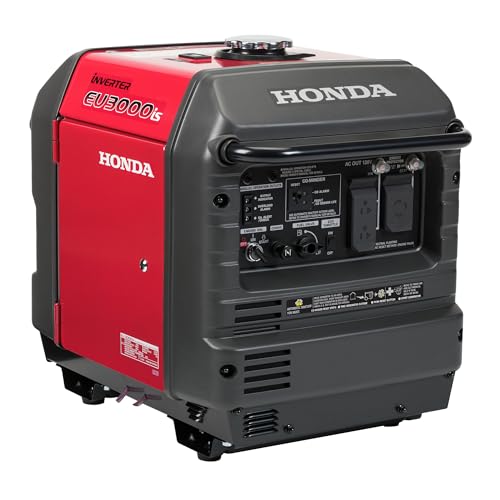
A clear guide to the best 3000 watt inverter generators, comparing types, noise, fuel choices, clean power, safety and home backup use in plain terms.
Inverter technology, dual fuel options and parallel kits make this size class harder to compare than the watt number suggests. The best 3000 watt inverter generators share clean output, but they differ in noise, runtime, weight and how they connect to your home or RV. This guide explains each type side by side so the differences are clear before you spend.
Start with the comparison table below for price tiers and core traits, then use the sections that follow to test each option against your real loads. A quiet unit that cannot start your refrigerator pump or air conditioner is not a bargain at any price.
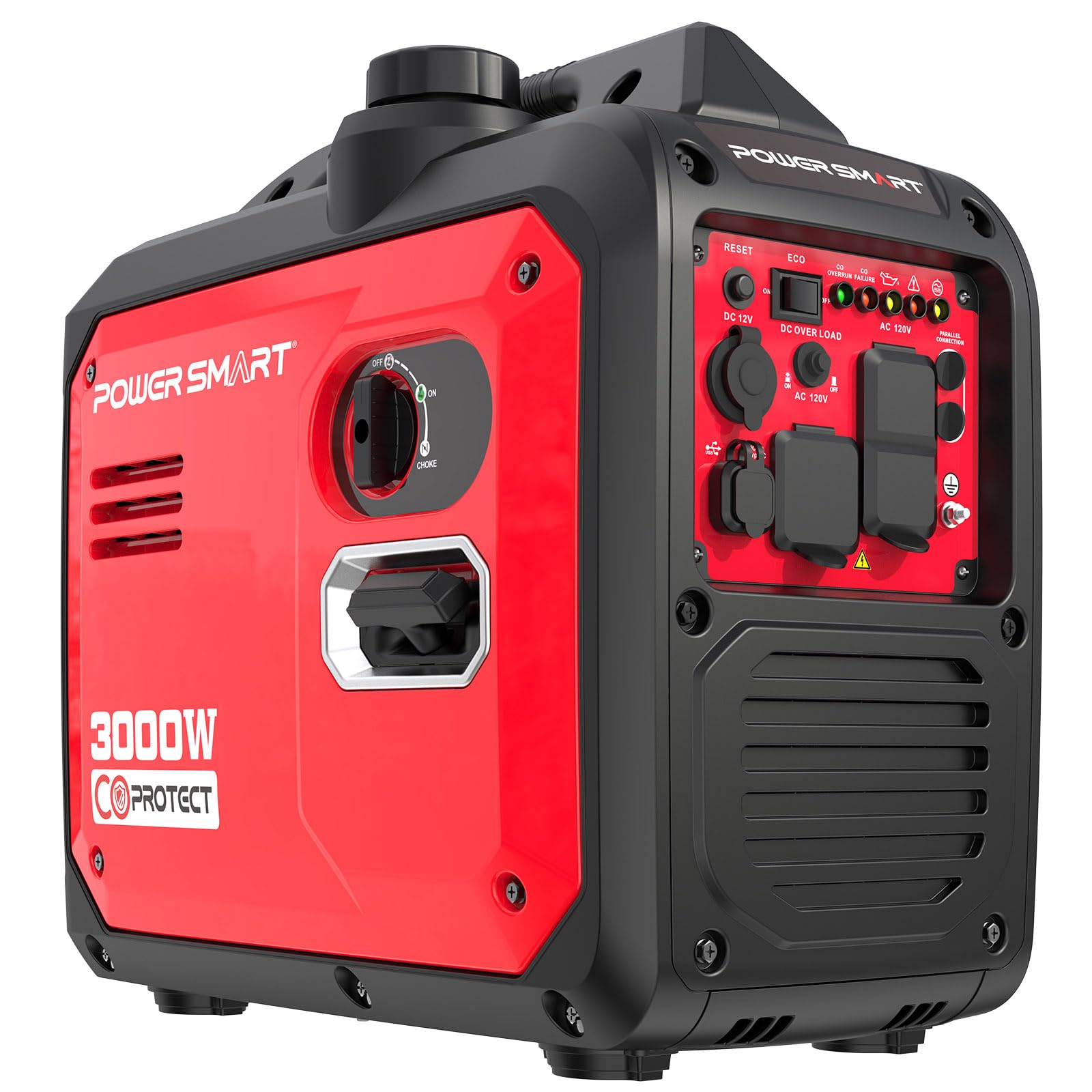
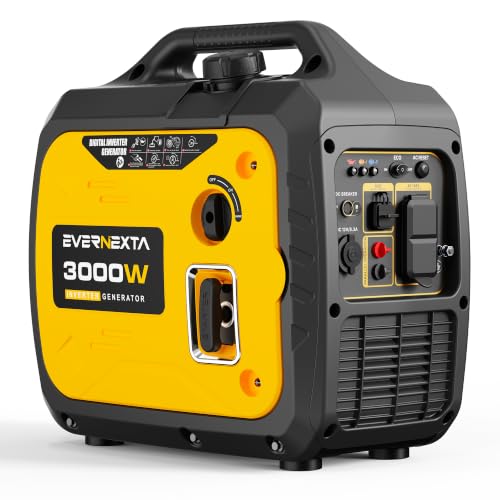
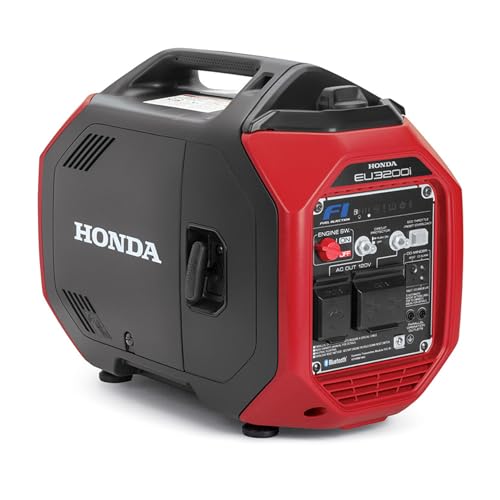

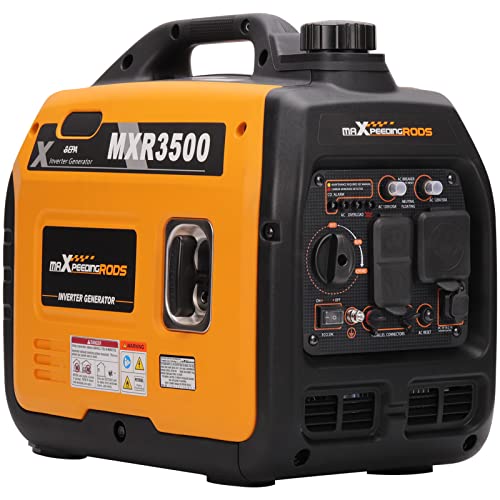
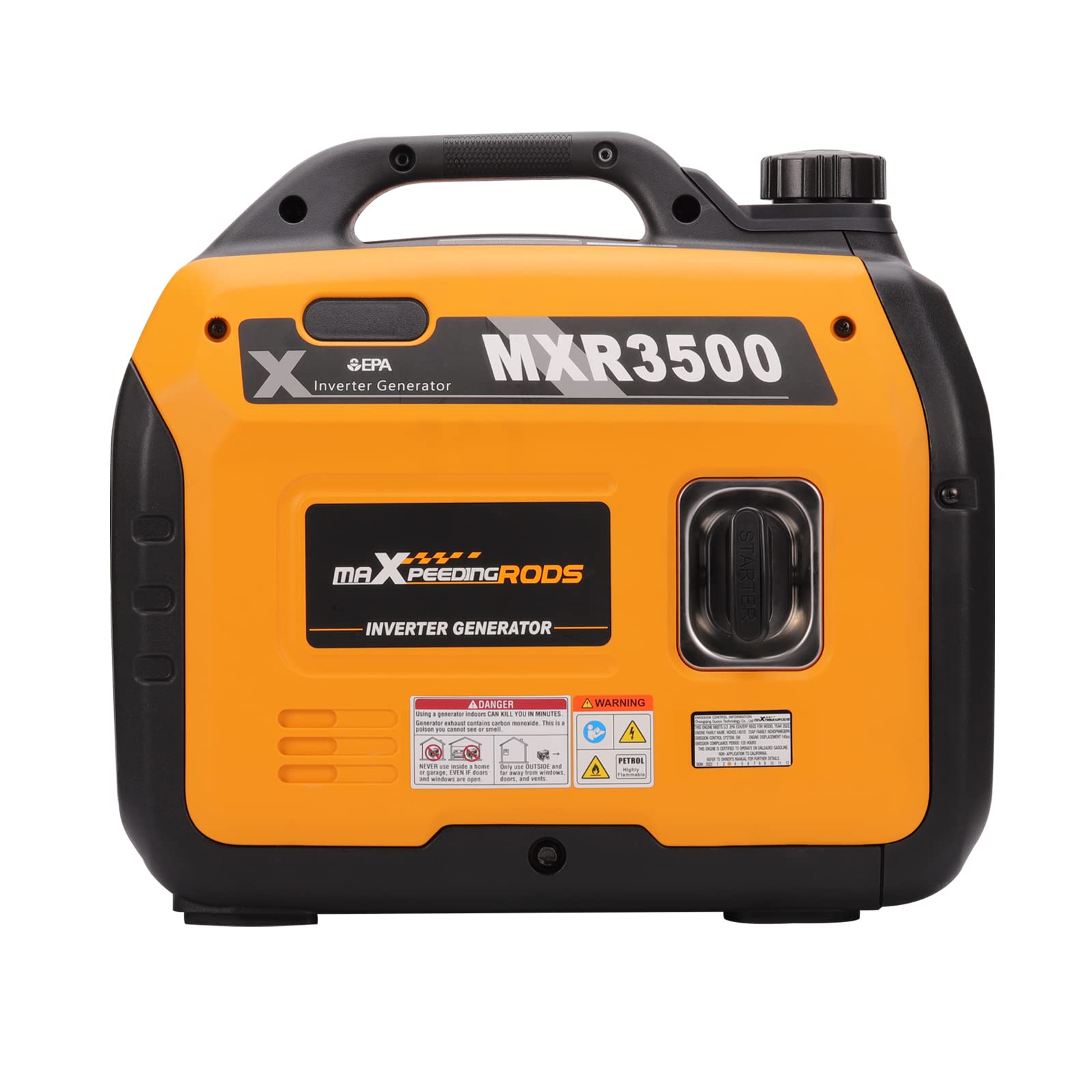
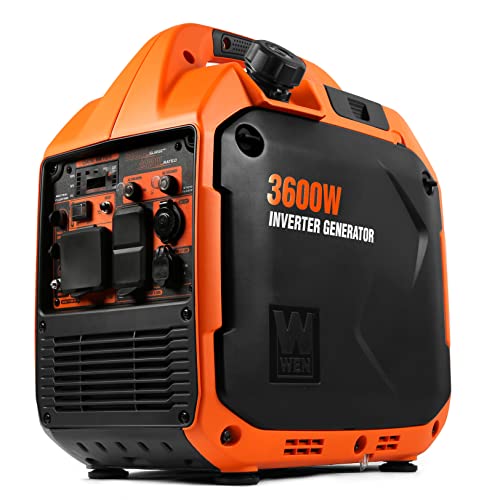
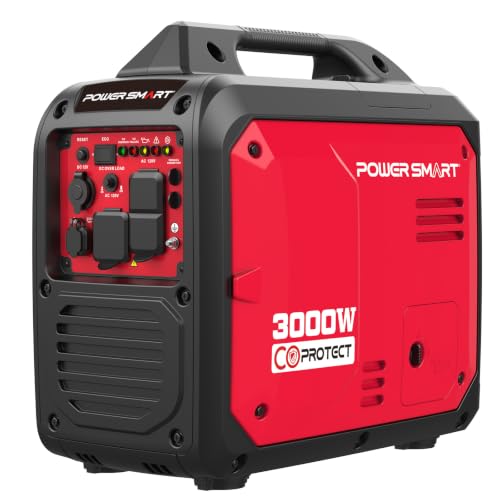
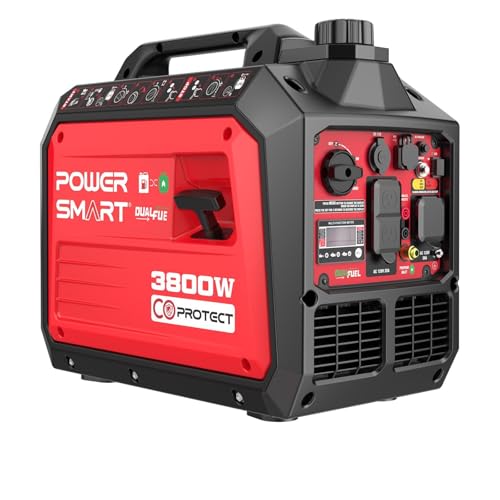
How 3000 Watt Inverter Generators Compare to Other Options
An inverter generator converts engine power into clean, stable electricity and varies engine speed with demand. That design shapes every comparison below, from noise and fuel use to the safety of the electronics you plug in.
3000 Watt Inverter Generators vs Portable Generators
Against conventional portable generators, inverters are quieter, lighter for their output and far cleaner in power quality, with distortion usually under 3 percent. Conventional models cost less per watt and tolerate rough handling, but they run at constant speed, use more fuel at light loads and produce higher distortion. If you power laptops, televisions or appliances with electronic controls, the inverter advantage is practical, not cosmetic. If you only run job site tools outdoors, a conventional portable may serve at lower cost, provided noise is acceptable.
3000 Watt Inverter Generators vs Home Standby Generators
Standby generators start automatically, run on a fuel line and power home circuits through a transfer switch without any setup during a storm. Inverter portables require manual setup, refueling and cord or inlet connections, but they cost far less, need no permits and can travel to campsites, cabins and job sites. Capacity also differs, since standby systems are usually sized for much larger home loads. Choose standby for automation at home, and choose an inverter portable for flexibility, lower total cost and use in more than one place.
3000 Watt Inverter Generators vs Dual Fuel Generators
Dual fuel is a fuel option rather than a separate power type, and many inverter models offer it. Gasoline gives full output and easy refueling, while propane stores for long periods without going stale and burns cleanly in the engine. Propane usually gives slightly lower maximum output and needs a tank connection, but it suits preparedness storage well. If you already keep propane for grilling or heating, dual fuel adds real convenience. If you refuel often at stations, gasoline only models keep weight and cost down.
For the broader non inverter view, see our guide to the best 3000 watt generators covering conventional, standby and battery options together.
Who Should Choose 3000 Watt Inverter Generators?
Campers and RV travelers should choose this class when they need quiet power that respects campground rules and can run a small air conditioner or microwave one at a time. Homeowners should choose it for outages focused on refrigeration, lights, internet, medical device charging within its limits and a furnace fan through a proper connection. Tailgaters and vendors benefit from clean power for electronics plus modest weight for transport. You should choose another type if you need to run large electric appliances at once, power a whole home automatically, or supply rough job site loads all day at the lowest possible price. In those cases a larger portable, a standby system or a conventional model fits better.
Shoppers comparing quality across sizes can also see our guide to the best rated inverter generators for how ratings and owner feedback vary by class.
How to Choose the Right 3000 Watt Inverter Generator
Noise Level (dBA)
Look for a noise rating measured at a stated distance and at partial load, because that reflects campsite and nighttime home use better than a full load figure. Inverter models are quietest at light loads, when the engine slows down, and louder when an air conditioner or microwave runs. Campgrounds often set quiet hours and generator hours, so confirm park rules as well as the rating itself. At home, placement matters. Greater distance from windows, a sheltered spot that still allows airflow, and exhaust direction all change how loud a unit seems to neighbors.
Fuel Type (Gasoline, Propane, Dual Fuel, Natural Gas, Solar)
Gasoline is energy dense and simple, but it needs stabilizer for storage and regular rotation so it stays fresh. Propane stores almost indefinitely in a sealed tank and suits dual fuel models kept for emergencies, with slightly lower output on many units. Natural gas applies mainly to standby systems rather than portables. Solar applies to battery power stations, which are silent but limited by stored energy. Runtime claims depend on load, so compare hours at quarter load and half load rather than trusting a single headline number.
Generator Type (Portable, Inverter, Standby, Solar Power Station)
Within portables, closed frame inverter designs are quieter and better suited to camping and home backup near living spaces. Open frame inverter models cost less and cool well but give up some noise advantage. Weight is a practical part of type choice too, since a unit near 3000 watts can still be heavy with fuel when you lift it into a truck bed. Wheels, handles and parallel ports change daily usability more than small watt differences. Pick the form you can move, store and connect without help.
RV focused readers should see our guide to the best inverter generators for rv for shore power connections, air conditioner starting and campground noise details.
Clean Power (THD) for Electronics
Clean power means the output wave closely matches utility power, measured as total harmonic distortion. Inverter generators in this class typically stay under 3 percent, which is suitable for laptops, phones, televisions, game systems and modern appliance controls. This matters during long outages, when electronics run for hours rather than minutes. A carbon monoxide shutoff sensor is a related safety feature worth requiring, since it turns the unit off if gas builds up around it. Neither feature removes the need for outdoor placement and distance from openings.
For portable specific comparisons, see our guide to the best rated portable inverter generators alongside the options in the table.
Best 3000 Watt Inverter Generators for Specific Needs
Best What Are the Best 1000 Watt Inverter Generators: Which Type Works Best
People asking what are the best 1000 watt inverter generators usually need very light, quiet power for charging, lights, a laptop and small fans rather than motor loads. At that smaller size, weight and noise are the deciding criteria, and clean power still matters for electronics. A 1000 watt class unit cannot start most refrigerators or run a microwave, so step up to the 3000 watt class if food storage or cooking loads are part of your plan. You can reference the product table above for how the larger class compares in capacity, then choose the smaller type only when your load list is truly minimal.
Setup and Care Tips
Never run a gasoline or propane generator indoors or in a garage, and keep it at least 20 feet from doors and windows with exhaust aimed away from buildings. Place it on a level surface, let it cool before refueling and keep a fire extinguisher nearby during long runs. Run it monthly under load for about 20 to 30 minutes to keep the engine and fuel system ready, and follow the manual for oil changes and air filter checks. A practical know how step is to practice your full setup in daylight, labeling cords and loads, so an outage setup takes minutes rather than guesswork.
FAQs
How long can a 3000 watt inverter generator run continuously?
Runtime varies with tank size and load, and many models run about 8 to 18 hours at light load on a full tank in economy mode. Heavier loads shorten that range sharply. You can refuel and continue, but let the engine cool first and check oil during extended outages. For multi day use, follow the manual on oil intervals and air filter inspection, since continuous running accumulates engine hours quickly.
What size generator do I need to power a house?
You need a size based on your essential circuits, not on total home square footage. A 3000 watt inverter can cover refrigeration, lights, internet, device charging and a furnace fan for many homes when large appliances are excluded or rotated. Central air, electric dryers and electric water heaters push needs well beyond this class. List each essential load with running and starting watts, add them realistically, and keep a margin for surges.
Can a generator run a refrigerator?
Yes, this class can run most refrigerators, including their startup surge, with room for small loads if you start items in sequence. Start the refrigerator alone, let the compressor settle, then add lights and chargers. Avoid starting a microwave or pump at the same moment as the refrigerator compressor. If your unit trips, reduce other loads and check whether an older refrigerator draws more than its label suggests.
Inverter or conventional: which is better?
An inverter is better when you value quiet operation, fuel savings at light load and clean power for electronics. A conventional generator is better when lowest purchase price and simple, rugged construction matter more than noise. Both can share a similar watt rating while behaving very differently in a campground or neighborhood. Choose by setting and by what you will plug in, because those factors decide satisfaction more than the headline number.
Do I need a transfer switch?
You need a transfer switch or an approved inlet and interlock setup to power home circuits through your panel safely. You do not need one for appliances plugged directly into the generator with suitable cords. Never connect a generator to home wiring through a regular outlet, because backfeeding can injure utility workers. Have a licensed electrician install and explain the switching process before you rely on it during an outage.
Homeowners who outgrow this class can compare our guide to the best 5000 watt generators for the next step in capacity.
The Bottom Line
Confirm your load list, require clean power and low noise for your setting, and choose fuel based on how you store and refuel. Those checks matter more than small differences in rated watts. Use the product table above to compare the best 3000 watt inverter generators against that checklist before you decide.