Best 3000 Watt Generators in 2026: Which Type Is Right for You?
Disclosure: We may earn a commission when you buy through links on this page, at no extra cost to you. As an Amazon Associate I earn from qualifying purchases. Learn more
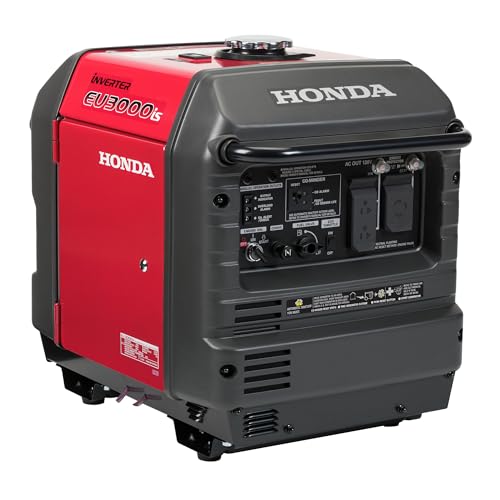
Compare types in this guide to the best 3000 watt generators, covering running watts, noise, clean power, fuel options, safety and home connection.
A 3000 watt rating sounds simple until you meet starting watts, fuel choices and four very different machine types. The best 3000 watt generators for a campsite, a food truck and a home during an outage are not the same machine. This guide compares each type by what it does well, where it falls short and who should choose it.
Use the comparison table below to see typical price tiers and strengths at a glance. Then work through the sizing section with your own appliance list, because correct sizing prevents both overload shutdowns and wasted spending on capacity you will never use.
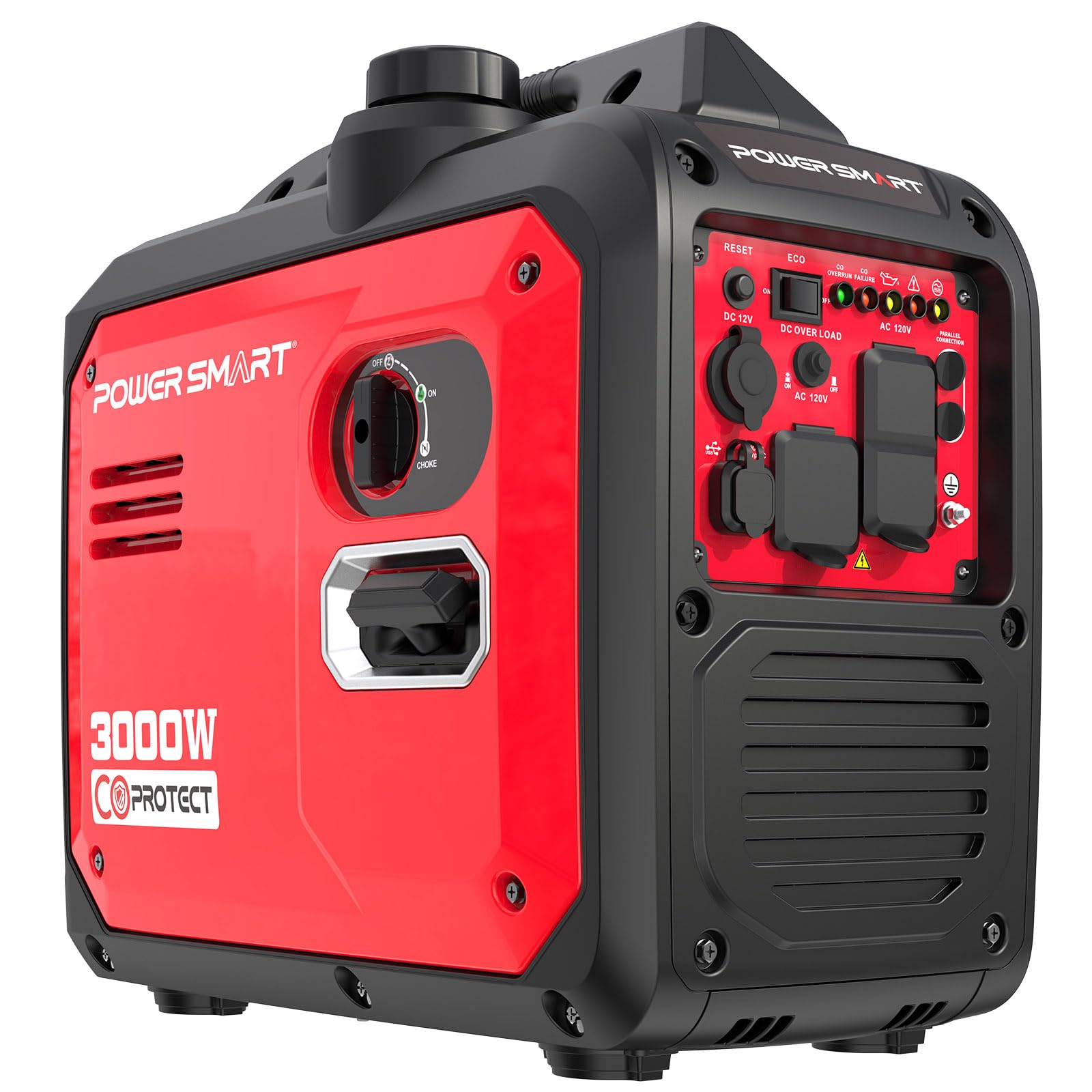
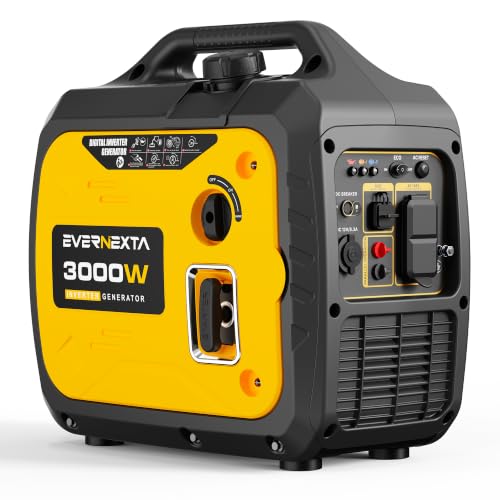
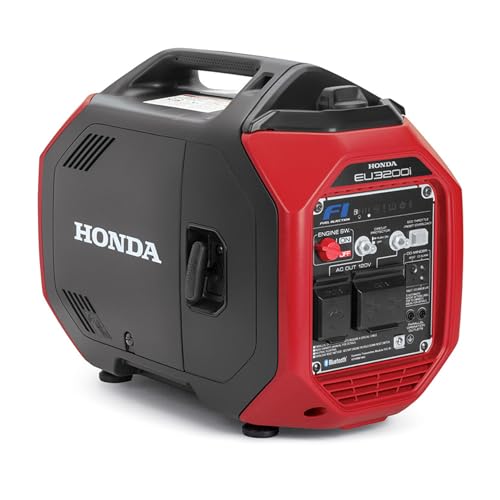

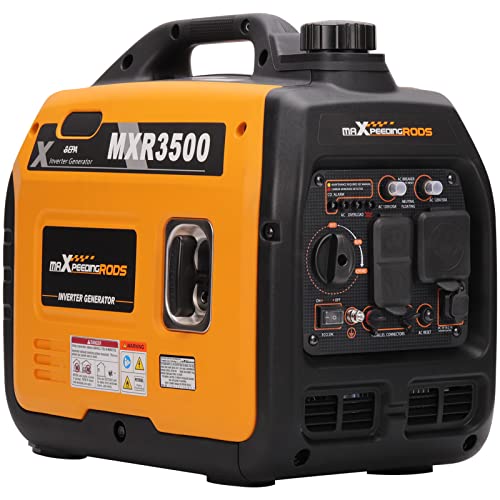
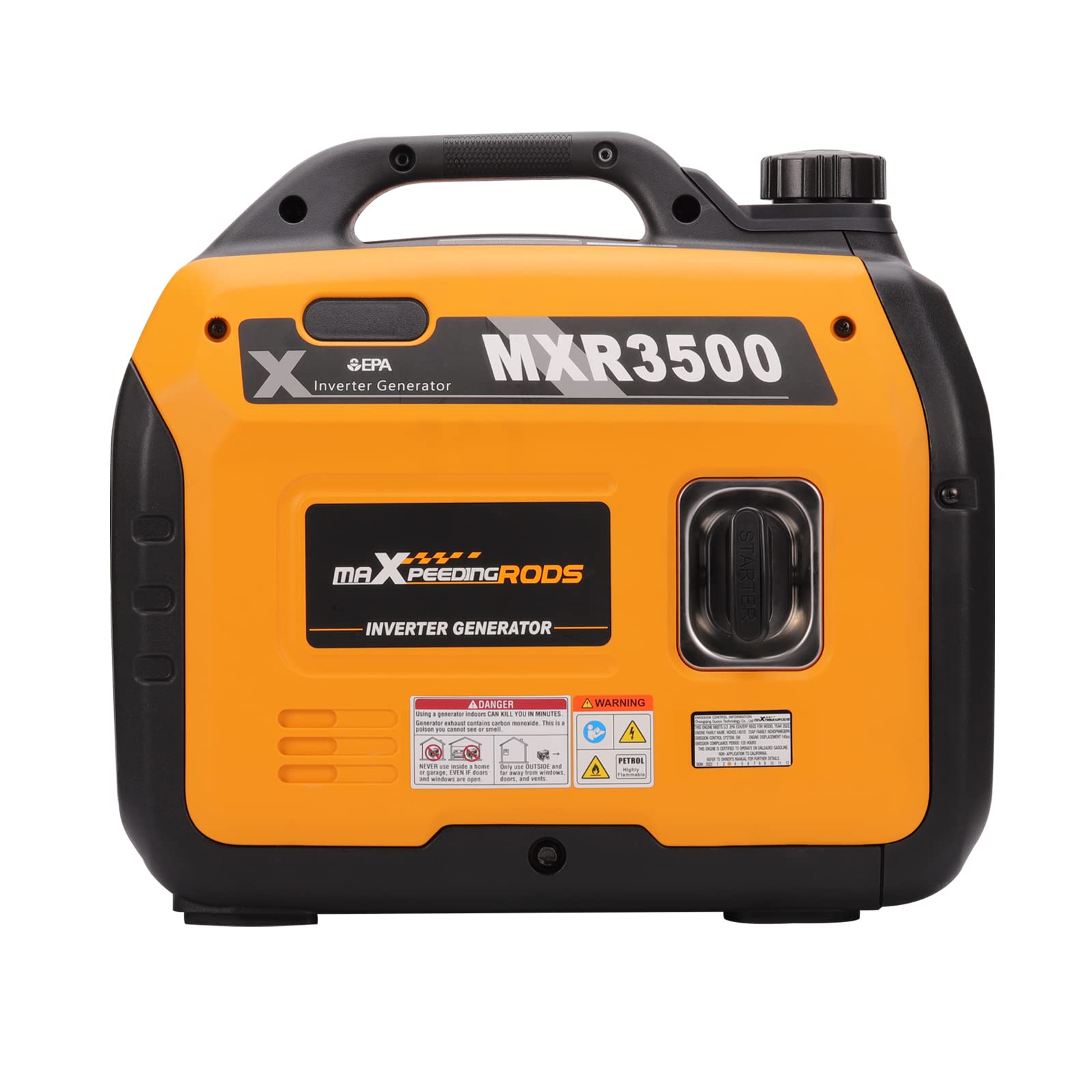
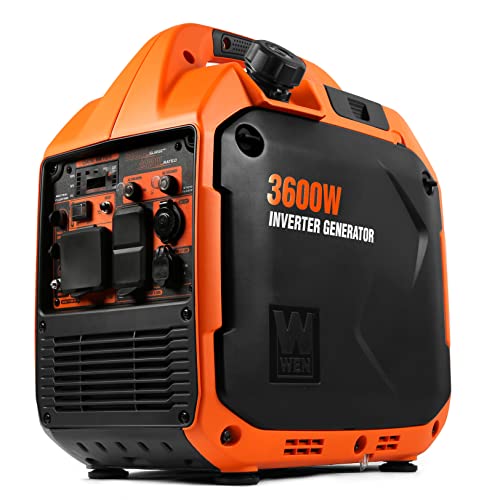
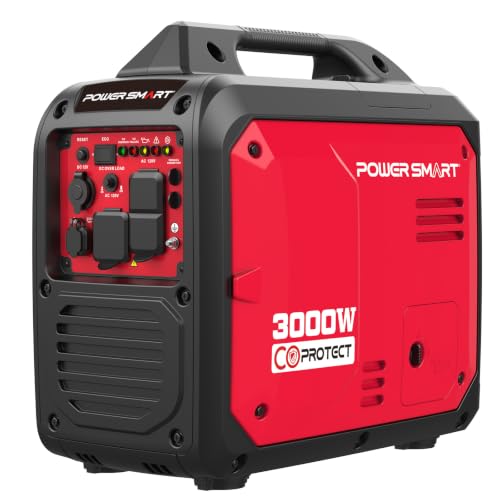
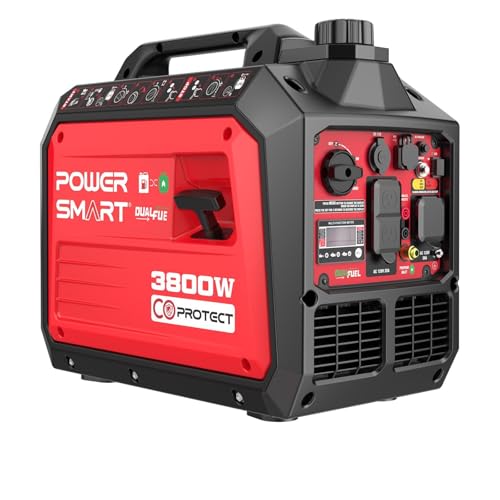
Types of 3000 Watt Generators Compared
All four types below can deliver power near this class, but they differ in fuel, noise, runtime and installation. Read each type with your main use in mind, whether that is quiet camping, indoor safe backup for a few devices, or automatic home coverage.
Solar Generators and Portable Power Stations
These battery based units store energy in a battery, often using lithium iron phosphate cells, and deliver it through outlets without fumes or engine noise. That makes them safe for indoor use and ideal for phones, laptops, lights and small medical devices with modest draw. Their limit is stored energy. Once the battery is empty, you need sunlight, wall power or a vehicle to recharge, and running a refrigerator for days requires a large battery and panel setup. They suit short outages and quiet settings best, at a higher cost per watt than fuel models.
Home Standby Generators
Standby units are installed permanently outside the home, connect to natural gas or propane and start automatically when utility power fails. At the 3000 watt level they are uncommon, since most whole home standby systems are much larger, but the type matters for comparison. The strengths are convenience, automatic transfer and long runtime on a fuel line. The costs are installation, permits and maintenance, and the capacity is fixed to your home rather than portable. Choose this route only if automatic coverage matters more than portability and total price.
Inverter Generators
Inverter models produce clean power with low total harmonic distortion, which makes them safe for laptops, televisions and modern appliances with sensitive controls. They adjust engine speed to load, so they run quieter and use less fuel during light demand than conventional models. Many offer parallel capability, letting you link two units for more capacity later. Their limits are price and modest surge capacity compared with larger conventional machines. For camping, tailgating and home backup focused on electronics, this is often the most balanced type.
If clean power is your main concern, see our guide to the best 3000 watt inverter generators for a deeper look at noise and distortion ratings.
Portable Generators
Conventional portable generators use a fixed speed engine and a simple frame design, delivering strong value per watt and straightforward repair. They handle tools, pumps and appliances with motor surges well for their price. The trade offs are noise, heavier fuel use at light loads and higher distortion that makes them a weaker match for delicate electronics. Open frame designs are loud for campsites and close neighbors. Choose this type for job sites, farm use and budget home backup where noise matters less than raw output and durability.
Solar Generators and Portable Power Stations vs Home Standby Generators: Which Should You Choose?
Choose a power station if you need silent, indoor safe power for small loads during short outages and you can recharge between uses. Choose a standby system if you want automatic start, long runtime on a fuel line and no manual setup during a storm. On cost, power stations cost less to install but more per stored watt hour, while standby systems demand professional installation and permits. On capacity, standby units support larger home loads for days, while a power station must be sized carefully in watt hours, not just watts. For most portable needs, neither extreme is required, and a fuel inverter model fills the middle ground well.
How to Choose the Right 3000 Watt Generator
Wattage: Running vs Starting Watts
Running watts are what a machine sustains, while starting watts cover the brief surge when a motor starts. Add the running watts of everything you plan to run at once, then add the largest single starting surge among those items. A refrigerator might run at about 150 watts but surge several times higher at startup, and a sump pump or small air conditioner can surge higher still. Keep a steady load below about 80 percent of rated running watts for longer engine life and fewer overload trips.
Transfer Switch and Home Connection
A transfer switch connects a generator to selected home circuits safely and prevents backfeeding, which can injure utility workers and damage equipment. Never plug a generator into a wall outlet to feed your home wiring. A licensed electrician should size and install the switch, inlet box and breaker arrangement for your panel. Portable cord connections suit single appliances well, but a switch is the correct route for furnaces, well pumps and hardwired loads. Budget for this installation when you plan home backup, not after the first outage.
Households that find 3000 watts too small should compare our guide to the best 5000 watt generators before deciding to manage loads by rotation.
Noise Level (dBA)
Noise is measured in decibels, and small differences matter because the scale is not linear. Inverter models at light load are often quiet enough for campground rules and conversation nearby, while open frame portables are much louder at the same distance. Check the distance used for any rating, since makers do not all measure at the same distance or load. Consider your setting honestly. A unit that is acceptable on a work site may draw complaints in a dense neighborhood during a long outage, especially overnight.
Clean Power (THD) for Electronics
Total harmonic distortion describes how clean the output wave is, and lower is safer for electronics. Inverter generators commonly hold distortion under 3 percent, similar to utility power, while conventional portables can run much higher. Sensitive items include laptops, gaming systems, modern televisions and appliances with electronic controls. If you plan to power those items for hours, clean power is not a luxury feature. It protects the devices you bought the generator to support, and it also tends to come with quieter, more efficient operation.
Generator Type (Portable, Inverter, Standby, Solar Power Station)
Return to type after you know your wattage, noise and power quality needs, because type bundles those traits together. Portable conventional models win on price and surge strength, inverters win on noise and clean output, standby units win on automation, and power stations win on indoor safety and silence. Dual fuel versions add flexibility, since propane stores longer than gasoline and runs cleanly, though it gives slightly less output on many models. Match the bundle to your main scenario rather than to a rare worst case you can manage by rotating loads.
For larger homes and heavier loads, see our guides to the best 8000 watt generators and the best 10000 watt generators to understand where this size class stops being enough. Very large properties may even compare the best 15000 watt generators for whole home coverage.
Tips to Get the Most From Your 3000 Watt Generator
Never run a gasoline or propane generator indoors or in a garage, even with the door open, because carbon monoxide can build up quickly and without warning. Keep the unit at least 20 feet from doors and windows, with exhaust pointed away from the home, and install battery powered carbon monoxide alarms inside. Run the generator monthly under a small load to keep it ready, keep fresh treated fuel or a propane supply on hand, and change oil on the schedule in the manual. A practical know how step is to label the cords and circuits you plan to use, so setup during an outage is calm and quick.
3000 Watt Generators: Your Questions Answered
Can a generator run a refrigerator?
Yes, a 3000 watt generator can run most home refrigerators, including the startup surge, with capacity left for lights and small devices. Start the refrigerator first and let its motor settle before adding other motor loads. Avoid starting a refrigerator, sump pump and microwave at the same moment. If your refrigerator is very large or older, check its nameplate watts and test the setup before an actual outage.
Do I need a transfer switch?
You need a transfer switch if you want the generator to power hardwired circuits such as a furnace, well pump or selected outlets through your panel. You do not need one to run individual appliances on extension cords rated for the load. Never backfeed through an outlet, because that practice endangers utility crews and can damage your wiring. Have an electrician confirm what your panel can accept.
Inverter or conventional: which is better?
An inverter is better for electronics, quiet settings and light load fuel use, while a conventional model is better when price and simple construction matter most. Inverters cost more for the same watts but give clean power and lower noise. Conventional units tolerate rough job site use well. Decide by what you will power and where, not by wattage alone, since both types can share the same headline rating.
What size generator do I need to power a house?
The size depends on which loads you call essential, because powering a whole house is very different from powering selected circuits. Many homes run lights, refrigeration, internet, a furnace fan and a few outlets within 3000 to 5000 watts if large appliances are rotated or excluded. Electric water heaters, dryers and central air raise needs sharply. List your essentials with their watts first, then choose a size with margin for motor surges.
How long can a 3000 watt generator run continuously?
Runtime depends on tank size and load, and many models in this class run about 8 to 12 hours at moderate load before refueling. Let the engine cool before refueling, and check oil during long runs, since some models consume oil slowly over extended use. Continuous duty for days requires oil checks, air filter checks and rest periods as the manual directs. Power stations differ, since their limit is battery capacity rather than a fuel tank.
Our Verdict
Size by running and starting watts, demand clean power for electronics, and plan the home connection safely before price enters the decision. Inverter models suit most campers and homeowners in this class, while power stations serve quiet indoor needs. Review the product table above and select from the best 3000 watt generators with your load list in hand.