Best 3 Zone Mini Splits (2026): Types Compared and Buying Guide
Disclosure: We may earn a commission when you buy through links on this page, at no extra cost to you. As an Amazon Associate I earn from qualifying purchases. Learn more

A practical guide to the best 3 zone mini split: wall mounted and ceiling cassette systems, plus capacity, heating, and noise.
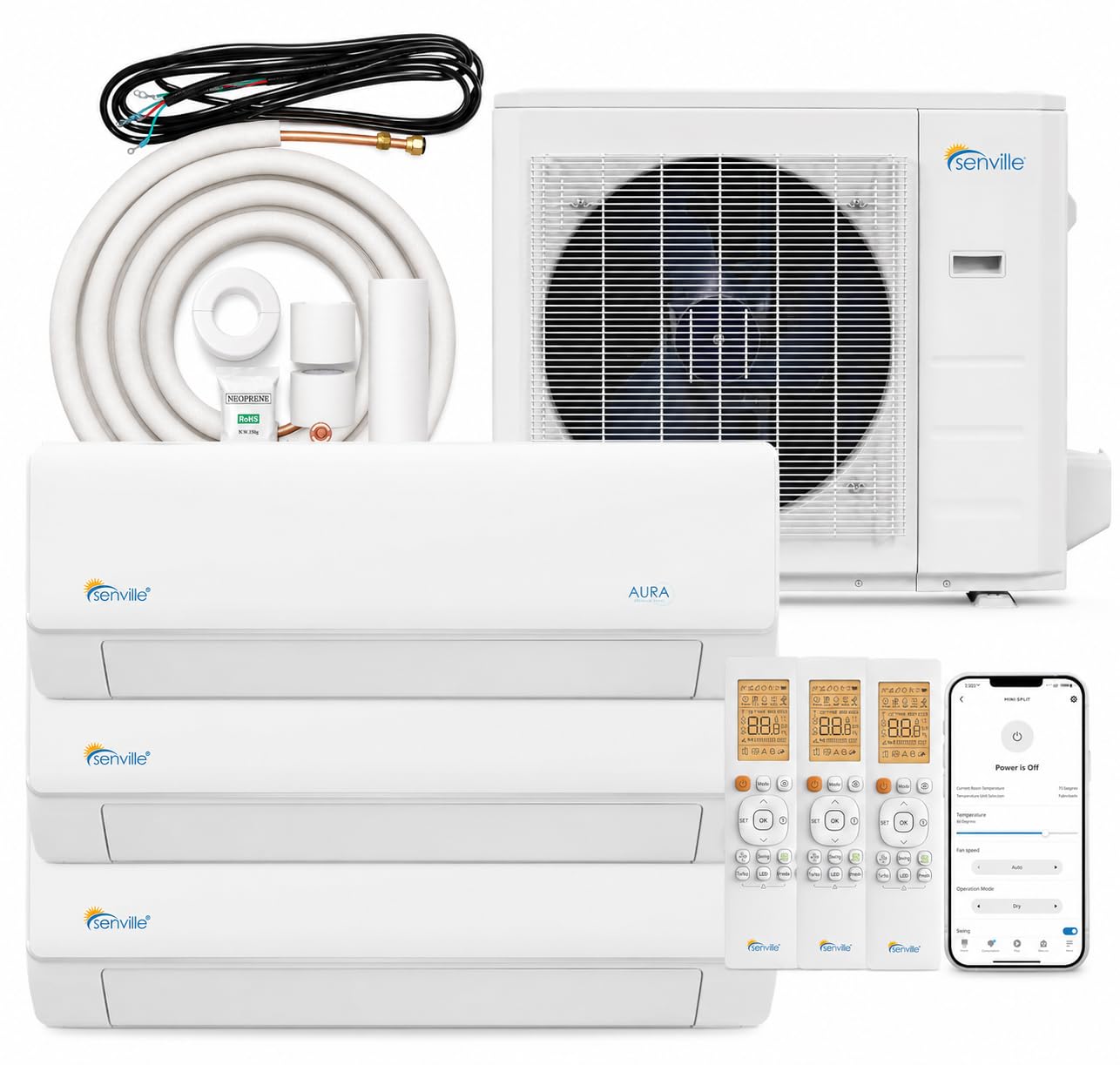
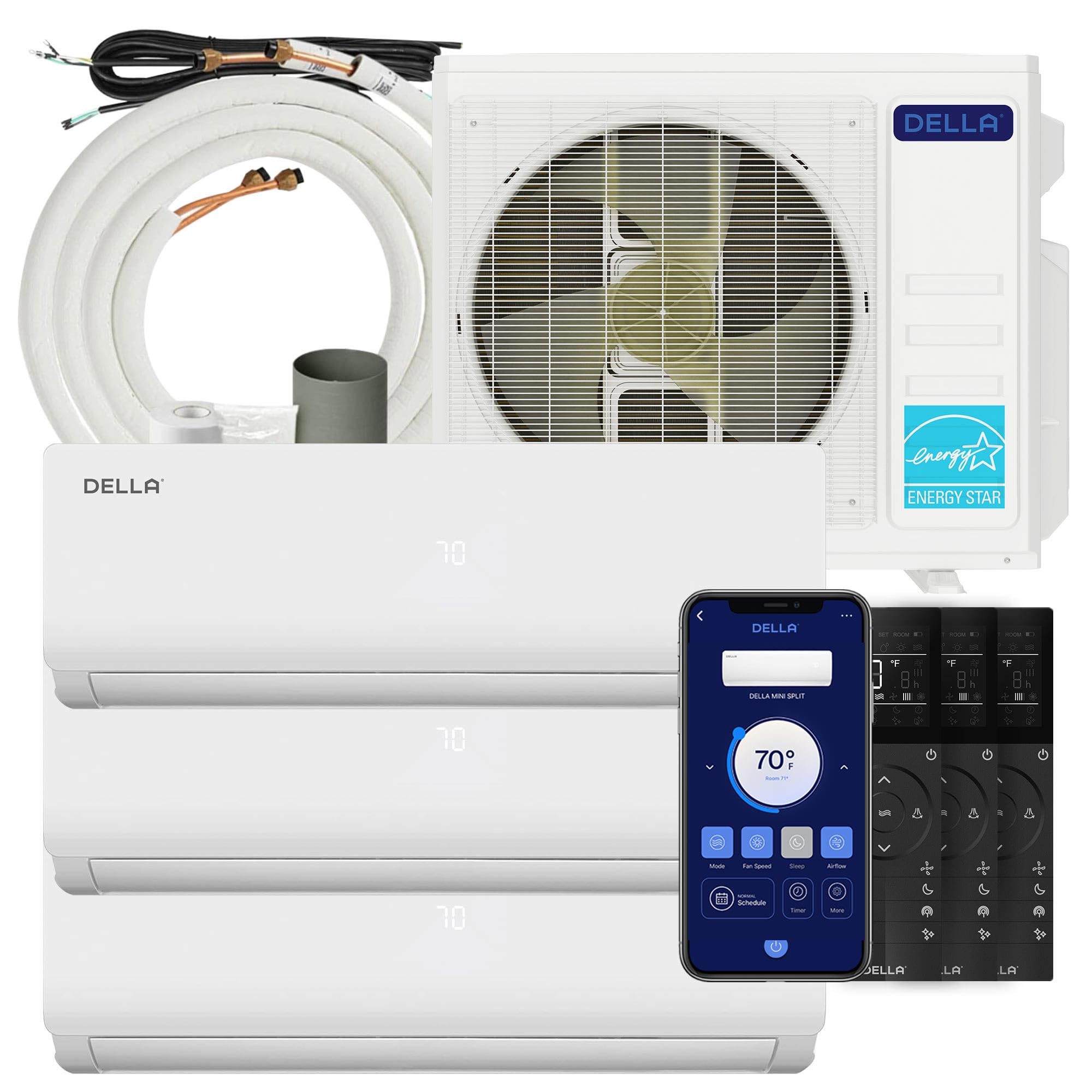
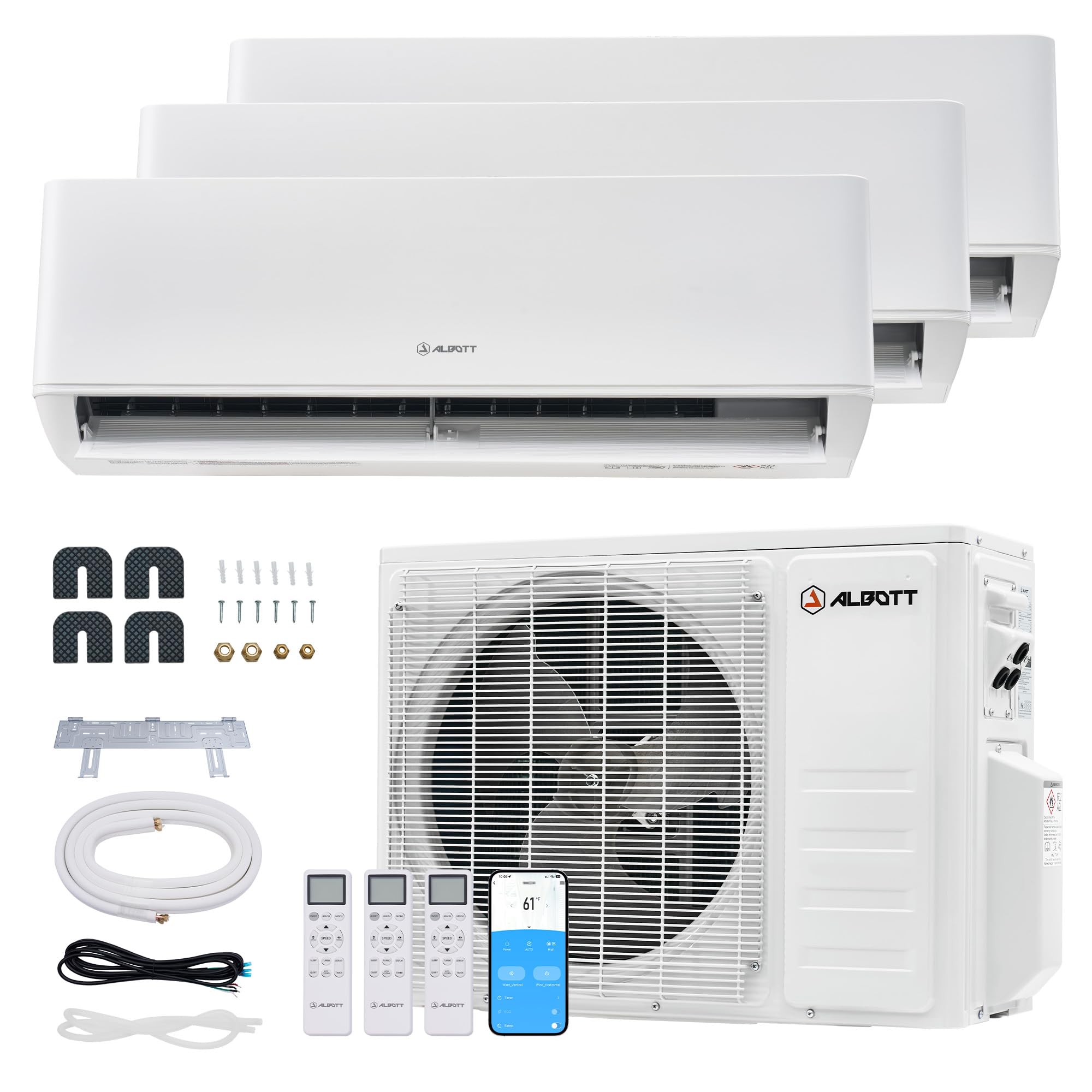
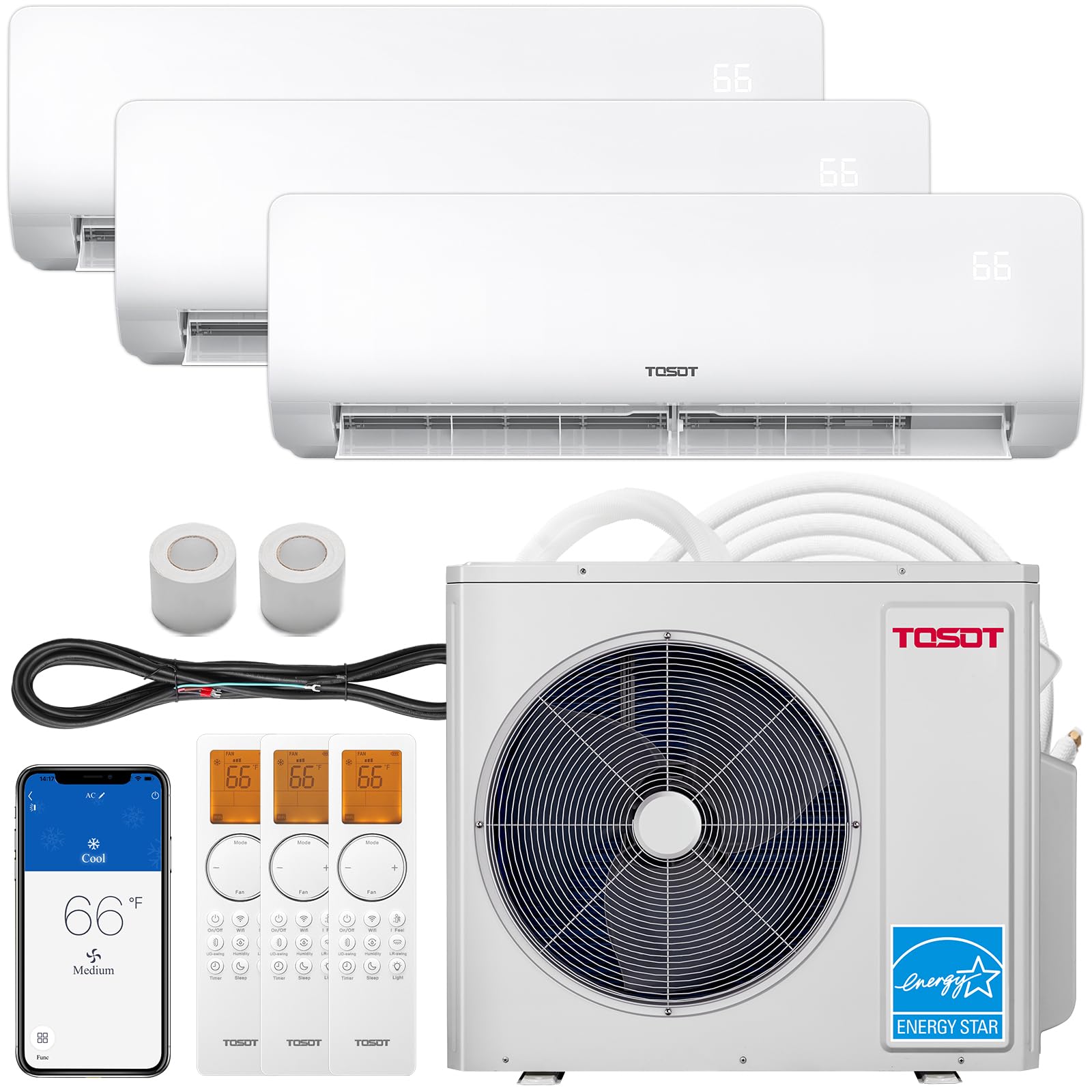
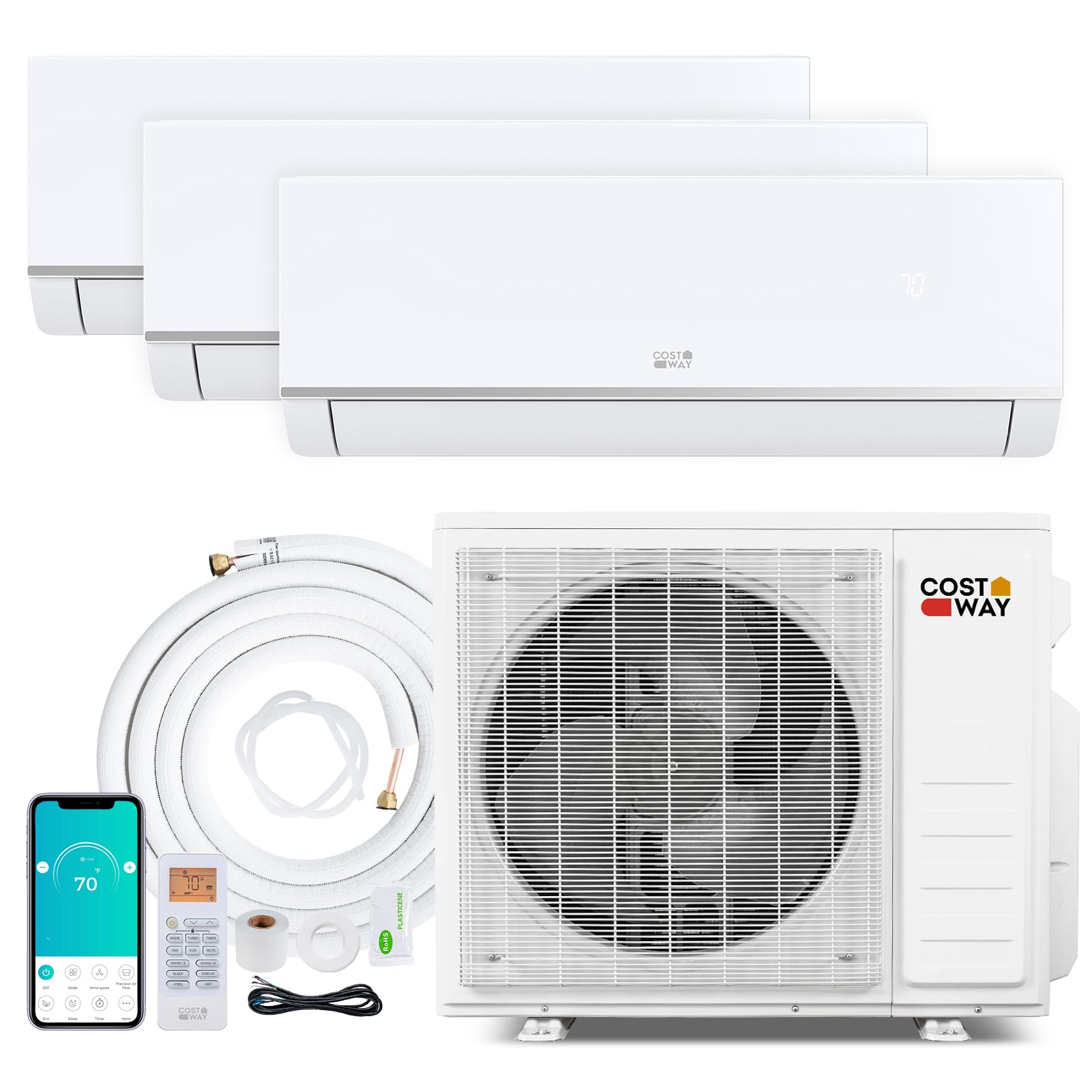
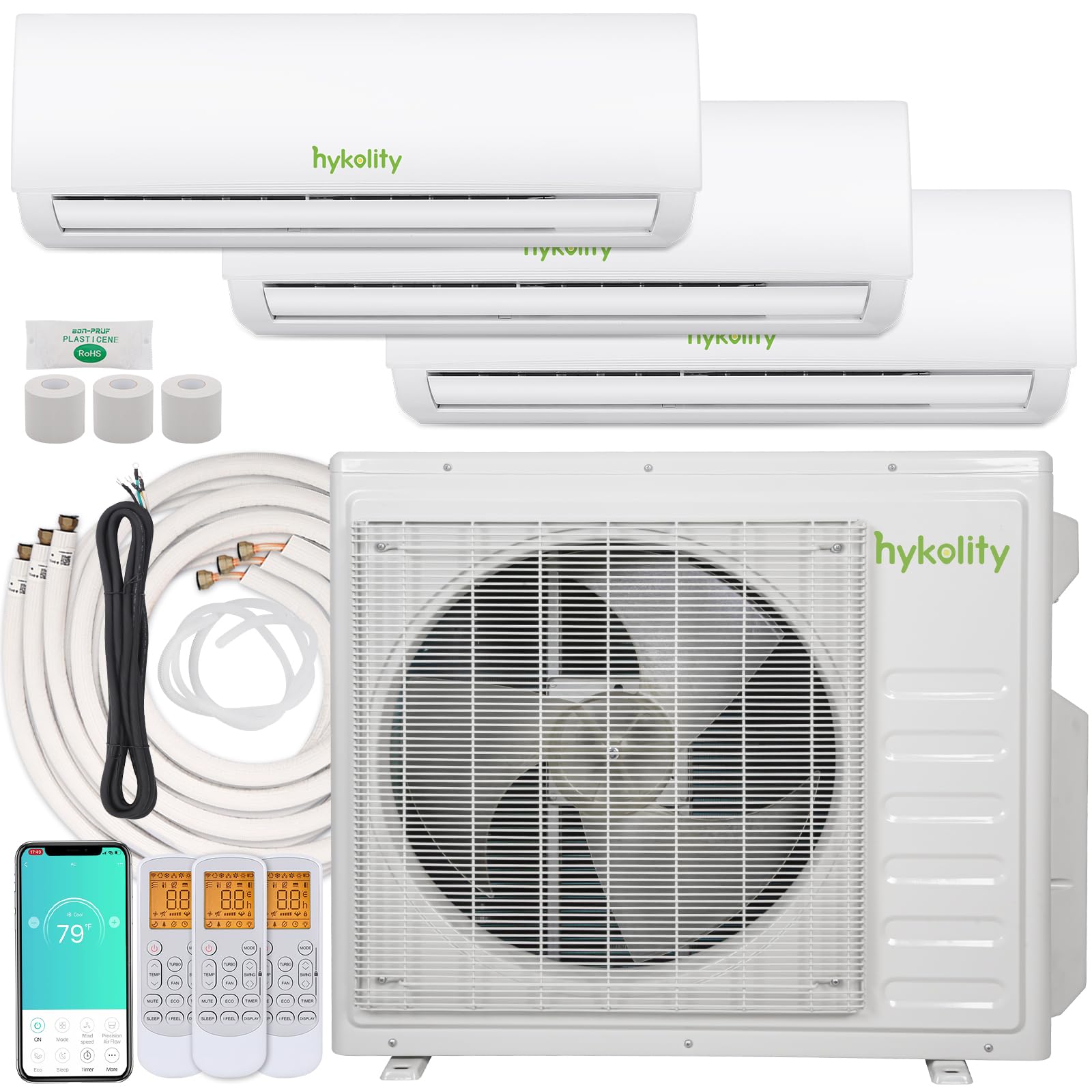
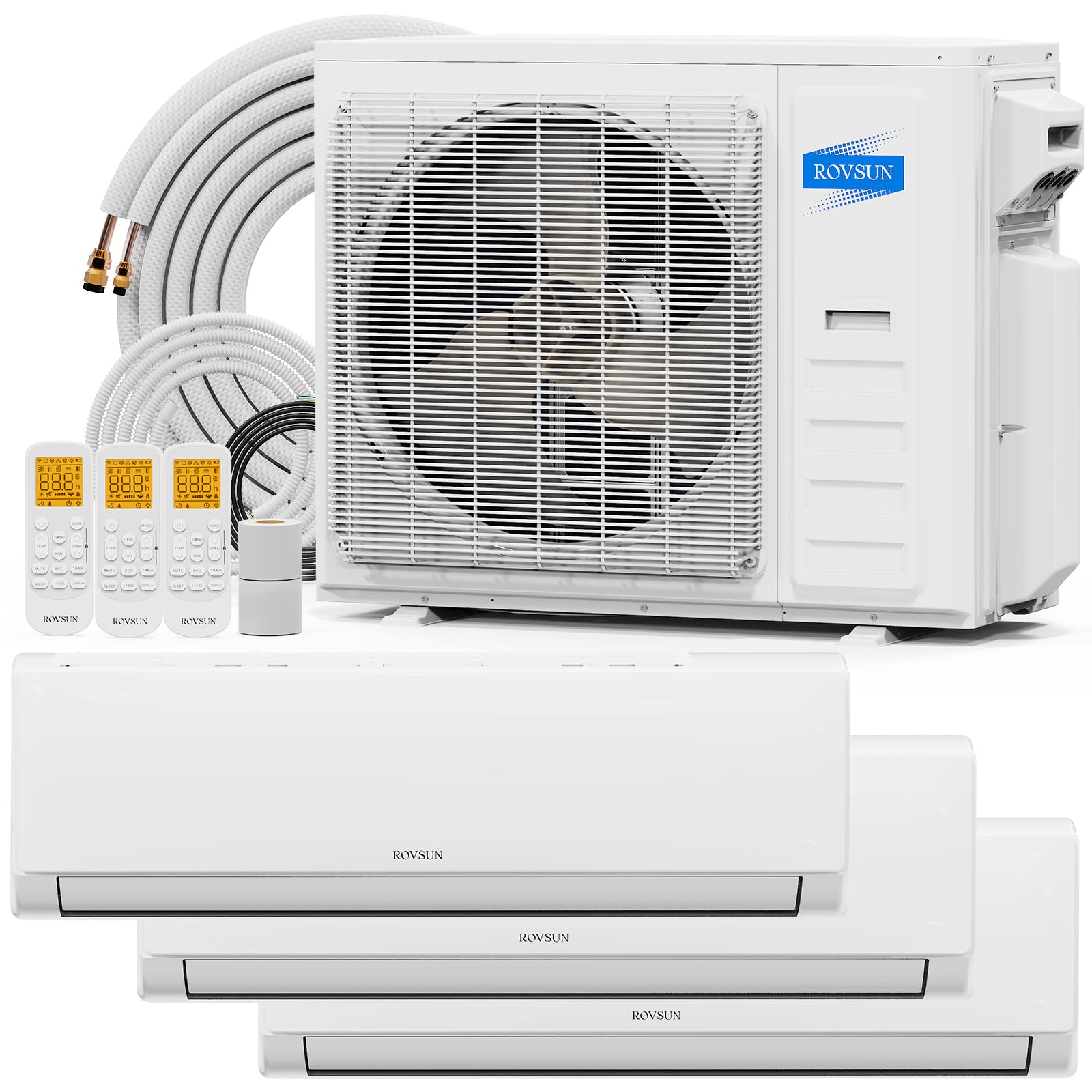
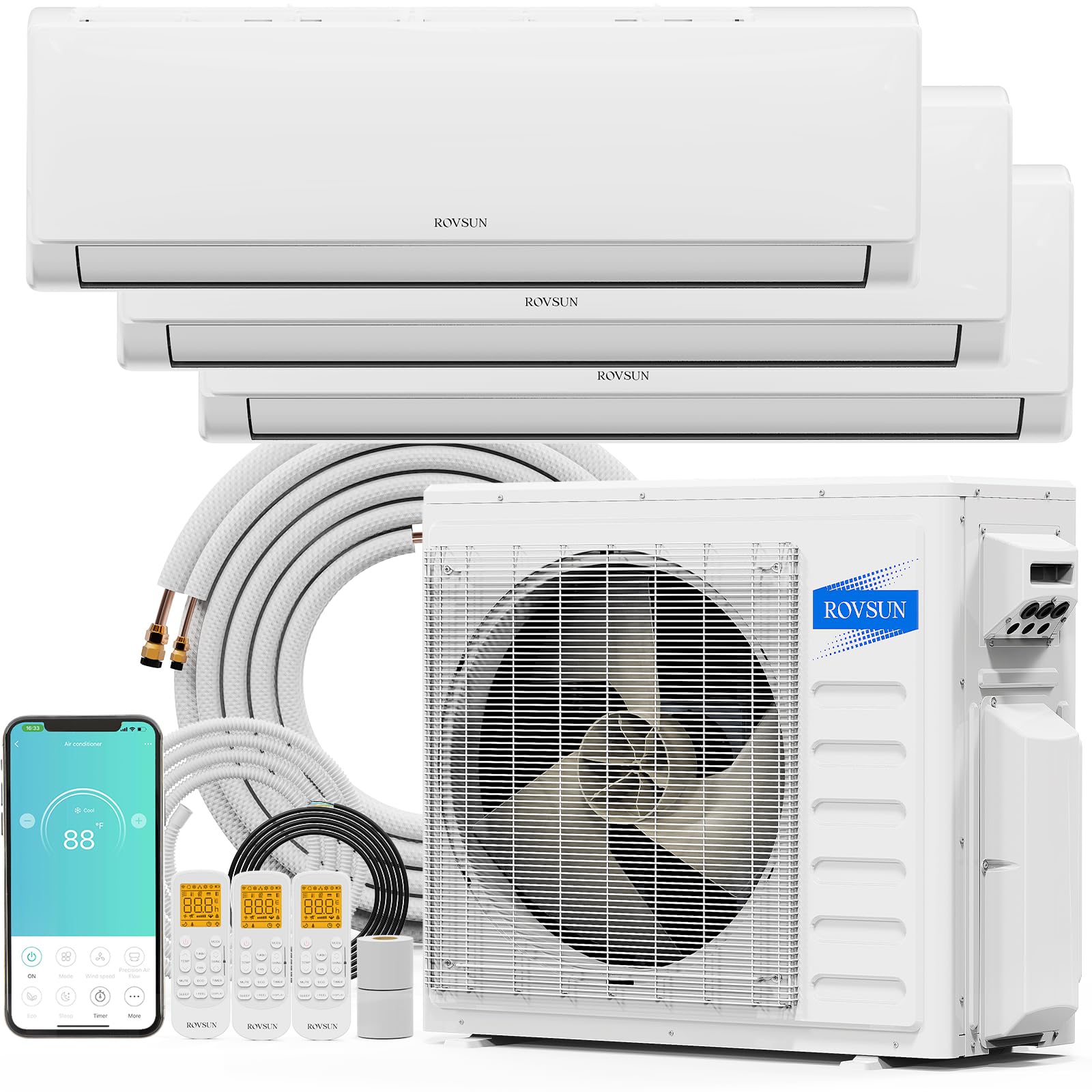
Cooling three rooms with one system sounds simple until you add up room sizes, sun exposure, and ceiling heights. One room runs hot in the afternoon, another stays cool, and a third only needs heat in winter. A best 3 zone mini split setup solves that problem by linking three indoor units to one outdoor unit, so each space gets its own temperature setting. The comparison table below lays out the main types side by side so you can see how capacity, efficiency, and noise differ before you read the details.
This guide covers sizing, unit styles, heating, running costs, and upkeep. If you only need one room covered, our guide to the best mini split covers simpler options.

Who Should Buy a 3 Zone Mini Split?
A three zone system suits homes where three spaces need separate control but a ducted system feels like too much work or cost. Each group below has a distinct pattern of use that should shape your choices.
Households With Three Distinct Living Areas
You may have a living room, a main bedroom, and a home office used at different hours and needing different settings. A three zone system lets the office stay cool during work hours while the bedroom stays warmer and uses less energy. Separate controls mean nobody has to compromise on one shared setting. This group benefits most from quiet units and strong scheduling tools.
Homeowners Replacing Window Units in Several Rooms
If you are tired of lifting window units in and out each season, a three zone system gives you permanent cooling without blocking windows or letting in street noise. You also gain heating from the same units, which window units rarely provide well. This group should weigh install cost against the comfort and security gains.
Owners of Additions and Guest Spaces
An addition, a converted garage, or a guest suite often has no ducts and uneven temperatures compared with the rest of the house. Adding those spaces as zones brings them to the same comfort level without extending ductwork. A guest space can stay at an energy saving setting until visitors arrive, then cool down quickly.
Key Features to Compare
The features below decide how well a system fits your rooms day to day.
Total Capacity and How It Splits Across Zones
Total capacity is the outdoor unit rating in BTU, and common three zone totals run from about 18000 to 36000 BTU. That total is shared, so three indoor units rated at 9000 BTU each cannot all deliver full output at once if the outdoor unit is rated at 24000 BTU. In practice rooms rarely peak at the same moment, so a shared total often works fine. Still, add up your room loads and leave some headroom for the hottest afternoon.
Indoor Unit Styles and Placement Options
Wall mounted units are the most common choice, since they install high on a wall and blow air across the room. Ceiling cassette units sit flush in the ceiling and spread air in four directions, which suits larger open rooms but needs ceiling space above. Floor mounted and slim duct units serve rooms where wall space is tight. Pick the style room by room if the system allows mixing, and place each unit where air can reach the whole space.
Inverter Operation and Part Load Efficiency
An inverter compressor speeds up and slows down to match demand instead of switching fully on and off. That steady running keeps temperatures even, cuts noise, and uses less power during the many hours when rooms need only gentle cooling. Efficiency is shown by SEER2 for cooling and HSPF2 for heating, and higher numbers mean lower running costs for the same output.
Heating Performance in Cool Weather
Most three zone systems are heat pumps, so they move heat into your rooms in winter as well as out of them in summer. Standard models keep working as outdoor air drops, but output falls, and cold climate models are built to hold capacity at much lower temperatures. Check the rated heating output at the winter temperatures your area actually sees. If heating is a main job for your system, our guide to the best heat pump mini split goes deeper on cold weather ratings.
Noise Ratings for Bedrooms and Quiet Rooms
Indoor unit noise is listed in decibels, and the lowest fan settings on good units fall near the level of a quiet whisper. That low setting is what you will hear at night, so compare the minimum figure rather than the louder high fan number. Outdoor unit noise matters if the unit sits near a patio or a neighbor window, and a solid level pad reduces vibration sound.
How to Choose the Right Mini Split
Work through the points below in order. Getting size right first prevents the most expensive mistakes.
Size and Form Factor
Indoor units commonly come in 9000, 12000, and 18000 BTU sizes, and a three zone system mixes sizes to fit each room. A small bedroom may need only 9000 BTU, while a large living room with tall windows may need 18000 BTU. Measure each room in square feet, then adjust for ceiling height, insulation, and strong afternoon sun. Our guide on what size mini split do i need walks through those adjustments room by room.
Type and Voltage
Nearly all three zone systems run on 230 volt power and need a dedicated circuit and an outdoor disconnect, installed to local code. Heat pump models give you heating and cooling, while cooling only models suit mild climates where heat comes from another source. Some systems are sold as kits with line sets included, while others need those parts bought separately. If you plan to install the system yourself, our guide to the best diy mini split explains which kits suit that route and where permits still apply.
Features Worth Paying For
Precharged line sets are worth paying for if you install the system yourself, since they remove the need for vacuum tools and refrigerant handling by a pro. WiFi control earns its cost when zones serve rooms on different schedules. Easy access filter panels save time on upkeep for years. Features you can usually skip include extra air freshening stages with costly refill cartridges and decorative lighting that adds price without changing comfort.
Room Size and Coverage Ratings
Coverage figures on listings assume average insulation and eight foot ceilings, so treat them as a starting point rather than a promise. A room with poor insulation, many windows, or a kitchen heat load needs more capacity than its square footage suggests. An oversized unit cools fast but shuts off before it removes much humidity, leaving the room feeling clammy. A careful load estimate beats simply buying the biggest unit in budget.
Running Cost and How Much to Spend
Running cost depends on your power price, how many hours each zone runs, and the efficiency ratings noted earlier. Three zones help you save when you condition only the rooms in use instead of the whole house. Equipment often falls in the range of about $2000 to $4000 before install labor, and lower priced systems tend to have lower efficiency, louder units, and shorter warranties. Professional install can add a sum similar to the equipment cost, so get the full installed price in writing.
Is a 3 Zone Mini Split the Right Size for You?
A three zone system fits when you have exactly three spaces that need their own settings and those spaces sit within line set reach of one outdoor unit. If you really have two main rooms plus a rarely used spare, a two zone system may cost less and run just as well. If you have five or more rooms to cover, two outdoor units may balance loads better than stretching one unit. Homeowners weighing a whole house project should also read our comparison of mini split vs central air to see how ductwork changes the math.
Line set length is the other limit to check. Every system lists a maximum length per zone and a maximum total, and rooms on the far side of a large house may exceed those limits.
Common Mistakes to Avoid
- Sizing all three zones the same when the rooms differ a lot in size and sun exposure, which leaves one room weak and another oversized.
- Adding up indoor unit ratings and assuming the outdoor unit can deliver that full total to every zone at the same time.
- Placing the outdoor unit where line sets must run past the listed maximum length, which cuts output and can void warranty cover.
- Mounting a bedroom unit so it blows straight at the bed, which feels drafty even at the right room temperature.
- Skipping the condensate drain slope during install, which leads to water dripping inside the room.
- Choosing a cooling only model in a climate where you later wish the system could also heat.
How to Make Your Mini Split Last Longer
Rinse or vacuum the washable filters in each indoor unit about once a month during heavy use, since clogged filters cut airflow and raise running costs. Keep the outdoor unit clear of leaves, grass, and snow, with open space around it so air moves freely. Run the fan mode for a short period after cooling on humid days to dry the indoor coil and reduce musty smells. Our full guide on how to clean a mini split covers the deeper coil and blower cleaning steps.
Book a professional service visit about once a year to check refrigerant charge, electrical connections, and drain lines. Between visits, watch for ice on a line set, water stains under a unit, or one weak zone, and call a technician early if you spot those signs.
FAQ
What is the best 3 zone mini split?
The right choice is the system whose total capacity matches your three room loads, whose indoor units run quietly enough for your bedrooms, and whose heating output suits your winter weather. No single model fits every home, since room sizes and climates differ so much. Use the product table above to compare types on those points, then confirm line set limits for your layout before you order.
What size mini split do I need for three rooms?
Start by measuring each room, then match each zone to a unit size that covers that space with a modest margin for sun and ceiling height. Many three room homes land on a mix such as 9000, 12000, and 12000 BTU indoor units. A load calculation matters most for rooms with large windows or poor insulation, where square footage alone can mislead you by a full unit size.
Is a mini split worth it for three rooms?
For homes without ducts, a three zone system usually costs less to install than adding ductwork, and it avoids the energy losses that ducts suffer in attics and crawl spaces. It also lets you stop paying to condition empty rooms. The value case weakens if your home already has ducts in good shape and a working central system, where a repair may cost less than a new install.
How do you clean a mini split indoor unit?
Turn the unit off, open the front panel, and slide out the filters for washing with mild soap and water, then let them dry fully before refitting. Wipe the panel and louvers with a soft damp cloth. The blower wheel and deep coil cleaning need care and the right tools, so many owners leave that deeper work to a yearly service visit rather than risk bending delicate fins.
Can a 3 zone mini split heat as well as cool?
Yes, heat pump models reverse their cycle to bring heat indoors, and they move heat rather than making it with electric strips, so they use less power than plug in heaters. Output drops as outdoor air gets colder, which is why cold climate ratings matter in northern areas.
Final Thoughts
A three zone system rewards careful sizing more than almost any other home upgrade, since one outdoor unit must serve three different rooms well. Match each zone to its room, check the shared total capacity, and plan line set routes before you commit. When you find a best 3 zone mini split match on those points, the product table above can help you confirm the details and compare your final options with confidence.