Best 10 Quart Pressure Cookers (2026): Size, Features and Buying Tips
Disclosure: We may earn a commission when you buy through links on this page, at no extra cost to you. As an Amazon Associate I earn from qualifying purchases. Learn more

What matters when choosing the best 10 quart pressure cooker: size, features, budget and the mistakes to avoid.
A house with six or more people can empty a standard pot of soup in one meal, and cooking a second batch while everyone waits is frustrating. A best 10 quart pressure cooker solves that problem by holding a whole chicken, a large batch of beans, or enough stew for dinner plus lunches the next day. The challenge is that a cooker this large also takes serious counter and cabinet space, so the right choice depends on your kitchen layout as much as your appetite.
This guide helps you choose by household size, storage space, and budget rather than by cooking performance alone. It explains which type suits a daily routine, what a realistic budget buys, and what ownership costs to expect. Start with the product table on this page, then use the checklist that follows to narrow your options.


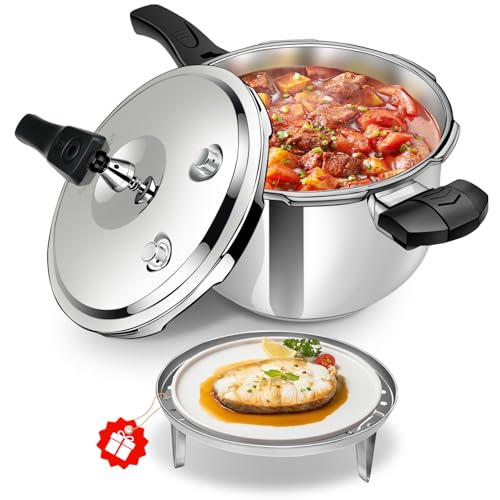

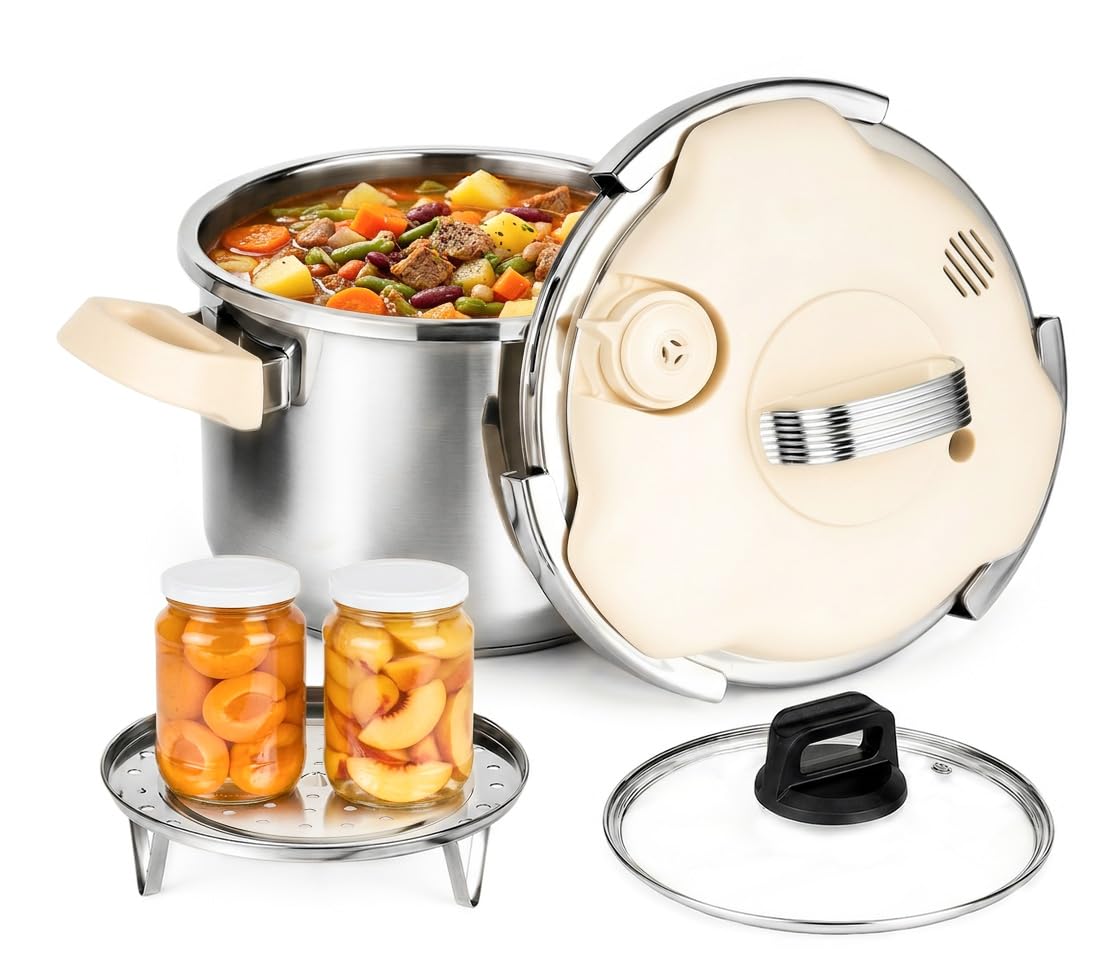
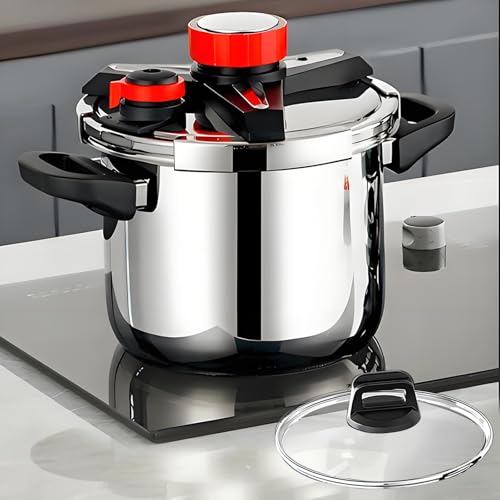


Quick Answer: Which Type Fits Your Home
Match the type to how your household cooks during a busy week. Electric models suit families who want to load the pot, press a setting, and walk away. Stovetop models suit cooks who have burner space and want simple controls with no electronics. Multi function models suit homes with limited storage that would rather own one appliance for pressure cooking, slow cooking, rice, and yogurt.
- Electric: best for hands off weeknight meals and timers that keep food warm.
- Stovetop: best for cooks who value durability and fast heat control.
- Multi function: best for small kitchens that need one appliance to do several jobs.
Before You Buy: A Quick Checklist for Choosing a Pressure Cooker
Size: Match Capacity to Your Household
A 10 quart pot holds about 40 cups of cooked food, but you should only fill it about two thirds full for most dishes and about half full for beans, grains, and foamy foods. That working volume still feeds about six to ten people, depending on appetites and side dishes. Smaller options such as 3 quart, 6 quart, and 8 quart models suit couples or small families, while 10 quart makes sense when you cook for a crowd, host relatives, or freeze portions for later.
Which Type Fits Your Routine
Electric models regulate pressure on their own and include preset programs, which helps if you cook while helping with homework or work tasks. Stovetop models reach pressure quickly on a strong burner and give you direct control, but you stay nearby to adjust heat. If you are weighing a pressure cooker vs slow cooker for weeknight dinners, pressure cooking wins on speed while slow cooking wins when you want food ready after a full day away from home.
Features Worth Paying For and Ones to Skip
A stainless steel insert is worth paying for because it tolerates browning, cleans without a fragile coating, and lasts through years of regular use. A clear pressure indicator, a locking lid, and simple release options also earn their cost every time you cook. An air fryer lid, a sous vide function, and a yogurt function only make sense if you will use them weekly. If those jobs already belong to other appliances in your kitchen, skip them and put the money toward capacity and build quality.
Wattage, Power and Energy Use
Most large electric models draw about 1200 to 1500 watts while heating, then cycle on and off to hold pressure. Total energy stays modest because pressure cooking shortens the time needed for beans, tough cuts, and stock. Stovetop models use your burner energy instead, so cost depends on whether you cook with gas or electricity. In both cases, cooking a full pot costs little more than cooking a half pot, which is one reason large batches are efficient for big households.
Safety Features and Certifications
Look for a lid that locks before pressure builds, a valve that cannot open under pressure, and overheat protection that cuts power if the pot runs dry. Listings that mention UL or ETL certification point to an independent safety review against a recognized standard. Before your first meal, read the manual fully and review our guide on how to use a pressure cooker so water amounts, fill limits, and release methods feel familiar. Keep hands and face away from the steam path during release.
Counter Space and Dimensions
A 10 quart electric model often measures about 14 to 16 inches wide with handles and about 14 inches tall, and the lid needs extra clearance when you open it under cabinets. Measure from your counter to the bottom of upper cabinets, plus the shelf or cabinet where the cooker will live between uses. Stovetop models store more easily on a pot shelf but need a large burner that supports their weight when full. Check the storage footprint before you fall for the capacity.
Realistic Budget Ranges
At about under $100, expect basic electric or stovetop models with fewer presets and thinner accessories. In the about $100 to $150 range, you gain sturdier inserts, better sealing, and clearer controls. Spending about $150 to $200 usually buys stronger construction, quieter steam release, and longer warranty support. Models above that range should justify the price with durability or functions you will truly use. Prices and availability can change, so check the product page before ordering.
Three Types Compared for Large Batch Cooking
Electric Models for Hands Off Cooking
Electric models are the easiest fit for most large families because the appliance manages heat and timing for you. You can start beans before school pickup and return to a pot that has finished and switched to warm. The trade off is size and weight, since the heating base makes the unit bulky to move and store. Controls and sensors also add parts that can fail over time. Choose this type if convenience on busy days matters more than compact storage.
Stovetop Models for Control and Durability
Stovetop models have few parts to wear out, sear well over high heat, and often last for many years with only gasket changes. They also work during a power outage if you cook with gas. The trade off is attention, because you adjust the burner to hold steady pressure and track timing yourself. If material matters most, our guide to the best stainless steel pressure cooker explains grades and care in detail. Choose this type if you enjoy active cooking.
Multi Function Models for Fewer Appliances
Multi function models combine pressure cooking with slow cooking, rice cooking, steaming, and sometimes yogurt making in a single insert. For a home short on storage, replacing two or three appliances with one can free a full cabinet shelf. The trade off is compromise, because a shared lid and insert rarely beat a dedicated appliance at every single job. Comparing brand ecosystems usually comes down to lid design and which extra functions you will actually use. Choose this type if you will use at least three functions every week.
How to Evaluate a 10 Quart Model Before You Order
Start with six criteria in this order: capacity that matches your household, cooking performance for the foods you make most, ease of use for the least confident cook in the house, cleaning effort, noise during release, and safety and warranty coverage. Use maker specifications and patterns in verified buyer reviews to judge each one, paying attention to repeated comments about sealing problems rather than single complaints. Check that replacement gaskets and inserts are easy to order, since a cooker you cannot reseal becomes a large storage problem.
Is a 10 Quart Pressure Cooker the Right Size for You?
Choose 10 quart if you cook for six or more people, prepare food for gatherings, or like cooking once and eating twice from the freezer. It also suits batch cooking of stock, dried beans, and pulled meats for weekly meal prep. An 8 quart model fits better if your household has four or five people and storage is limited. One caution: a pressure cooker is not a pressure canner, so read our guide to the best pressure cooker for canning before planning any home canning, and follow approved canning guidance for safety.
Common Mistakes to Avoid
- Buying capacity without measuring storage: a cooker that cannot fit under your cabinets will end up living on the counter and crowding every other task.
- Filling past the limit: beans and grains foam and expand, and an overfilled pot can clog the valve and cook unevenly.
- Ignoring replacement part costs: gaskets and inserts wear out, and a low purchase price loses its appeal if parts are hard to find.
- Paying for functions you will not use: extra presets add cost and control clutter without improving the soups and stews you actually cook.
- Assuming bigger cooks faster: a larger pot takes longer to reach pressure, so weeknight timing should include that heat up period.
Cost of Ownership and Care
Ownership cost stays low when you plan for a few wear parts. Expect to replace the sealing gasket about every 12 to 18 months with regular use, and budget for a spare insert if you cook back to back batches often. Wash the insert and lid after each use, remove the gasket for washing so trapped odors do not transfer to the next meal, and dry all parts fully before storage. Our guide on how to clean a pressure cooker covers valve cleaning in detail. Store the lid upside down so the gasket holds its shape.
FAQ
What is the most reliable type of pressure cooker for a large family?
Stovetop models tend to last longest because they have no electronics, while electric models rely on sensors and control boards that can fail sooner. Reliability also depends on whether replacement gaskets, valves, and inserts stay available for your model. A strong warranty with responsive support matters more than any single brand name, so check warranty length and parts availability before you buy rather than after a part wears out.
Is a 10 quart pressure cooker worth it for meal prep?
Yes, if you prep proteins or grains for several days at once, because one cycle can produce enough pulled chicken, rice, or beans for multiple meals with little extra energy. The value drops if you prep only small amounts, since a partly filled large pot still needs its full heat up time. Households that freeze portions in flat labeled bags tend to get the most value from this size.
How long does a 10 quart pressure cooker last?
A stovetop model can serve for well over a decade with gasket changes and careful storage. Electric models commonly serve about five to eight years before controls or heating elements begin to fail, although careful use can extend that span. Retire any cooker with a warped lid, a damaged rim, or a valve that sticks, because those faults affect safe pressure control and should not be ignored.
What size pressure cooker do I need for a whole chicken and stock?
A whole chicken of about four to five pounds plus vegetables and water fits comfortably in 10 quart with room for steam to circulate, which helps stock develop clear flavor without overflow. In an 8 quart pot the same load sits close to the fill limit once vegetables are added. If you also cook large pork shoulders or double batches of beans for freezing, the extra room helps on busy prep days.
Can a 10 quart pressure cooker replace a regular stockpot?
For stovetop models, yes, because the pot works as a stockpot with the lid unlocked or with a separate glass lid for simmering and boiling pasta water. Electric models are less flexible here, since their saute settings offer less heat control than a burner. If stovetop versatility matters, confirm the base works on your cooktop type, including induction, before you order, because not every base is magnetic.
Final Thoughts
The right choice comes down to household size, storage space, and the type that fits your routine, not the longest feature list. Electric models favor convenience, stovetop models favor longevity, and multi function models favor storage savings. Review the product table above once more and compare it against our broader guide to the best pressure cooker before you decide. When you find the best 10 quart pressure cooker for your kitchen, large family meals and weekly prep become a single calm cooking session.