
Best 3 Compartment Meal Prep Containers (2026): Layouts, Lids and Materials Compared
Disclosure: We may earn a commission when you buy through links on this page, at no extra cost to you. As an Amazon Associate I earn from qualifying purchases. Learn more

Pick the best 3 compartment meal prep containers by section size, lid seal, material and fridge fit.
Picture a Sunday afternoon where you cook one grain, one protein, and a pile of vegetables, then need every portion to stay separate until lunch on Tuesday. Sauces soak into rice, cucumbers soften against warm chicken, and a single large box turns careful cooking into a mixed pile. Choosing the best 3 compartment meal prep containers solves that separation problem, provided the size, material, and lids suit your kitchen and your household.
This guide helps you choose by storage space, household size, and budget rather than by looks alone. You will compare layouts, materials, seals, and safety ratings, then see how each choice affects daily packing and cleanup. Use the comparison table below to scan the main types side by side before you read the details.


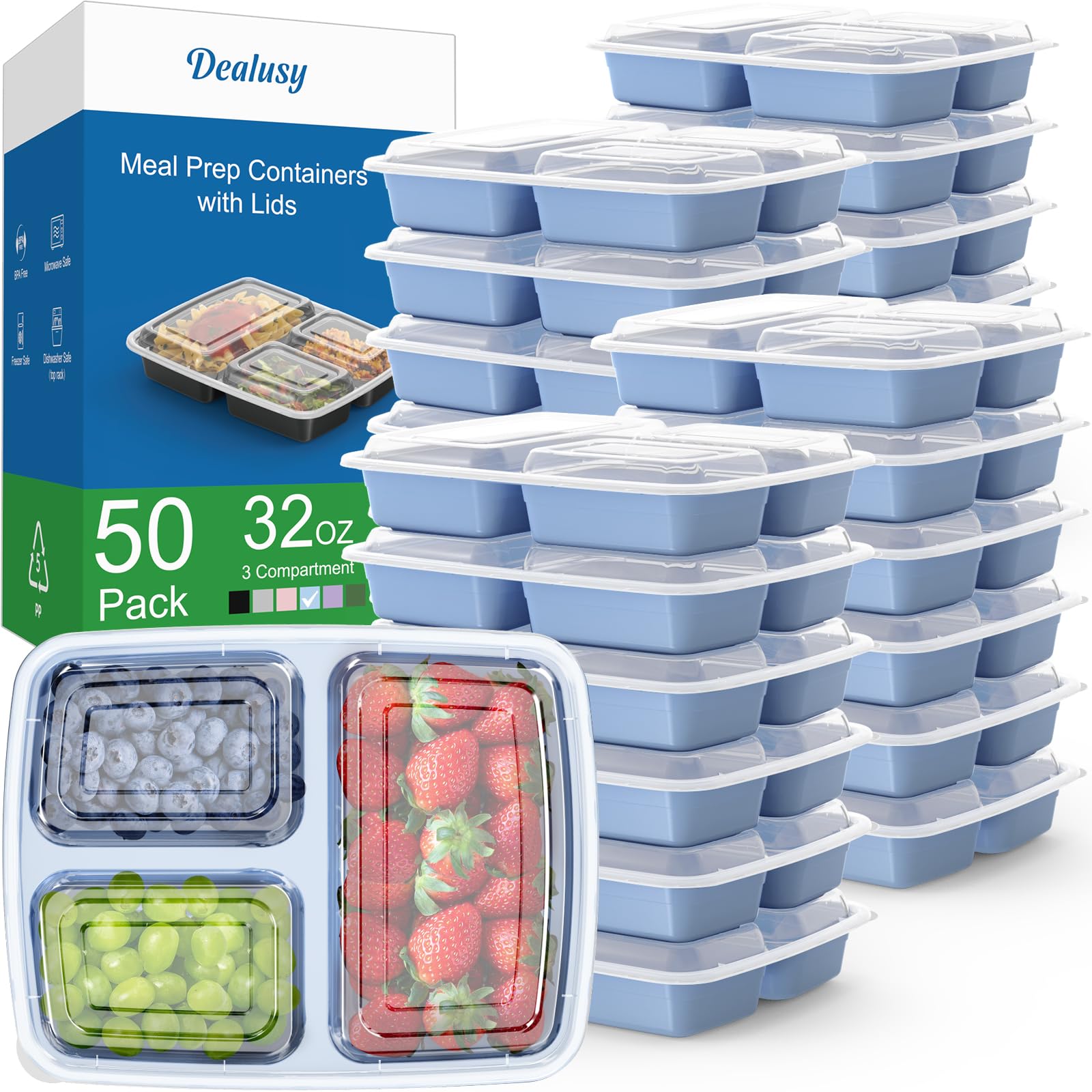


Quick Answer: The Three Types in 30 Seconds
Lightweight plastic sets cost the least, stack neatly, and travel well, but they can stain and may need replacing sooner. Glass sets feel sturdier, resist odors, and handle reheating with ease, yet they weigh more in a work bag. Durable reusable sets with strong lids sit between the two, balancing daily use, storage, and long term value for most homes.
Whichever type you lean toward, the same three checks decide satisfaction. The largest section must hold your main dish without crowding, the lid must seal without a fight, and the full set must fit your fridge shelves and cupboards. A container that fails any one of those checks will sit unused, however good it looks in photos.
Before You Buy: A Quick Checklist for Choosing Meal Prep Containers
Start with how you actually eat during the week, not with a photo of a perfectly filled fridge. Count how many meals you pack at once, who eats them, and where they travel.
Size: Match It to Your Space
Total capacity matters less than how that capacity is divided. Many three compartment containers hold about 32 to 40 ounces in total, with one large section for a main dish and two smaller sections for sides. Measure the shelf or bag pocket the container must enter, including the lid height when stacked. If you prep for several people, count the full stack height for five or six boxes, since a set that fits singly may crowd a small fridge quickly.
Which Type Fits Your Routine
Plastic suits light bags, school lunches, and bulk prepping on a tight budget, and most sets are freezer safe and microwave safe. Glass suits home storage, oven reheating where the maker allows it, and readers who dislike lingering odors. Stainless steel keeps food separate and travels well, but it cannot go in a microwave. Disposable sets remove washing, yet the cost and waste add up fast, so reusable sets serve most weekly routines better.
Features Worth It (and Ones to Skip)
Pay for lids that lock on all four sides, clear walls that show contents at a glance, and dividers tall enough to stop thin sauces creeping across. A raised lid dome helps when a side dish sits a little high. Skip novelty extras you will rarely touch, such as tiny sauce pots you must wash separately or decorative sleeves that add bulk in the fridge. Snap lids are worth it when they close with light pressure and open without prying.
Airtight Seal and Materials Without BPA
A good seal keeps soup in its section during a commute and slows air reaching food in the fridge. Press the closed lid gently and tilt the filled container over a sink to test for drips before trusting it in a bag. Look for clear labeling that states the plastic is BPA free, and read our guide to the best non toxic meal prep containers if material safety is your top concern when comparing sets.
Freezer, Microwave, and Oven Safety
Each part of a set can carry a different rating, so check the base and the lid separately. Many plastic lids must come off before microwaving, and many glass bases need a short rest on the counter after freezer storage before heat touches them. Oven use belongs to glass only, and only within the temperature limit the maker prints on the base. When a listing gives no clear rating for a part, treat that part as not approved for that use.
Realistic Budget Ranges
Under about $20, expect plastic sets sold in larger counts, suited to bulk prepping and easy replacement. Between about $20 and $50, you will find smaller glass sets and sturdier reusable plastic with locking lids and thicker walls. Above about $50, sets tend to offer more pieces, stronger lids, or glass throughout the set. Judge value by cost per container and by whether spare lids are sold, since a lost lid can retire an otherwise sound box.
Three Types Compared: Where Your Money Goes
Since no single material wins for every home, compare the three main routes below against your routine, your bag, and your shelves.
Lightweight Plastic Sets for Daily Packing
Plastic sets shine when you prep many meals at once and carry them daily. They weigh little, nest or stack closely, and a cracked piece hurts less at this price. The trade offs are staining from tomato based meals, odors that linger after strong spices, and walls that can warp if reheated empty or on high heat for too long. Choose thicker walls and locking lids over the thinnest bargain sets, and keep one spare set aside for weeks when washing falls behind.
Glass Sets for Home Storage and Reheating
Glass sets suit readers who store meals at home and reheat in the same dish. The walls stay clear, resist stains, and release odors with normal washing, and the weight makes portions feel secure on a shelf. That same weight adds up in a shoulder bag, and a dropped corner can chip. If this route appeals, our guide to the best glass meal prep containers covers sizes and lid styles in more depth for glass focused shoppers.
Durable Reusable Sets for Long Term Value
A sturdy reusable set costs more at first and less across a year of weekly use, because you replace pieces rarely and skip repeat purchases of throwaway boxes. Look for lids sold as spares, walls that flex slightly without cracking, and a shape that fits both fridge and bag. Our overview of the best reusable meal prep containers explains how lifespan and spare parts change the true cost of a set you plan to keep.
How to Compare 3 Compartment Meal Prep Containers
Judge three compartment sets on five plain criteria drawn from maker specifications and patterns in verified buyer reviews: seal strength, material clarity and safety labeling, capacity and fit in common fridges and bags, ease of cleaning, and value across the full set. Live prices belong to the product pages, since prices and stock change often.
Is the 3 Compartment Layout the Right Size for You?
Choose three compartments when your meals follow a main plus two sides pattern, such as rice, chicken, and greens, or pasta, protein, and roasted vegetables. The layout also helps readers managing portions, because each section sets a natural limit without weighing food. It suits salads less well when you want greens kept in a large open space, and it frustrates anyone whose main dish needs most of the box. For those routines, the best 3 compartment meal prep containers are the ones whose sections match the portions you actually cook.
Two compartments fit simpler meals, while a single open box suits soups, stews, and large salads. If you are still weighing formats, start from our broader guide to the best meal prep containers and narrow down once you know which layout matches most of your weekly meals. A quick test helps too. Serve your usual lunch on a plate, note how much space each food takes, then match those areas to section sizes.
Common Buying Mistakes to Avoid
- Buying a large count set before trying one container, so a poor lid or awkward size gets multiplied across your whole cupboard.
- Judging by total ounces alone, then finding the main section too small because the two side sections take more space than expected.
- Ignoring stack height in the fridge, which leaves prepped meals competing with milk, jars, and leftovers for the same shelf.
- Assuming the lid shares the base rating, then warping a lid in the microwave that was meant to be removed before heating.
- Paying for extra features and inserts you will not wash or use, while skipping the locking lids that affect every single meal.
Cost of Ownership and Care
Ownership cost is mostly replacement cost. A set with spare lids and sturdy hinges lasts longer, while thin plastic may need a fresh set once or twice a year with heavy use. Wash lids promptly so seals stay free of grease, dry every part fully before stacking, and store lids flat or clipped to their bases so pairs stay together. Keep tomato rich meals in glass when you can, since plastic holds that color longest.
Inspect seals and locking tabs each month, and retire any base with cracks near the rim, because cracks harbor residue and weaken the seal. Avoid abrasive pads on plastic, which cloud the walls and give odors more surface to cling to. Glass needs different care. Check corners for chips after any drop, and stop using a chipped piece for hot food, since damage can grow under heat.
FAQ
What should you look for instead of a brand name when judging meal prep container reliability?
Reliability shows up in details rather than logos. Look for spare lids sold on their own, clear safety ratings printed for each part, and reviews that mention the same lid fit after months of use. A maker that publishes exact section sizes, not just total ounces, also signals care. If spare parts are impossible to find, even a sturdy set becomes disposable the day one lid cracks.
How do you remove strong odors from meal prep containers after washing?
Wash the container, then leave it open on the counter overnight so air can reach every surface. For stubborn spice or garlic smells in plastic, a paste of baking soda and water left inside for a few hours, then rinsed, often helps without harsh cleaners. Store containers with lids off or ajar between uses, since trapped damp air is the main reason odors return after a thorough wash.
Are expensive 3 compartment meal prep containers worth the extra cost?
They can be, when the extra money buys locking lids, thicker walls, and spare parts that extend the life of the set. They are not worth it when the price only buys more pieces of the same thin material or decorative extras. Compare cost per container against how often you prep. A reader packing lunch five days a week gains far more from durability than someone prepping twice a month.
How long do 3 compartment meal prep containers usually last?
Glass bases can serve for years when corners stay free of chips, though their plastic lids usually wear out first. Sturdy reusable plastic often lasts about one to two years of weekly use before seals loosen or walls cloud. Thin budget plastic may show warping within months of frequent microwaving. In every material, the lid is the part that ends the life of the set most often.
What is a simple way to check what size meal prep container you need?
Fill a measuring jug with water equal to your usual portion of a main dish, then pour it into a bowl shaped like the main section you are considering. If the water sits near the rim, that section is too small, because solid food stacks higher than liquid. Repeat for your largest regular side dish. This five minute check prevents the common surprise of a set that looks generous online and feels cramped at home.
Final Thoughts
Match the layout to your meals first, then choose the material your routine can support, and let budget decide the count and lid style. Plastic keeps bulk prepping light and cheap, glass keeps home storage clean and simple, and sturdy reusable sets reward daily users over time. When you settle on the best 3 compartment meal prep containers for your shelves, your bag, and your household, check the product table above once more to confirm section sizes and lid ratings before you order.


