
Best 2 Compartment Meal Prep Containers (2026): Buying Guide
Disclosure: We may earn a commission when you buy through links on this page, at no extra cost to you. As an Amazon Associate I earn from qualifying purchases. Learn more

What to check before you buy the best 2 compartment meal prep containers: material, lids and freezer safety, and which type fits your home.
Picture a Sunday afternoon in a small kitchen. You have chicken, rice, and roasted vegetables ready, but only a narrow fridge shelf to store the week in. Sets of best 2 compartment meal prep containers solve that layout problem neatly, because each box holds a main dish and one side while stacking in a tidy footprint. This guide helps you choose by the space you have, the number of people you cook for, and your budget.
Rather than chasing the longest feature list, you will compare what decides daily use: total capacity, divider height, lid design, and what each material can handle. Use the comparison table below to line up the main types, then read on for sizing and care details that listings rarely explain.


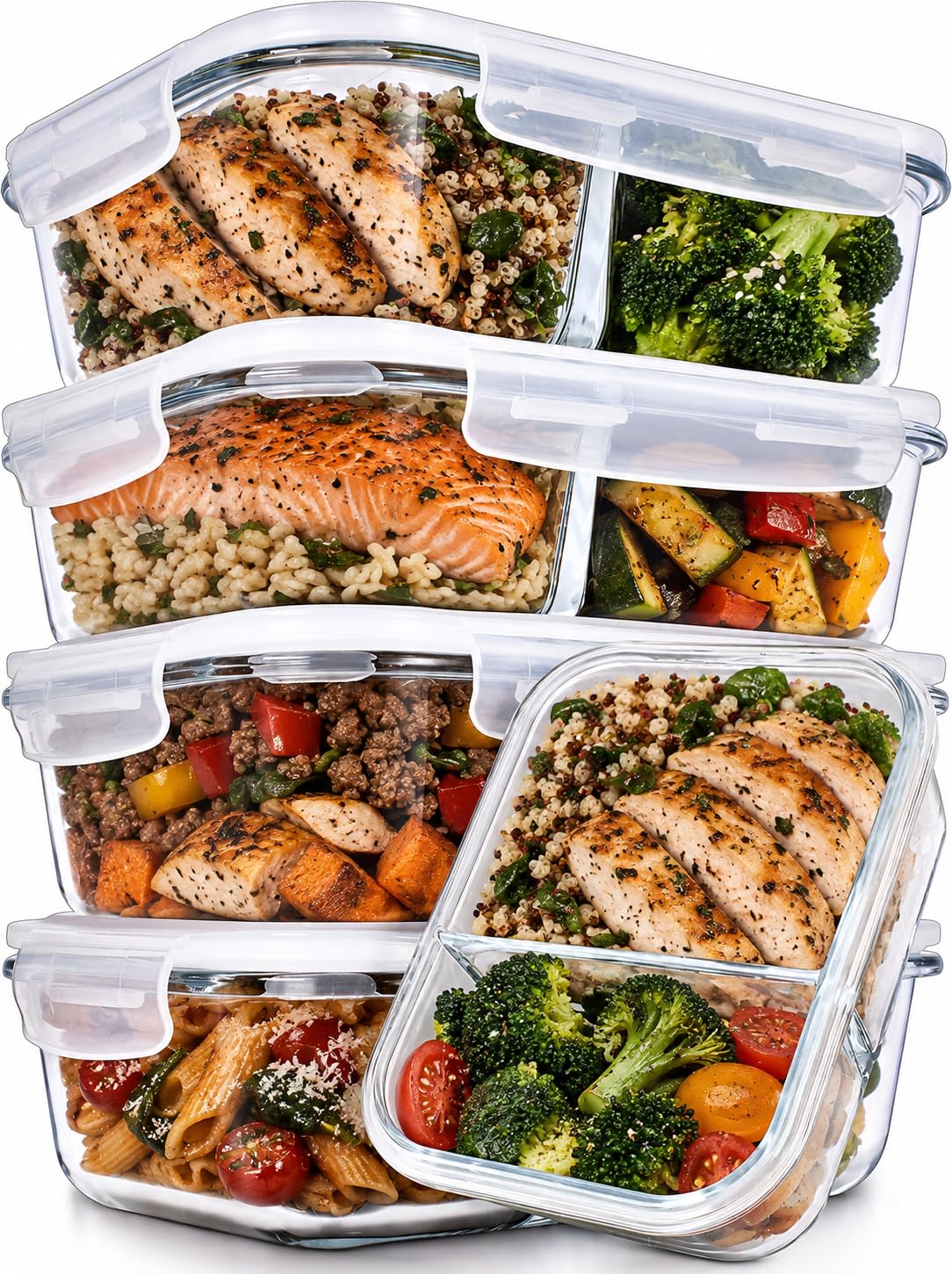


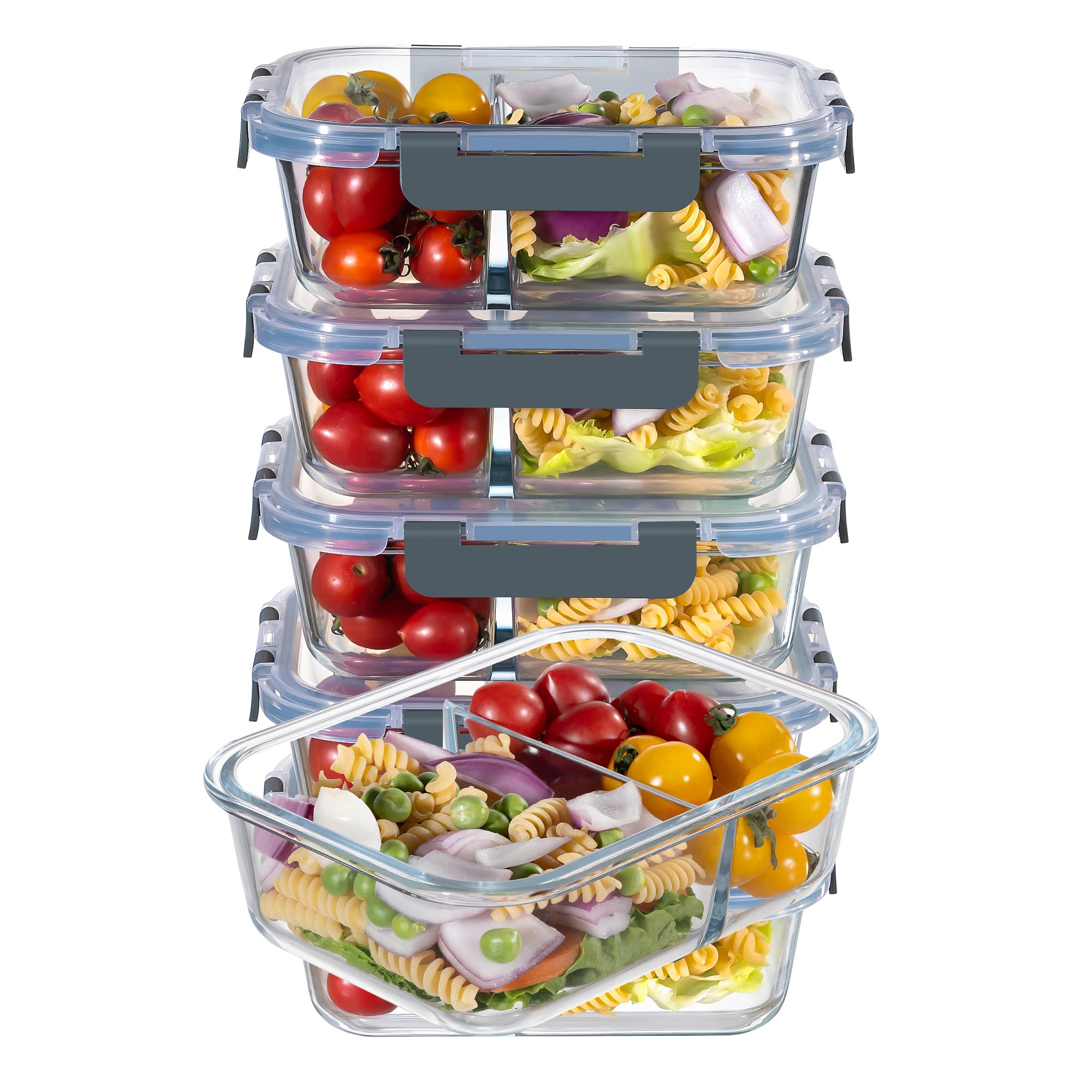
Quick Answer: Why Two Compartments Work for Most Homes
A two compartment container splits one meal into a larger main section and a smaller side section, so saucy grains stay away from crisp vegetables until you eat. It is the layout most home cooks actually use, since lunches and leftovers usually follow that same main plus side pattern.
- Choose glass if you reheat in the same box and want stain resistance.
- Choose plastic if the container rides in a bag and weight matters.
- Choose a large count set if several people prep on the same day.
Before You Buy: A Quick Checklist for Choosing Meal Prep Containers
The checklist below walks through the decisions in order: fit first, then material, then the lid and safety ratings, and finally budget.
Size: Match It to Your Space
Most two compartment containers hold about 24 to 40 ounces in total, with the main section taking roughly two thirds of that space. Measure your fridge shelf height with the lid on, because stacked sets grow taller than the box alone suggests. Then check the footprint against your cupboard, since wide rectangular boxes store poorly in narrow cabinets. If you cook for one or two people, a set of five to ten boxes usually covers a work week. Larger households often need double that count.
Which Type Fits Your Routine
Glass suits cooks who reheat in the container and store meals at home, where weight is not a problem. Plastic suits commuters and students, because filled boxes stay light in a bag. Stainless steel works for cold lunches and dry snacks, but it cannot go in the microwave, which limits it for hot leftovers. Disposable sets fit parties and food you give away, though thin walls crack more easily in the freezer. If cutting waste matters to you, our guide to the best reusable meal prep containers explains which sturdy options hold up to years of use.
Features Worth It (and Ones to Skip)
Pay for a lid that closes with clear, even pressure on all four sides, and for a divider that rises close to the lid so foods stay in their own sections. Removable seals are worth it too, because you can wash under them where residue collects. Skip novelty shapes that waste fridge space, bundled utensils you already own, and decorative lids with grooves that trap sauce. A plain rectangular box with a strong lid beats a clever shape in daily use.
Airtight Seal and BPA Free Materials
A good seal usually comes from a silicone gasket pressed by four locking flaps, and you can test it at home with water before trusting it with soup. For plastic boxes, look for BPA free polypropylene, which handles heat and freezer cold without turning brittle as quickly as thinner plastics. Glass bases avoid the staining that tomato based meals leave on plastic. If avoiding plastic contact with food is a priority for your household, see our guide to the best non toxic meal prep containers for material options and what their labels actually mean.
Freezer, Microwave, and Oven Safety
Safety ratings apply to each part separately, and this is where many buyers get caught out. A glass base may be oven safe while its plastic lid is not heat safe at all, so remove lids before reheating unless the listing allows them. In the freezer, leave a little space at the top because soups and sauces expand as they freeze, and a brim full box can push its own lid loose. Plastic marked freezer safe still turns brittle when frozen, so let a frozen box sit briefly before prying at the lid.
Realistic Budget Ranges
Plastic two compartment sets commonly cost under $20 for a large count pack, which works out to very little per box. Glass sets usually run about $20 to $50 depending on count and lid quality, and the locking lids account for much of that gap. Before you stretch your budget, count the cost of replacement lids over a few years, because a cheap set with no spare parts can cost more in the end.
Types Compared: Glass, Plastic, and Large Count Sets
The three types below cover nearly every home setup. Each one wins in a specific kitchen and routine.
Glass Sets for Reheating at Home and Work
Glass two compartment sets suit people who cook once and reheat in the same box all week. The base moves from fridge to microwave or oven without a transfer step, which means fewer dishes. The trade off is weight and the risk of chipping if a box is dropped on tile. If this sounds like your routine, our guide to the best glass meal prep containers compares capacities and lid styles in more depth.
Lightweight Plastic Sets for Bags and Busy Commutes
Plastic sets shine when containers travel. A filled plastic box adds little weight to a work bag, and the flexible walls forgive drops that would chip glass. Look for thicker polypropylene rather than the thinnest bargain plastic, because thin lids warp in hot dishwashers and then stop sealing. These sets also nest closely when empty, which helps in small kitchens. For students and office workers, this is usually the most practical route.
Large Count Sets for Families and Batch Cooking
When a household preps for three or more people, the container count matters as much as the container itself. Large count plastic sets, often sold in packs of twenty or more, let you portion a full batch cooking session without washing boxes halfway through. Uniform sizes are the real advantage, because every lid fits every base and stacks stay stable in the fridge. The downside is storing the empties, so confirm you have a cupboard that can hold the full stack before ordering the biggest pack.
How We Judge the Options in This Guide
Since this guide compares types rather than ranking specific models, the criteria stay practical: seal strength, material safety, capacity and fit in a standard fridge, and how easily each part can be cleaned and replaced. We weigh those criteria against manufacturer specifications and patterns in verified buyer feedback, such as lids loosening over time. Confirm current specifications on the product page before ordering.
Is a 2 Compartment Container the Right Size for You?
Two compartments fit the way most people already plate a meal: a generous main portion and one side. That covers grain bowls with vegetables, pasta with a salad, or rice with curry and pickles. If you regularly pack a main plus two distinct sides that must not touch, a three compartment layout will serve you better. If you mostly store single dishes like soups or stews, a plain one compartment box gives you more usable volume for the same footprint.
Think about sauces before you decide. A two compartment box keeps dressing beside the food rather than on it, but the divider is not a waterproof wall, so runny liquids can creep over during a bumpy commute. For liquid heavy meals, pack the sauce in a small sealed cup inside the main section instead.
Common Buying Mistakes to Avoid
- Buying by total ounces alone, so the main section ends up too small for a normal portion even though the box sounds large.
- Ignoring the lid height, so a full stack of prepped meals does not fit on the fridge shelf you measured for the bases.
- Assuming the lid shares the base safety ratings, which leads to melted or warped lids in the oven or microwave.
- Ordering the largest pack on sale before checking cupboard space, leaving stacks of empty boxes with nowhere to live.
- Choosing thin disposable style boxes for freezer storage, where brittle walls crack and expose food to freezer burn.
Cost of Ownership and Care
The purchase price is only part of what a set costs you. Lids and silicone seals wear out first, so a set with affordable spare lids will outlast a cheaper set that forces you to replace whole boxes. Washing the seals matters too. Pull the gasket out every few washes, clean the groove beneath it, and let both dry fully before reassembling, because trapped moisture in that groove is where musty smells start.
Store boxes with lids resting loosely rather than sealed shut, since airflow keeps lingering odors from building up inside. Avoid sudden temperature jumps, such as moving a glass base straight from the freezer into a hot oven, which stresses the material. With this basic care, a good set should serve several years of weekly prep.
FAQ
How do you clean 2 compartment meal prep containers?
Rinse boxes soon after emptying them, because dried rice and sauce need far more scrubbing later. Most bases and lids wash best on the top rack of the dishwasher, where the heat is gentler and lids are less likely to warp. For a stubborn oily film on plastic, soak the box in warm soapy water for about fifteen minutes before washing. A soft sponge protects the sealing surface, while abrasive pads scratch plastic and give stains more places to settle.
Are expensive 2 compartment meal prep containers worth it?
They can be, when the extra money buys thicker walls, a replaceable seal, and lids that stay in production so you can order spares later. Those details decide how many years a set stays in service. Paying more for decorative colors or bundled extras adds little. A fair test is cost per year of use: a sturdy glass set used weekly for years often works out cheaper than replacing thin plastic sets every few months.
How long do 2 compartment meal prep containers last?
Glass bases can last many years if they are not chipped, because the material does not degrade with washing or reheating. Plastic boxes usually give two to four years of regular use before lids warp or locking flaps loosen. Retire any container whose lid no longer closes evenly, whose seal is cracked, or whose base has deep scratches, since worn sealing surfaces let air in and stale food faster.
What is the most reliable brand of meal prep containers?
No single brand wins for every home, and reliability usually comes down to lid design rather than the name on the box. Sets with four locking flaps and a removable silicone seal tend to keep sealing well longer than simple press on lids, whatever the brand. Check that the maker sells replacement lids for the set you buy, and favor brands that publish clear material and temperature specifications over vague claims.
Do 2 compartment meal prep containers keep wet and dry foods separate?
They keep foods apart well for items with some body, such as roasted vegetables beside rice or fruit beside thick yogurt. The divider slows mixing, but it is not a sealed wall, so thin liquids gradually find their way over or under it during transport. Keep the box flat in your bag rather than on its side, and the separation holds up far better. For very wet sides, a small lidded cup inside the section is the safer answer.
Final Thoughts
The right choice comes down to fit: the right size for your portions, the right material for how you reheat, and a lid you can trust in a bag. Start with the product table above to compare the main types, then measure your fridge shelf before you commit to a count. For a broader look at sizes and layouts beyond two sections, see our roundup of the best meal prep containers. When kitchen, routine, and budget line up, the best 2 compartment meal prep containers quietly make weekday meals simpler.


