Best 3.5 Cu Ft Chest Freezer in 2026: Buying Guide and Top Picks
Disclosure: We may earn a commission when you buy through links on this page, at no extra cost to you. As an Amazon Associate I earn from qualifying purchases. Learn more

What to look for in the best 3.5 cu ft chest freezer: the main types, key features, realistic price ranges and mistakes to avoid before you order.
Your kitchen freezer is packed, a bulk shop is coming home, and there is nowhere for the extra food to go. Finding the best 3.5 cu ft chest freezer solves that without taking over a whole room. The product table below the intro lets you compare current models by space, routine, and budget.
This guide covers how much food this size holds, where it can live, which features earn their cost, and what ownership involves, so you can judge whether 3.5 cu ft is enough.

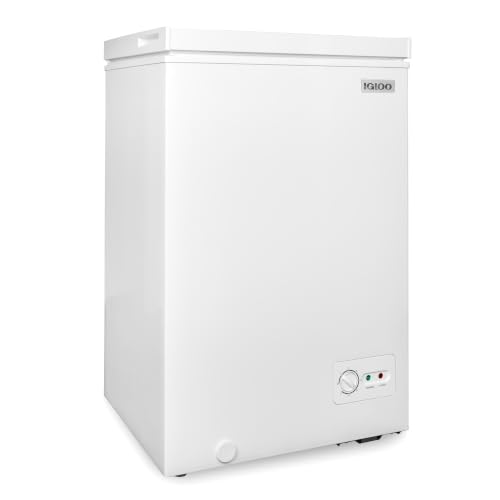


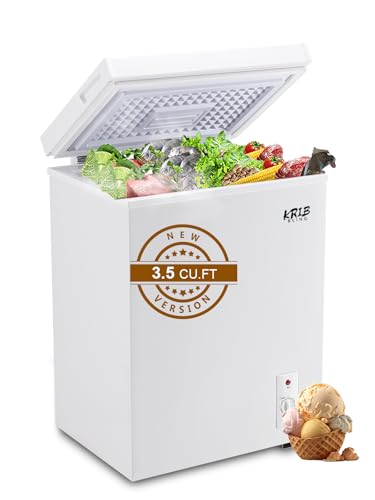


Quick Answer: Three Types That Fit Most Homes
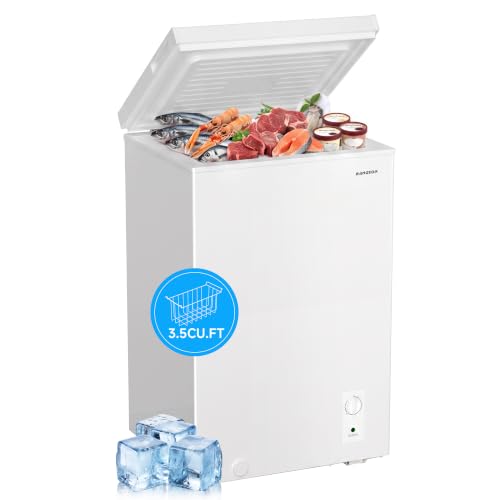
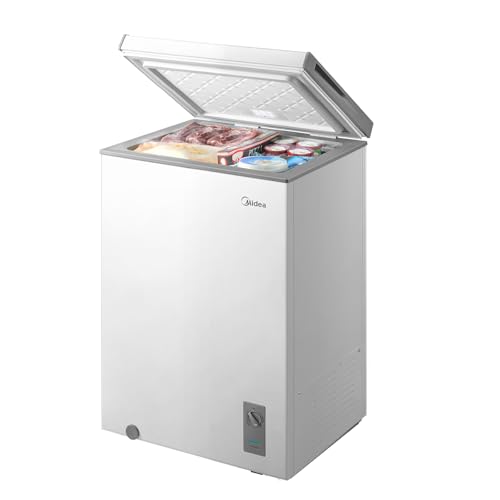
Most buyers choose between three types. The standard manual defrost type with one or two baskets suits most homes and keeps the price moderate. The simple compact type strips away extras for tight budgets and small loads. The garage ready type adds stronger temperature tolerance for unheated spaces. Your room, routine, and budget should drive the choice more than small spec differences.
Before You Buy: A Quick Checklist for Choosing a Chest Freezer
Size: Match It to Your Space
A 3.5 cu ft chest freezer holds roughly enough frozen food for a household of one to three people who shop in bulk once or twice a month. A 5 cu ft model adds room for larger cuts of meat or a garden harvest. A 7 cu ft model suits bigger families, while 10 cu ft and 15 cu ft sizes move into serious bulk storage. For simple overflow space, 3.5 cu ft usually covers it.
Most models in this class are about 22 to 24 inches wide and about 20 to 22 inches deep, though you should confirm the exact listing. That footprint tucks into a laundry room corner, a basement nook, or a wide closet. Our guide to the best chest freezer shows where this compact class sits among larger options.
Which Type Fits Your Routine
Chest freezers in this size are almost always manual defrost. Frost builds slowly on the inner walls, and you will empty and defrost the unit once or twice a year. In return you get strong cold retention, low energy use, and a lower price than most upright models. Reading about chest freezer vs upright freezer layouts clarifies the trade off, since upright shelves suit frequent browsing but hold less per square foot.
Placement shapes the type you need as well. A standard model belongs in a climate controlled room such as a basement or utility room. A garage ready model keeps working when the surrounding air swings hot in summer or cold in winter. If your only free spot is a garage or outbuilding, that rating protects your food when weather turns extreme.
Features Worth It, and Ones to Skip
Removable baskets lift small items out of the deep main compartment so you are not digging past frozen roasts for a bag of peas. A lid light helps in dim basements and garages. A lock matters if young children can reach the unit or it sits in a shared space. A drain plug makes defrost day far easier, because melt water flows out through a hose instead of being scooped by hand.
Other extras add cost without adding much. Electronic displays look nice, but a simple dial does the same job and has less to fail. More than two baskets can crowd a small interior. Built in dividers sound helpful, yet most owners end up using their own bins that fit their food better. Spend on the drain, baskets, and lock first.
Measurements and Compatibility With Your Setup
Measure the spot itself, the path to the spot, and the clearance around the unit. The freezer needs a few inches of air space on the sides and back so compressor heat can escape. The lid needs full vertical clearance to open and stay up, so check for shelves or pipes above. Doorways, stair turns, and hallway corners on the delivery path should each be wider than the boxed unit.
These freezers run on a standard household outlet and should plug in directly rather than through an extension cord. Place the unit within cord reach so the plug is not strained. A level floor matters too, since a tilted freezer can make the lid seal unevenly and let cold air escape. Small shims under the feet fix most minor slopes.
Certifications and Safety Marks
Look for a recognized safety listing such as UL or ETL, which shows the appliance met electrical and fire safety standards for home use. An Energy Star mark, when present, tells you the model met federal efficiency guidelines and will cost less to run each year.
Delivery, Placement, and Installation Cost
A chest freezer needs no plumbing and no venting, so setup is mostly delivery and placement. Basic delivery to your door is often included, while carrying the unit into a basement or up stairs may cost extra. Plan for a second person to help. If the unit was tilted during the move, let it stand upright for a few hours before plugging it in, then let it cool before loading food. Professional installation is rarely needed.
Realistic Budget Ranges
Most 3.5 cu ft chest freezers sell for about $150 to $300. Under $200, expect a basic manual defrost unit with one basket and a dial control, which is enough for many households. Between about $200 and $300, you start to see garage ready ratings, lid lights, locks, and a second basket. For most buyers comparing a best small chest freezer shortlist, the middle of the range offers the best balance.
Types Compared: How 3.5 cu ft Models Differ
Best for Most Homes: The Standard Manual Defrost Type
This is the default choice for a kitchen corner, laundry room, or finished basement. It pairs one or two sliding baskets with a simple temperature dial, a drain plug, and a lid that stays open while you load groceries. Cold retention is strong because the lid seals on top and cold air stays down inside. For a couple or small family adding overflow storage, it covers daily needs without paying for extras.
Best Value: The Simple Compact Type
The value type removes nearly everything optional. You get a single compartment, one basket or none, and a basic dial. What you give up in convenience you gain back in a lower price and fewer parts that can fail. It suits renters, single person households, and anyone storing a narrow range of food such as frozen meals, ice, or pet food, while still keeping food frozen safely for months.
Best Long Term Investment: The Garage Ready Type
A garage ready model holds safe temperatures in rooms that swing far hotter or colder than a living space. Its compressor and insulation are rated for that wider range, protecting a full load of meat or prepared meals during a heat wave or cold snap. If your freezer will live in a garage or outbuilding, choose this type. Our guide to the best chest freezer for garage use explains placement in those spaces.
How to Compare Models in This Size
Compare models on what changes ownership most: fit with your space, build quality of the lid, seal, and interior walls, the usefulness of included features, safety and efficiency certifications, and warranty length and clarity. Manufacturer specifications and patterns in verified buyer feedback are the best evidence.
Is a 3.5 cu ft Chest Freezer the Right Size for You?
For many homes, yes. This size holds about 120 to 125 pounds of food as a rough guide, depending on how well you pack it. That covers a bulk club trip, a month of batch cooked meals, or a season of garden vegetables for a small household.
Step up in size if you store food for five or more people or regularly buy large amounts of meat. Comparing this class with the best 7 cu ft chest freezer options shows how much extra room the next size adds. Choosing the best 3.5 cu ft chest freezer for your home mostly means matching this capacity honestly to your shopping habits.
Common Buying Mistakes to Avoid
- Measuring the spot but not the path. A freezer that cannot pass the stair turn ends up returned or stranded in the wrong room.
- Ignoring lid clearance. A lid that cannot open fully makes loading awkward every day and can damage shelves above the unit.
- Placing a standard model in an unheated garage. Extreme temperatures can stop it holding safe levels, putting a full load of food at risk.
- Paying for features you will not use. Extra baskets and displays raise the price while the core job of freezing stays the same.
- Overfilling from day one. Packing food tight against the walls blocks air flow and makes frost build up faster.
Cost of Ownership and Care
Running costs for this size are modest. A typical unit uses roughly 200 to 250 kilowatt hours per year, a small monthly amount on most electric bills. Keeping the compartment reasonably full helps efficiency, since frozen food holds cold better than empty air.
Care is simple. Wipe the lid seal clean every month or so and check that it closes flat, because a dirty or warped seal leaks cold air and raises running costs. Defrost when frost reaches about a quarter inch thick. For detailed steps, see our guide on how to clean a chest freezer safely.
Your Questions, Answered
How long can food stay frozen in a 3.5 cu ft chest freezer during a power outage?
A full and unopened chest freezer usually keeps food frozen for about 24 to 48 hours without power, and a fuller unit lasts longer than a half empty one. Keep the lid shut, since each opening lets cold air spill out. When power returns, check for ice crystals. Follow current food safety guidance from your local health authority on whether thawed food can be refrozen, and discard anything that has warmed fully.
Can a 3.5 cu ft chest freezer hold a whole turkey or large cuts of meat?
Yes, in most cases. The open interior has no shelves in the way, so a whole turkey, large roasts, and pizza boxes fit if the length stays within the compartment. Measure the longest item you plan to store against the interior length in the listing. Baskets lift out when you need full depth, and odd shapes pack best with the largest items on the bottom.
How often does a manual defrost chest freezer need defrosting?
Most households defrost once or twice a year, guided by frost thickness rather than the calendar. Warm humid rooms and frequent lid opening speed frost growth, so a garage unit in summer may need attention sooner. Move food to coolers with ice packs on a day when contents are low. Never chip frost with a knife, since one slip can puncture a cooling line.
Is a lock on a chest freezer worth having?
A lock earns its place in two situations. It keeps young children from opening the lid, and you should follow the manufacturer's safety instructions around children. It also secures food in shared spaces such as rental houses or offices. If your freezer sits in a private basement and no children visit often, a lock adds little and a simple strap latch can serve instead.
What temperature should a chest freezer be set to for food safety?
Set the freezer to 0 degrees Fahrenheit or slightly below, the standard guidance for safe frozen storage. A low cost appliance thermometer in the middle of the compartment confirms the real temperature, since dial markings are only rough guides. Give a new setting about 24 hours to settle. If the reading stays above 0 degrees, turn the dial down a step and check again.
Final Thoughts
A compact chest freezer ends the freezer space shuffle every time you shop or cook in bulk. Match the type to your room first, then to your routine, and let features and price settle the rest. The standard type suits most homes, the simple type protects a tight budget, and the garage ready type guards food in tough spaces. Use the product table above to compare the best 3.5 cu ft chest freezer options for your household, and measure your space one last time before you order.