
Best 2d Printers by Budget: Smart Picks for 2026
Disclosure: We may earn a commission when you buy through links on this page, at no extra cost to you. As an Amazon Associate I earn from qualifying purchases. Learn more

Learn how to choose the best 2d printers by budget, with clear guidance on print quality, running costs, paper handling, and features that matter most.
Printer prices stretch from under $100 to well over $600, and the gap is not just about speed. Ink systems, paper handling, and build quality change a lot as you move up. This guide to best 2d printers shows where extra money actually helps and where it does not.
You will see how each budget level fits home use, school work, photos, and small office printing. Use the product table below to narrow your shortlist, then check the cost and feature notes that follow.
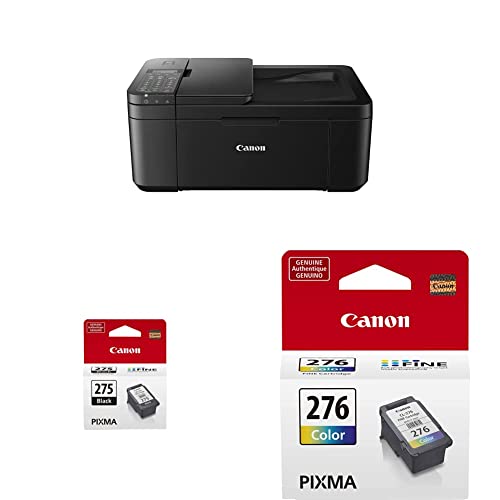

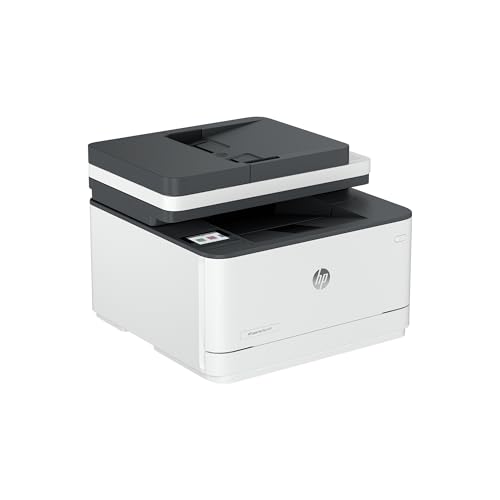

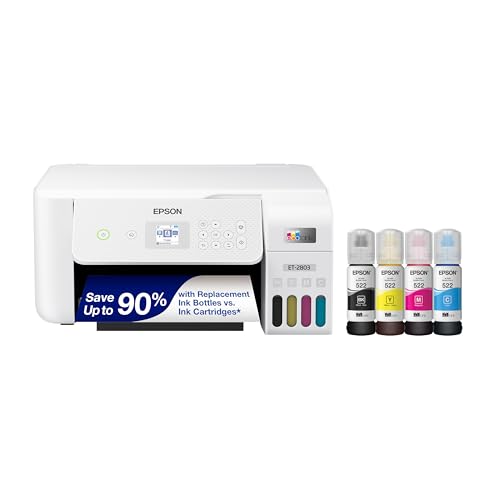
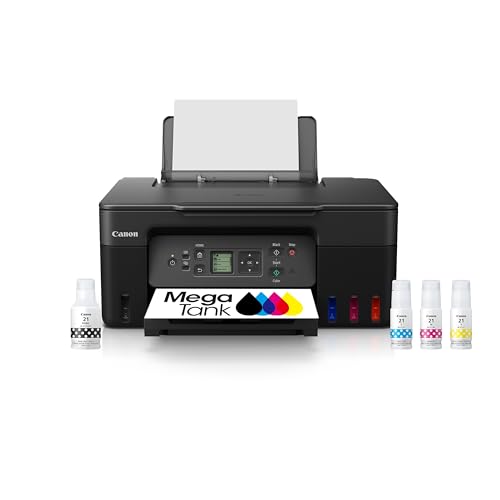
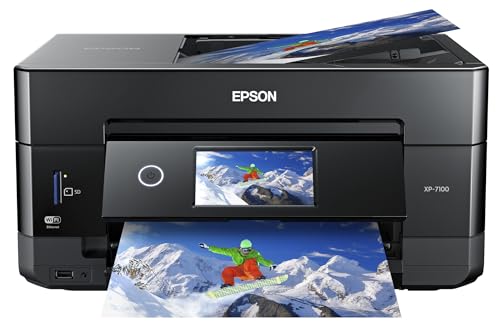
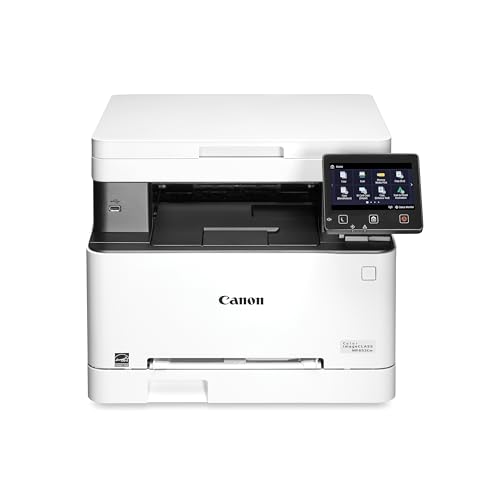

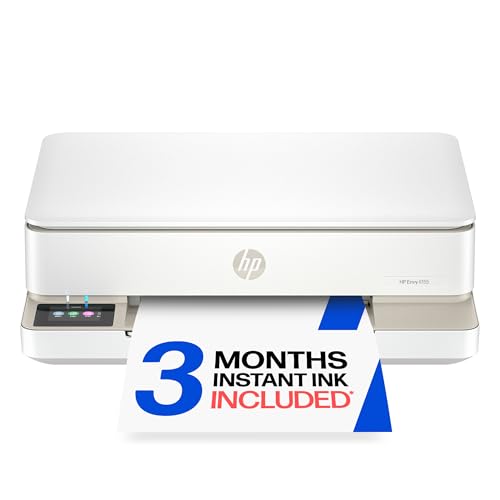
Three Budget Levels Worth Considering
Think of these levels as shopping filters rather than product names. Each level describes a type of printer that suits a clear job, along with the main trade off you accept at that price.
Budget Level: Simple and Low Cost
A budget model around $80 to $150 suits light printing such as school forms, tickets, and a few pages each week. Look for WiFi printing, a basic scanner, and clear ink level warnings. Expect slower output, smaller paper trays, and cartridges that cost more per page. For occasional use, that trade off is often fair because the upfront price stays low and setup stays simple.
Midrange Level: The Balanced Choice
Models around $180 to $320 usually add faster printing, automatic two sided printing, and larger trays. Many use ink tank systems or larger cartridges that lower running costs for regular users. This level suits families and home offices that print every week. You pay more at purchase, but you gain speed, convenience, and lower cost per page over time.
Premium Level: Speed and Capacity
Premium models around $350 to $650 focus on volume, durability, and photo quality or office features. Expect strong paper handling, fast first page output, and better color accuracy on photo models. These printers make sense when downtime costs you time or when you print hundreds of pages each month. If your volume is low, the extra capacity may sit unused.
What Your Money Gets You at Each Price Tier
Price tiers are useful only if you connect them to your monthly page count. Count a typical month of printing before you shop, including school projects and return labels. That simple step prevents most overspending.
Budget Tier: What to Expect
Budget printers cover the basics well. You get wireless printing from phones and laptops, decent text quality, and a flatbed scanner for copies. Print speed is modest, color photos look acceptable rather than rich, and trays often hold about 100 sheets. This tier works best for light and irregular use where low purchase price matters more than speed.
Midrange Tier: The Sweet Spot for Most Buyers
The midrange is where value improves fastest. Ink tank models refill with bottles that cost far less per page than small cartridges. Automatic document feeders, duplex printing, and borderless photo options become common. If you print weekly, this tier usually gives the lowest total cost over two or three years, even though the sticker price is higher.
Premium Tier: When Spending More Pays Off
Premium spending pays off in volume and quality. Office models add large trays, fast duplex speed, and stronger duty cycles. Photo models add more ink colors, higher DPI, and better handling of thick photo paper. Buy at this level for daily office work or serious photo printing, not for a handful of pages each month.
If print quality is your top concern across any tier, see our guide to the best quality printers for a closer look at resolution and color factors.
Features Worth Paying For (and Ones to Skip)
Feature lists can mislead because not every extra helps your actual work. Pay for features tied to your documents, and skip extras you will rarely touch. The notes below sort the most common claims.
Print Speed
Speed is measured in pages per minute for documents, often shortened to PPM. A rating around 10 to 15 pages per minute feels fine at home, while busy offices benefit from 20 or more. Treat maker claims as maximum draft speeds, since real pages with graphics print slower. Speed matters most when you print long reports often.
Paper Handling and Duplex
Paper handling decides how often you stop to reload. A tray that holds 150 to 250 sheets suits regular use, and an automatic document feeder speeds up scanning stacks of pages. Automatic duplex printing turns pages over for you and cuts paper use. If you scan forms or contracts often, the feeder alone can justify moving up one tier.
Printer Type (Inkjet, Laser, and Ink Tank)
Inkjet printers handle color and photos well, laser printers excel at crisp text and fast office output, and tank printers are inkjets with refillable reservoirs that lower running costs. Two dimensional printing is about documents and images on paper, which differs from layer based object printing. If you are curious about that other category, see our guide to the best three d printers after you settle your paper printing needs.
Footprint and Noise
Measure your desk or shelf before you buy, including space for the output tray and open scanner lid. Compact models fit apartments and dorm rooms, but tiny trays refill often. Noise matters in shared rooms, so look for a quiet mode if you print early or late. A printer that fits well gets used more and frustrates less.
Choosing 2d Printers for Your Situation
Your situation should decide the type first and the tier second. A student printing essays needs different strengths than a parent printing photos or a clerk printing invoices. Start with your main document type, then set a monthly page estimate, then pick the tier that matches both.
For everyday family and work printing at home, our guide to the best computer printers for home covers placement and sharing tips in more detail.
Best Commercial 2d Printers
The phrase best commercial 2d printers points to models built for daily volume rather than home convenience. Prioritize a high monthly duty cycle, large or expandable trays, and fast duplex output. Low cost per page matters more than a low sticker price, and a service plan or easy part replacement protects a busy office from downtime.
Long Term Costs to Factor In
The purchase price is only the first cost. Ink or toner will likely cost more than the printer over its life, especially with small cartridges. Compare cost per page by dividing cartridge price by its page yield, and favor tank or high yield options if you print often.
Paper, replacement print heads on some inkjets, and electricity add smaller amounts. A longer warranty and widely available supplies also protect value, since a printer with scarce ink becomes costly fast. Budget for the first set of refills when you buy, so the true starting cost is clear.
Photo focused buyers should also weigh paper and ink use for large prints. Our guide to the best printers for pictures explains those consumable choices further.
2d Printers: Your Questions Answered
What is a 2D printer?
A 2D printer is an ordinary paper printer that puts text and images on flat sheets, as opposed to a 3D printer that builds objects. Inkjet, laser, and ink tank models all count. For essays, photos, forms, and shipping labels, a wireless all-in-one with a scanner is the easiest starting point.
Are ink tank printers worth it?
Yes, ink tank printers are worth it if you print regularly. Their refill bottles usually deliver a much lower cost per page than small cartridges, so the higher purchase price pays back over time. If you print only a few pages each month, a basic cartridge model can cost less overall because you avoid paying upfront for ink you may never use.
What does cost per page mean?
Cost per page means the ink or toner cost of printing one page. You estimate it by dividing the price of a cartridge or bottle by the number of pages the maker says it yields. Color pages cost more than black only pages. Comparing this figure across models is the fastest way to spot a cheap printer that becomes expensive to run.
Inkjet or laser: which is cheaper long term?
Laser is often cheaper long term for text heavy office printing because toner yields are high and pages print fast. Ink tank inkjets can match or beat laser costs for mixed home use and they handle photos far better. Your page mix decides the winner, so compare cost per page for the type of pages you print most.
Final Thoughts
Start with your monthly volume, then choose between inkjet, laser, and tank based on your document mix. Let cost per page and paper handling guide the tier, and skip features you will not use weekly. Compare your finalists in the product table above, and you will land on the best 2d printers for your budget with confidence.

