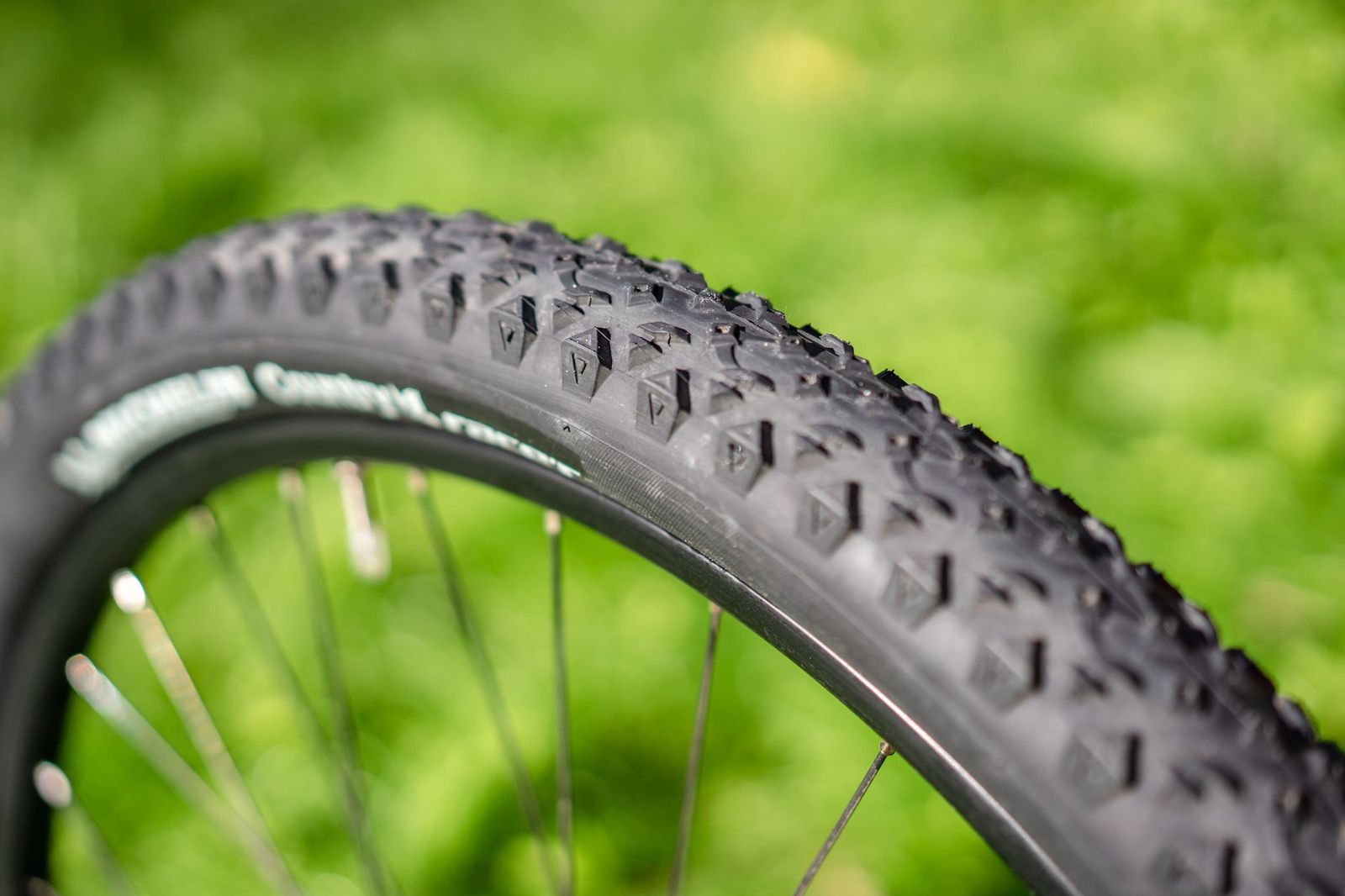
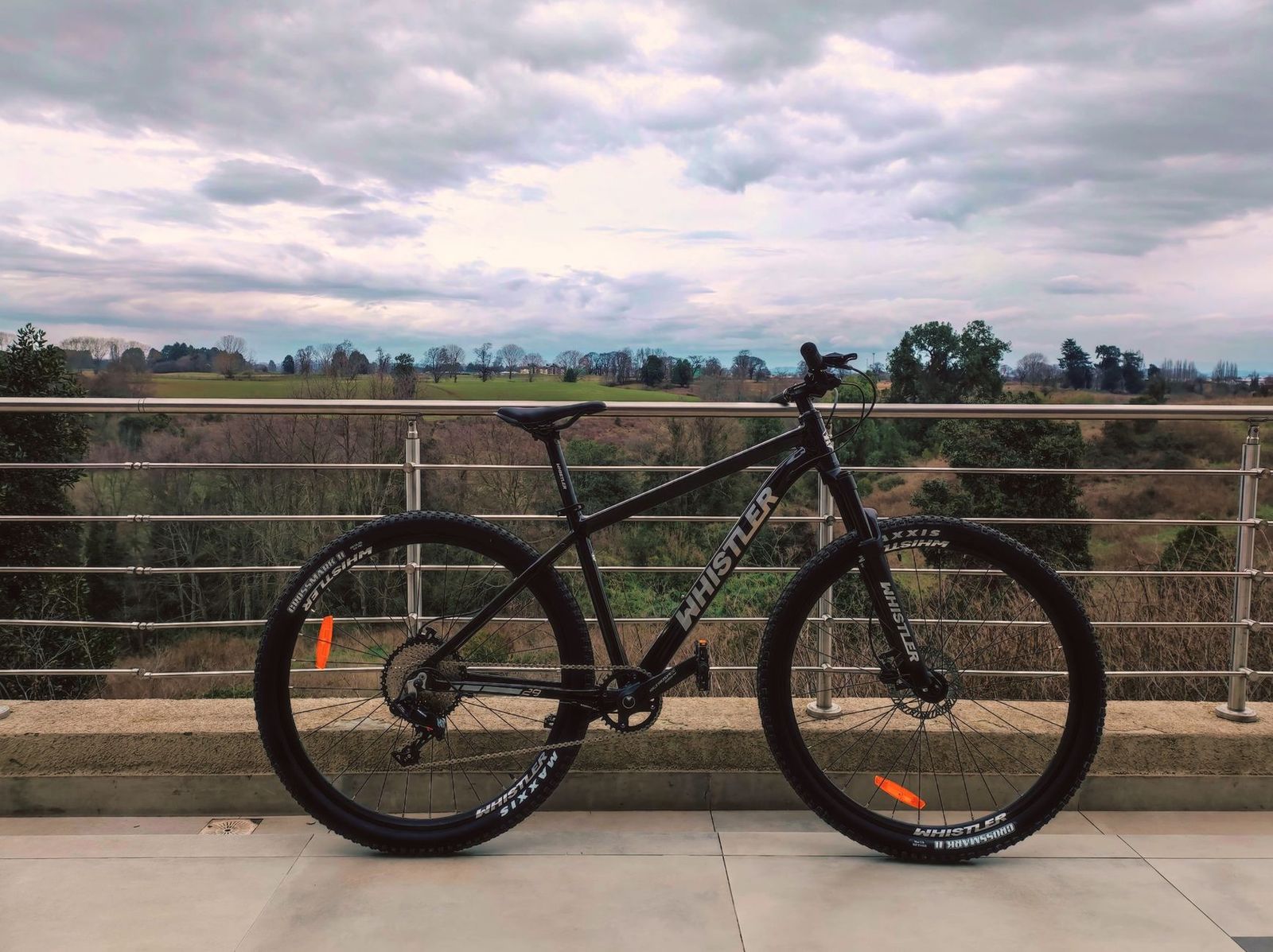
Best 29er Mountain Bike Tires by Budget: Smart Choices for 2026
Disclosure: We may earn a commission when you buy through links on this page, at no extra cost to you. As an Amazon Associate I earn from qualifying purchases. Learn more

The best 29er mountain bike tires at every price: what each tier delivers, which upgrades are worth paying for, and how to choose.
Tire prices range from pocket money to a serious slice of a bike budget, and the gap is not all marketing. Rubber compound, casing construction, and puncture protection genuinely cost money to make. This guide shows where spending on the best 29er mountain bike tires pays off, where it does not, and how to match a tire to your trails at each price tier.
Use the tier breakdowns first, then check the product table with your terrain in mind. A cheaper tire in the right tread pattern will serve you better than a premium tire in the wrong one.


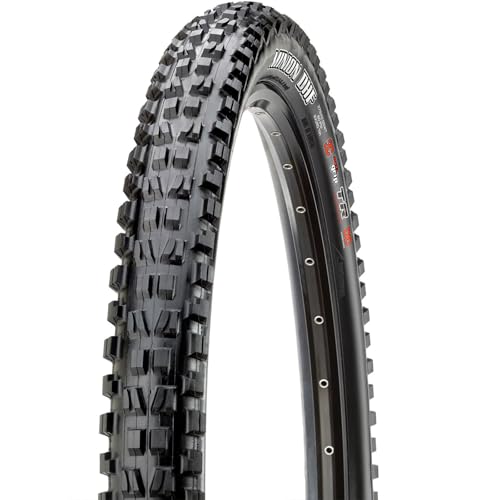

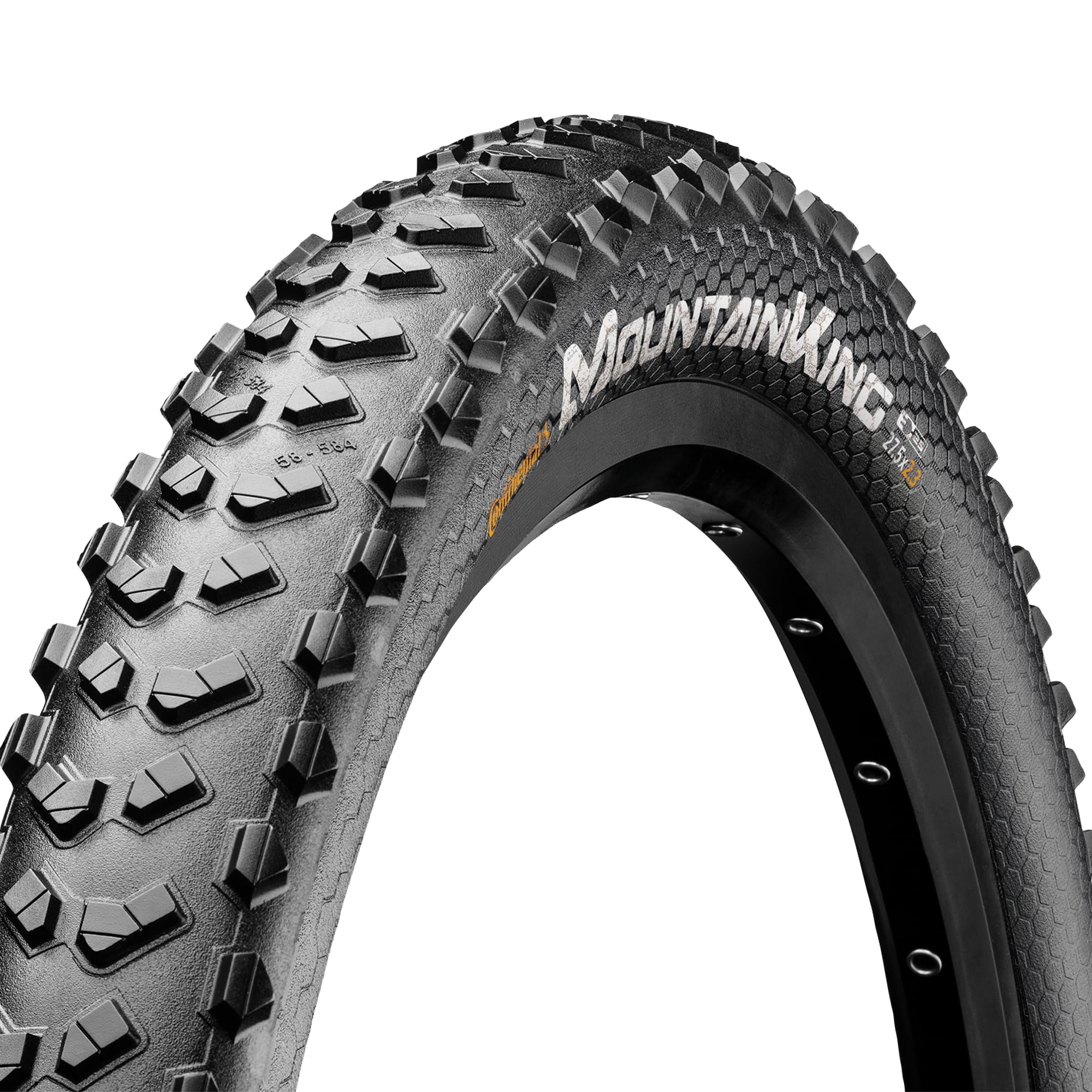

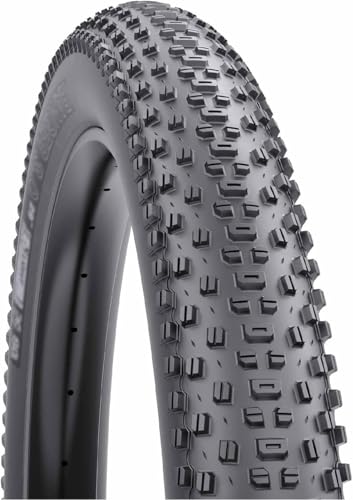
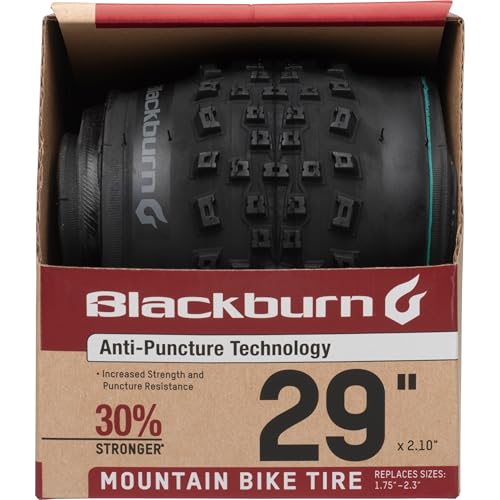


Tire Profiles by Budget
Rather than naming specific models, this section describes the profile a strong tire shows at each budget level. Compare whatever you are considering against these profiles, and be suspicious of any tire that promises the premium profile at the budget price.
Budget Profile
A good budget profile, usually around $30 to $45 per tire, gives you a proven tread pattern, a wire or basic folding bead, and a single rubber compound. Grip is honest in dry conditions and durability is often excellent, because harder rubber wears slowly. The compromises are weight and wet grip: the tire feels less supple over roots and can slide sooner on wet rocks. For smooth trails, commuting on a mountain bike, and riders learning setup basics, this profile is entirely sufficient and leaves money for a pump and spare tubes.
Midrange Profile
The midrange profile, around $50 to $70 per tire, is where most riders should shop. You gain a folding bead, a lighter and more supple casing, and usually a dual compound tread with softer rubber on the cornering knobs. Tubeless compatibility is standard at this level, and puncture protection under the tread is common. The tire conforms to the ground better, so braking and cornering feel more secure in mixed conditions. Nothing here is fragile or exotic, which is exactly why this tier suits riders who ride weekly in varied weather.
Premium Profile
Premium tires, around $75 to $100 per tire, add the softest and grippiest compounds, sophisticated casings with extra sidewall support, and tread patterns refined for specific conditions like loose dirt or wet roots. They shine for racing, steep technical trails, and riders who can feel small differences in cornering support. The trade off is lifespan and price: soft rubber wears faster, and a sidewall cut hurts more at this cost. Buy premium when your terrain truly tests grip, not as a default upgrade for gentle trails.
What Your Money Gets You at Each Price Tier
Budget Tier: What to Expect
Budget tires spend their money on rubber volume and simple, durable construction. Expect weights that are noticeably higher, casings that feel firm even at lower pressure, and tread designs carried over from older premium lines, which is a good thing. These tires often last the longest in pure miles. Their weakness appears on wet roots, off camber clay, and fast cornering, where basic compounds give up grip earlier. If your trails are dry and moderate, a budget tire plus careful pressure choice delivers most of the performance you will ever use.
Midrange Tier: The Sweet Spot for Most Buyers
Midrange money buys the two upgrades riders feel most: supple casings and better rubber where the tire meets the ground. The casing lets the tire deform around obstacles instead of bouncing off them, improving both comfort and traction. Softer shoulder knobs hold on in corners, while a firmer center keeps rolling speed and wear in check. Most midrange tires also seal well in a tubeless setup, which lets you run lower pressure without pinch flats. For mixed trail networks and changing seasons, this is the tier with the fewest regrets.
Premium Tier: When Spending More Pays Off
Premium spending pays off when conditions are extreme in a specific way: very loose surfaces, wet and steep technical trails, or racing where seconds matter. You are paying for compound chemistry and casing tuning that budget lines cannot copy cheaply. Aggressive riders also value the stronger sidewalls that resist squirm and cuts at low pressure. If your riding is moderate, the same money often works harder spent on a second set of tires for a different season, or on a midrange set plus a quality pump and sealant supply.
Features Worth Paying For (and Ones to Skip)
Ease of Installation
A tire that mounts by hand and seats with a normal floor pump saves real frustration, especially in a tubeless setup. Tight beads hold air well but can be brutal on tight rims, and combinations vary, so community feedback about a specific tire and rim pairing is worth reading. Folding beads mount easier and pack smaller as a spare. If you often change tires for conditions, installation ease is a genuine feature worth paying for, not a luxury.
Fit and Compatibility
Fit starts with width: match tire width to rim internal width so the profile stays round and supported, roughly 2.2 to 2.6 inch tires on 25 to 35 mm rims. Then check frame and fork clearance, remembering that mud needs extra room beyond the bare tire. Electric bike riders should look for tires rated for higher weight and torque. Riders who also use paved routes can compare our guide to the best road tires for 29er mountain bike use for smoother options.
Performance Specs
The specs that matter are tread pattern, rubber compound, and casing construction, in that order for most riders. Knob height and spacing should match your soil: tall and open for mud, lower and tighter for hardpack. Compound hardness affects both grip and wear, with softer shoulder knobs aiding cornering. Casing thread count and added layers trade suppleness against cut resistance. Ignore headline numbers that do not connect to your terrain, and compare against a broad baseline in our guide to the best mountain bike tires across sizes.
Safety Features
Puncture protection matters because a sudden flat on a descent can cause a crash, not just a delay. Look for a protective layer under the tread, sidewall reinforcement suited to rocky trails, and knobs that stay predictable as they wear. Wet grip matters too: compounds that stay flexible in cold and wet weather help keep braking predictable. Replace tires when the center knobs wear low or cracks appear in the rubber, because worn tires lose grip long before they look fully spent.
Best 29er Mountain Bike Tires for Specific Needs
Best Rear 29er Mountain Bike Tire: Where Your Money Goes
Choosing the best rear 29er mountain bike tire means prioritizing drive traction, braking bite, and durability over outright cornering grip. Rear tires wear fastest, so a slightly firmer compound and strong casing are smart value here. A tread with sturdy center knobs that dig under power, paired with a grippier front tire, is a classic and cost effective combination.
Best Tubeless 29er Mountain Bike Tires: Where Your Money Goes
With the best tubeless 29er mountain bike tires, your money goes into airtight casings, beads that seat securely, and sealant friendly construction. Tubeless setups let you run lower pressure for grip and let sealant plug small punctures while you ride. Budget for sealant refills and a plug kit, and check our guide to the best xc mountain bike tires if fast rolling tubeless options are your priority.
Long Term Costs to Factor In
Tires are consumables, so plan on replacement every season or two depending on mileage and terrain. Add sealant top ups every few months for tubeless setups, spare tubes even for tubeless riders, and rim tape when it wrinkles or tears. A rear tire typically wears about twice as fast as a front, so many riders rotate a partly worn front tire to the rear and fit the new tire up front, where grip matters most. Keeping a small stock of sealant and plugs at home avoids rushed purchases at full price before a planned ride.
29er Mountain Bike Tires: Your Questions Answered
Do I need professional installation for mountain bike tires?
No, most riders can fit tires at home with tire levers, a floor pump, and soapy water on the bead for stubborn cases. Tubeless setups occasionally need a compressor or a booster pump to seat the bead quickly. A shop visit is worth it if the bead will not seat after patient attempts, or if you suspect a bent rim. Learning the job yourself pays off, because trail side repairs use the same skills.
How long does a mountain bike tire last?
A rear tire on abrasive terrain may show heavy wear in 500 to 1,000 miles, while a front tire can last far longer. Soft premium compounds wear fastest, and hard riding on rock accelerates cuts and knob tearing. Judge by condition rather than distance: rounded or missing knobs, visible casing threads, and frequent small leaks all say replacement time. Rotating as described above stretches the value of each pair.
What specs matter most on a 29er mountain bike tire?
Tread pattern matched to your soil matters most, because no compound can fix knobs that pack with mud or slide on hardpack. Next comes casing quality, which governs comfort and puncture resistance, then compound, which fine tunes grip and wear. Width only helps if your rims and frame support it properly. Riders on flowing singletrack should also browse our guide to the best trail mountain bike tires for tread ideas by terrain.
Will a 29er mountain bike tire fit my bike and rims?
It will fit if three checks pass: the bead diameter matches your 29 inch wheels, the width suits your rim internal width, and the inflated tire clears your frame and fork with room for mud. Most trail frames accept up to about 2.5 or 2.6 inches, but older frames may cap at 2.3. When in doubt, measure your current clearance at the chain stays and seat stays, the tightest points, before ordering a wider tire.
Our Verdict
Spend first on the right tread for your soil, then on casing quality, and let premium compounds be the final step for demanding terrain. Use the tier profiles above alongside the picks in the table, and match front and rear tires as a system rather than as twins. Chosen that way, the best 29er mountain bike tires for your budget will grip in the corners, roll willingly on the flats, and wear out slowly enough to feel like money well spent.