Best 29er Mountain Bike Rims: Every Type Explained Side by Side for 2026
Disclosure: We may earn a commission when you buy through links on this page, at no extra cost to you. As an Amazon Associate I earn from qualifying purchases. Learn more

Compare the best 29er mountain bike rims by material, width, and weight, and learn which rim type suits cross country, trail, and enduro riding best.
Rims look deceptively similar in photos, yet width, material, and construction change how a wheel grips, survives rock strikes, and holds a tubeless tire. This guide compares each route to the best 29er mountain bike rims for your riding, so you can match a rim to your trails instead of guessing from a weight figure alone.
We go type by type first, then cover width, spoke count, and hub standards, and finish with the setup habits that keep rims true. Check the product table as you read, and note which type fits your bike and terrain.


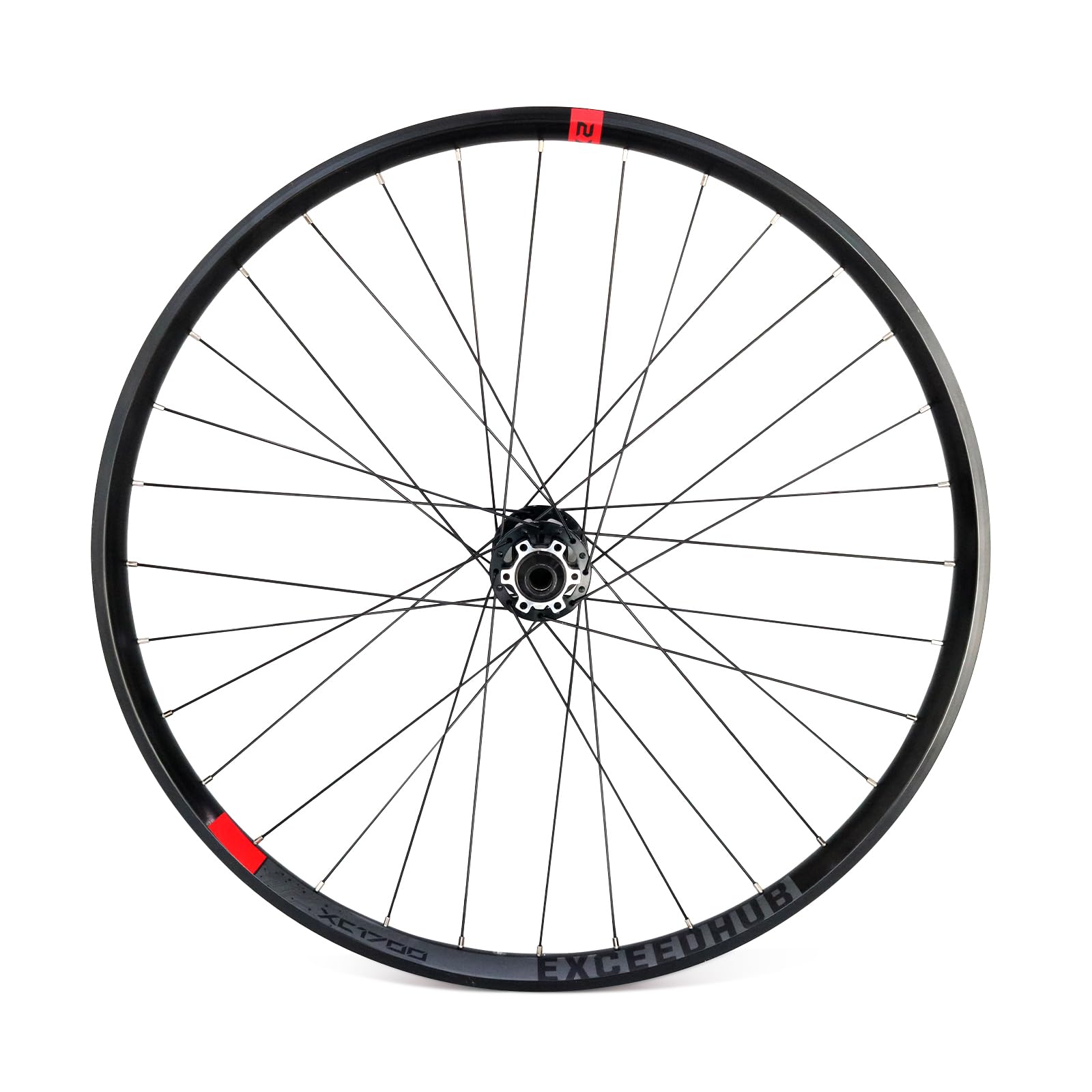
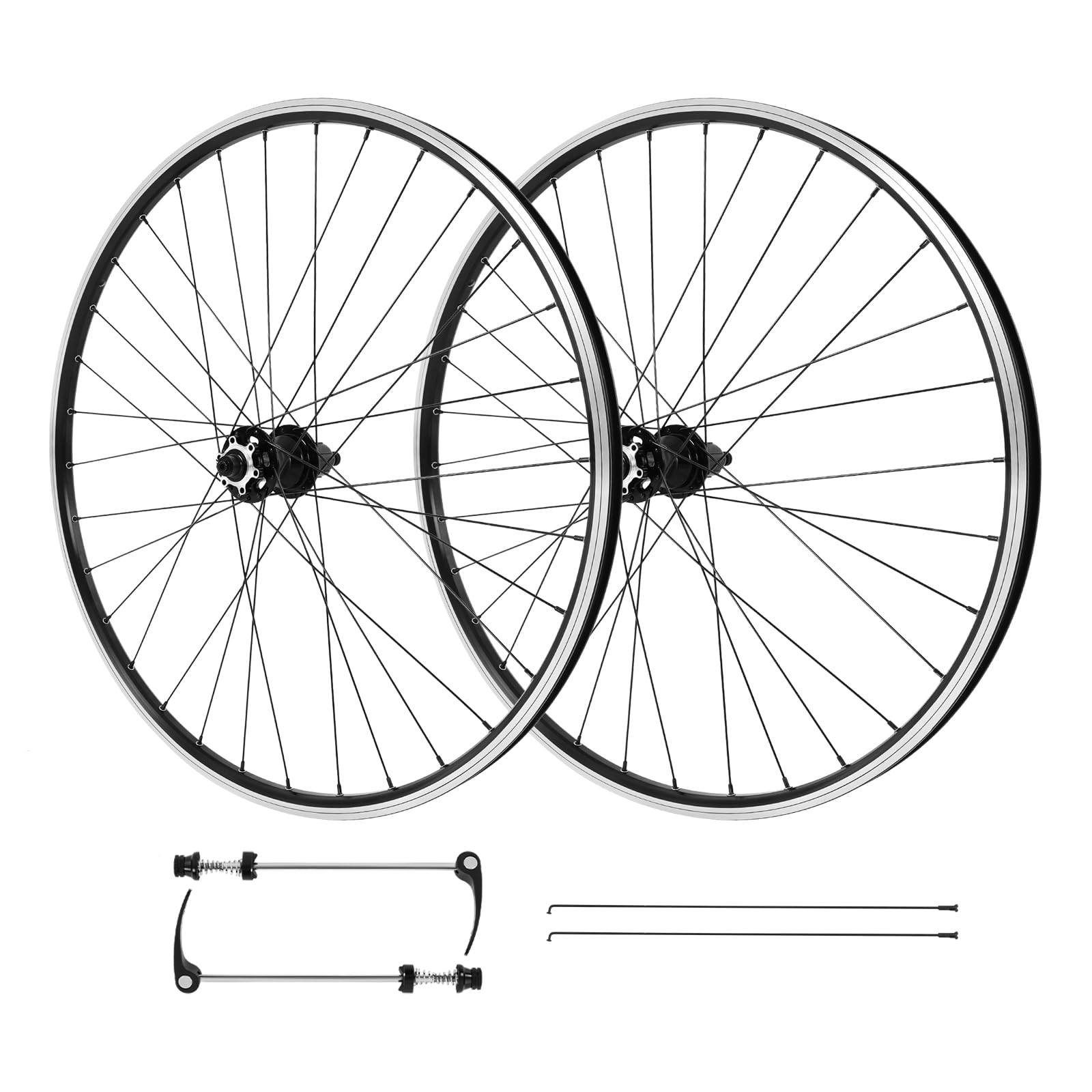

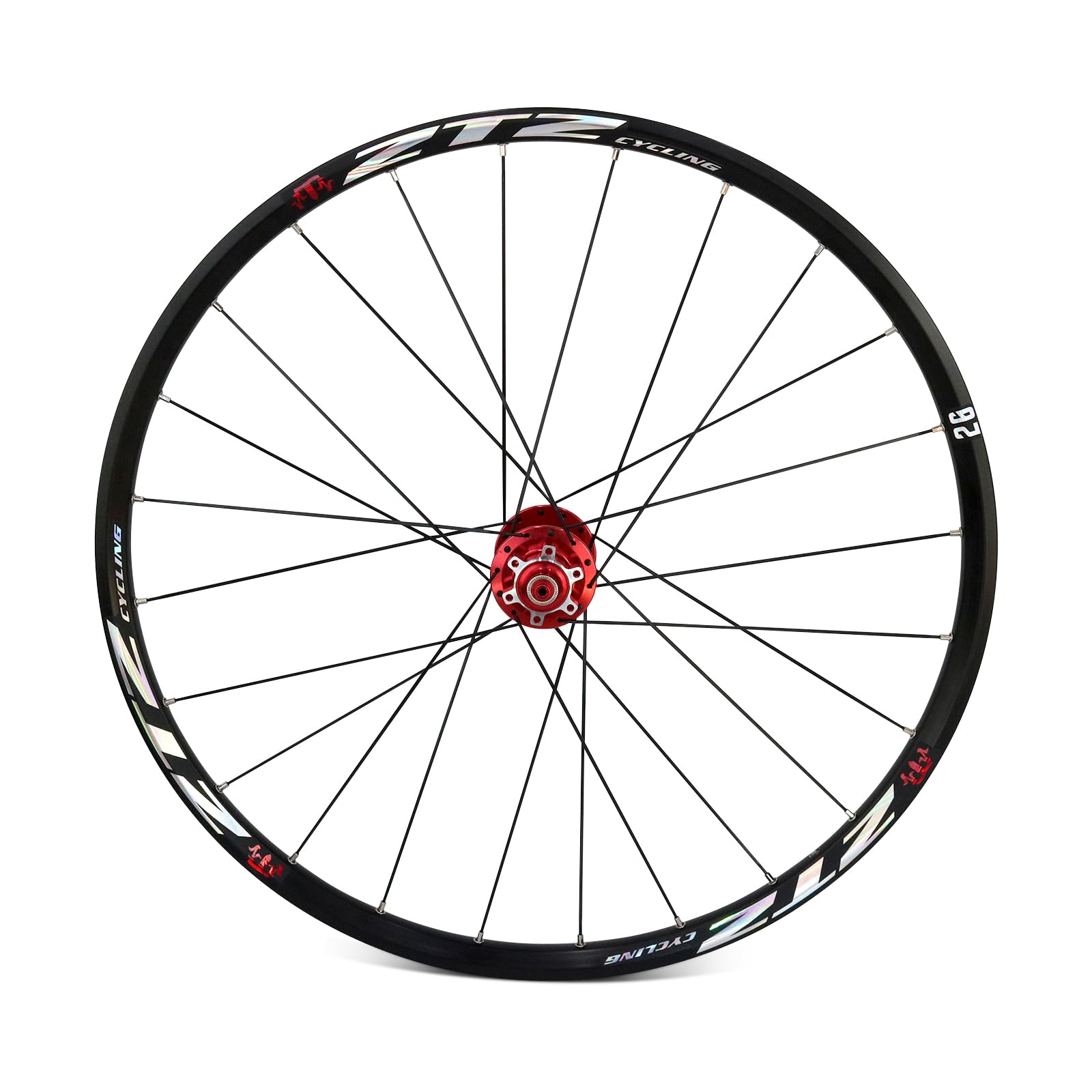
Types of 29er Mountain Bike Rims Compared
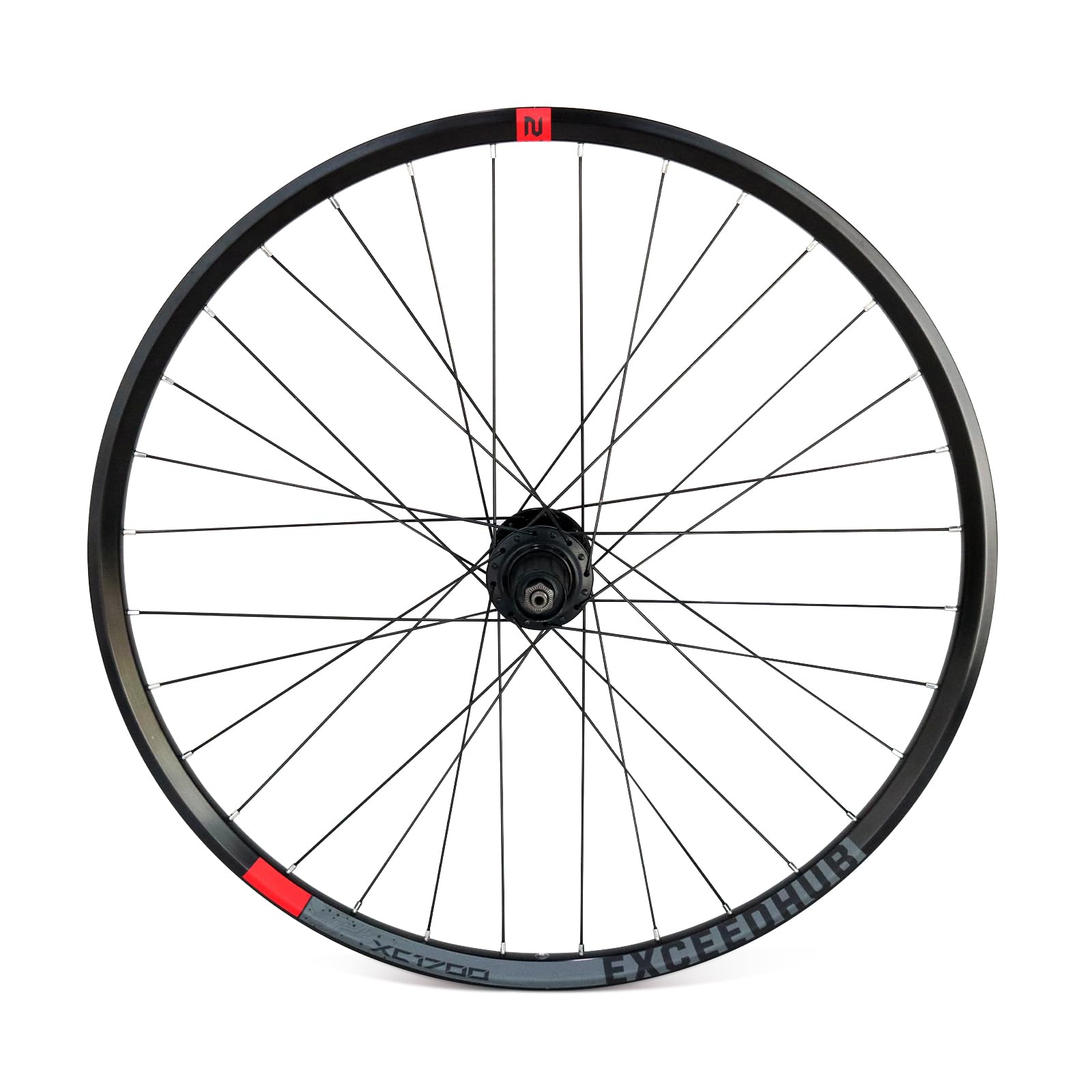
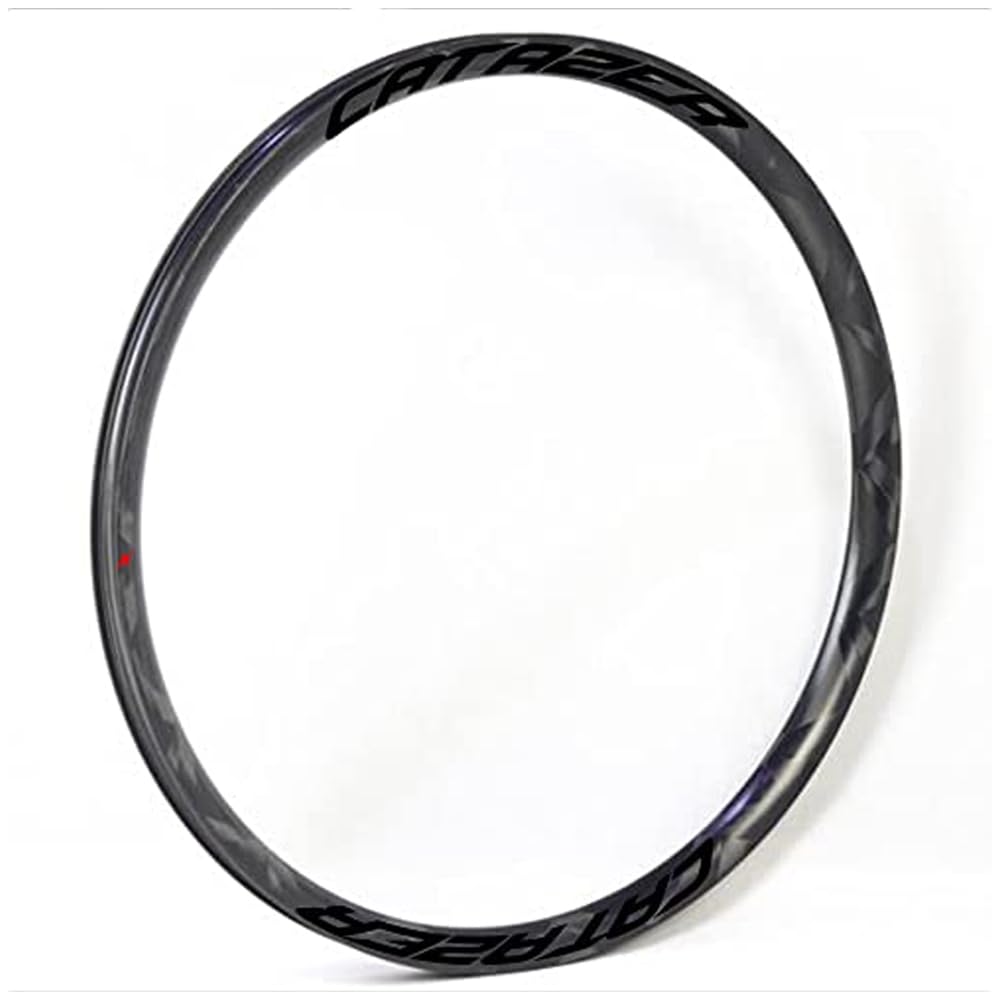
Rim types group naturally by the bikes they serve. Aluminum is the default for most riders, carbon rewards racers and weight conscious trail riders, and heavy duty builds exist for electric bikes and aggressive terrain. Typical prices run from around $60 for a basic aluminum rim to around $400 or more for a premium carbon rim, per wheel.
Electric Mountain Bikes
Electric mountain bikes add motor torque and battery weight, so their rims need extra strength above all. Look for higher spoke counts, around 32 to 36 spokes, rims rated for higher total system weight, and eyelets or reinforced spoke beds where available. Wider rims, around 30 to 35 mm internal width, support the larger tires these bikes often run and spread impact loads.
The advantage is durability under power; the drawback is weight, which matters less when a motor assists you. Riders converting a regular wheelset to electric use should check the maker weight limit first.
Hardtail Mountain Bikes
A hardtail has no rear suspension, so the rear rim and tire absorb every hit the frame passes through. Slightly wider rims let you run lower tire pressure, which adds a small cushion and more grip, and that comfort gain is real on a rigid rear end. Aluminum suits most hardtail riders because it bends rather than cracks on a hard strike and costs less to replace.
Racers may choose carbon for stiffness and weight, but should pair it with generous tire volume. Either way, prioritize a strong rear wheel, since it takes the most abuse.
Commuter E Bikes
Commuter e bikes need rims that survive potholes, curbs, and daily loads rather than rock gardens. Strength, spoke count, and easy access to standard spokes matter more than shaving grams. A mid width aluminum rim, around 25 to 30 mm internal, balances tire support with the narrower tires many commuters prefer. Sealed hubs and rims that accept reflective or high visibility tire options add practical value.
The best choice here is boring in the right way: standard dimensions, common spoke lengths, and a weight rating that covers rider, battery, and cargo together.
Road and Gravel Bikes
Some riders run 29er wheels on gravel builds, because 29 inch and 700c rims share the same bead diameter. Gravel rims are narrower, often around 21 to 25 mm internal width, lighter, and built for drop bar bikes with less suspension and lower impact loads. They roll fast on mixed surfaces but are not built for jumps, rock strikes, or wide mountain tires.
If your riding is mostly gravel and smooth trail, a gravel rim can work well. If you ride proper singletrack, choose a mountain rim with more width and strength instead.
Electric Mountain Bikes vs Hardtail Mountain Bikes: Which Should You Choose?
The rims each bike needs differ in four practical ways. First, weight rating: electric bikes carry a heavier total load, so their rims and spokes must be rated higher. Second, spoke count: electric builds favor 32 to 36 spokes, while a hardtail can run 28 spokes for a lighter rider. Third, width: both benefit from wide rims, but the hardtail rider gains comfort from width, while the electric rider gains tire support under torque.
Fourth, budget: electric rated rims cost more for the same material. Choose by the bike you own, not by headline weight.
How to Choose the Right 29er Mountain Bike Rim
Motor, Battery, and Range (for E Bikes)
Motor torque reaches the ground through the rear rim, so electric riders should confirm the rim and complete wheel carry a system weight rating above rider, bike, and cargo combined. Mid drive motors load the drivetrain and rear wheel hardest on steep climbs. Battery weight sits high on many frames and increases impact forces on landing. A rim that feels strong on a regular bike may be underbuilt for electric use, so treat the rating as a hard limit, not a suggestion, and inspect spokes more often.
Bike Type and Riding Style
Cross country riders can choose lighter rims with internal widths around 25 to 30 mm, which keep tires fast and precise. Trail riders do well around 30 mm, supporting 2.4 inch tires with stable sidewalls. Enduro and downhill riders should look at 30 to 35 mm widths, stronger rims, and an acceptance that weight rises with durability.
Tire support is the key idea: a rim that is too narrow lets the tire roll and squirm in corners, while a very wide rim can square off a narrow tire and reduce grip.
Weight and Components Upgrade Path
Rim weight sits at the edge of the wheel, so lighter rims make the bike feel quicker to accelerate and change direction. Still, the hub, spokes, and tire all share the total, and a featherweight rim with a heavy tire gains little. Think about the whole wheel as a system and about future service: standard spoke lengths and common hub standards keep repairs cheap. Our general guide to the best rims for mountain bike use covers other wheel sizes if your household runs mixed bikes.
Drivetrain and Gearing
Gearing does not change the rim itself, but it does affect the hub the rim is built around. Wide range cassettes need a compatible freehub body, and swapping between drivetrain standards can mean a new hub or a conversion part rather than a simple cassette change. If you plan a drivetrain upgrade later, choose a hub with replaceable freehub bodies.
This is also the moment to confirm axle standard and rotor mount, since a rim built into the wrong hub standard will not fit your frame or fork at all. For complete bike context, see our guide to the best 29er mountain bike as a whole.
Suspension (Hardtail vs Full Suspension) and Travel
More suspension travel usually means bigger impacts, because riders go faster and hit obstacles harder when the bike absorbs more. Long travel bikes therefore need stronger rims, while short travel and hardtail riders can trade some strength for lower weight. Suspension setup also matters: a fork and shock set too soft will bottom out and send the full force of a landing into the rims. Correct sag and sensible tire pressure are cheap rim protection on any bike, whatever its travel figure says.
Setup and Care Tips
Start with rim tape in good condition, because tape failure is the most common cause of a tubeless setup losing air; our guide to the best mountain bike rim tape explains widths and materials. Seat the tire with a steady pressure rise, confirm the bead line sits evenly all around, then set pressure by feel and terrain rather than habit.
Check spoke tension by squeezing pairs of spokes every few weeks; one very loose spoke loads its neighbors. Clean sealant residue off the rim bed when you change tires so the next setup seals quickly.
29er Mountain Bike Rims: Your Questions Answered
What e bike class is legal where I live?
Class 1 e bikes assist while you pedal up to 20 mph and are accepted on the most trails, Class 2 adds a throttle, and Class 3 assists to 28 mph for road use. Trail access rules sit with land managers and vary widely, so check your local system before riding. For rim choice, the practical point is simple: any motorized bike needs rims and wheels rated for its full weight and torque, whatever class it falls into.
Hardtail or full suspension for beginners?
A hardtail is simpler and cheaper to maintain, and it teaches smooth technique, but its rear rim takes harder hits because nothing else absorbs them. Beginners on rocky trails should run slightly higher tire pressure while learning to avoid rim dents. Full suspension softens impacts for rider and rim alike. Either bike works; the rim lesson is that line choice and pressure matter more than material when you are starting out.
How much should I spend on rims?
Wheel upgrades are a common first purchase, so set a budget before you shop. A sensible rim upgrade budget is around $150 to $400 per wheel for quality aluminum, with complete wheelsets costing more. Before spending, confirm your current rims are actually limiting you; tires and pressure changes often deliver bigger gains for less money. If your stock rims are narrow and heavy, though, a wider and lighter replacement is one of the most noticeable changes you can make to a bike.
How far can an e bike go on one charge?
Most trail e bikes travel about 20 to 50 miles on a charge depending on assist level, terrain, and total weight. Rim choice has a small effect: heavier downhill rated wheels cost a little energy, and wider tires at low pressure roll slower on smooth ground. The big factors remain battery size and climbing. If range matters, keep tires at sensible pressure for the surface and use lower assist on easy sections rather than changing wheels for efficiency.
What size bike do I need?
Frame size and rim size are different questions: the 29 inch rim stays constant across frame sizes, while reach, stack, and standover change. Smaller riders should still not downsize wheels unless the bike was designed for it, because handling and gearing assume the larger wheel. Lighter riders can often choose lighter rims safely, while heavier riders on any frame size should favor stronger builds and more spokes.
The Bottom Line
Width, strength rating, and hub compatibility decide whether a rim suits your bike, and material comes after those three. Match the rim to your bike type using the sections above, compare candidates in the product table, and explore our guide to the best tubeless mountain bike rims if a tubeless setup is your goal. Choose the best 29er mountain bike rims for the impacts your riding actually delivers, and your wheels will stay true, sealed, and quick for seasons.