Best 29er Mountain Bike Under 1500: Budget, Midrange, and Premium Guide for 2026
Disclosure: We may earn a commission when you buy through links on this page, at no extra cost to you. As an Amazon Associate I earn from qualifying purchases. Learn more

Learn how to choose the best 29er mountain bike under 1500 with clear price tier guidance, fit tips, brake and suspension advice, and a simple checklist.
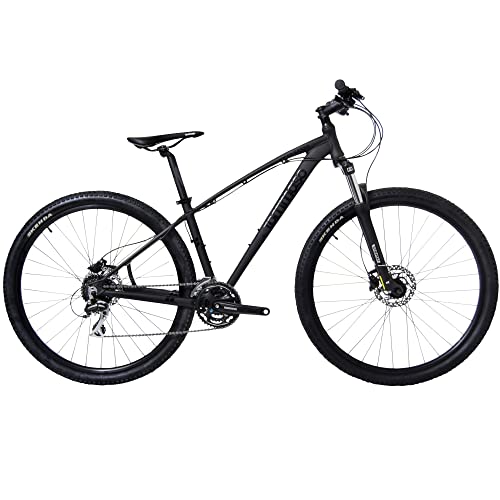
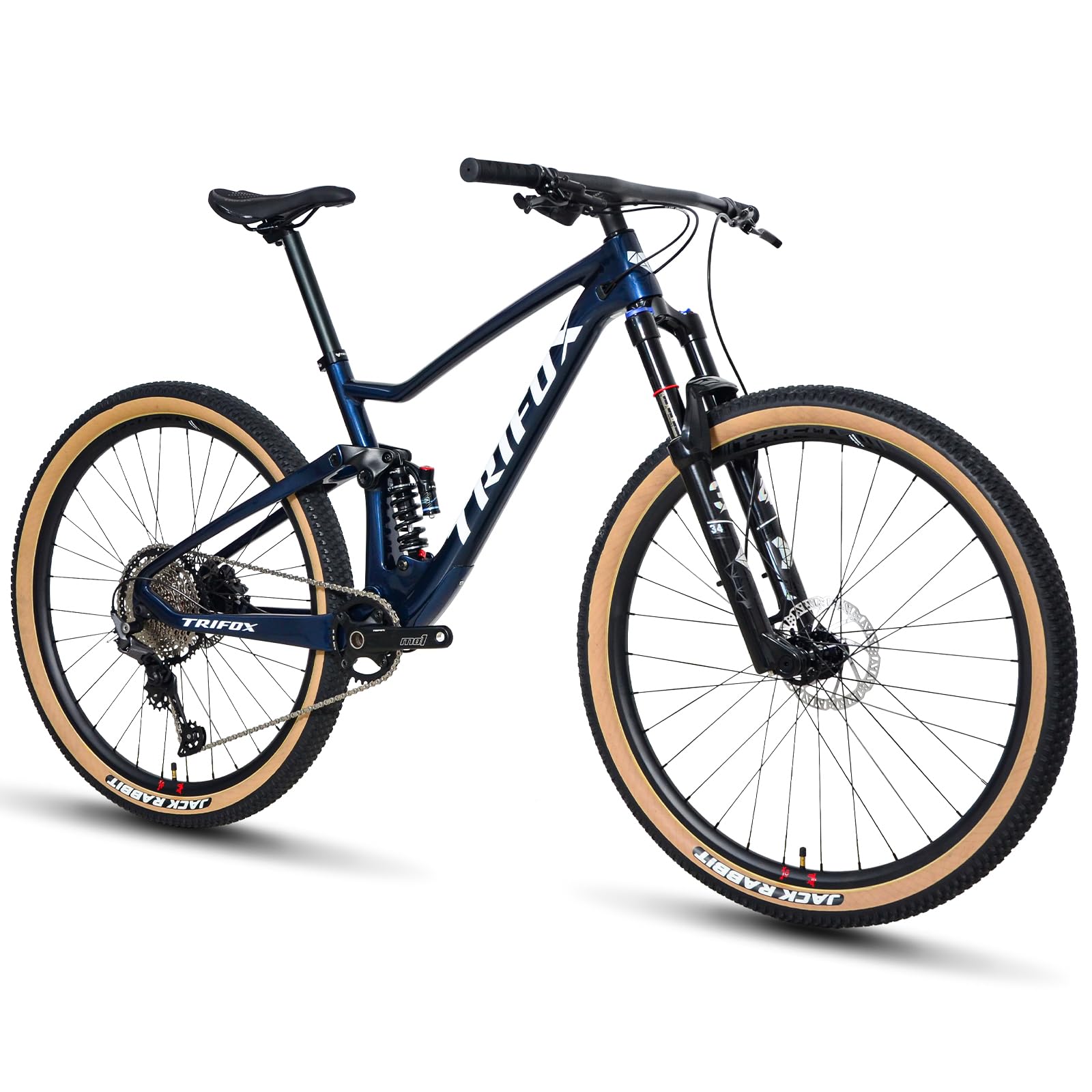
Prices for 29 inch wheel trail bikes stretch from a few hundred dollars to well past your cap, and the spec sheets can look similar at a glance. This guide shows you where money actually changes the ride, so you can pick a best 29er mountain bike under 1500 candidate with confidence. Use the product table to spot the fork, brakes, and drivetrain fitted at each price, then work through the tiers and checklists that follow.


Best 29er Mountain Bike Under 1500 by Price Tier
Instead of chasing a single winner, think in tiers. A bike that suits a smooth local loop can feel underbuilt on rocky descents, while a heavier duty build can feel slow on long climbs. Match the tier to your trails first, and the remaining choices get much simpler.
Best Budget Tier Profile
The budget tier, roughly around $600 to $900, suits riders on smooth singletrack, gravel paths, and gentle woodland trails. Expect an aluminum frame, a basic coil or entry air fork with about 100 to 120 mm of travel, and mechanical or basic hydraulic disc brakes. A wide range drivetrain may be missing, so check the lowest gear if your area is hilly. The main limit is weight and fork control on rough ground, so budget for better tires later rather than stretching for cosmetic extras now.
Best Midrange Tier Profile
The midrange tier, roughly around $900 to $1200, is where most riders get the best balance of control and value. You will usually find a smoother air fork, hydraulic disc brakes with stronger bite, and a modern 1x drivetrain that drops the front derailleur for simpler shifting. Many builds at this level add a dropper post, which lowers the saddle for descents at the push of a lever. The trade off is that wheels and tires stay fairly plain, so they are the natural first upgrade.
Best Premium Tier Profile
The premium tier, roughly around $1200 to $1500, suits riders who ride weekly and want parts that hold up longer. Look for a fork with better damping, through axles at both ends for a stiffer connection, and tubeless ready rims and tires. Brakes often gain larger rotors, and shifting feels crisper under load. You still will not get carbon frames or top level suspension at this price, and that is fine. Durability and control improve more here than raw weight savings do.
What Your Money Gets You at Each Price Tier
Each step up buys a specific improvement, not just a nicer badge. Read the tiers below as a map. If a listing skips the step that matters for your terrain, a lower price is not a bargain, and if it adds features you will never use, a higher price is not value.
Budget Tier: What to Expect
At the budget end you get a sound frame and wheels that roll over roots and stones better than smaller wheels, thanks to the larger diameter. Parts are heavier and shifting may need more frequent adjustment. This tier fits casual riders, growing teenagers with adult sizing, and anyone trying out whether trail riding sticks. Protect the essentials here: correct size, working brakes, and tires with real tread matter more than extra gears you will rarely use.
Midrange Tier: The Sweet Spot for Most Buyers
Midrange money mainly buys control. An air fork can be set for your weight, hydraulic brakes need less hand force on long descents, and a clutch derailleur keeps the chain quieter and more secure. If you are comparing a broader shortlist, see our guide to the best mountain bike under 1500 for how wheel size changes the picture. For most trail riders, this is the tier where the bike stops limiting the ride and starts rewarding better technique.
Premium Tier: When Spending More Pays Off
Spending toward the cap pays off when you ride rougher trails, ride in wet weather often, or plan to keep the bike for many seasons. Better fork damping keeps the front wheel tracking through braking bumps, and sealed bearings last longer between services. Riders who know they want a hardtail for efficiency should also read our guide to the best mountain bike for under 1500 hardtail before deciding. If your trails are smooth, this extra spend adds little, so save the difference for gear.
Features Worth Paying For and Ones to Skip
Spec sheets reward careful reading. A long list of features can hide a weak fork or poor fit, while a shorter list with the right parts rides far better. The points below help you judge each claim on a listing.
What You Can Realistically Get Under $1500
A realistic target at this cap is a solid aluminum hardtail with an air fork, hydraulic brakes, a 1x drivetrain, and tubeless ready wheels. Full suspension at this price usually means heavier frames and basic rear shocks, so it suits only riders on genuinely rough trails. Do not cut corners on brakes or fit to gain a dropper post or flashy paint. Those extras are easy to add later, while a wrong size frame is not fixable.
Suspension: Hardtail vs Full Suspension and Travel
A hardtail has suspension only at the front, which makes it lighter, simpler, and more efficient on climbs. Full suspension adds a rear shock that helps on rocky descents but adds weight and service costs. Travel tells you how much the fork moves: about 100 to 120 mm suits cross country riding, 120 to 140 mm suits general trails, and more suits steep terrain. For racing focused builds, compare our guide to the best xc mountain bike under 1500 for a lighter angle.
Sizing and Fit
Fit decides comfort and control more than any single part. As a rough guide, riders about 5 feet 5 inches to 5 feet 11 inches often take a medium, and taller riders often take a large, but reach and standover height vary by brand. You should be able to stand over the top tube with clearance and reach the bars without stretching. If you fall between sizes, the smaller size usually feels easier to handle on tight trails.
Brakes: Hydraulic vs Mechanical Disc
Hydraulic disc brakes use fluid to push the pads, giving stronger stopping power with lighter finger pressure and better control in wet conditions. Mechanical disc brakes use a cable, cost less, and are simpler to adjust at home, but they need more hand force. On any bike ridden on hills or in rain, hydraulic brakes are worth paying for. Check rotor size too, since larger rotors, around 180 mm, handle heat better on long descents.
Bike Type and Riding Style
Match the bike to the riding you will actually do. Cross country bikes favor light weight and climbing, trail bikes balance climbing and descending, and enduro bikes favor descents at the cost of weight. A 29 inch wheel rolls over obstacles smoothly and holds speed well, which suits most adult riders. Riders who need motor help on steep commutes should look at a different category entirely, covered in our guide to the best e mountain bike under 1500 instead.
Long Term Costs to Factor In
The purchase price is only the start. Budget for a helmet, flat repair kit, pump, and padded shorts if you ride far, plus a floor pump with a gauge for weekly pressure checks. Tires, brake pads, chains, and cables wear out, and a yearly shop service keeps shifting and braking sharp. Suspension forks need periodic service to stay smooth. Setting aside a modest yearly amount prevents a worn drivetrain from turning a good bike into a frustrating one.
FAQs
Can you get a good 29er mountain bike under $1500?
Yes, you can get a genuinely capable trail bike at this cap. Focus on an air fork, hydraulic brakes, and correct fit rather than the longest feature list. One point buyers miss is assembly: many bikes arrive partly built, so budget time or a shop fee for a check of the brakes, headset, and wheel axles before your first ride on rough ground.
How much should I spend on my first bike?
Spend enough to reach hydraulic brakes and an air fork if your trails have hills or roots, which often means the midrange tier. Going cheaper can work for flat paths, but weak brakes get tiring fast. Keep some money back for a helmet, pump, and spare tube. A slightly cheaper bike with proper safety gear serves a new rider better than a premium bike ridden without a helmet.
Is a 29 inch wheel better than 27.5 inch?
A 29 inch wheel rolls over roots and rocks more easily and holds speed well, which helps on climbs and fast trails. A 27.5 inch wheel feels more nimble in tight turns and can suit shorter riders. If you are between sizes, check the frame size and standover height first, since fit matters more than wheel size alone.
What size bike do I need?
Start with the maker size chart using your height and inside leg measurement, then check standover clearance in person when possible. Reach matters as much as height, since a long frame can strain your back and slow steering. Shoe and pedal choice changes comfort slightly, but saddle height is the key adjustment. Set it so your knee keeps a slight bend at the bottom of the pedal stroke.
Do I need a dropper post?
Not at this budget. A dropper post helps on steep descents by letting you lower the saddle quickly, but it is easy to add later. Spend first on a proper frame size, hydraulic brakes, and a decent fork, then add a dropper post once your skills and trails call for it.
Hardtail or full suspension for beginners?
A hardtail is usually the smarter first choice at this budget because more of your money goes into the fork, brakes, and wheels. It also teaches clean line choice, since you cannot rely on rear suspension to smooth mistakes. Choose full suspension only if your local trails are rocky enough that rear wheel bounce ends rides early. Either way, wear a helmet and start on easier trails while skills build.
Final Thoughts
Fit, brakes, and fork quality decide your enjoyment far more than small weight differences or extra gears. Pick the tier that matches your trails, confirm the size carefully, and leave room in the budget for safety gear and basic upkeep. When you are ready, compare the product table above side by side and choose the best 29er mountain bike under 1500 option that fits your riding, not just your spreadsheet. Women comparing dedicated sizing and contact points can also see our guide to the best women's mountain bike under 1500 for extra fit notes.