Best 24000 Btu Mini Splits in 2026: Types, Sizing and Costs
Disclosure: We may earn a commission when you buy through links on this page, at no extra cost to you. As an Amazon Associate I earn from qualifying purchases. Learn more

Compare the best 24000 btu mini split types by coverage, efficiency, cold weather heating and installation to size a 2 ton system.
A 24000 Btu system sits in a tricky spot. It is too large for a single small bedroom, yet it can feel strained in a big open plan living area if the sizing is wrong. Choosing the best 24000 btu mini split means matching that capacity to your floor area, ceiling height, insulation, and climate, then comparing efficiency, noise, and heating output. The three types below group the main options side by side so you can see those tradeoffs at a glance.
This guide skips named product picks and focuses on the types and criteria that actually decide comfort. You will learn how single zone and multi zone layouts differ, what inverter and heat pump ratings mean in daily use, and which features deserve your money. If you are still comparing sizes and formats, our overview of the best mini split options gives useful background before you narrow down to this capacity.
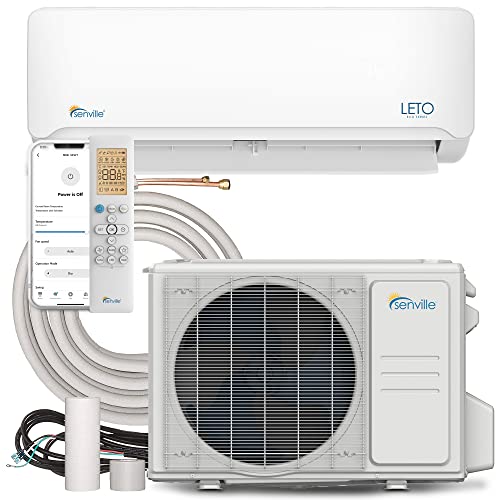

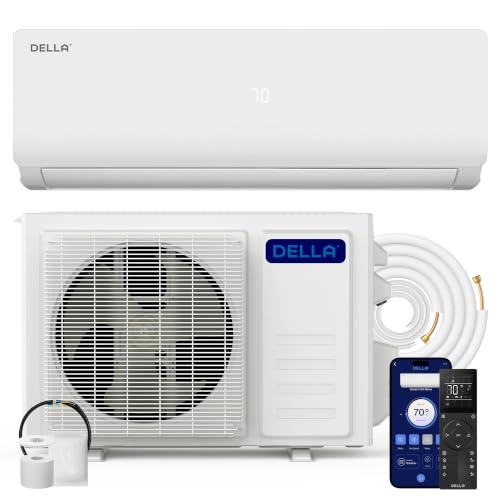
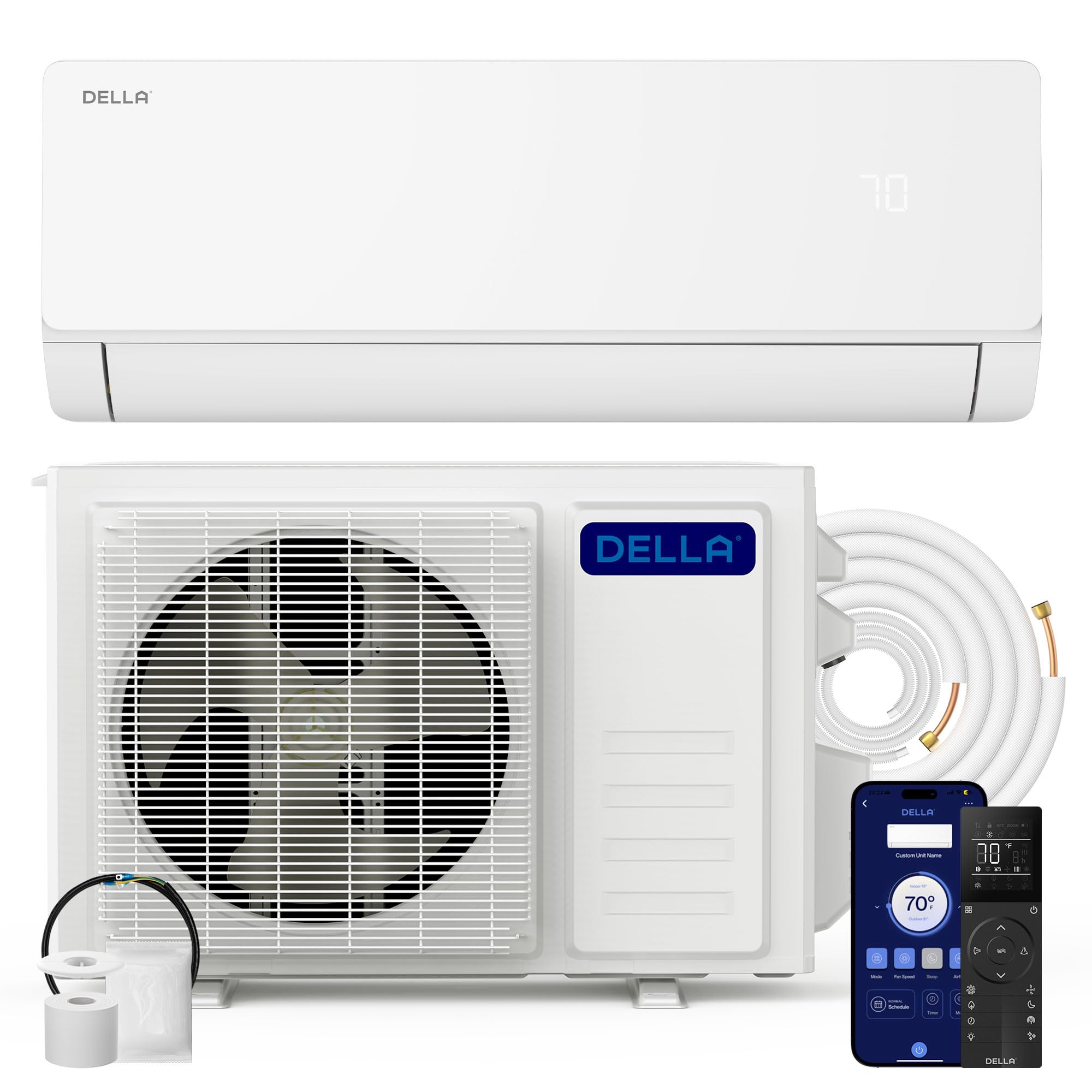


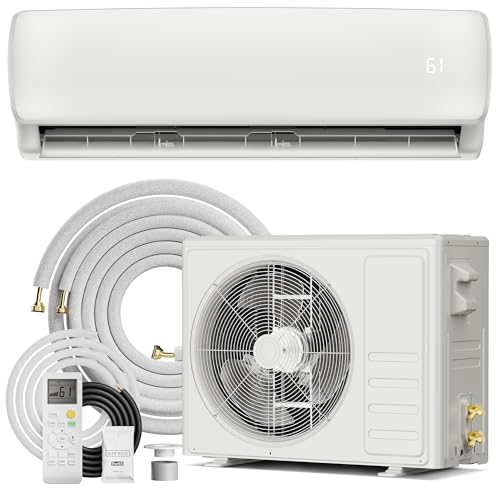
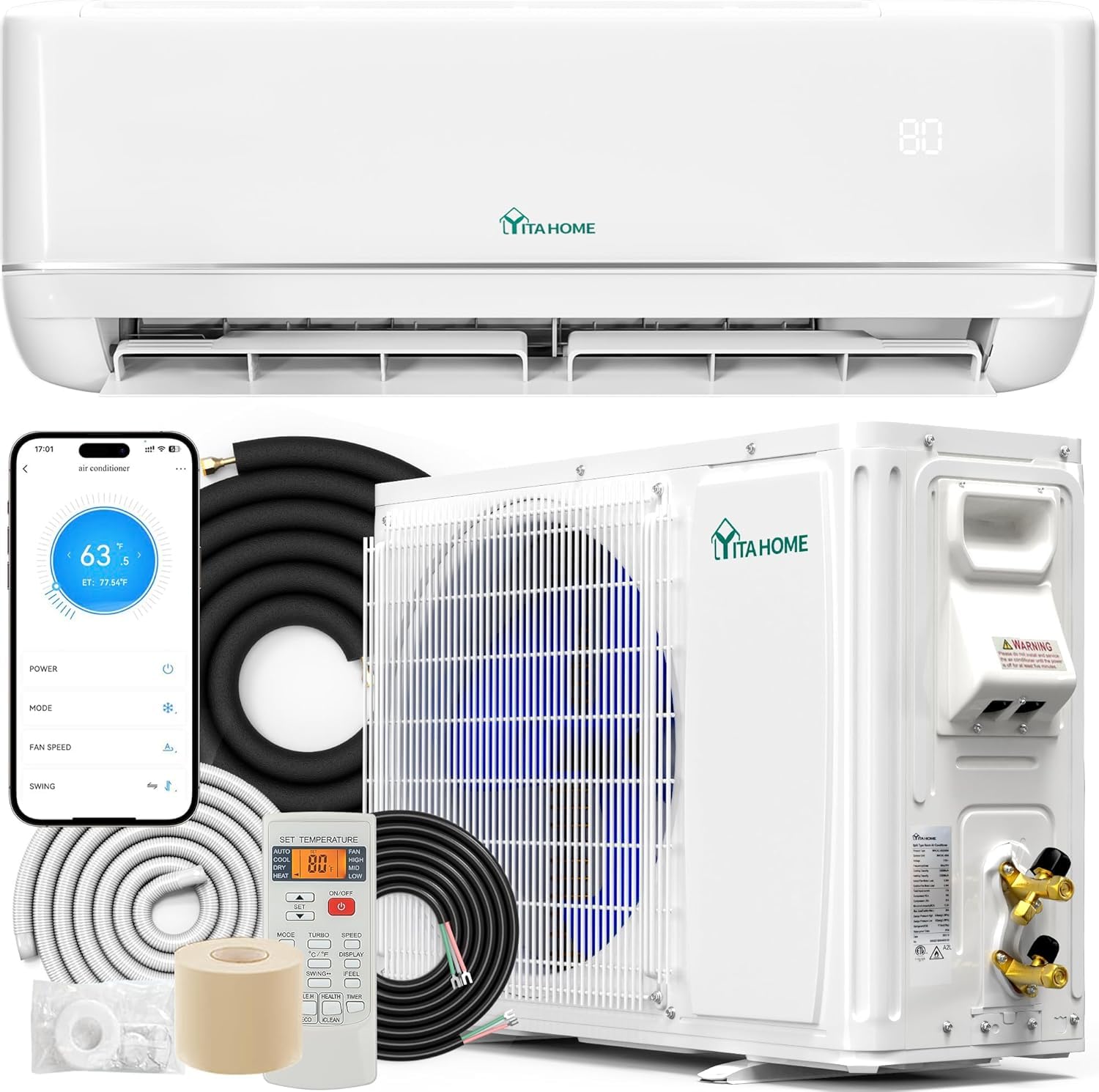
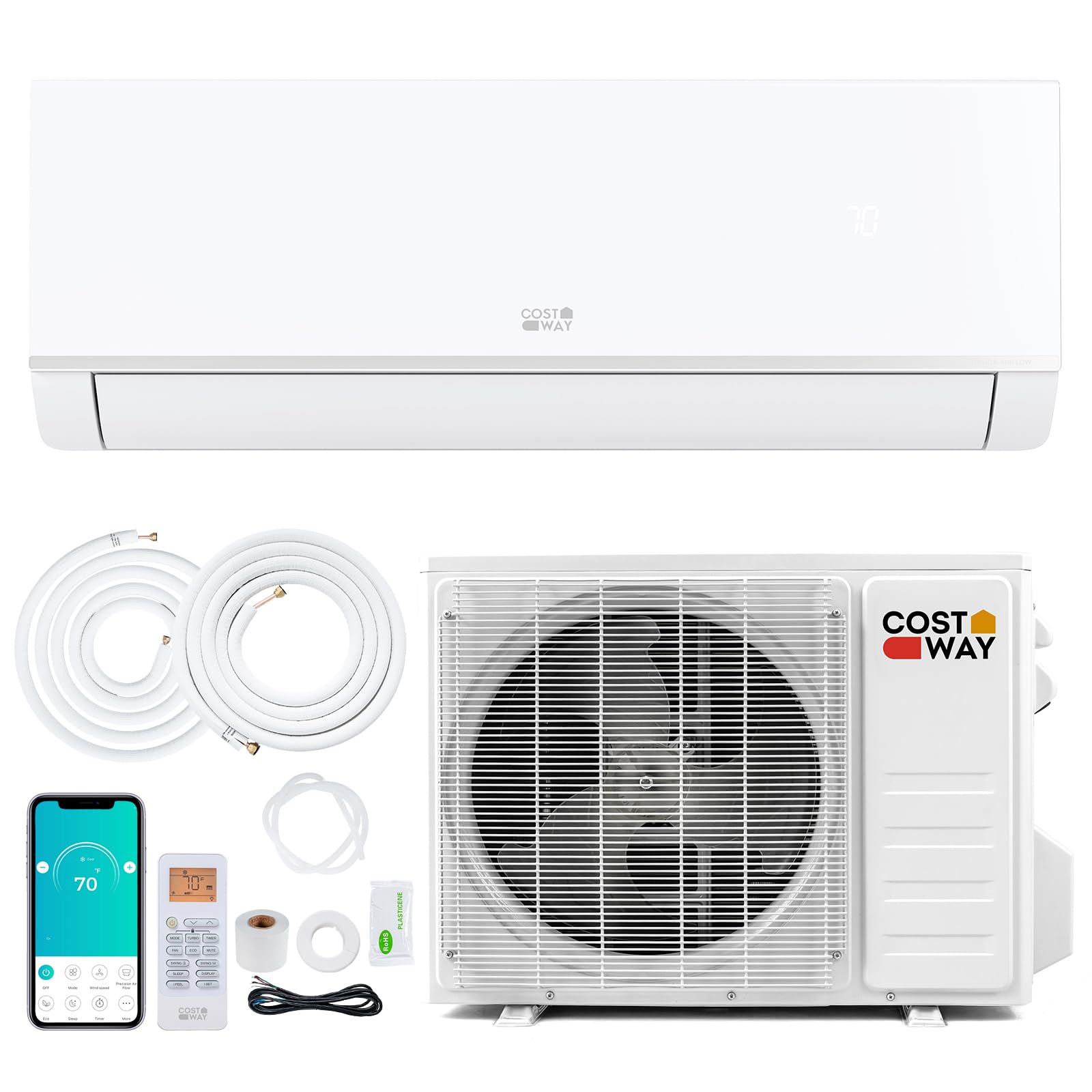
Three Types at a Glance
Three broad types cover most homes at this size: a standard inverter heat pump installed by a professional, a do it yourself type with a pre charged line set, and a premium cold climate type built to keep heating well below freezing. All three deliver the same nominal cooling capacity, so the real differences are installation cost, winter heating strength, efficiency at partial load, and scheduling control.
Three Types Worth Comparing
Think of the types below as shopping categories rather than specific models. Use them to decide which type fits your house and your budget, then compare individual listings within that type using the criteria in the sections that follow.
Professional Install Inverter Heat Pump
This is the default choice for most owners. A licensed installer sizes the line set to your layout, evacuates the lines, and verifies refrigerant charge and drainage, and that careful setup helps the system reach its rated efficiency. Inverter compressors vary their speed instead of cycling fully on and off, so rooms hold a steadier temperature and humidity control improves on muggy days. Choose this type for a main living space that will run daily for years.
Do It Yourself Pre Charged Systems
These systems ship with line sets already charged with refrigerant and fittings that connect without specialized vacuum equipment, which can cut installation spending if you are comfortable mounting units and drilling a wall opening. The savings come with limits. You still need a dedicated electrical circuit, and many owners hire an electrician for that part. A slope error in the drain line can also cause water trouble later. If this route appeals to you, compare the best diy mini split category carefully before ordering.
Cold Climate Heat Pump Systems
Cold climate models use a compressor and controls tuned to extract heat from very cold outdoor air, and makers publish a heating capacity rating at low temperatures so you can verify output instead of guessing. That extra engineering costs more, and it matters most in northern regions where a standard heat pump would lean heavily on backup heat. In a mild climate you may never use that reserve capacity.
How We Chose These Categories
The categories above were shaped by six criteria owners feel every day: coverage in square feet, cooling and heating performance, noise level, energy use, filter and maintenance access, and smart features such as WiFi control. We weighted published efficiency ratings and low temperature heating data from manufacturer specification sheets, plus common owner complaints about drainage and parts availability. The goal is to show which published numbers predict comfort, so you can judge any listing on equal terms.
How to Choose the Right Mini Split
Size and Form Factor
A 24000 Btu unit is a 2 ton system, since each ton equals 12000 Btu. Most single zone versions pair one outdoor unit with one indoor air handler, usually a wall mounted head, though ceiling cassette and floor console handlers exist for rooms where wall space is tight. Multi zone versions connect two or more smaller indoor heads to one outdoor unit, which spreads capacity across rooms but divides the total output when all heads run at once. Pick the form factor around your room layout, not around looks alone.
Type
Nearly every model at this size is a ductless heat pump with inverter drive, meaning it cools in summer and reverses to heat in winter. Cooling only models exist but rarely make sense unless you already have a strong heating system. Check the electrical requirement before you buy, because most 24000 Btu systems need a 208 to 230 volt circuit, while smaller sizes sometimes run on 115 volts. Also confirm whether the listing is single zone or multi zone, since that choice changes both price and installation work in a big way.
Features Worth Paying For
Heat pump heating is worth paying for in almost every climate, because it replaces far more expensive electric resistance heat on cool days. WiFi control earns its cost if you want scheduling, vacation settings, or filter alerts. A pre charged line set is worth it only on do it yourself types, where it removes a pro only step. Skip decorative lighting and novelty air scents, since neither improves cooling. Spend first on efficiency, heating output, and controls every household member can use.
Room Size and Coverage Ratings
Manufacturers commonly rate this size for about 1000 to 1500 square feet, but that range assumes average ceiling height, decent insulation, and a moderate climate. A sunny room with large west facing windows needs more capacity than a shaded room of the same size, and a garage conversion with weak insulation needs more still. Treat the headline number as a starting point only. A proper load calculation weighs window area, air leakage, occupancy, and local design temperatures, and it protects you from both short cycling and weak cooling.
Running Cost and Energy Use
Cooling efficiency is expressed as a SEER2 rating, and heating efficiency as an HSPF2 rating, and higher numbers mean less electricity for the same comfort. The gap between a basic rating and a high rating shows up most in homes that run the system for long hours, since small savings per hour compound across a season. Inverter operation also trims cost at partial load, which is how the system runs on most mild days.
Noise Levels for Bedrooms
Indoor noise is quoted in decibels at each fan speed, and the lowest speed matters most for sleep. Quiet models drop into the low 20s or low 30s in decibels at their gentlest setting, which is softer than a typical conversation, while the highest fan speed can be far louder. Outdoor units are louder still, often in the upper 40s or 50s, so place yours away from bedroom windows and from a neighbor patio line. If the main room doubles as a bedroom, favor a model with a dedicated sleep mode that slows the fan gradually overnight.
Filters and Maintenance Needs
The indoor head holds washable mesh filters that catch dust before it reaches the coil, and keeping them clean protects airflow and efficiency. A filter you can rinse in a sink is easier to live with than one that needs replacement cartridges, which add a recurring cost. Look for a front panel that opens without tools. Also check how the coil and blower wheel can be reached for periodic deep cleaning, because access varies widely between designs.
How Much Should You Spend?
Equipment prices at this size fall into clear bands, before installation. Under about $700 usually means a basic model with a modest efficiency rating. Around $1000 to $1500 buys a solid inverter heat pump with WiFi and better heating output. Near $2000 to $3000 is premium territory, where you pay for cold climate heating, top efficiency, and longer parts warranties. Professional installation often costs as much as the equipment itself, so judge every listing by the total installed price.
Is a 24000 Btu Mini Split the Right Size for You?
This size suits a large open plan living and kitchen area, a studio apartment, a finished basement, or a workshop of roughly 1000 to 1500 square feet. It also works as the outdoor unit for two smaller rooms in a multi zone layout, as long as the combined indoor capacity matches the outdoor rating. If your space is much smaller, an oversized unit will cool the air quickly, shut off, and leave humidity behind, and you will feel clammy even at a low thermostat setting.
Before you commit, work through the sizing questions in our guide on what size mini split do i need. Owners weighing a whole house conversion should also read the comparison of mini split vs central air, since ductwork condition can tip the decision. If winter heating is your main concern, the guide to the best heat pump mini split range explains heating ratings in more depth.
FAQ
What is the best 24000 btu mini split?
The best choice is the type that matches your climate and install plan, not a single universal model. For most homes that is a professionally installed inverter heat pump with a strong SEER2 rating and verified heating output at your winter low temperature. One detail many buyers miss is turndown: a system that can throttle down to a low minimum capacity will hold temperature more smoothly in spring and fall, when your home needs only a fraction of full output on mild afternoons.
What size mini split do I need?
Start with square footage, then adjust for ceiling height, insulation, window exposure, and climate, because two rooms of equal size can need very different capacities. Ask each installer to show you the load calculation in writing before you sign, including the design temperatures they used. That document lets you compare quotes on equal terms and protects you if comfort falls short later. If one quote skips the calculation and sizes by square footage alone, treat that as a warning sign about the installer.
How long does a mini split last?
A well installed system commonly lasts about 15 to 20 years, with coastal homes sometimes seeing a shorter life because salt air corrodes the outdoor coil faster. Keep vegetation clear of the outdoor unit and fix small issues, such as a noisy fan bearing, before they strain other parts. When repair quotes approach a large share of replacement cost, replacement planning usually makes more sense than another fix.
Is a mini split worth it?
It is worth it when you need cooling and heating in a space that lacks ducts, or when one zone is always too hot or too cold while the rest feels fine. The strongest case appears when the mini split replaces window units or electric resistance heaters, both of which cost far more to run. It is a weaker case if your central system already serves the room well, because then you are paying for duplicate capacity.
How do you clean a mini split?
Start by switching the power off at the disconnect, then lift the front panel, slide the mesh filters out, and rinse them until the water runs clear, letting them dry fully before refitting. Beyond that basic routine, watch for a musty smell at startup, which signals growth on the coil or blower wheel and calls for a deeper service clean. Our step by step guide on how to clean a mini split explains the tools and the safety points in full.
What is the most reliable mini split brand?
Reliability depends as much on the local support network as on the badge on the unit. A brand with a nearby dealer and stocked spare parts will usually serve you better than a famous name with no local presence. Before you buy, ask how long a replacement control board would take to arrive and whether the warranty requires registration within a set window. Clear answers tell you more about ownership than any ranking list.
Final Thoughts
The product table above is your shortcut, but the sizing and heating checks in this guide are what protect your purchase. Confirm the load calculation, compare SEER2 and low temperature heating output, and price the full installation before you choose a type. Do that, and the best 24000 btu mini split for your home becomes a clear decision rather than a gamble. Prices and availability can change, so check the product page before ordering.