Best 24 Wheel Mountain Bike: A Clear Buying Guide for 2026
Disclosure: We may earn a commission when you buy through links on this page, at no extra cost to you. As an Amazon Associate I earn from qualifying purchases. Learn more

Learn how to choose the best 24 wheel mountain bike by fit, frame, gears and brakes with sizing help and care tips for young riders and trails.
A 24 inch wheel bike sits at an awkward stage: your rider is too big for a small kids bike but too small for an adult frame. This guide shows you how to choose a best 24 wheel mountain bike that fits now, handles trails safely, and leaves room for sensible upgrades later. Start with the product table, then use the sections that follow to judge each option against your rider and your terrain.
Fit comes first in every section, because a bike that fits gets ridden often and builds real skill. Parts can be changed later, but frame size cannot.


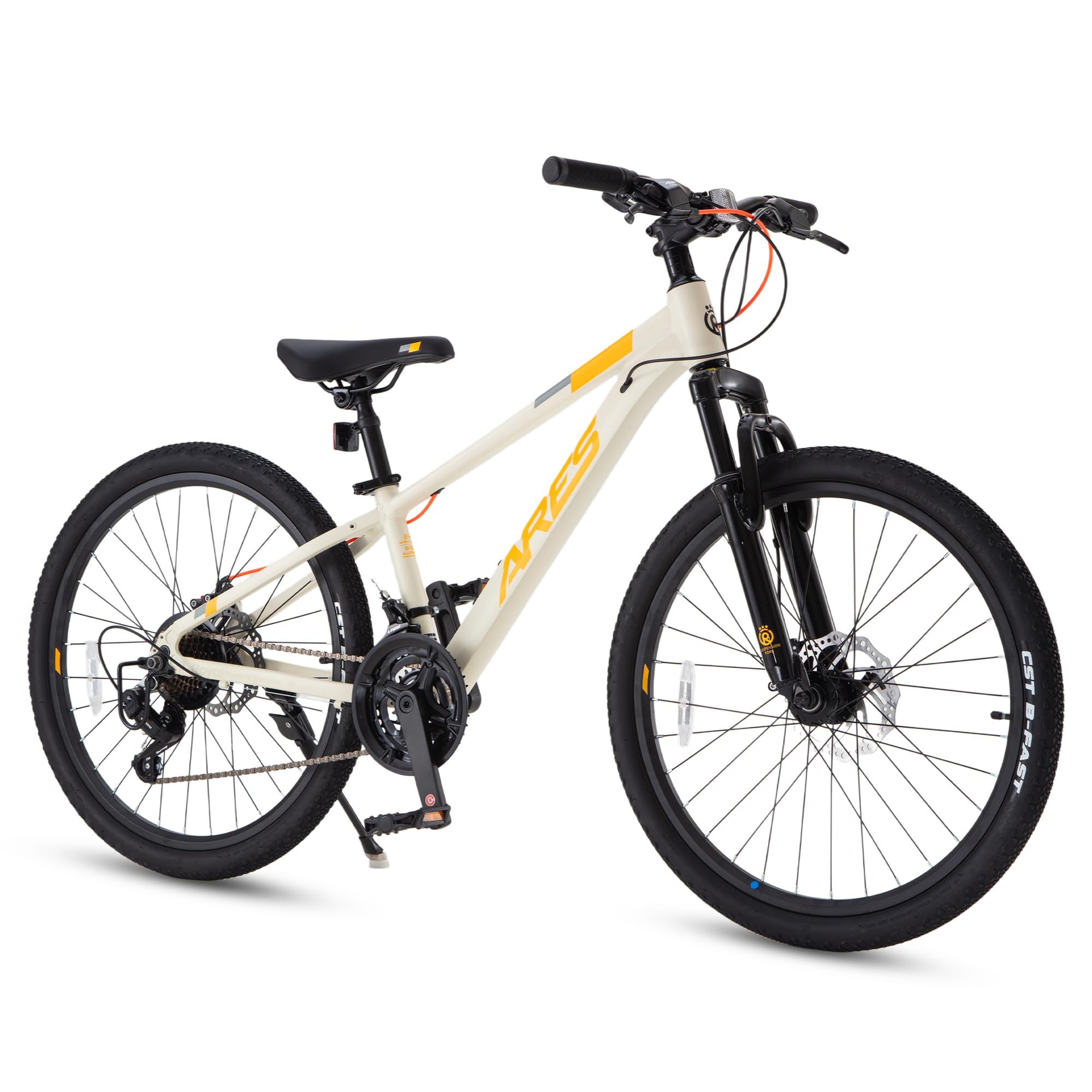
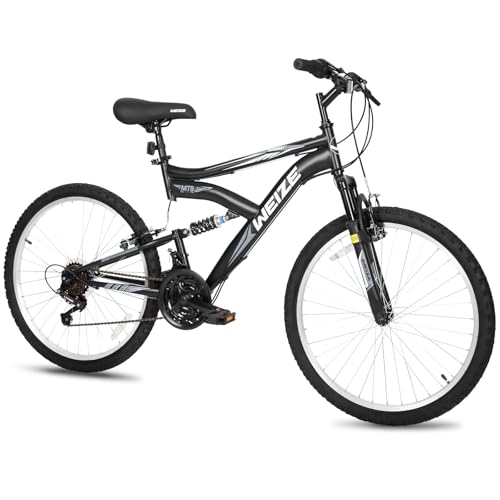


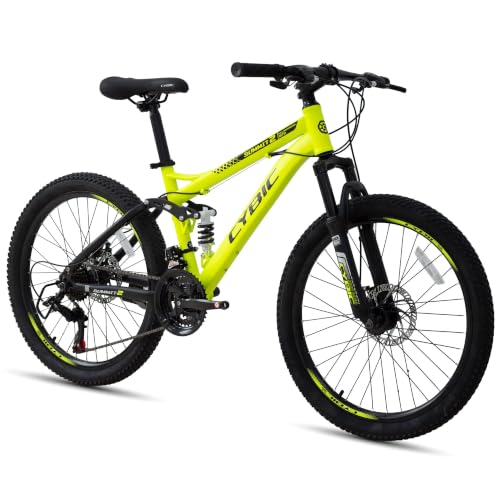
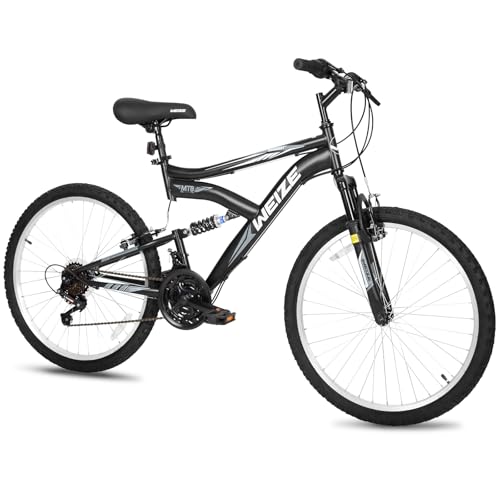
Three Buying Profiles at a Glance
Instead of chasing a single winner, match the bike to one of three profiles. Each profile below describes who it suits, what to prioritise, and what you give up. That trade off is normal at every price, and naming it early prevents disappointment later.
The Mid Range All Rounder Profile
This profile suits a rider who mixes school rides, park paths, and weekend trails. Prioritise an aluminum frame, disc brakes, and a drivetrain with a low gear for hills. Weight matters here, because a lighter bike is easier for a young rider to lift over roots and onto a car rack. The compromise is price: this profile usually sits near the top of the mid range for this wheel size, around $300 to $500, and may still use a basic coil fork.
The Budget Profile
The budget profile suits a rider who rides mostly smooth ground and may outgrow the bike within two seasons. A steel or aluminum frame, rim brakes or basic disc brakes, and a simple gear range keep the cost down, often around $150 to $300. You give up some stopping power in the rain and some climbing ease. For gentle local riding, that is a sensible trade, as long as fit is correct and the brakes are properly set up by a shop.
The Long Term Trail Profile
This profile suits a young rider who already loves trails and will keep the bike for several years. Look for hydraulic disc brakes, a fork with an air spring that can be set for a light rider, and wheels that accept wider tires. Expect to pay around $500 to $900 for this level in a 24 inch size. The benefit is control on rough descents and parts worth maintaining. The risk is spending heavily just before a growth spurt, so confirm stand over and reach with care.
How to Choose the Best 24 Wheel Mountain Bikes: Buying Guide
This is the core of the decision. Work through each feature in order, and note which level your short list offers. Small differences in brakes and gearing change daily riding far more than paint or brand names.
Bike Type and Riding Style
Most 24 inch mountain bikes are built for cross country and light trail riding, with upright positions and moderate tire tread. That suits dirt paths, fire roads, and flow trails well. Avoid downhill style bikes in this size, because their slack geometry and long travel feel clumsy at the speeds young riders reach. If most riding is on pavement to school, consider a hybrid style tire with a smoother center tread, which rolls faster and still grips on dry dirt.
Wheel Size and Tires
The 24 inch wheel turns quickly and keeps the whole bike low, which helps shorter riders put a foot down with confidence. Tire width between 1.9 and 2.3 inches covers most uses, with wider tires giving more grip and comfort on loose ground. Check whether the frame clears the tire width you want before ordering wider rubber. Tubeless wheels are uncommon at lower prices, so plan on tubes, carry a spare, and teach your rider how a flat repair works before longer rides.
If you later move to adult sizes, our guide to the best wheels for mountain bike riding explains how wheel choices change with rider weight and terrain. For this size specifically, compare options in our guide to the best 24 inch mountain bike range as well. Riders who later race cross country can also read our guide to the best xc mountain bike wheels to see how adult race wheels differ.
Weight and Components Upgrade Path
Weight is the upgrade most riders feel first. A bike under about 24 lb is far easier for a child to handle than one near 30 lb, yet spec sheets often hide weight, so ask the seller directly. Good upgrade paths include lighter tires, a better saddle, and grippier pedals, all of which bolt on easily. Poor upgrade paths start with odd sized parts that limit your choices, such as unusual seat post diameters. Ask about standard sizes before you buy.
Frame Material and Geometry
Aluminum is the most common frame material in better bikes of this size because it is light, resists rust, and keeps prices fair. Steel is heavier but tough and often cheaper, while carbon is rare and hard to justify for a bike that will be outgrown. Geometry matters quietly: a low top tube gives safe stand over clearance, and a moderate head angle near 68 to 70 degrees balances steering calm with quick turning. Long reach numbers suit confident riders, while shorter reach suits cautious ones.
Drivetrain and Gearing
A single ring drivetrain with 7 to 9 rear gears is the simplest and most reliable choice for this age group. It removes the front shifter that confuses many young riders and drops the chain less often. Look for a largest rear cog of 34 teeth or more, which gives a low gear for steep paths. Grip shifters suit small hands that cannot push stiff levers, while trigger shifters reward riders with stronger thumbs. Either works when a shop sets cable tension correctly.
Sizing and Fit
Most 24 inch bikes fit riders about 4 feet 5 inches to 5 feet 6 inches tall, depending on the frame, but inseam and arm length decide the real match. The rider should stand over the top tube with clear space, sit with a slight knee bend at the bottom of the pedal stroke, and reach the brake levers without straightening the fingers fully. If a rider sits between this size and a 26 inch adult bike, choose by control: the bike they can steer and stop calmly is the right one.
Types of 24 Wheel Mountain Bikes
Kids and Youth Bikes
True kids mountain bikes in this size use lighter frames, smaller grips, and brake levers placed for short fingers. They suit riders moving up from a 20 inch bike and riding mixed ground. Their limit is gear range and fork quality at low prices, so check both before buying for hilly areas.
Full Suspension Mountain Bikes
Full suspension in a 24 inch size is common on budget bikes, but the rear shock is often basic and cannot be tuned for a light rider. Better tuned shocks cost more. Full suspension helps on rocky trails and at bike parks, yet adds weight and service costs. For school rides and smooth trails, the extra suspension brings little benefit, and the money usually serves the rider better when spent on brakes and tires.
Small Frame Adult Bikes
Some 24 inch bikes are sold as adult or teen models for shorter riders around 4 feet 8 inches to 5 feet 6 inches tall. They have longer seat posts and larger frames than kids bikes, so a growing teen or a petite adult can use them for years. Check the stated rider height range and the weight limit before buying.
Setup and Care Tips
- Check tire pressure before every ride, since small tires lose their feel quickly when soft.
- Clean and lube the chain every 100 to 200 miles, and wipe off extra lube so grit does not stick.
- Have a professional tune up once a year to check brake pads, cables, and wheel trueness.
- Check that bolts on the stem, handlebar, and seat post are snug after the first few rides, following the manufacturer's instructions.
- Teach your rider to walk the bike across busy roads and to wear a properly fitted helmet on every ride, even short ones. Our guide to the best mountain bike helmet options can help.
One know how point saves many arguments: mark the correct saddle height with a small piece of tape on the seat post. After transport or a friend riding the bike, you can restore the fit in seconds. A second point is to store the bike with the gears in a middle cog, which keeps cable and spring tension relaxed over winter.
24 Wheel Mountain Bikes: Your Questions Answered
What size bike do I need?
Choose by inseam and stand over clearance first, then by height charts. A rider who can stand flat footed over the frame and reach the brakes without stretching is on the right size. One extra check many guides skip is handlebar height: if the bars sit far below the saddle, young riders tire quickly on longer rides. Most 24 inch frames keep bars near saddle height, which suits growing backs and shoulders.
Is a 24 inch mountain bike only for kids?
No. Many 24 inch models are made for teens and shorter adults, often fitting riders around 4 feet 8 inches to 5 feet 6 inches. Check the maker's height range and weight limit rather than relying on age labels.
How much should I spend on my first bike?
For a first 24 inch mountain bike, about $200 to $400 buys safe brakes, a frame that fits, and gears that work without weekly adjustment. The best 24 wheel mountain bike for your family is the one that fits the rider and the budget together, not the one with the longest parts list. Keep about $50 aside for a helmet, a lock for school racks, and a basic pump.
Hardtail or full suspension for beginners?
A hardtail is better for beginners in this size because it is lighter, cheaper to maintain, and easier to steer at low speed. It also makes good technique visible, since the rider learns to stand up and let their legs absorb bumps. Full suspension makes sense later for a rider committed to rocky trails, when the family budget can cover a shock that a shop can tune for a light rider.
Rim brakes or disc brakes?
Disc brakes give more consistent stopping in wet weather and need less hand force, which helps small hands. Rim brakes cost less and are simple to adjust, so they work for gentle riding on dry paths. Either needs correct setup, so have a shop check them before the first ride.
Wrapping Up
Judge every option by fit, braking, and weight, in that order. Match one of the three profiles to your rider, confirm the sizing in person where you can, and use the product table to compare the finalists. The right best 24 wheel mountain bike is the one your rider controls with confidence on the very first ride and still enjoys a year later.