Best 24 Inch Washing Machines in 2026: Compact Buying Guide
Disclosure: We may earn a commission when you buy through links on this page, at no extra cost to you. As an Amazon Associate I earn from qualifying purchases. Learn more

Compare the best 24 inch washing machine types by capacity, stacking, noise and hookups for apartments, closets and tight laundry spots.
A standard washer is often too wide for a closet, a small laundry room, or an apartment alcove, and forcing one in leaves no room for hoses or door swing. Choosing the best 24 inch washing machine means matching that narrow width to enough drum capacity, the right load type, and hookups your space can actually support. This guide compares the main types by capacity, wash performance, ease of use, and noise so you can narrow your shortlist with confidence.
Use the Types at a Glance section below to see how they differ, then read on for the measurements, features, and budget points that matter most. If your space can fit a wider model instead, our guide to the best washing machine covers the full size options worth comparing.






Types at a Glance
Nearly every washer sold at this width falls into one of three groups, and the group you pick shapes capacity, price, and installation more than any single feature does.
- Compact front load washers: the most common choice, usually about 2.0 to 2.4 cubic feet, often stackable, and gentle on clothes.
- Compact top load washers: a smaller group, easier to load while standing, with a drum that fills from above.
- Washer dryer combos: one drum that washes and dries, saving the floor space a second appliance would need.
Capacity is the trade you accept for the narrow cabinet. Most households handle the smaller drum by washing more often in smaller loads, which also sorts laundry into more focused groups.
Three Types Worth Comparing
Rather than naming individual models, this section compares the three types on the factors that decide daily satisfaction. Pick the type first, and model level choices inside that type become much simpler.
Compact Front Load Washers
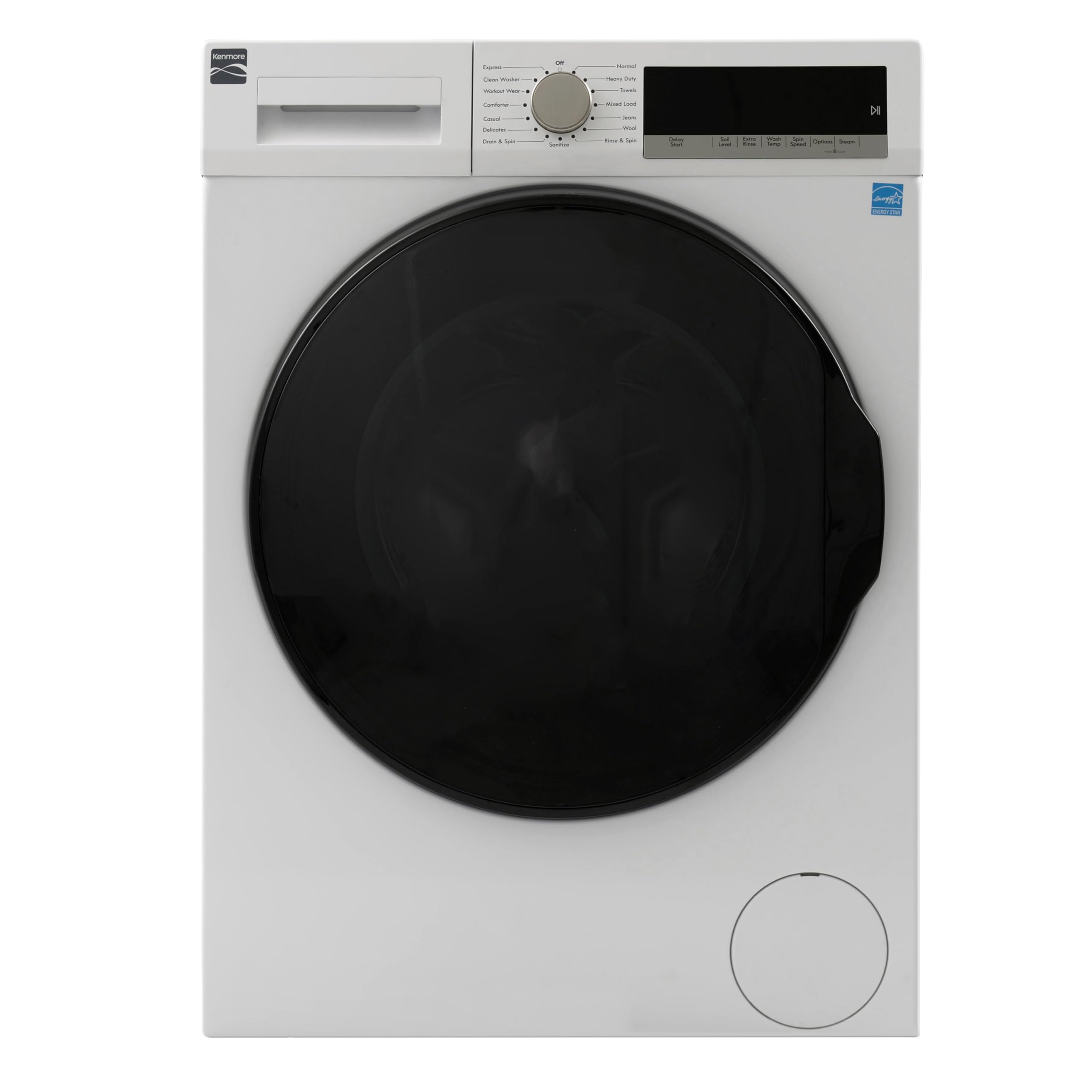
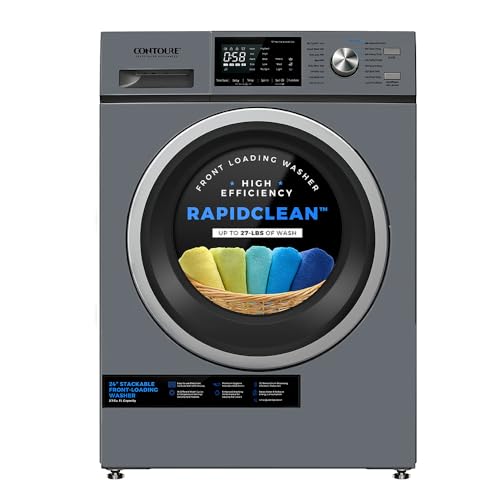
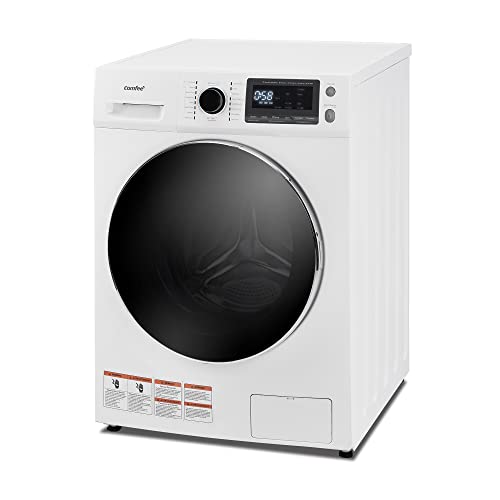
Front load designs dominate this width because the drum axis leaves room for a useful capacity inside a narrow cabinet, and the tumble action cleans with less water than most top load designs. Loads balance well at high spin speeds, so clothes come out drier and spend less time in the dryer. The flat top also lets you stack a matching dryer above the washer with a stacking kit. If this sounds like your setup, our guide to the best front load washing machine explains the format in more depth. The main downside is bending to load and unloading small items from the back of the drum.
Compact Top Load Washers
Top load models at this width suit people who find bending difficult or who like adding a forgotten item after a cycle starts, since many designs let you pause and lift the lid early in the wash. Capacity tends to run slightly smaller than front load rivals of the same width, and the drum is deeper relative to its opening. Most compact top load washers use a low profile wash plate rather than a center post, a difference explained in our guide to agitator vs impeller. Water use is usually higher, and stacking a dryer above is not an option, so plan floor space for both appliances.
Washer Dryer Combos
A single drum that washes and then dries removes the need for a second appliance, which is why combos appeal to apartment and condo owners with one set of hookups. Many use ventless drying, so they need no duct run to an outside wall. If that layout interests you, our guide to the best washing machine with dryer compares the format against separate pairs. Expect drying to take longer than a standalone dryer and plan on smaller loads for the dry cycle, since a drum packed for washing leaves too little room for hot air to move through the fabric.
How These Washers Were Compared
The comparison in this guide rests on capacity, wash performance, ease of use, cleaning access, noise, safety features, and warranty coverage. Those points come from manufacturer specification sheets and from patterns in verified buyer feedback, such as repeated comments about vibration on upper floors or doors that feel flimsy. Treat cycle counts and spin speeds as listed figures to confirm on the product page of any model you shortlist.
Two practical checks matter more than brochure numbers. First, read the installed dimensions, not just the cabinet width, because depth grows once hoses and vent clearance are added. Second, look at how owners describe the control panel after months of use.
How to Choose the Right Washing Machine
Size and Form Factor
The 24 inch figure describes cabinet width, but height and depth vary more than buyers expect, with depth often landing between about 24 and 27 inches before hoses. Measure the alcove, then measure every doorway, hallway turn, and stairwell corner on the delivery path, because a washer that fits the closet still has to reach it. Leave roughly one inch at each side for airflow and vibration, and check that the door can open fully without striking a wall, a bifold closet door, or the dryer beside it.
Type
Front load, top load, high efficiency, smart, stackable, portable, and all in one are the labels you will meet at this size, and they overlap rather than compete. A stackable front load pair fits a tall closet, a portable unit with wheels suits renters who connect to a sink, and an all in one suits a single hookup point. High efficiency simply means the washer uses less water and energy per load, which nearly all compact front load models do. Choose the label set that matches your hookups and your floor plan first.
Features Worth Paying For
Steam can loosen dried soil on work clothes, an auto dispenser removes guesswork for people who run many small loads, and WiFi alerts help when the washer sits in a basement or a shared laundry room. A pedestal raises a front load drum and adds storage, though it also adds height a closet may not spare. Skip paying extra for a long list of specialty cycles you will rarely select, such as separate settings for items you do not own. Spend first on spin speed, a delay start timer, and a clear display.
Wattage, Power, and Energy Use
Compact washers differ in electrical needs, and assuming your outlet matches is a common ordering error. Some compact models run on a standard household circuit, while matching compact dryers and some combos ask for a higher voltage line, so read the electrical requirements for every appliance in your plan, not just the washer. Energy use per load stays modest on high efficiency models, and cold water cycles cut use further because heating water is the largest energy draw in most wash routines.
Safety Features and Certifications
Look for a child lock on the control panel, a door lock that holds during high speed spin, and leak detection or flood safe hoses where the washer sits above finished rooms. Listings from UL or ETL show the appliance was evaluated against recognized safety standards, and an ENERGY STAR certification signals verified energy and water performance. In a condo or rental, also confirm your building rules on in unit laundry, since some buildings restrict washer size, require a drain pan, or ban installation above certain floors.
Counter Space and Dimensions
Compact laundry areas rarely offer a folding counter, so think about where sorted piles and a detergent bottle will live before the washer arrives. A front load pair placed side by side gives you a work surface on top, while a stacked pair frees floor space but removes that surface. Keep detergent and stain treatment within reach yet out of the vibration path, since bottles can walk off a shaking machine. Also confirm the water shutoff valves stay reachable after installation, because buried valves turn a small leak into a bigger problem.
How Much Should You Spend?
Basic portable and small top load units can cost about $300 to $600, while most compact front load washers fall around $800 to $1400. Washer dryer combos and feature rich compact models often run about $1200 to $1800. Under about $500, expect simple controls and no stacking option. Near about $1000, you gain better spin speeds, quieter cabinets, and stackable designs. Above that level, you are mostly paying for steam, smart controls, premium finishes, and longer parts coverage rather than larger capacity.
Is a 24 Inch Washing Machine the Right Size for You?
This size fits singles, couples, and small households who wash several modest loads each week, plus anyone fitting laundry into a closet, a bathroom corner, or a galley kitchen. It also suits second floor laundry spots where a lighter, narrower machine is easier to deliver and level. Apartment and condo owners gain the most, since the width was designed around tight alcoves in multi unit buildings.
It fits less well if your household produces large daily loads or washes bulky bedding every week. A drum of about 2.0 to 2.4 cubic feet handles sheets and towels in batches, yet a thick comforter may need a commercial machine at a laundromat. Families of five or more often find the extra cycles erase the space saving benefit, so weigh load frequency honestly. If two adults and small children are your household, this size usually copes as long as laundry stays a routine rather than a weekly event.
FAQ
What is the best 24 inch washing machine for a household that washes daily?
For daily washing, the strongest choice is usually a stackable front load model with a high spin speed and a quick wash cycle for small loads. Daily use also makes the motor warranty and parts availability worth checking before price, since a machine running seven loads a week wears faster than one running three. Tell your retailer the washer will see heavy use, because some extended plans treat very high load counts differently.
What size washing machine does a couple need?
A couple usually needs about 2.0 to 2.4 cubic feet, which covers a week of clothing split into a few loads plus towels. Judge by drum depth as well as the headline figure, because a deeper drum swallows a duvet cover more easily than a shallow drum with the same rating. If you wash a king size comforter at home, check its dry bulk against the listed capacity before ordering, or plan to use a laundromat for that one item.
How do you clean a 24 inch washing machine?
Run an empty hot cycle with a washer cleaner, then remove the dispenser drawer and rinse out the softener residue that builds in its channels. Small drums also hide a drain pump filter low on the front panel, and clearing lint and coins from it prevents musty smells. Our full guide on how to clean a washing machine walks through the full routine, including gasket care for front load models.
How long do 24 inch washing machines last?
Most compact washers last about 10 to 13 years, and our guide to how long do washing machines last explains what shortens or extends that range. One factor buyers overlook is load balance, since repeated spinning with a single heavy item strains bearings and suspension. Spreading heavy items across loads, or adding a second towel to balance a bath mat, reduces that strain and keeps the drum running true for longer.
How do you level a compact washing machine?
Place a level on the top panel, adjust the front feet by hand until the bubble centers in both directions, then tighten the lock nuts against the cabinet so the feet cannot wander. Run a spin cycle with a few towels and watch for rocking. If one corner lifts, lower that foot slightly rather than raising the others, and recheck after a week of use because floors and feet settle.
Final Thoughts
Start with your measurements, pick the type that matches your hookups and floor plan, and then compare spin speed, noise, and warranty inside that type. Do that, and the best 24 inch washing machine for your home becomes a straightforward pick rather than a gamble on width alone. Use the product table above to compare your shortlist once more, and confirm the installed depth and electrical needs on the product page before you order.