Best 24 Inch Full Suspension Mountain Bike Guide for Smaller Riders
Disclosure: We may earn a commission when you buy through links on this page, at no extra cost to you. As an Amazon Associate I earn from qualifying purchases. Learn more

Fit, suspension, brakes and care tips for choosing the best 24 inch full suspension mountain bike for younger or smaller riders.
Choosing a 24 inch full suspension mountain bike can feel confusing when every option promises a smoother ride. This guide helps younger or smaller riders find real trail suspension in a frame that fits. The search for the best 24 inch full suspension mountain bike usually starts with a simple need, such as more comfort, better control, or a better fit. Below you will find what matters and what to check before you buy.
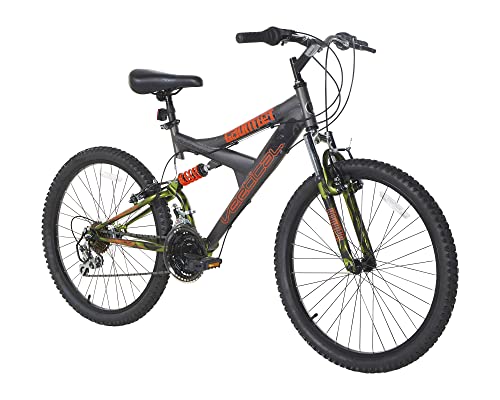
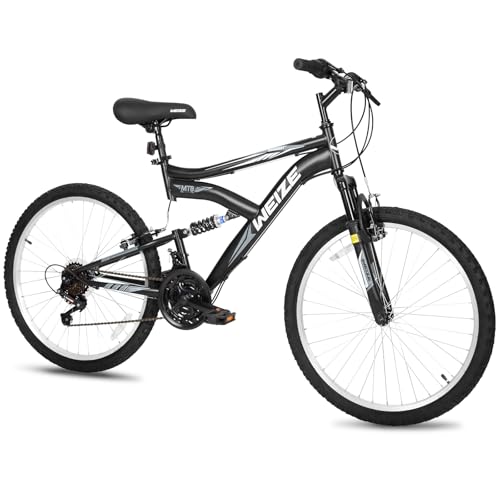
Instead of praising one design above all others, this guide focuses on the factors that shape real satisfaction over time. You will learn how fit, suspension, brakes, and durability work together, and how to match them to your rider, budget, and local trails. The product table shows the picks in one place so you can compare them at a glance.

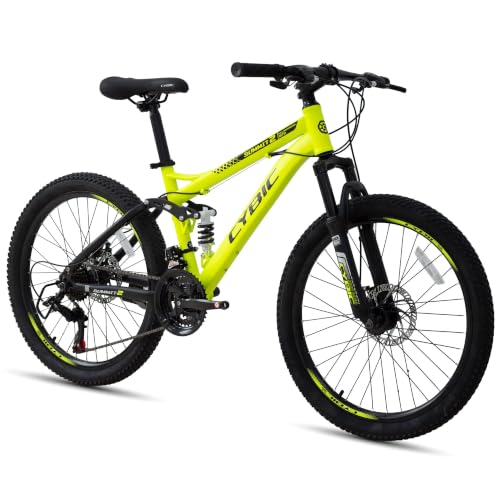
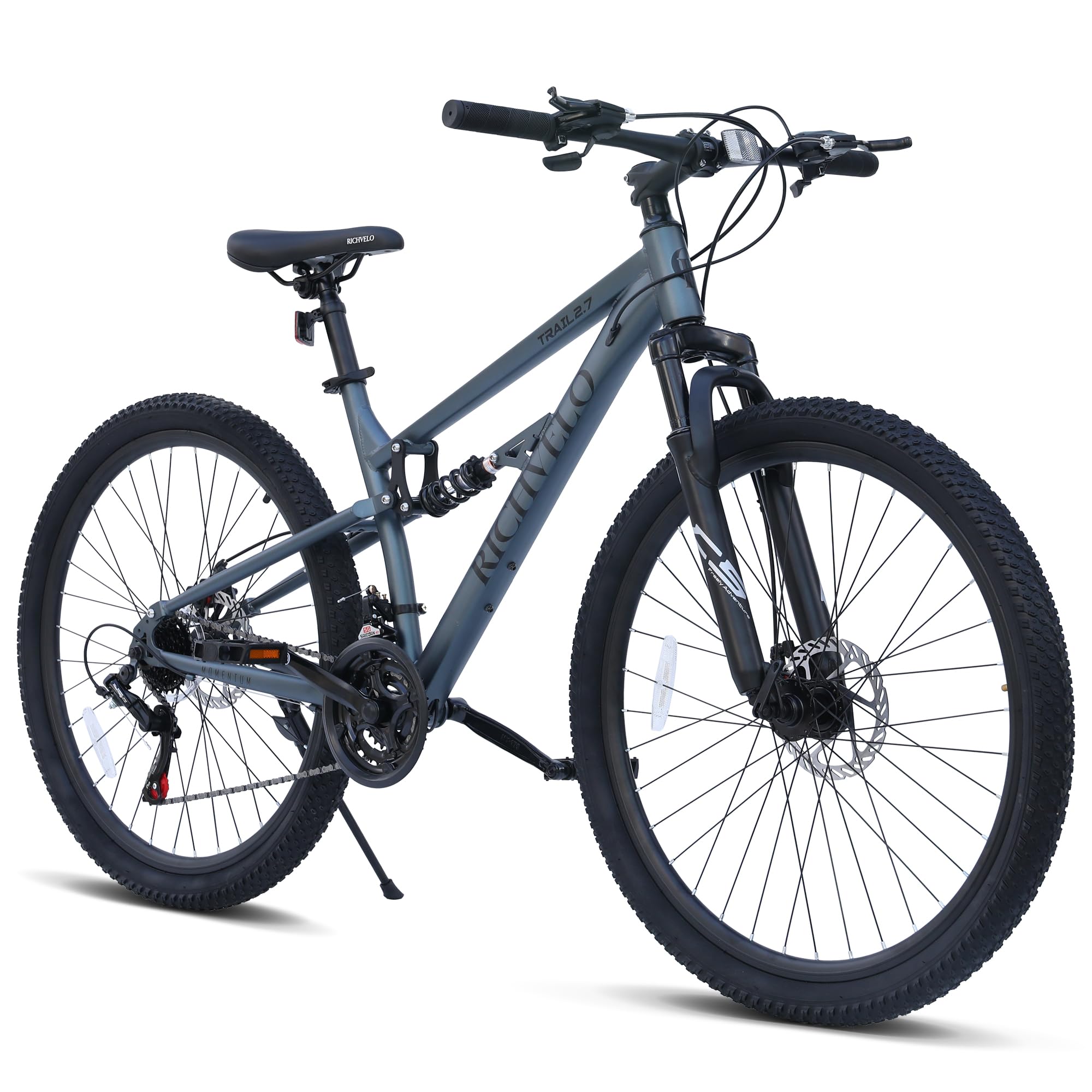
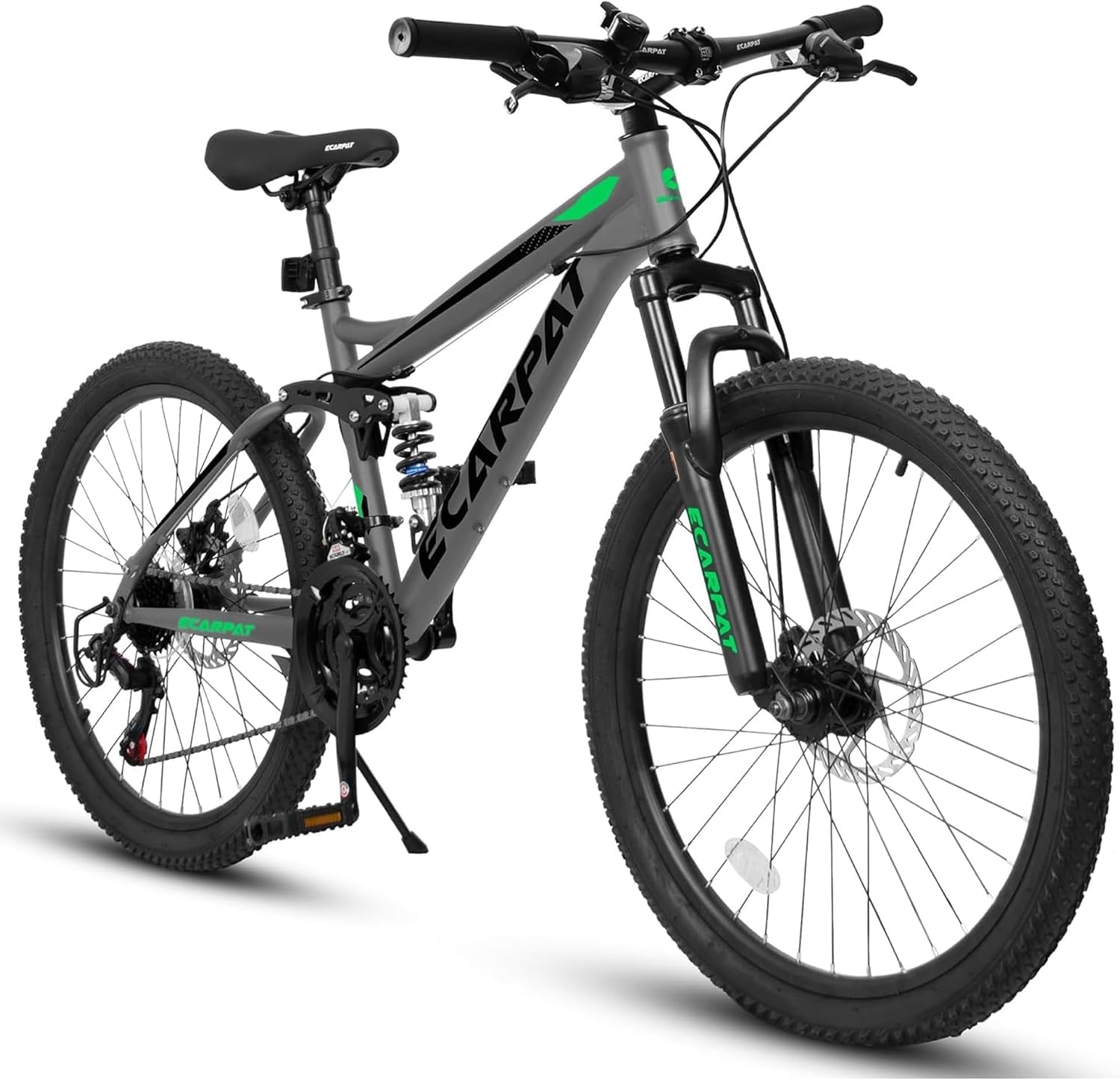


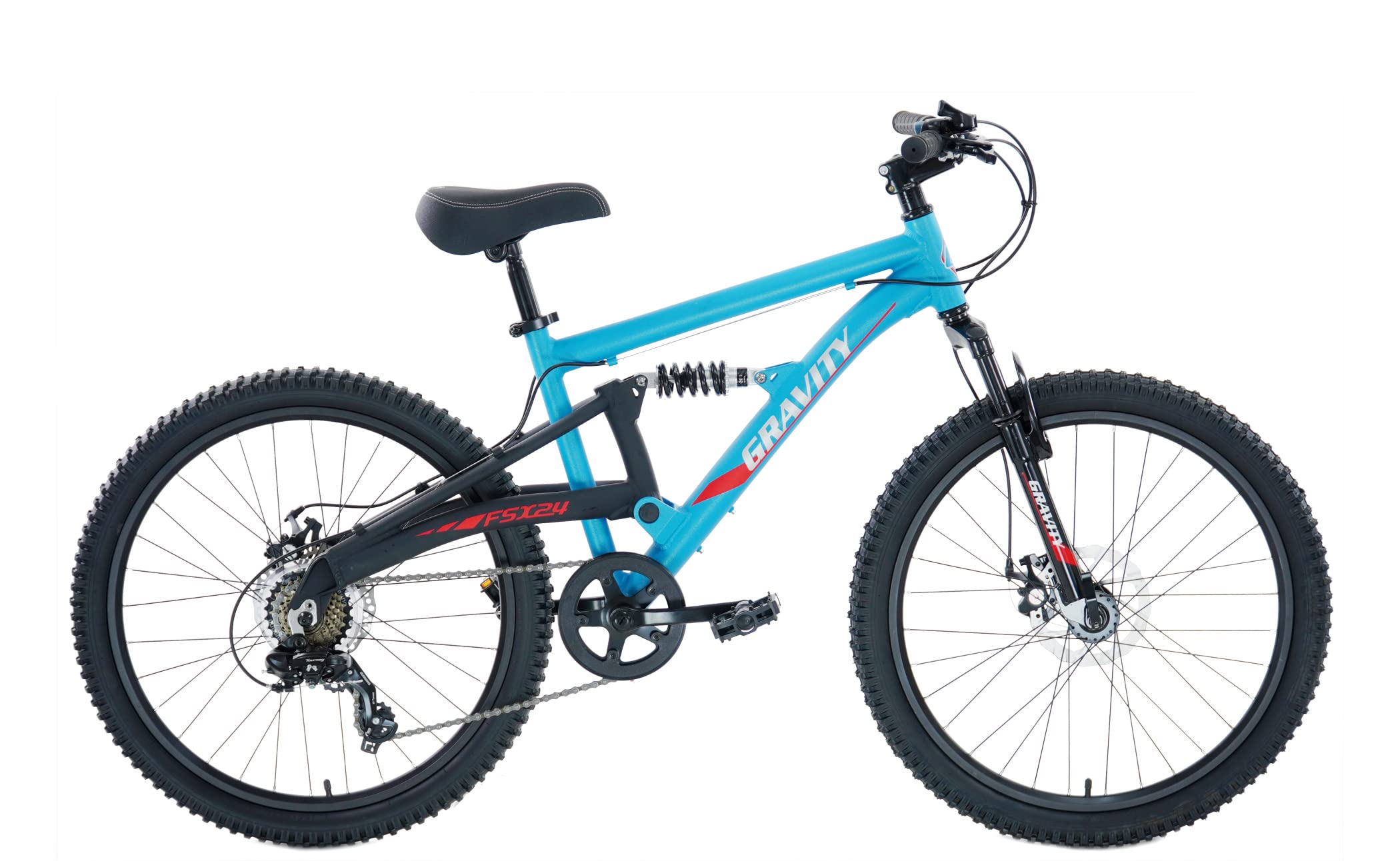
Who This Type Suits Best
A 24 inch full suspension mountain bike suits younger or smaller riders who want real trail suspension in a frame that fits. It also suits shorter adults, often around 4'8" to 5'6", who find a 26 inch bike too large. Think about how often the rider will use it, what trails are nearby, and whether a sibling may inherit it later.
List your top three needs before shopping, and let those needs guide every comparison. If a bike fails on a top need, such as fit or braking, its other strengths rarely make up for that gap.
Key Features to Compare
Focus on the features tied to your top needs first, then use the rest to separate close options. A bike that scores well on your priorities is a better buy than one with a longer feature list that misses them.
Fit Comes First
A 24 inch wheel bike suits many younger and smaller riders, but height and leg length matter more than age alone. Check standover height, reach, and saddle height range, and let the rider sit on the bike if possible. A bike that fits well builds confidence on trails, while a bike that is too large feels hard to control on descents.
Front and Rear Suspension
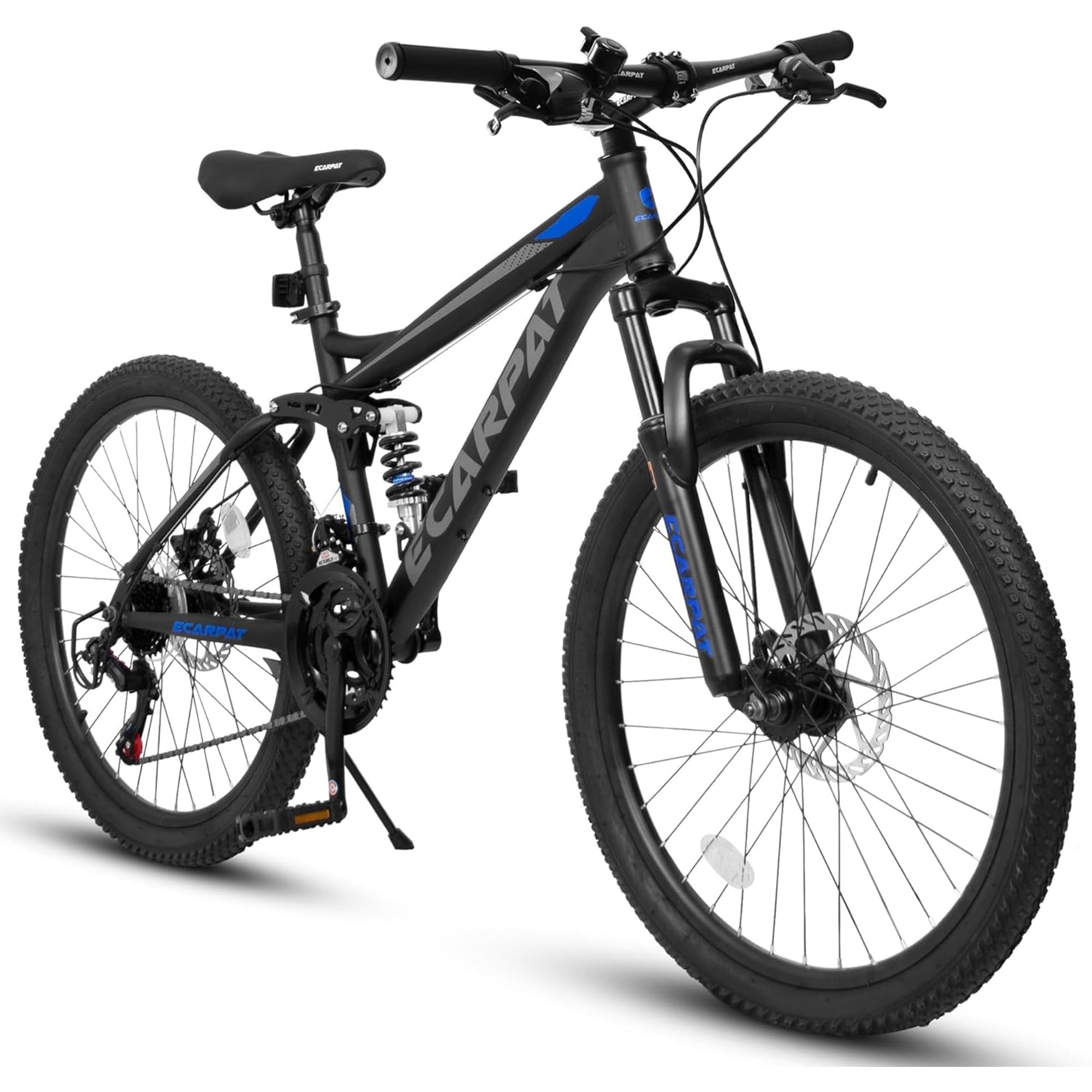
Full suspension means both wheels have suspension, which helps the rear wheel stay in contact with rough ground. Check the travel amount and whether the suspension can be adjusted for rider weight, since a light rider needs softer settings. Simple, reliable suspension that is easy to service often suits a first trail bike better than complex settings.
Brakes and Gears
Disc brakes give steady stopping in wet and muddy conditions, and hydraulic discs need less hand effort than mechanical discs. Gears should cover steep climbs without huge jumps between gears, and a simple shifter is easier for a younger rider to use. Check that brake levers reach small hands comfortably.
Weight and Durability
A lighter bike is easier to climb and to lift over obstacles, but very light parts can be fragile for rough trail use. Look for a strong frame, sturdy wheels, and tires with enough grip for local trails. A bike that survives regular trail riding and is easy to maintain will give more riding days than a fragile, ultra light model.
Main Types Explained
The main types of 24 inch full suspension mountain bike differ in frame material, suspension quality, and intended use, and those differences shape price and performance. Basic steel frame bikes suit casual riding on dirt paths, while aluminum frames with better components suit frequent trail use. Compare types by how they handle your roughest rides, not an ideal day.
Price often rises with component quality and durability, but the most expensive type is not always the best value. Check what each bike includes as standard, and what you would need to add separately, such as a helmet or pedals. A mid range bike with the right core features often gives the best balance of cost and long term satisfaction.
Getting Set Up Well
Good setup makes a real difference to how a 24 inch full suspension mountain bike rides, so follow the maker's instructions. Many bikes arrive partly assembled, so check that bolts, brakes, and wheels are secure before the first ride, or ask a bike shop to help. A careful first setup prevents many common frustrations.
Adjust saddle height so the rider can pedal comfortably and still reach the ground. Set the suspension to rider weight, and make small changes as the rider grows. A quick check of tires, brakes, and chain before each ride keeps performance steady.
Looking After Your Choice
Regular care keeps a 24 inch full suspension mountain bike working well, and it usually takes only a few minutes at a time. Clean it as the maker advises, store it dry, and address small issues before they grow. A bike that is looked after lasts longer and feels better to ride.
A common mistake is choosing on price alone, without checking fit or brake quality. Another is ignoring the return policy and warranty terms. Measure the rider, read the key specifications, and keep packaging until you are sure the choice is right.
If you want to compare nearby options, the related guides on best 26 inch full suspension mountain bike, best 24 inch mountain bike, best looking full suspension mountain bike, best inexpensive full suspension mountain bike, and best full suspension e mountain bike cover similar choices. You can also check a mountain bike helmet guide for protective gear.
Frequently Asked Questions
What age or height suits a 24 inch mountain bike?
A 24 inch mountain bike often suits riders who have outgrown a 20 inch bike but are not yet ready for a 26 inch frame. Height, leg length, and reach matter more than age, so measure the rider and compare with the maker size guide. A trial ride on flat ground and a gentle slope shows whether the fit feels controlled.
Is full suspension worth it on a smaller bike?
Full suspension helps on rough trails by keeping both wheels in contact with the ground, which improves grip and comfort. It adds weight and maintenance compared with a hardtail, so it suits riders who ride real trails often. For smooth paths and light use, a simpler bike may be a better value and easier to look after.
How do I set suspension for a light rider?
Start with the maker guidance for rider weight, then set sag so the suspension compresses a sensible amount when the rider sits on the bike. A light rider usually needs lower air pressure or a softer spring than an adult. Ask a bike shop to help with the first setup, and recheck settings as the rider grows.
What safety gear should a young trail rider wear?
A well fitting helmet is a must, and gloves, eye protection, and sturdy shoes add comfort. Check brakes and tire pressure before every ride, and carry water plus a basic repair kit on longer trails. Ride within skill level, walk sections that look risky, and follow the manufacturer's instructions.
How much maintenance does a full suspension bike need?
Full suspension bikes need regular cleaning, chain care, and suspension checks, plus periodic service of pivots and seals. Wash off mud after wet rides, keep the chain clean and lightly oiled, and listen for creaks or play in the frame. A yearly shop service catches wear early.
Final Thoughts
When you compare options for the best 24 inch full suspension mountain bike, return to your top three needs and to the product table, which shows the main differences. A bike that meets those needs, fits the rider, and stays within your budget will serve you well. Take time over measurements and key specifications.
If you remain unsure between two close options, choose the one that fits better, is easier to care for, and is easier to return. Practical ease often matters more than a small specification advantage.