Best 24 Inch Chainsaw in 2026: Buying Guide and Top Picks
Disclosure: We may earn a commission when you buy through links on this page, at no extra cost to you. As an Amazon Associate I earn from qualifying purchases. Learn more
What to look for in the best 24 inch chainsaw: the main types, key features, realistic price ranges and mistakes to avoid before you order.
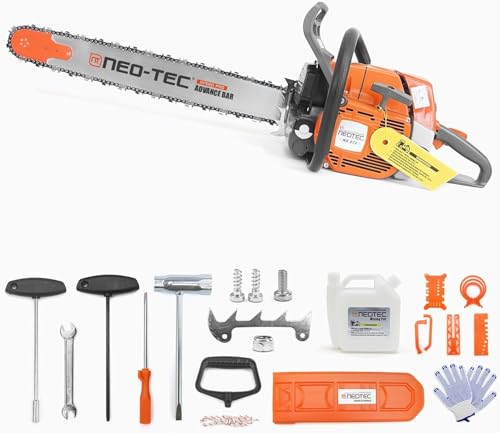
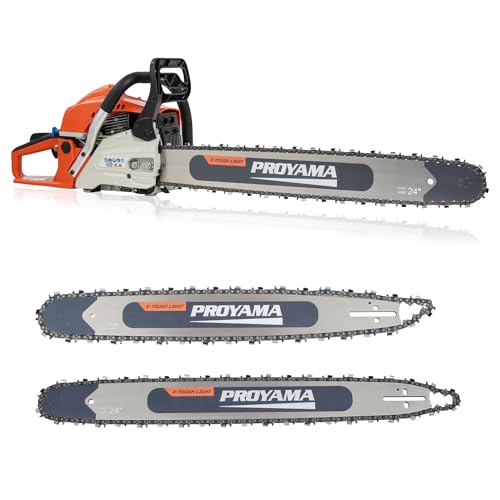
A 24 inch bar sounds simple, but saws in this size vary a lot in weight, power, chain size, and how tiring they feel after an hour of cutting. Choosing the best 24 inch chainsaw means matching that power to the logs you actually cut, not just buying the longest bar you can find. This guide compares power types and key features, and the product table below the intro lets you compare current models.




Power Types at a Glance
Most true 24 inch models use gas power, because cutting wide hardwood takes sustained torque. Battery models in this class are fewer and need large packs under load. Corded electric models rarely reach a full 24 inch bar, so shoppers who want electric power often choose a shorter bar.
24 Inch Chainsaw Types Compared
Gas Models for Large Logs and Long Work Sessions
Gas saws are the common choice at this bar length, with engines often in the range of about 50 to 70 cc. They refuel in minutes, hold power through deep cuts, and suit long firewood sessions far from an outlet. The trade offs are noise, exhaust, fuel mixing for many models, and more routine upkeep. Expect a ready to cut weight of about 15 to 20 pounds once bar, chain, fuel, and oil are added.
Battery Models for Quieter Cutting Near Home
Battery saws start instantly, run more quietly, and need no fuel mixing, which makes short sessions near the house easier. At 24 inches, though, the battery must supply high current for long cuts, so runtime drops fast in dense oak or frozen wood. If you lean this way, our guide to the best battery chainsaw explains pack size and charger choices. Buy into a platform you already own when you can, because extra large packs add real cost.
Corded Electric as a Shorter Bar Alternative
Corded saws offer steady power and low upkeep, but the cord limits range and can snag on brush and log piles. Very few corded models drive a 24 inch chain well, since the motor size needed is large for this format. Treat corded power as practical only if your logs are modest and close to the house, and you are willing to step down in bar length to get it.
Who Should Buy a 24 Inch Chainsaw?
Owners Cutting Large Firewood Logs Each Season
If you heat with wood and regularly buck logs of about 18 to 20 inches across, a 24 inch bar lets you cut from one side with less repositioning. You gain speed on straight cuts and spend less time rolling logs to reach the far side. You also need room to store split wood and a safe place for the saw between sessions.
Landowners Clearing Fallen Trees After Storms
After a storm, trunks land at awkward angles and vary in width from branch to base. A longer bar helps you work through the main stem without swapping saws midway. It does not make tangled or leaning trees safe, though. Fallen trees under tension can roll or spring back, and damaged trees near lines or roofs call for a trained tree worker.
Experienced Users Felling Trees in Open Space
Confident users who fell trees well away from buildings, fences, and power lines can use the extra bar length for notch and back cuts on wider trunks. Experience matters, because a larger saw is heavier to hold at the start of a cut and less forgiving if the bar tip contacts wood or ground. New users are usually better served by a smaller saw.
How to Choose the Right Chainsaw
Size and Form Factor
Bar length is only part of fit. Check overall length for transport and storage, since a 24 inch saw will not fit in small bins or short truck beds without care. Rear handle models are the norm at this size and give you two handed control for ground cutting. Balance matters too. A nose heavy saw tires your arms and dulls your control late in a session, so judge how it feels in your cutting stance if you can.
Power and Duty Cycle
Look at how the saw holds speed when the chain is buried in wood. Engine displacement and recommended battery capacity both hint at this. A saw that bogs down forces you to push, and pushing raises heat, chain wear, and stall risk. For weekly hardwood cutting, choose the stronger end of the class.
Features Worth Paying For
Useful additions at this size include a chain brake that stops the chain quickly, a decompression valve on gas models that eases starting, and an adjustable oiler so you can match oil flow to bar length and wood type. Simple side access chain tensioning speeds up adjustments in the field. Spring help against vibration also matters more on a big saw, because longer sessions send more buzz to your hands and forearms.
Weather Resistant Materials
Look for a sturdy housing, sealed switches on electric models, and air filtration that keeps fine dust out of the engine. Saws stored in damp sheds suffer when fasteners rust and bars sit wet for weeks. A bar cover, a dry shelf, and a wipe down after wet cutting do more for long life than any coating claim.
Size for Your Space
Measure where the saw will live and where you will cut. You need a flat and stable area for fueling or battery swaps, room to lay out logs, and a clear escape path when felling. Tight yards may leave no safe working room for a saw this large, even if the logs fit the bar. Readers in that spot may find our overview of the best chainsaw for homeowners more realistic for smaller lots.
Assembly and Setup
Most saws ship with the bar and chain separate. Seat the chain in the bar groove, align the drive links with the sprocket, and set tension so the chain lifts slightly yet still pulls around the bar by hand with gloves on. Add bar oil before the first start, and recheck tension after the first few cuts, since a new chain stretches early.
How Much Should You Spend?
For this size, expect about $300 to $600 for larger homeowner gas models and about $500 to $900 for models built for frequent or professional leaning use. Battery kits with the large packs this bar needs often land at about $400 to $800. Spending more should buy stronger parts, better filtration, and longer warranty cover, not just a longer bar. Our chainsaw buying guide walks through value at each level if you are still weighing size against budget.
Is a 24 Inch Chainsaw the Right Size for You?
Choose this size if most of your cutting is logs near 18 to 20 inches across, fallen trunks, or firewood work that would leave a 16 or 18 inch bar short. A shorter bar is lighter, cheaper to maintain, and easier to control for pruning, limbing, and small logs. Many owners keep a small saw for branches and reach for the big saw only for the main stem. If you cut only a few times a year, compare that pattern with the range in our guide to the best chainsaw options for general home use.
Safety should decide the question as much as log size. Wear a helmet with eye and hearing protection, cut resistant chaps, gloves, and sturdy boots. Never cut above shoulder height, keep the bar tip away from wood you are not cutting, and let a professional handle trees near power lines, roofs, or roads. Seek urgent medical care for any deep cut, heavy bleeding that will not stop, or loss of movement in a hand or arm.
Common Mistakes to Avoid
- Buying for the widest log you might ever see, then fighting the weight on every small job.
- Running a dull chain and pushing harder, which overheats the bar and raises kickback risk.
- Skipping bar oil checks, so the chain runs dry and stretches or seizes during a cut.
- Cutting with the bar tip without planning for kickback, the sudden upward jump of the bar.
- Working alone on storm damaged trees under tension, where a trunk can roll without warning.
- Storing the saw with old fuel inside, which gums the carburetor and makes starting hard.
How to Make Your Chainsaw Last Longer
Sharpen the chain when it starts making dust instead of chips, and keep cutter angles even so the saw tracks straight. Flip the bar each time you sharpen to spread wear, and clean debris from the bar groove. Check the oiler by holding the running saw near light colored wood and looking for a fine line of oil. Replace a worn sprocket when you fit a new chain.
Drain or stabilize fuel before long storage, and store the saw dry with the bar cover on. Battery owners should store packs indoors at a partial charge. Keep a spare sharp chain on hand. For parts and service access, the comparison in stihl vs husqvarna chainsaw shows why local dealer help can matter as much as the saw itself.
FAQ
What is the best 24 inch chainsaw?
The right answer depends on your wood, session length, and power preference rather than a single model name. Gas suits long and remote cutting, while battery suits short and quiet work near home. Judge candidates by power for the bar, chain brake function, oiler control, weight in hand, and warranty support near you. Local noise rules can also tip the choice, so check those before you buy.
What size chainsaw do I need for my logs?
Measure your typical log diameter with a tape before shopping, not just the largest log you remember. Choose a bar that covers your usual diameter in one pass with a little length to spare. If most logs are 12 to 14 inches, a 24 inch bar adds weight without adding speed. Renting a large saw for one oversize trunk can cost less than owning and storing one all year.
How long does a 24 inch chainsaw last?
The power unit can serve for many years with clean fuel or sound batteries and fresh filters, while bars, chains, and sprockets are wear parts you will replace along the way. A bent bar, a cracked housing, or repeated starting trouble after proper service often signals that replacement makes more sense than another repair.
Is a 24 inch chainsaw worth it for home use?
It is worth it only if large logs are a regular part of your property work. For a single fallen tree, rental or a hired service usually costs less once you add protective gear, oil, fuel, and sharpening supplies. Ownership pays off when storm cleanup, firewood supply, or trail clearing brings the saw out many times each year and you have dry and secure storage for it.
How do you clean a 24 inch chainsaw?
With the saw off and cool, brush sawdust from the cooling fins, clutch cover, and air filter area, then wipe the bar and check the groove for packed debris. A clogged filter makes a gas saw run weak and hot, so tap or wash it only as the manual allows. Our step by step guide on how to clean a chainsaw covers safe cleaning in full. Never use water on hot parts or battery contacts.
What makes a 24 inch chainsaw reliable?
Reliability comes from sound design, correct fuel or battery care, and parts you can actually get when something wears out. Look for a maker with local dealers, stocked filters and sprockets, and clear manuals. A saw that sits for months because a small part is unavailable is not reliable in practice. Ask a local repair shop which models they service most willingly.
Final Thoughts
A 24 inch saw is a specialist tool that rewards owners who cut large wood often and respect its weight and power. Match the power type to your land and session length, insist on a working chain brake and steady oiling, and size the purchase to your usual logs rather than your largest one. When those pieces line up, the best 24 inch chainsaw for you will cut cleanly for seasons to come. Revisit the product table above before you order to confirm bar, chain, and included gear.