Best 21 Inch Lawn Mowers in 2026: Gas, Battery and Push Guide
Disclosure: We may earn a commission when you buy through links on this page, at no extra cost to you. As an Amazon Associate I earn from qualifying purchases. Learn more

Compare the best 21 inch lawn mower types by power source, drive, bag capacity and deck material for lawns up to half an acre.
A 21 inch deck suits most home lawns. It is wide enough to finish a typical yard without endless passes, yet still light and narrow enough to steer around beds, trees, and fence lines. The hard part is that mowers in this size come in gas and battery versions, push and driven versions, and decks built from very different materials. Choosing the best 21 inch lawn mower for your yard means matching those choices to your grass, your terrain, and your storage space.
This guide compares the main types side by side, then walks through the features that actually change how a mower cuts and how long it lasts. Start with the three types below to see how they differ.


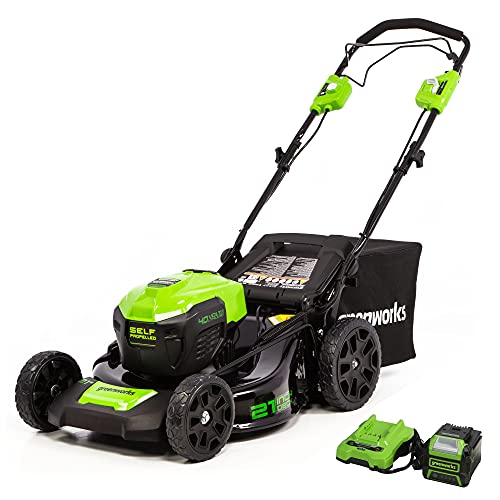
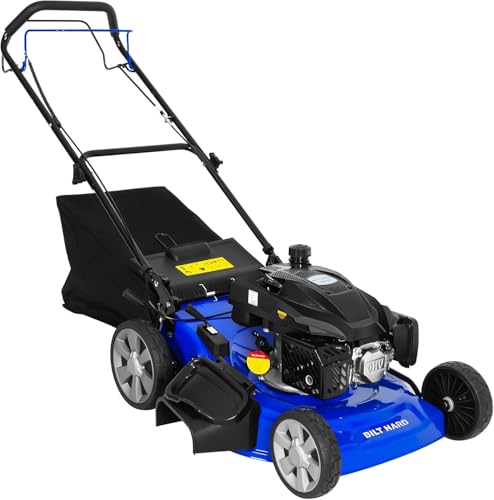

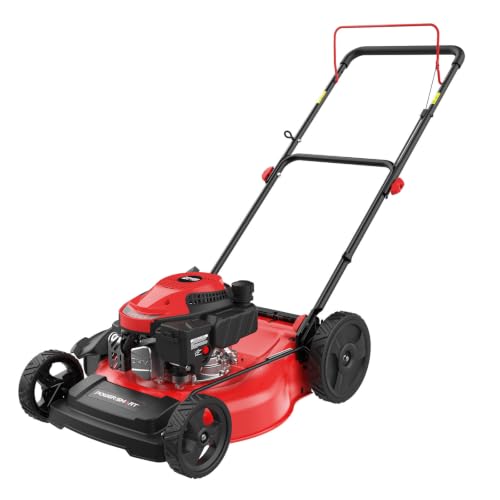


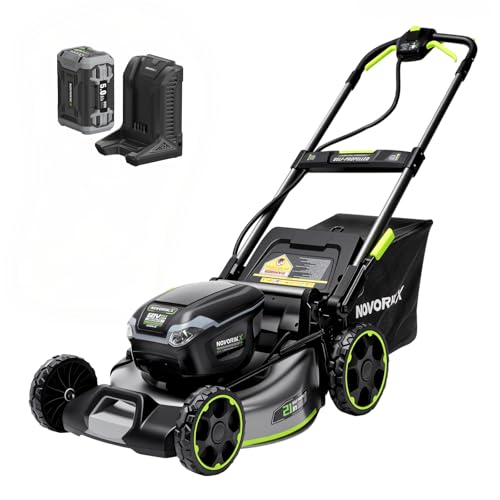
The Main Types of 21 Inch Mowers Compared
Instead of chasing a single winner, it helps to sort 21 inch mowers into three types. Each type suits a different yard and budget, and the tradeoffs between them matter more than small spec differences.
Versatile Gas and Battery Models for Most Yards
The most flexible type pairs the 21 inch deck with a discharge setup that mulches, bags, and discharges clippings from the side. That flexibility matters because grass changes across the season. You can mulch during steady growth, then switch to the bag during spring surges or fall leaf cleanup. Gas versions run as long as the tank holds fuel, while battery versions start instantly and skip oil changes. This is the type most owners of quarter acre to half acre lawns should start with.
Simple Push Models for Tight Budgets
A basic push mower in this size drops the drive system, and that one change cuts cost, weight, and the number of parts that can wear out. On a flat lawn up to about a quarter acre, you supply the forward motion and the mower stays easy to lift, turn, and hang on a garage wall. Cutting performance can match pricier types because the deck and blade do the real work. If your yard is small and level, our guide to the best push lawn mower covers this category in more depth.
Driven Models for Slopes and Larger Lawns
When the wheels drive the mower forward, long sessions and gentle slopes stop feeling like a workout. Rear wheel drive gives the best grip when a loaded bag adds weight over the back axle, while front wheel drive lets you tip the nose up and pivot around obstacles. Variable speed control is worth having because a fixed pace rarely matches your natural stride. This type costs more and weighs more, yet it earns both on hilly or half acre properties.
How to Compare 21 Inch Lawn Mowers
A fair comparison in this category rests on five factors. Deck material and weather resistance decide how the mower ages outdoors. Cutting width and bag capacity decide how often you stop during a session. Assembly decides how much work stands between the box and your first mow. Durability covers the parts that flex, spin, and take impacts every week. Warranty length and parts availability decide what happens when something wears out later. The sections below turn each factor into a concrete check.
How to Choose the Right Lawn Mower
Size and Form Factor
The 21 inch figure is the cutting width, and it sets how many passes a lawn needs. Smaller decks around 16 to 20 inches suit tiny urban yards but add passes everywhere else. Stepping up to 22 inches saves little time and often adds weight, while 30 inch wide area models and riding sizes from 42 inches up serve acreage rather than fenced yards. A walk behind mower this size still fits through a standard garden gate and turns in tight corners.
Power Type
Gas engines deliver steady power in thick or damp grass and refuel in a minute, but they ask for oil, air filter, and spark plug care. Cordless battery models run quietly, start instantly, and store without fuel smells, though runtime depends on battery size and grass density. Corded electric models never run out of charge yet tether you to an outlet and a cord path. Our electric vs gas lawn mower comparison weighs running costs and upkeep for the two main choices.
Features Worth Paying For
A bagger earns its cost if you deal with leaves, weeds going to seed, or a tidy finish near patios. Electric start removes the pull cord struggle on gas models, though it adds a small battery that needs charging. A mulching kit with a dedicated plug and blade returns finely cut clippings to the lawn as free feeding. On battery models, a brushless motor runs more efficiently and usually lasts longer than a brushed design. A second included battery often beats other upgrades, because it doubles runtime on the spot.
Deck Materials and Weather Resistance
Steel decks are strong, common, and repairable, but chipped paint lets rust start wherever stones strike. Aluminum decks resist rust and weigh less, at a higher price. Molded composite decks cannot rust at all and shrug off damp storage, though a hard impact can crack rather than dent them. Whatever the material, look for a washout port or a smooth underside you can rinse, because caked clippings hold moisture against the deck. Covered storage matters more than any coating, so plan a dry spot before the mower arrives.
Size for Your Space
Match the mower to the lawn you actually cut, not the lot size on your deed, since patios, beds, and the house itself subtract area. Under a quarter acre of grass, any 21 inch type feels quick. Between a quarter and a half acre, bag capacity and drive help decide how tiring the job feels. Beyond half an acre of open grass, count on long sessions and weigh fewer stops against easy turning.
Assembly and Setup
Most mowers in this class arrive nearly built. Typical setup means unfolding and locking the handle, fitting the bag frame, adding oil to a gas engine that ships dry, and charging a battery model before its first run. Budget about 20 to 30 minutes and check three things before starting: the blade bolt is tight, the cutting height sits even on both sides, and the discharge chute or mulch plug is fully seated. A mower that wobbles or scalps on its first pass usually traces back to one of those checks.
Care and Storage Through the Season
Routine care for this product is short and specific. Scrape or rinse the deck underside after mowing wet grass, keep the blade sharp so cuts stay clean, and clear the air filter on gas models when it looks loaded with dust. For storage, fold the handle only as far as the cables allow without pinching, and park on a flat surface under cover. Our step by step guide on how to sharpen lawn mower blades covers the task that most affects cut quality.
How Much Should You Spend?
Basic push models in this size run about $200 to $350 and cover small, flat lawns well. The middle band, about $350 to $550, buys stronger motors, larger bags, and height adjustment with a single lever. Driven models and large battery kits sit around $550 to $800, with the extra money going to drive hardware, battery capacity, and deck materials rather than cut width. Spending past that point makes sense mainly for very thick grass.
Is a 21 Inch Lawn Mower the Right Size for You?
For most single family yards, yes. The best 21 inch lawn mower for your home balances pass count against maneuverability better than the sizes around it. A smaller deck saves weight but can add a third more passes on a half acre lawn, which turns a 45 minute job into an hour. A much wider deck or a riding machine cuts faster on open ground, yet both struggle with gates, narrow side yards, and storage in a crowded garage.
Think about your obstacles as honestly as your acreage. A lawn broken up by trees, playsets, and curved beds rewards a mower you can pivot without planning each turn. If you are torn between pushing and letting the mower pull itself along, our self propelled vs push mower comparison walks through effort, cost, and repairs for both layouts.
Common Mistakes to Avoid
- Buying for lot size instead of lawn size: a half acre lot with a large house and patio may hold only a quarter acre of grass, so a heavy driven model can be wasted money.
- Ignoring gate width: the deck housing is wider than the 21 inch cut, so a narrow gate can strand a mower in the wrong yard section.
- Running a dull blade all season: torn grass tips turn brown and invite disease, and the fix costs minutes rather than money.
- Storing a gas mower with untreated fuel: stale fuel is the leading cause of hard starting each spring.
- Setting one height for every season: scalping in summer heat stresses roots, so raise the deck during hot, dry spells.
- Skipping the oil fill on a new gas engine: engines ship dry, and even a short first run without oil can ruin one.
FAQ
What is the best 21 inch lawn mower?
The best pick depends on your yard, but one check separates strong models from the rest before you pay: parts support. Blades, bags, filters, and drive cables are wear items, so favor a mower whose maker stocks those parts widely and prints the part numbers in the manual. A well supported mid priced model will outlast and outcut a flashier mower that you cannot source a replacement blade for in two seasons.
What size lawn mower do I need?
Start with the narrowest opening the mower must pass through, not just the lawn area. Measure your gate and shed door, then add about 2 inches to the cutting width, because the deck housing and discharge chute extend past the blade path. Many buyers who choose a wider deck for speed discover it cannot reach a side yard at all. If every opening clears about 24 inches, a 21 inch model fits comfortably with room to angle through.
How do I start a lawn mower that has sat unused?
Begin with fresh fuel or a fully charged battery, then check that the blade control bar is held firmly, because the engine stops the moment it is released. If a gas engine cranks without catching after several pulls, it may be flooded, so wait about 10 minutes before trying again rather than pulling until your arm gives out. Our full walkthrough on how to start a lawn mower covers prime bulb counts, choke positions, and safety checks in order.
How do I know when lawn mower blades need sharpening?
Look at the grass, not the calendar. A sharp blade leaves a clean, even tip on each blade of grass, while a dull one tears the tip into a frayed edge that browns within a day or two. You may also notice the mower working harder and leaving stragglers in thick patches. When you do sharpen, check balance by hanging the blade on a nail through its center hole, because a blade that dips to one side vibrates and wears the shaft bearings.
How should I winterize a lawn mower?
For a gas mower, run the tank dry or add fuel stabilizer and run the engine a few minutes so treated fuel reaches the carburetor, since untreated fuel is what gums it up over winter. Change the oil while the engine is warm, and remove the spark plug wire before any work under the deck. Battery models need a different habit: bring the battery indoors and store it partly charged rather than full or empty, because months at either extreme shorten its working life.
Final Thoughts
A 21 inch deck earns its popularity honestly: it covers real ground in each pass, threads through gates and garden edges, and stores in the corner of a normal garage. Pick the power type that fits your tolerance for upkeep, add drive only if your slopes or lawn size demand it, and put deck material and parts support ahead of small spec differences. Look back at the product table above, match a type to your yard, and the best 21 inch lawn mower for your home becomes a clear choice. If quiet running matters most, see our guide to the best electric lawn mower.