Best 20x Binoculars for 2026: How to Pick the Right One for Your Use
Disclosure: We may earn a commission when you buy through links on this page, at no extra cost to you. As an Amazon Associate I earn from qualifying purchases. Learn more
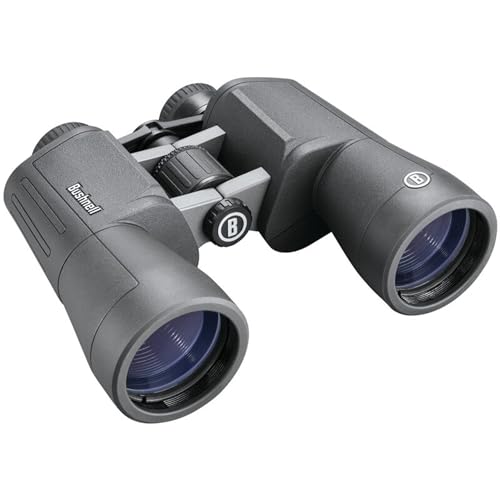
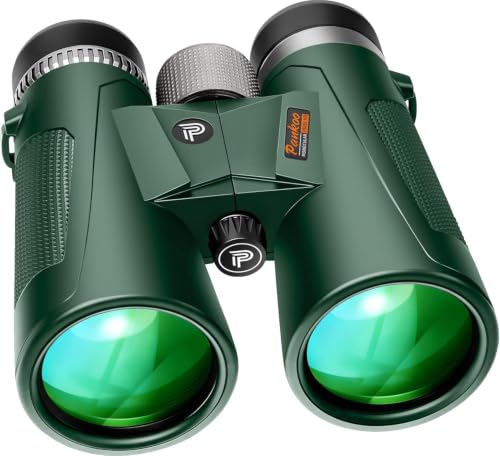
Best 20x binoculars differ by lens size, exit pupil, shake control and weight. Choose for astronomy, coast watching or range use.
Twenty power magnification brings distant detail close, but it also magnifies every tremor in your hands and narrows what you can see at once. That trade shapes everything about choosing the best 20x binoculars for your outings. A pair that delights a sky watcher on a tripod can frustrate a hiker who wants quick views on foot. Use the product table to match lens size and weight to your own habits.
No single pair wins for every need, because 20x is a specialty power rather than an all purpose one. This guide sorts buyers by use first, then explains the few specs that truly change the view at this magnification.



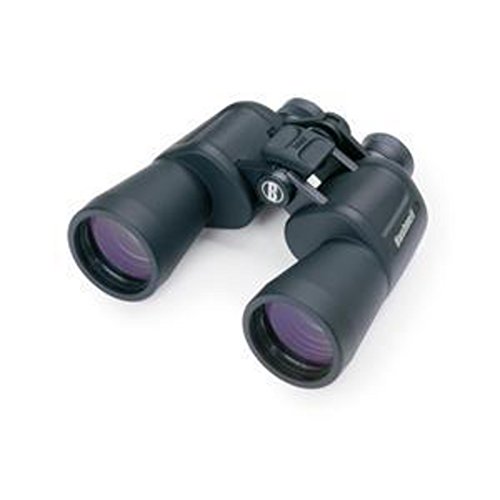


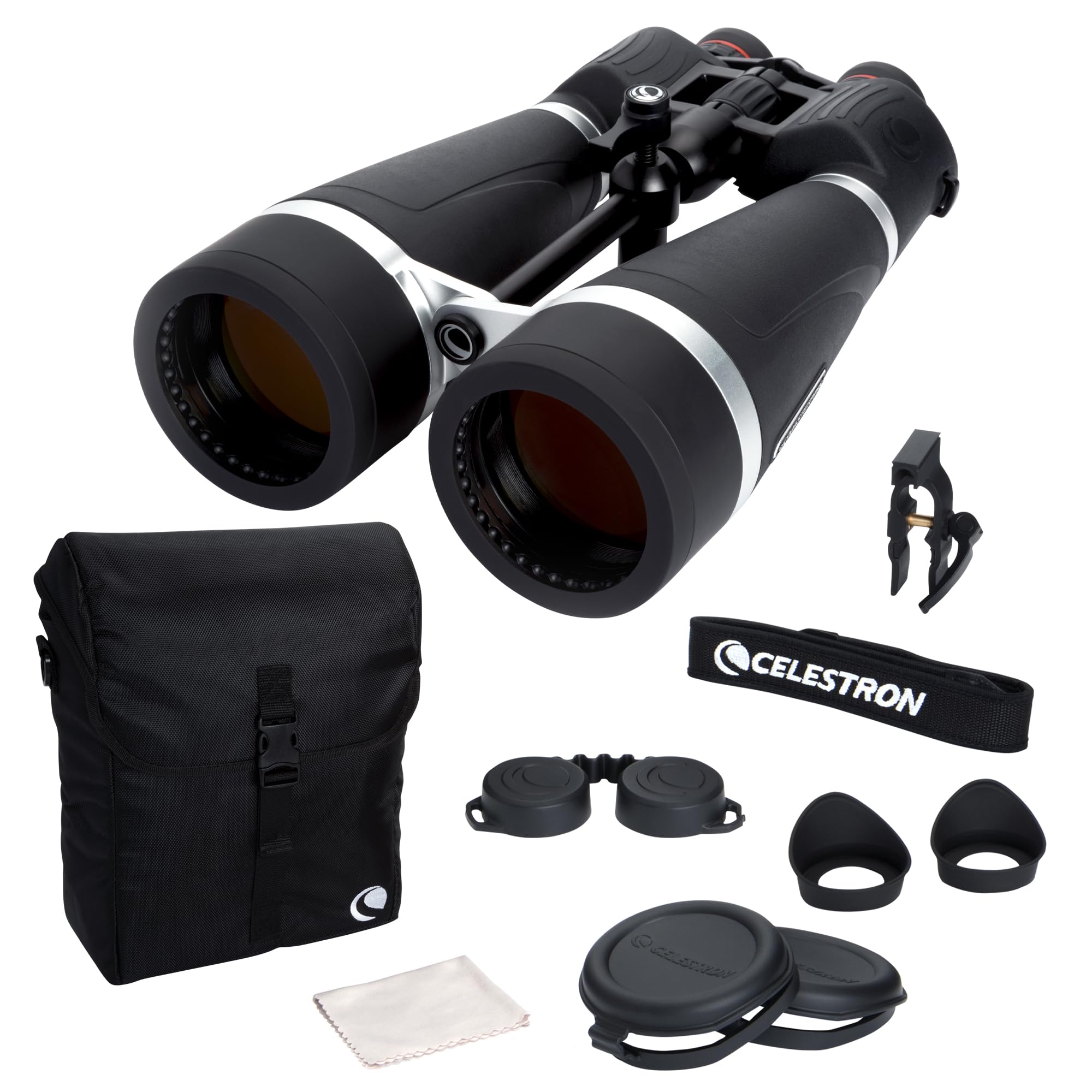


Who Should Buy Which 20x Binoculars?
Start with where your feet will be while you watch. At 20x, the best sessions happen when you can stay still, brace your arms or mount the binocular.
Astronomy and Night Sky Watchers at a Fixed Spot
You watch from a patio, a dark field or a campsite chair, and your targets drift slowly across the sky. Prioritize a large objective lens, since the Moon, star clusters and bright planets reward the extra light a big lens gathers. A giant pair in the 20 by 70 or 20 by 80 class belongs on a tripod beside your chair, and that is a strength here.
Coast, Mountain and Open Country Watchers
You scan water, ridgelines and wide valleys for ships, whales, raptors and distant landmarks, often from a viewpoint or a pier. A 20 by 50 or 20 by 60 pair gives you reach across open ground where targets stay far away and move slowly. Look for solid weather sealing, since sea air and ridge wind bring mist and grit.
Range Spotters and Plane Spotters Who Stay Put
You need to read small detail at a known distance, such as holes in a paper target or markings on an aircraft on final approach. Clarity at the center of the view matters more to you than a wide field, so put your money into good glass and coatings. Hunters checking distant terrain follow the same logic, and if that is your main season use, see our guide to the best rated binoculars for hunting.
Key Features to Compare
Six factors decide whether a 20x pair feels like a precision tool or a shaky frustration. If you are still torn between powers, see our guide to the best rated binoculars for what each magnification class does well.
Objective Lens Size and Exit Pupil at 20x
The second number in a name like 20 by 50 is the objective lens width in millimeters, and dividing it by 20 gives the exit pupil, the bright circle of light that reaches your eye. A 20 by 50 pair gives a 2.5 mm exit pupil, a 20 by 70 gives 3.5 mm, and a 20 by 80 gives 4 mm. At dawn, dusk or under a night sky, a larger exit pupil looks visibly brighter, while 2.5 mm can look fine in full daylight. Choose 70 mm or more for dim light.
Shake Control, Image Stabilization and Tripod Mounting
At 20x, a heartbeat level tremor becomes a visible swim in the view, so steadiness decides whether the magnification is usable at all. A few electronic models calm the image with built in stabilization, and they are the only pairs most people can hold free for more than a short look. Every other pair needs support, so check that the body accepts a standard tripod adapter. Without a mount option, expect only brief looks.
Field of View and Close Focus at 20x
High magnification narrows your window on the world. Most 20x models show about 2.5 to 3.5 degrees, so a moving target leaves the view quickly. Birds in nearby trees are a poor match for this power, and readers who mostly follow close, quick birds should see our guide to the best binoculars for birdwatching for wider options. Close focus also stretches at 20x, with many pairs unable to focus nearer than about 20 to 30 feet.
Eye Relief and Focus Wheel Control
Eye relief is the distance your eye can sit from the rear lens while still seeing the full round view, and most 20x models offer about 12 to 20 mm. If you wear glasses, look for about 16 mm or more and eye cups that stay where you set them. The center focus wheel matters more at this power too, since focus depth is shallow and you will adjust often. Choose a large wheel with smooth, even resistance.
Prism Type, Glass and Lens Coatings
Prisms inside the body fold the light path into a usable length. Porro prism bodies are wider and often give a strong sense of depth for the price, while roof prism bodies are slimmer and easier to pack. BaK 4 prism glass is the better grade to look for, since it passes a rounder, brighter image than the lower BK 7 grade. Fully multi coated optics keep contrast up when you look toward bright water or a low sun.
Weight, Size and Weather Sealing
Glass this large is never light. A 20 by 50 pair commonly weighs about 2 to 3 pounds, and a giant 20 by 80 can weigh about 4 to 7 pounds before you add the tripod it needs. If your viewing happens on the move, see our guide to the best rated compact binoculars and accept less reach for a kit you will carry. For a stay put pair, choose sealed, nitrogen filled construction.
How to Set Up a 20x Binocular on a Tripod for a Long Session
Good setup takes two minutes and pays you back for the whole session. Attach the tripod adapter to the socket between the front barrels, mount the binocular, and set the tripod height so you can sit or stand with a straight neck and relaxed shoulders.
Next, move the hinge until the two round views merge into one clean circle. Then set the diopter ring, which fine tunes one eye to match the other: focus the fixed side with the center wheel, close that eye, and turn the ring until the open eye sees a sharp image. Note the ring position once set.
Finish with a steadiness check. View a fixed edge, such as a roof line, and watch for bounce when you touch the focus wheel. If it dances, lower the tripod. Small care like this separates the best 20x binoculars in real use from pairs that only look good in a spec list.
Common Mistakes to Avoid
Most regrets with this power come from buying the magnification and ignoring what it demands.
- Buying 20x for walking and scanning leaves you with a narrow, bouncing view that makes moving targets impossible to follow.
- Choosing a 50 mm lens for night sky use gives you a dim exit pupil that wastes the reach you paid for.
- Skipping the tripod budget means your new pair sits in its case after the first shaky outings.
- Ignoring eye relief as a glasses wearer cuts the edges off your view and strains your eyes through every session.
- Storing the binocular in a damp bag after a misty morning invites internal fog.
How to Make Your 20x Binoculars Last Longer
Optics fail from grit, moisture and drops far more often than from age. Blow loose dust off the lenses first, then wipe with a clean lens cloth in a slow circle, because rubbing dry grit across glass can leave fine scratches. Never use a shirt tail or a paper tissue. Keep the lens caps on whenever the pair is not at your eyes.
Store the binocular in its padded case in a dry room at a steady temperature. If it comes home wet, leave it out with the caps off until every seam is dry before casing it. Check the hinge and focus wheel for looseness or grit, and send a sealed body to a service shop rather than opening it yourself, since the nitrogen fill escapes once the seals break.
FAQ
How much should a first pair of 20x binoculars cost?
A sensible first pair of 20x binoculars costs about $50 to $200, plus room for a tripod adapter and a basic tripod if you do not own one. Below that range, coatings and focus smoothness usually suffer first. If the total with support gear breaks your budget, a good 10x or 12x pair you can hold steady beats a cheap 20x pair you cannot.
Which 20x binoculars are better in low light, 20 by 50 or 20 by 80?
The 20 by 80 binoculars are better in low light, and the gap is easy to notice at dawn or under a dark sky. One point the spec sheet hides is age: eyes past middle age dilate less in the dark, so older viewers gain less from the largest exit pupils than younger viewers do.
What does the second number in 20 by 50 binoculars mean?
The second number in 20 by 50 binoculars is the width of the front lenses in millimeters, so this pair has 50 mm objective lenses. It is not a brightness score by itself, and it says nothing about glass quality or coatings. Compare it against the weight on the box, because each step up adds carry weight as surely as light.
Can you hold 20x binoculars by hand for a full viewing session?
Most people cannot hold 20x binoculars steady by hand for a full session. A practical check is to brace your elbows on a wall or car roof and time how long fine detail, such as print on a distant sign, stays readable; for most viewers it blurs within a minute or two. Electronic stabilization stretches that window, which suits boat decks where a tripod has no footing.
The Bottom Line
Match the power to a seated or supported habit, size the front lenses for your light, and budget for the mount that makes 20x usable. Astronomy and open country watchers gain the most from this class, while walkers should step down in power without regret.
Compare the picks in the product table against those points, and the best 20x binoculars for your outings become the pair whose lens size, exit pupil and support plan fit the way you already love to watch.