Best 20 Inch Chainsaws in 2026: Gas, Battery and Corded Guide
Disclosure: We may earn a commission when you buy through links on this page, at no extra cost to you. As an Amazon Associate I earn from qualifying purchases. Learn more

Compare the best 20 inch chainsaw by gas, battery and corded types, plus weight, safety features and cost for felling and firewood.
A 20 inch bar sounds simple, yet the saws behind that bar vary a lot in power, weight, and stamina. Choosing the best 20 inch chainsaw means matching the power source and build to the trees and firewood you actually cut. The sections below sort the main types by build materials, weather resistance, size, and assembly so you can narrow your choice fast.
This size sits at the top end of homeowner saws and the lower end of landowner saws. It suits felling medium trees, bucking thick logs, and clearing storm damage, but it can feel tiring for light pruning. The sections below explain which type fits your land, your storage space, and your comfort level.
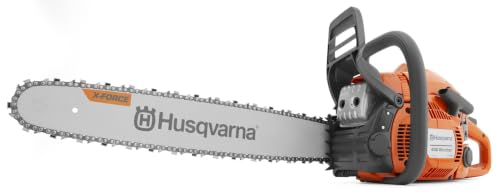
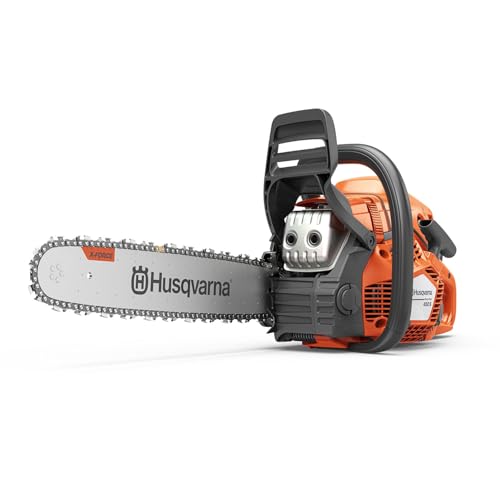
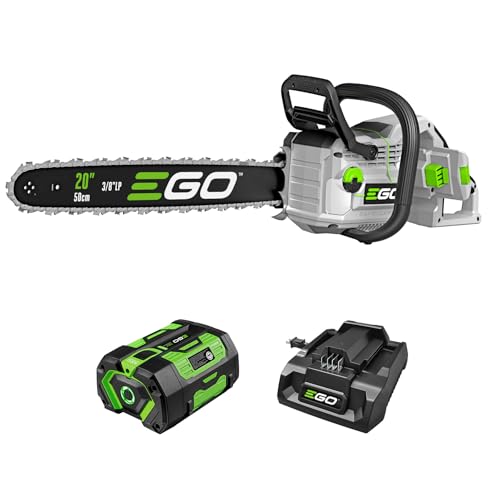
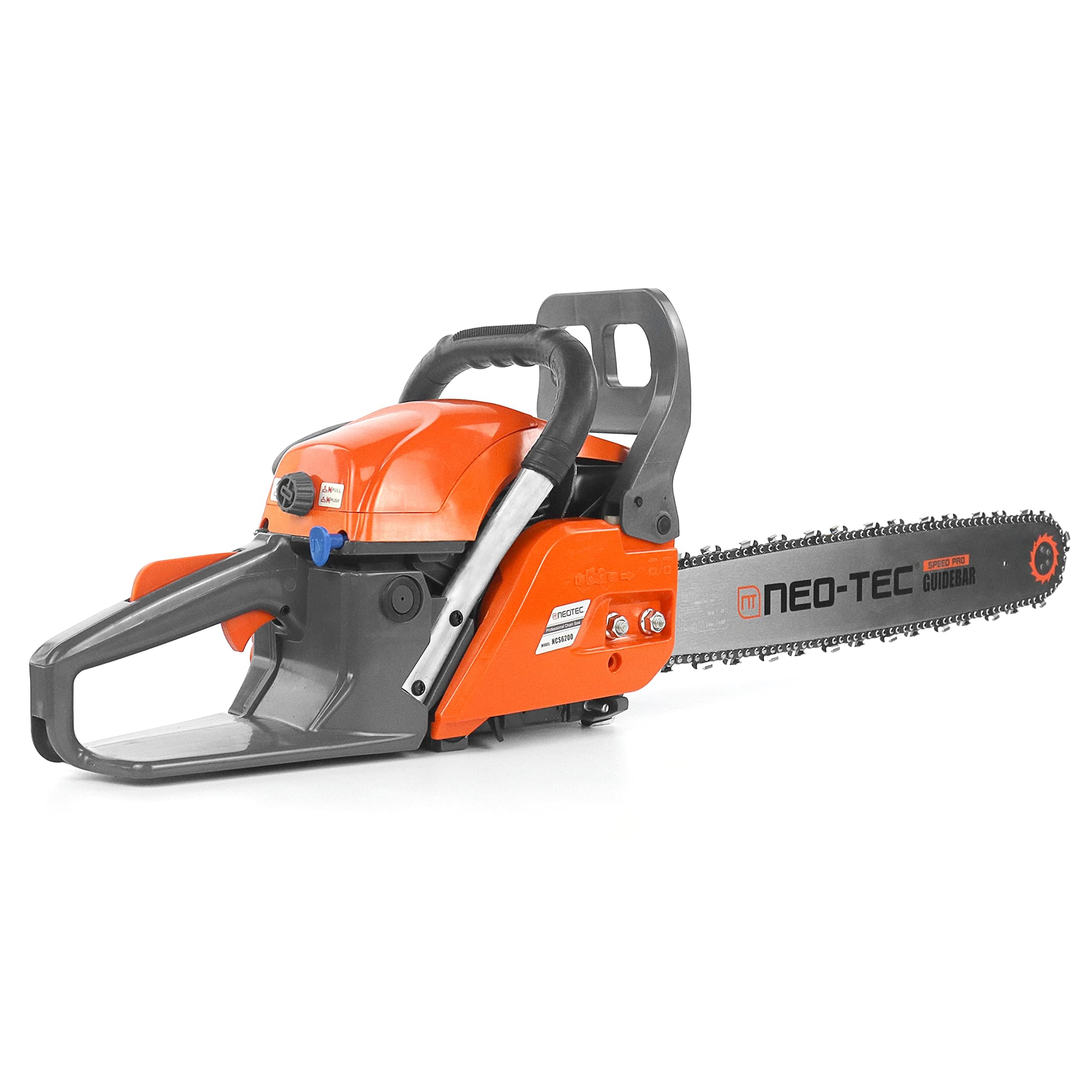


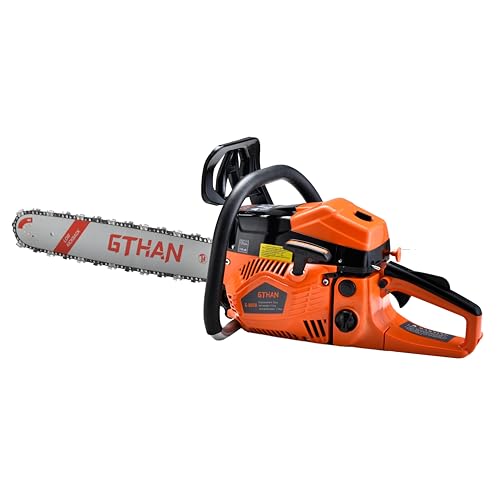
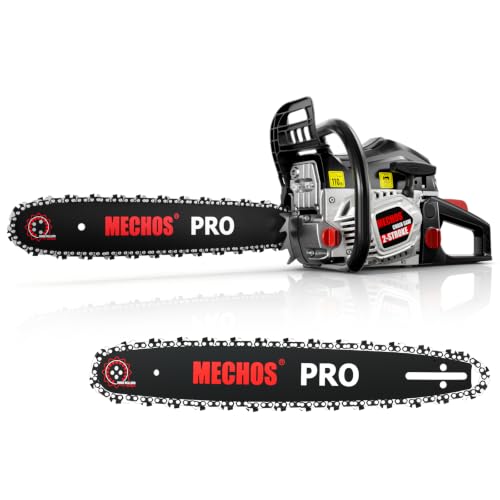

Three Power Types at a Glance
Instead of naming single models, this guide compares the three power types that dominate the 20 inch class. Gas saws lead on cutting power and run time without a cord or a charged pack. Battery saws lead on quiet running, simple starting, and low routine care. Corded electric saws are the lightest and cost the least, but they only make sense close to an outlet on your own property.
Types Compared for the Best 20 Inch Chainsaws
Gas Models for Heavy and Remote Cutting
Gas models in this size usually run engines around 45 to 55 cc, which gives them the torque to pull a long chain through dense oak and other hardwoods. They refuel in minutes, so you can keep cutting far from the house during storm cleanup or a full day of firewood work. The trade offs are noise, exhaust, pull starting, and more upkeep, including fuel mixing, air filter cleaning, and spark plug checks. Expect a heavier saw that rewards experience and steady handling.
Battery Cordless Models for Quieter Work Near Home
Battery models use large packs to drive a 20 inch bar, and they start with a trigger instead of a rope. They run quietly, produce no exhaust at the cut, and need little care beyond chain, bar, and battery storage. Run time is the main limit, since thick hardwood drains a pack far faster than soft pine or small limbs. If this trade off appeals to you, our guide to the best battery chainsaw explains pack sizes and charging choices in more depth.
Corded Electric Models for Steady Power on a Budget
Corded models draw steady power from an outlet, so they never need fuel or charging, and they tend to weigh less than gas saws of the same bar length. They work well for bucking delivered logs, cutting fallen limbs near the house, and occasional felling of small trees within cord reach. The cord limits your range, can snag on brush, and needs care around wet ground. For remote land, deep woods, or large storm damage, a corded saw quickly becomes impractical despite its low price.
How We Chose the Best 20 Inch Chainsaws
We compared types using maker specifications, safety guidance from public sources, and patterns in verified buyer reviews. The criteria were build materials and weather resistance, size and cutting capacity, assembly effort, durability, and warranty support. We left out any model specific scores, since bar length alone tells you little without power, weight, and chain speed beside it. Use the same criteria below when you read any 20 inch chainsaw listing or store display.
How to Choose the Right Chainsaw
Size and Form Factor
Bar length is measured from the tip of the bar to where it enters the housing, and a 20 inch bar gives roughly 18 inches of usable cutting length. That covers logs up to about 18 inches across in one pass and larger logs when you cut from two sides. Rear handle saws in this size suit ground work like felling and bucking. Top handle saws are built for trained climbers working in trees, so most buyers should choose a rear handle design.
Type
Your power choice shapes noise, weight, upkeep, and where you can cut. Gas fits long sessions, thick hardwood, and land without power, while battery fits suburban yards where close neighbors and simple storage matter. Corded fits short jobs near the house and buyers who want the lowest purchase cost. Mini and pole saws serve pruning and light limbing instead, and our overview of the best chainsaw range shows how those smaller tools differ from a full size felling saw.
Features Worth Paying For
An automatic oiler keeps the bar and chain lubricated while you cut, and a clear oil window helps you check the level at a glance. A chain brake that stops the chain when your wrist rolls forward is an important safety feature if the saw kicks back. Side access chain tensioning lets you adjust slack with the bar tool in seconds. A carrying case, a spare chain, and a battery with a charger in the box all add real value, while extra decorative covers add none.
Weather Resistant Materials
Look for a magnesium or sturdy polymer housing, a coated bar that resists rust, and sealed controls that keep out rain and sawdust. Battery models should state a water resistance approach for the pack and the tool, since damp yards are normal cutting conditions. Gas models need a fuel cap seal that stays tight and an air filter cover you can remove without tools. No homeowner saw is made for cutting in standing water or heavy rain, so plan work for dry conditions whenever you can.
Size for Your Space
A 20 inch saw needs a clear storage spot away from children, fuel, and battery heat, plus room for chaps, gloves, eye protection, and hearing protection. Measure your shed or garage shelf before you buy, since these saws are long and awkward in tight corners. Think about transport too, because a cased saw should lie flat in a truck bed or trunk without the bar pressing on other gear. Small yards with only a few small trees rarely justify storing a saw this large.
Assembly and Anchoring
Most saws arrive with the bar and chain separate, so assembly means fitting the bar, looping the chain in the right direction, and setting tension before the first cut. A new chain should sit snug against the bar yet still pull around by hand while you wear gloves. Anchor your work as carefully as you assemble the saw, using a sawhorse or a log stand to hold rounds steady. Never hold a log with your foot or ask a helper to hold it by hand.
Care and Off Season Storage
After each session, brush sawdust from the bar groove, check chain sharpness, and top up the bar oil tank. Store the saw with the scabbard on, in a dry place, and follow the maker guidance on fuel or battery storage during long breaks. For step by step cleaning detail, see our notes on how to clean a chainsaw before you put the saw away for winter. Dull chains make the saw work harder and cut less safely, so file or swap the chain early.
How Much Should You Spend?
Corded 20 inch models often fall at about $100 to $200, gas models at about $200 to $400, and battery models at about $300 to $500 once a pack and charger are included. Spending more usually buys lower weight, stronger housings, longer warranties, and easier tensioning systems rather than a longer bar. Budgets under $100 rarely buy a new saw in this size with safe, durable parts. Our full chainsaw buying guide helps you weigh those price bands against bar sizes below 20 inches.
Is a 20 Inch Chainsaw the Right Size for You?
A 20 inch saw fits landowners who fell medium trees, cut firewood from large rounds, and clear fallen trunks after storms. It also fits confident homeowners who maintain several acres and already own protective gear. If you mostly trim branches, cut small ornamental trees, or slice logs under 12 inches across, a 16 inch or 18 inch saw will feel lighter and cost less. Our guide to the best chainsaw for homeowners covers those smaller sizes for typical suburban yards.
Be honest about strength and experience before you choose this size, because a long bar raises both weight and kickback risk. Trees leaning toward a house, trees touching power lines, and hung up trunks call for a professional crew, not a new saw. Stop and get help if a tree is under tension, since a trapped bar or a sudden split can injure you quickly. The best 20 inch chainsaw choice is the one you can control for the whole job, not just the first cut.
FAQs
What size chainsaw do you need for firewood?
For firewood, match the bar to the largest rounds you cut often, not the largest log you might meet once. A 20 inch bar handles rounds around 16 to 18 inches across with room to spare, which suits most hardwood firewood piles. If your delivered wood is mostly 10 to 14 inches, a shorter bar cuts faster and tires you less. Keep a second sharp chain ready, since firewood sessions dull edges quickly on bark and grit.
How long does a 20 inch chainsaw last?
A well kept gas saw in this class can serve for many seasons of weekend use, while battery and corded models depend on pack health and cord condition. The bar and chain are wear parts and will need swapping far sooner than the motor or engine. Storing the saw dry, keeping the chain sharp, and using fresh fuel or a partly charged stored pack all extend service life. Cracked housings, a bent bar, or repeated stalling are signs to seek service.
Is a 20 inch chainsaw worth it for a small yard?
For most small yards, it is more saw than you need, and the extra length adds weight every time you lift it. A compact saw handles pruning, small stumps, and fallen limbs with less fatigue and easier storage. Renting a large saw for a single big removal can cost less than owning one that sits unused for years. Choose the 20 inch size only if large trees or regular firewood cutting are a lasting part of your yard work.
What safety gear does a 20 inch chainsaw require?
Wear chainsaw chaps, a helmet with a face screen, eye protection, hearing protection, gloves with a firm grip, and sturdy boots that cover your ankles. Loose clothing, jewelry, and untied long hair create catch risks near a moving chain, so secure them before you start. Work with another adult nearby who can call for help, and keep children and pets well away from the cutting area. If you feel tired, rushed, or unsure about a cut, stop and reassess before continuing.
Can a beginner use a 20 inch chainsaw?
A beginner can learn on this size, but a shorter bar is usually a kinder starting point for building control and good habits. If you do start at 20 inches, take a local safety course or learn beside an experienced user before felling anything. Practice on ground logs first, keep both hands on the saw, and never cut above shoulder height. Move up to felling small trees only when bucking feels calm, planned, and repeatable for you.
Final Thoughts
Start with your largest regular cut, then pick the power type that fits your land, your noise limits, and your storage space. Gas leads for remote and heavy work, battery leads for quiet convenience, and corded leads for low cost near home. Compare your shortlist against the product table above, check assembly needs and warranty terms, and budget for protective gear with the saw. Chosen with care, the best 20 inch chainsaw will handle your toughest cutting days safely and without wasted effort.