
Best 20 Gallon Kitchen Trash Can in 2026: Buying Guide and Top Picks
Disclosure: We may earn a commission when you buy through links on this page, at no extra cost to you. As an Amazon Associate I earn from qualifying purchases. Learn more

What to look for in the best 20 gallon kitchen trash can: the main types, key features, realistic price ranges and mistakes to avoid before you order.
Sunday lunch is barely cleared when the kitchen bag is already bulging, and someone has to carry it outside before dinner prep even starts. A larger can ends that midday trip for many households. Choosing the best 20 gallon kitchen trash can comes down to your floor space, the number of people you feed, and how you like a lid to open. The product table below the intro lets you compare current models side by side.
This guide walks through size, lid types, seals, materials, and running costs, so you can match a can to your home instead of guessing from capacity alone. For a wider view across all sizes, see our guide to the best kitchen trash can.

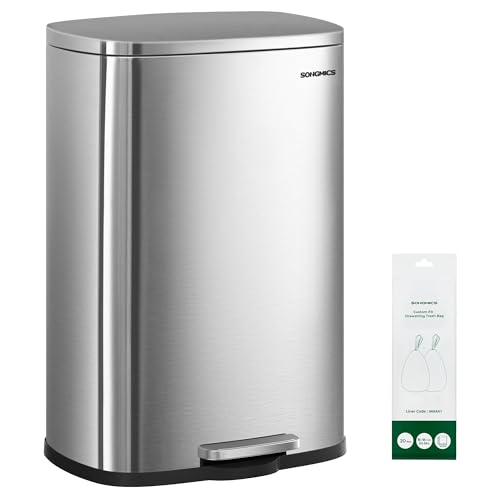
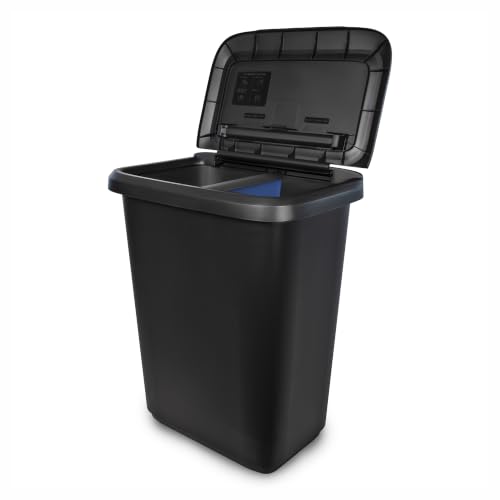


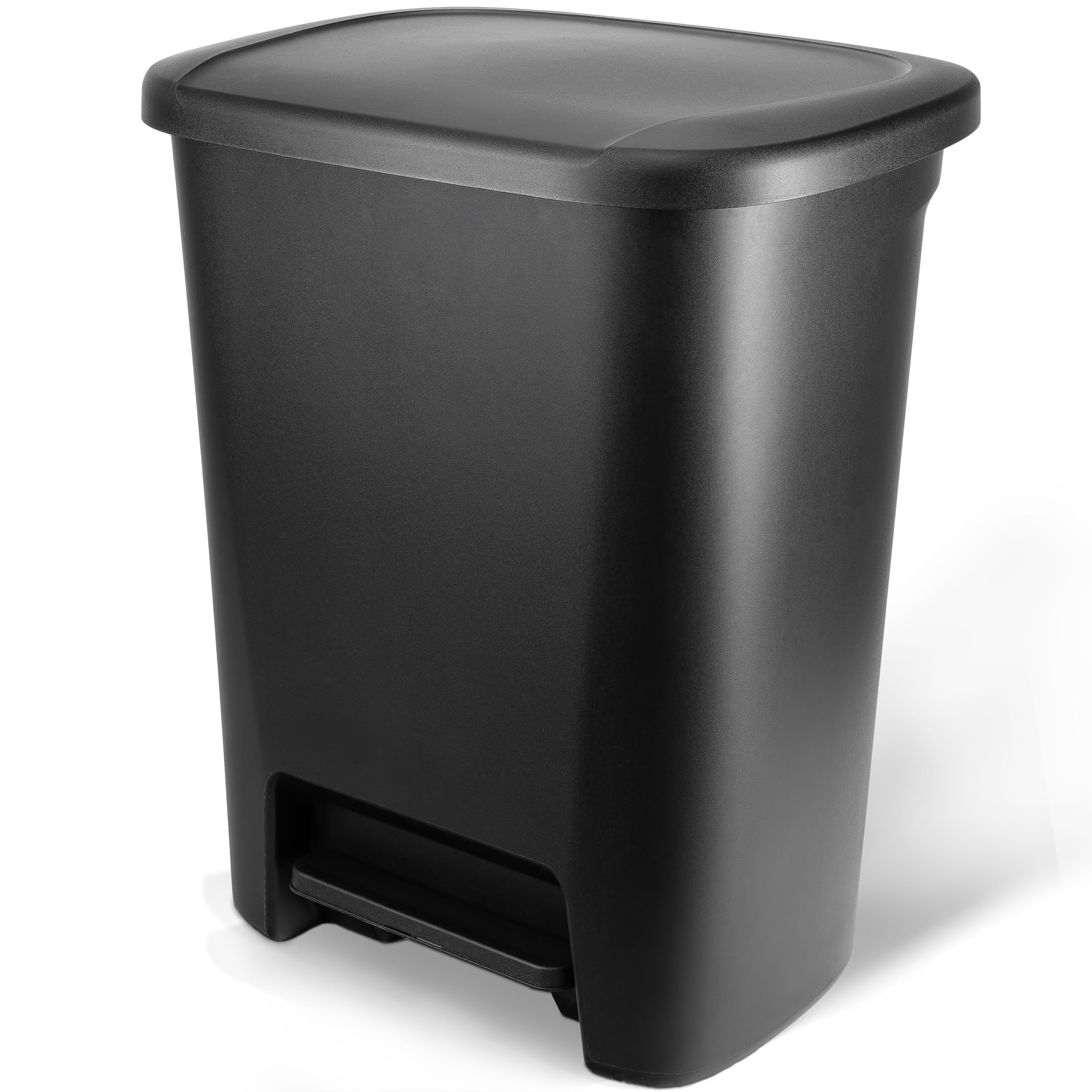
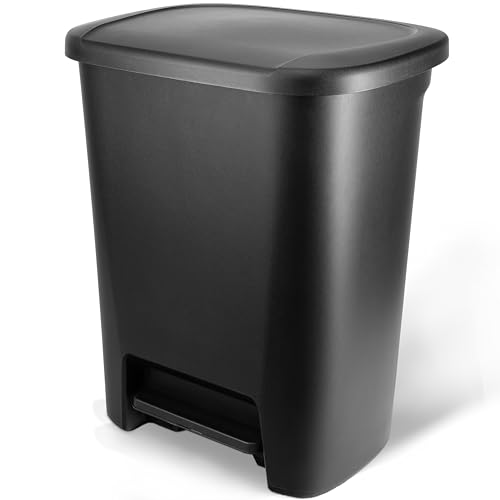
Quick Answer: The Three Styles Worth Comparing
Three styles cover most 20 gallon cans. Step pedal cans suit most homes because they open without power and keep working during a blackout. Sensor cans open with a wave, which helps when your hands are covered in flour or raw chicken juices. Simple lid cans in plastic cost the least and weigh the least, which matters if the can moves often for cleaning.
None of these styles wins on every point. Pedals can wear, sensors need batteries or an outlet, and basic lids offer the weakest odor control. Read the checklist below first, then confirm that a style matches your space and budget.
Before You Buy: A Quick Checklist for Choosing a Kitchen Trash Can
Size: Match It to Your Space
A 20 gallon can holds far more than the common 13 gallon size, but capacity is only half of the fit question. Measure the spot where the can will live, then check the height with the lid fully open, since a lid that strikes a counter edge will annoy you daily. Leave a little clearance on each side for the bag change. If your household fills a smaller can slowly, our guide to the best 13 gallon kitchen trash can may fit your routine and your floor plan better.
Which Type Fits Your Routine
Think about the moment you throw things away most often. A pedal suits cooks who carry scraps in both hands and want a lid that closes firmly behind them. A sensor suits anyone who dreads touching a lid while handling raw meat, though it needs a clear zone so it does not open each time you walk past. A dual compartment can keeps recycling beside trash in one footprint, while a slim shape slides into a narrow gap beside a cabinet.
Features Worth Paying For and Ones to Skip
Pay for a lid that closes slowly and quietly, a pedal built from metal rather than thin plastic, and a bag ring that holds the liner edge out of sight. A liner pocket inside the can saves trips to a cupboard. Skip voice control and novelty lighting, since neither helps the can hold more or smell less. A charcoal odor filter helps in warm kitchens, but only if replacements are easy to buy and priced fairly.
Airtight Seal and BPA Free Materials
A lid that sits flush on the rim slows odor escape and makes it harder for a curious dog to nose the can open. Look for a rim with a gasket or a lid that overlaps the body, and check the fit by looking for gaps at the corners on rectangular shapes. Stainless steel bodies resist dents and do not absorb smells. If steel is your first choice, our guide to the best stainless steel kitchen trash can covers finishes in more depth. Plastic inner buckets should be smooth and free of deep texture, and some makers label them BPA free.
Heat and Placement Safety
Where the can stands affects both odor and lifespan. Keep a plastic can away from an oven door that vents hot air, since repeated heat can warp a lid and loosen its seal. A steel can in direct sun can warm the contents, which speeds up smells. A cool corner away from radiators is the safest spot for any material, and keeping the can clear of the stove top stops grease coating the lid and pedal.
Realistic Budget Ranges
Basic plastic cans with a flip or swing lid often cost about $40 to $70 in this size. Steel step cans with a slow close lid usually run about $80 to $180, with the finish and pedal build driving the gap. Sensor cans and dual compartment formats often cost about $150 to $250 once you add power parts and a second bucket. Set your range before you shop, and remember that filters, liners, and batteries add small ongoing costs on top of the purchase price.
Three Types Compared: Choosing Your Format
Step Pedal Cans
The step pedal format is the default for a reason. Your foot does the work, the lid rises even when both hands hold a cutting board of scraps, and there is nothing to charge. A wide pedal is easier to hit from an angle, and a pedal that feels solid underfoot usually signals a stronger linkage inside. The trade off is mechanical wear over years of daily presses, plus a lid that can bang if the damper is weak. Choose this format if you value simple operation and low running costs above all else.
Sensor Cans for Hands Free Use
A sensor can opens when you wave a hand or hold a tray above the lid, which keeps the surface cleaner during messy cooking. Look for a sensor with an adjustable range if one exists, since a can beside a walkway can open again and again as people pass. Power comes from batteries or a plug in adapter, and an adapter saves battery swaps if an outlet sits nearby. If you are weighing sensor brands head to head, our simplehuman vs itouchless comparison lays out how the two approaches differ.
Simple Lid Cans and Dual Compartment Formats
The simplest 20 gallon cans use a flip lid, a swing lid, or a lid you lift by hand, and they cost the least to buy and own. They suit utility rooms and homes that empty the can daily so odor never builds. Dual compartment formats split the volume between trash and recycling, which helps homes with curbside recycling and no room for a second bin. A split can gives each stream less than the full 20 gallons, so a large family may fill the trash side faster than expected.
How to Compare 20 Gallon Kitchen Trash Cans
Compare styles and features using maker specifications for dimensions and capacity, warranty wording, and patterns in verified buyer reviews, such as repeated notes about pedal wear or sensor range. Give the most weight to seal quality, materials, kitchen fit, ease of cleaning, and value for money.
Is a 20 Gallon Kitchen Trash Can the Right Size for You?
Households of four or more people who cook most meals at home usually fill a 13 gallon can well before collection day, and the larger volume turns two or three trips outside into one. That is the core promise of the best 20 gallon kitchen trash can: fewer trips and fewer half used bags pulled early just to stop overflow. Homes that host regular gatherings gain the same breathing room, since party waste piles up fast.
There are honest limits. A full 20 gallon bag is heavy, so think about who carries it and whether stairs sit on that route. The can also claims more floor space, which can crowd a small kitchen. Readers comparing broader formats can see our guide to the best large kitchen trash can for other oversize options. If your waste is mostly light packaging, the extra volume fills with bulk instead of weight and suits you well.
Pet owning homes sit in between. Cat litter adds dense weight, so many owners empty this size at two thirds full. A latching lid matters more in these homes than any other feature, since a determined dog treats an open rim as an invitation.
Common Buying Mistakes to Avoid
- Measuring only the floor footprint and forgetting the open lid height, so the lid hits a counter every day.
- Assuming standard tall kitchen bags fit, when many 20 gallon cans need larger liners that cost more per bag.
- Placing a sensor can beside a busy walkway, so passing feet trigger the lid all day and drain the batteries.
- Choosing a dual compartment can for a big household without checking the trash side volume on its own.
- Ignoring the weight of a full bag, which can turn trash duty into a strain for smaller or older family members.
Cost of Ownership and Care
Running costs stay modest if you plan for them. Sensor cans use batteries that need swapping a few times a year, or a small amount of mains power with an adapter. Charcoal odor filters are consumables, and skipping changes quietly removes the benefit you paid for. Larger liners cost more per box than standard tall kitchen bags, so check liner prices before you commit.
Care is simple. Wipe the pedal and lid edge weekly, since grease film builds where hands and feet land. Wash the inner bucket when a bag leaks, and let it dry fully before a new liner goes in, because trapped moisture breeds odor fast. Keep a spare bag tucked under the current liner, so a change takes seconds.
Your Questions, Answered
What is the most reliable kitchen trash can brand?
Reliability shows up less in a logo than in support after the sale. Favor makers that sell spare pedals, lids, and dampers for their current cans, and that publish a warranty of several years rather than a few months. A brand that lists part numbers will keep a can in service far longer than one that treats every fault as a full replacement. Check that support covers your country before you order.
How do you deep clean a kitchen trash can after a leak?
Take the bucket outside, rinse out loose debris, and wash it with hot water and dish soap using a long handled brush for the corners. For lingering smells, sprinkle baking soda over the damp base and leave it for an hour before rinsing again. Dry the bucket upside down in fresh air, since a closed damp bucket regains odor within a day. Clean the lid underside as well, because drips collect there unseen.
Is a 20 gallon kitchen trash can worth it for a couple?
It can be, if you cook daily, host often, or want fewer trips to an outside bin in bad weather. A couple who orders takeout often may find the can sits half empty while odors build between changes. The size still works with a strong seal, but the value case weakens. Match the decision to your waste rhythm, not to the headline capacity.
How long does a kitchen trash can last?
A steel step can in daily family use often serves about 5 to 10 years before the pedal or damper feels tired, while a basic plastic can may show cracks or a loose lid sooner. Sensor models depend on their electronics, so their working life tracks battery care and protection from steam and splashes. Replacing a worn part, where the maker sells one, can add years. Treat lifespan as a range shaped by use, not a promise.
What is the best 20 gallon kitchen trash can?
Start by naming your top priority, then let it rule the choice. Pick the pedal format for low upkeep, the sensor format for clean hands during cooking, and a simple lid format for the lowest cost. Confirm the open lid height and the liner type before you pay, since those two checks prevent the most common regrets. The right answer is the format that fits your space and habits, not the longest feature list.
Final Thoughts
A 20 gallon can earns its floor space when your household fills bags fast and wants fewer trips outside each week. Measure the spot, pick the lid style that suits your cooking, and check liner costs before you order. When you are ready, look back at the product table above and choose the best 20 gallon kitchen trash can for your rooms, your routine, and your budget.


