Best 13 Gallon Kitchen Trash Cans (2026): Size, Features and Buying Tips
Disclosure: We may earn a commission when you buy through links on this page, at no extra cost to you. As an Amazon Associate I earn from qualifying purchases. Learn more

What matters when choosing the best 13 gallon kitchen trash can: size, features, budget and the mistakes to avoid.
A bag that splits on the way to the curb usually starts with a can that never quite fit the kitchen. The liner sagged, the lid stuck up into a cabinet door, and scraps ended up on the floor instead of inside. Choosing the best 13 gallon kitchen trash can for your home comes down to three things: the space you have, the number of people filling it, and the budget you want to spend.
This guide walks through size, lid types, materials, and running costs. The product table on this page lists current options, so you can match a style to your routine before you read the details.


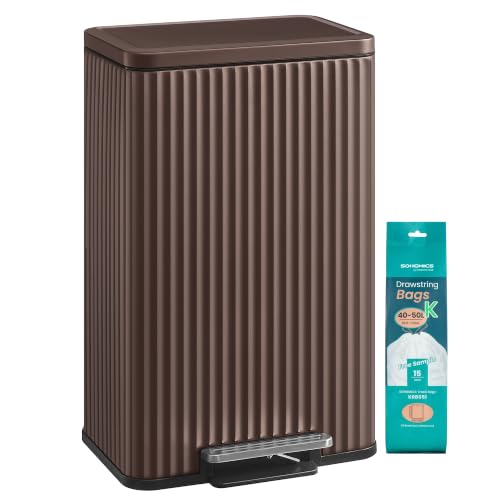
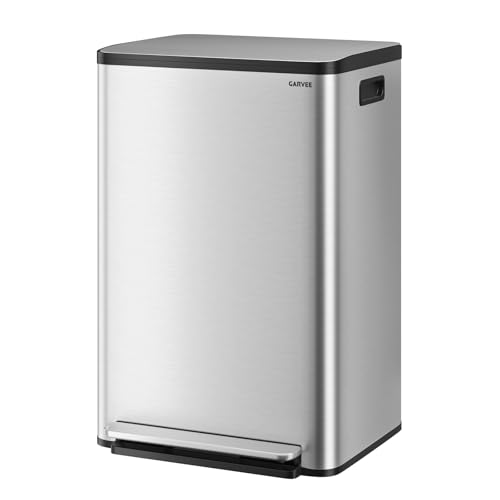
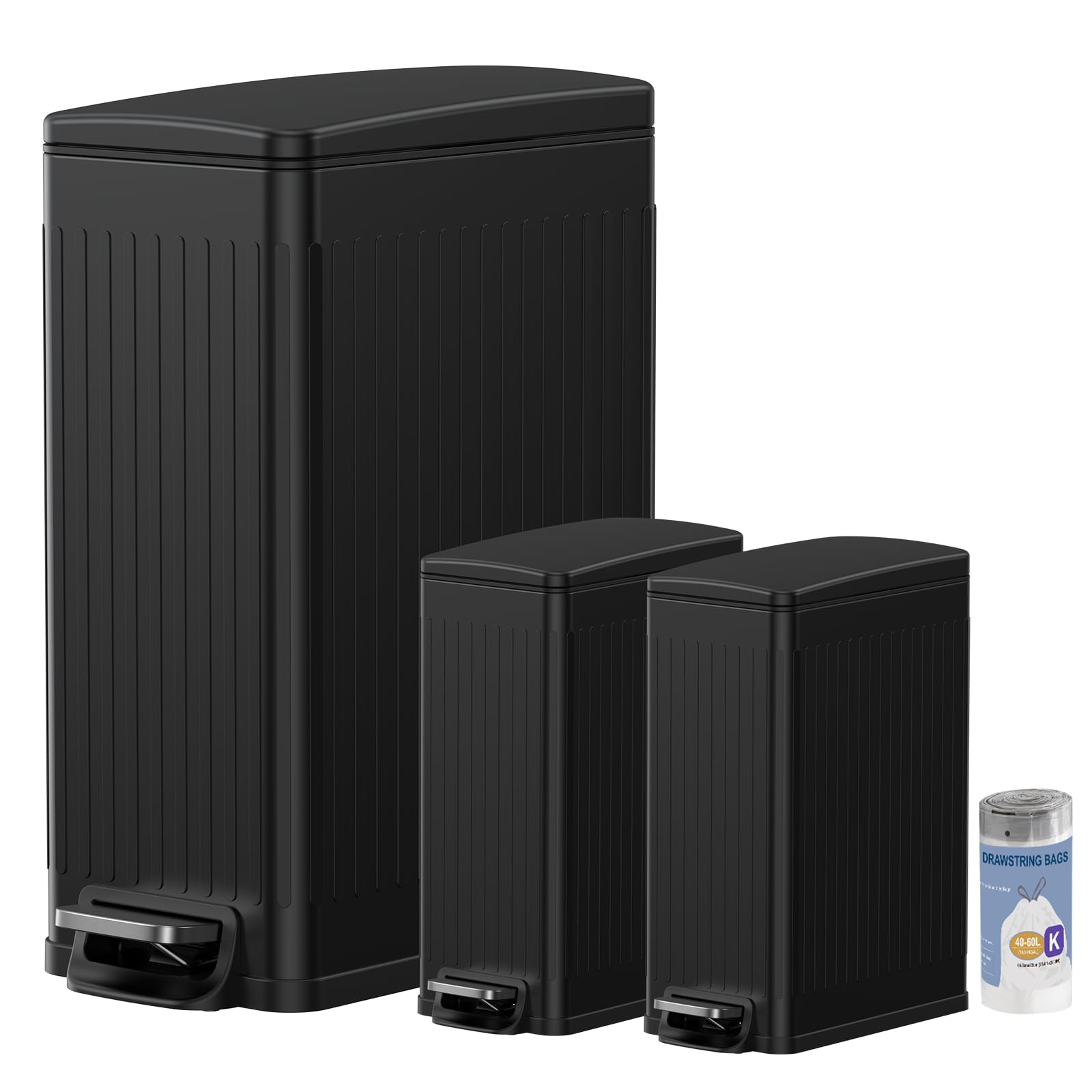


Quick Answer: The Main Styles in 30 Seconds
Three styles cover nearly every kitchen. A step can opens with a foot pedal, costs the least to run, and suits most homes. A sensor can lifts its lid when you wave a hand above it, which helps when your hands are full or messy. A dual compartment can splits the body between trash and recycling, which suits homes that sort as they go.
Before You Buy: A Quick Checklist for Choosing a Kitchen Trash Can
Size: Match It to Your Space
Capacity alone does not tell you whether a can fits. A 13 gallon can holds the tall kitchen bags sold in most stores, but bodies vary a lot in footprint and height. A slim body tucks against a wall or beside a cabinet, while a wide oval body needs open floor. Measure the spot first, including the height with the lid fully open, since a lid that hits a counter overhang will annoy you daily. Smaller 8 and 10 gallon cans suit one person homes with little waste. Larger 16 and 20 gallon cans suit big families but demand more floor space.
Which Type Fits Your Routine
Think about how your hands reach the can during cooking. A step can keeps the lid shut with a simple pedal and needs no power at all. A sensor can opens on its own, and our guide to the best touchless kitchen trash can explains when that convenience earns its higher price. A pull out can hides inside a cabinet on rails, which keeps the floor clear but limits you to the cabinet width. An under sink can is smaller by nature, so it rarely holds a full 13 gallons.
Features Worth It (and Ones to Skip)
A few features solve real daily problems. A liner pocket inside the body stores spare bags where you need them, so you never dig through a drawer with a full bag in hand. A bag holder ring or tuck hole keeps the liner edge from slipping down into the waste. A soft close lid ends the clang that wakes a quiet house at night. Odor filters help a little in a warm kitchen, but they need regular replacement. Skip novelty extras you will not maintain, such as scent pods with costly refills.
Airtight Seal and Materials That Stay Clean
Odor control starts with the lid, not with sprays. A lid that sits flush on the rim traps smells between bag changes, and a tight seal matters most if the can lives near where you eat or prep food. Body material shapes cleaning and looks. Our roundup of the best stainless steel kitchen trash can options covers finishes that resist fingerprints and wipe clean without streaks. Plastic bodies cost less and weigh less, but they can hold odors in the surface over time. Choose smooth interiors with few seams, since seams trap grime.
Realistic Budget Ranges
Budget shapes what you can expect. Under about $30, you get a basic plastic step can with a simple lid and no extras, which is fine for a first apartment. Between about $50 and $100, bodies get sturdier, pedals feel solid, and lids close softly. Under about $200, you find sensor lids, dual compartments, and thicker steel that shrugs off dents. Spending more mainly buys convenience and finish, not more capacity, since every can here holds the same 13 gallons.
Types Compared: Three Styles Worth Your Money
Step Cans for Most Homes
A step can is the default choice for good reason. The pedal mechanism is simple, works with wet or floury hands, and never needs batteries or an outlet. Look for a wide pedal you can hit from an angle, a lid that opens past vertical so it stays up while you scrape a cutting board, and a hinge that clears the wall behind the can. The trade off is effort: a stiff pedal on a cheap body tires your foot and can rock the can on hard floors.
Sensor Cans for Full Hands and Busy Cooks
A sensor can opens when you pass a hand or a plate over the sensor, so drips land inside instead of on a lid you had to lift. This helps during messy prep, when you carry a tray of scraps, or when a child cannot reach a pedal with enough force. Check the sensor range, the lid speed, and how long the lid stays open before it closes. Power comes from batteries or an adapter, so place the can near an outlet if you dislike buying cells. The trade off is complexity, since motors and sensors add parts that can fail.
Dual Compartment Cans for Homes That Sort Daily
A dual compartment can divides its body into two sections, one for trash and one for recycling, inside a single footprint. This suits homes where sorting is a daily habit and a second bin would crowd the floor. Keep in mind that each side holds less than the total rating suggests, so a 13 gallon split can may give you only about half that space for trash. That means more frequent trips outside for a large family. Removable inner buckets make each side easier to rinse.
How to Evaluate a Can Before You Order
Start with fit, since a can that blocks a drawer or a walkway fails no matter how nice its finish looks. Next judge the lid action, the seal at the rim, and how the liner is held in place. Then weigh the material and how easy the interior is to rinse. Finally, add up the running costs and compare the total against your budget range. If you are also weighing a general upgrade, our broader guide to the best kitchen trash can covers other sizes and layouts beyond this one capacity.
Is a 13 Gallon Kitchen Trash Can the Right Size for You?
For a household of two to four people who cook most days, 13 gallons usually means taking the bag out every two to three days, which keeps odors from building up. A single person who eats out often may fill it slowly, and food waste can smell before the bag is full, so a smaller can can be the smarter fit. A family of five or more may overflow a 13 gallon can daily during busy weeks. In that case, compare the space a step up in size needs by reading about the best large kitchen trash can styles before you commit.
Bag fit is the quiet advantage of this size. Tall kitchen bags are the most common size in stores, they cost less per bag than specialty liners, and they are easy to find on sale. Custom fit liners hug some cans neatly and can look tidier, but they cost more and lock you into one source. Count that ongoing cost as part of the price.
Common Buying Mistakes to Avoid
- Measuring only the footprint. Forgetting the open lid height means the lid bangs the counter or cannot open fully, so scraping plates becomes a two hand juggling act.
- Ignoring the walkway. A can placed in a traffic path gets kicked and dented, and a wide body in a narrow galley kitchen slows every trip to the fridge.
- Forgetting the dog factor. A light lid with no lock invites a curious dog to nose it open, so pet homes should look for a locking lid or a heavy, close fitting one.
- Skipping the running costs. Custom liners, filters, and batteries can add up to the price of the can itself within a couple of years, which turns a bargain into a costly habit.
- Buying features you will not maintain. A filter you never change and a sensor you never wipe will perform worse than a simple pedal can you keep clean.
Cost of Ownership and Care
The purchase price is only the start. Standard tall kitchen bags are the cheapest liner option, while custom fit liners can cost two or three times as much per bag. Odor filters, where fitted, need swapping every few months to do any good. Sensor cans add battery costs, or a small draw on your power bill if they use an adapter. Together these costs decide whether a can feels cheap or costly to live with.
Care is simple but regular. Wipe the lid and rim weekly, since that is where splashes land and odors start. Rinse the body or inner bucket with warm soapy water when a bag leaks, and let it dry fully before a new liner goes in, so moisture does not breed smells. Check the pedal or sensor area for crumbs that can jam the action.
FAQ
Can a 13 gallon kitchen trash can fit under a standard kitchen counter?
Usually not with the lid able to open. Most 13 gallon cans stand about 25 to 27 inches tall with the lid closed, and counters sit near 36 inches, but the lid swings up well above the body height as it opens. A can under a counter overhang often cannot open fully. Measure the full open height against your space first.
Do tall kitchen bags fit every 13 gallon kitchen trash can?
Nearly all of them take standard tall kitchen bags, since that size is the industry norm for this capacity. The fit still varies with body shape. A round can may leave the bag loose at the sides, while a rectangular can uses the bag corners better and wastes less space. If a can needs its own liners for a neat fit, the listing will say so, and you can weigh that cost before you buy.
How do you stop a kitchen trash can from smelling between bag changes?
Start by taking food heavy bags out promptly, since no filter can hold back the smell of scraps left for days in a warm room. Sprinkle a little baking soda in the bottom of the can under the liner to absorb odors between changes. Keep the lid closed and the rim clean, because residue on the rim smells even when the bag is fresh. A tight fitting lid does more for odor than any scented add on.
How long does a 13 gallon kitchen trash can usually last?
A simple step can often serves for many years, since the pedal and hinge are its only moving parts and both are easy to keep clean. Sensor cans tend to have a shorter working life because motors, sensors, and battery contacts wear or corrode over time. You can extend either type by keeping liquids out of the mechanism area and replacing worn parts, such as a filter or a battery set, as soon as performance dips.
Is a locking lid worth it for a kitchen trash can in a home with pets?
For a dog that has already learned to raid the trash, yes. A lock or a latch keeps the lid shut against nosing and pawing, which protects your pet from bones and packaging that can harm it. For a pet that ignores the can, a heavy close fitting lid is enough.
Final Thoughts
The right can disappears into your routine: the lid opens when you need it, the bag fits without a fight, and the size matches the people in your home. For most kitchens, the best 13 gallon kitchen trash can is a sturdy step can with a soft close lid and room for standard bags. Choose a sensor style if full hands are your daily reality, and a dual compartment style if sorting is second nature in your house. Check the product table above once more against your measurements and budget.