Best 24 Bottle Wine Cooler: A Complete Buying Guide
Disclosure: We may earn a commission when you buy through links on this page, at no extra cost to you. As an Amazon Associate we earn from qualifying purchases. Learn more
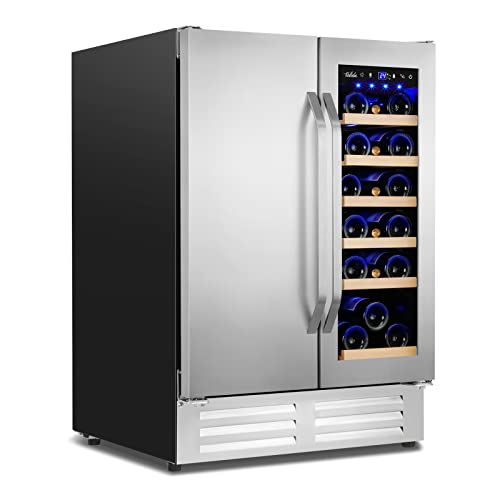
Your countertop rack is full, bottles are stacking two-deep on a kitchen shelf, and you have started eyeing something with an actual door and a thermostat. A 24 bottle wine cooler is usually the first unit people consider once a collection outgrows casual storage, since it holds enough to stop juggling bottles without demanding a dedicated room. Before you add one to your cart, though, there are a few things about this specific size that trip up more buyers than you would expect, from mixed-up product listings to how much space one of these units actually needs once it is loaded and running. This guide walks through what "24 bottles" really means, how zone count and cooling type play out at this size, and what to check before deciding where it will live.
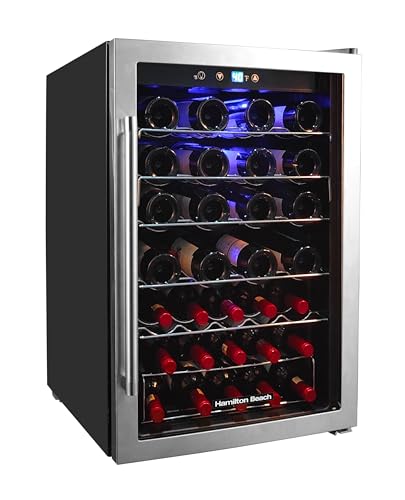
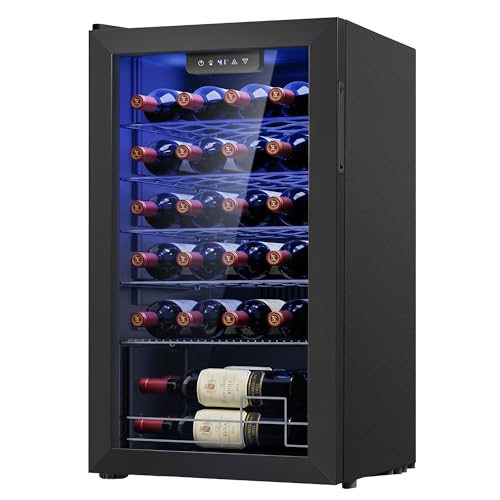
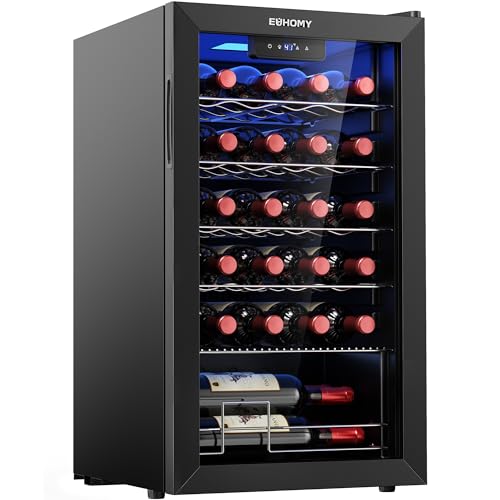
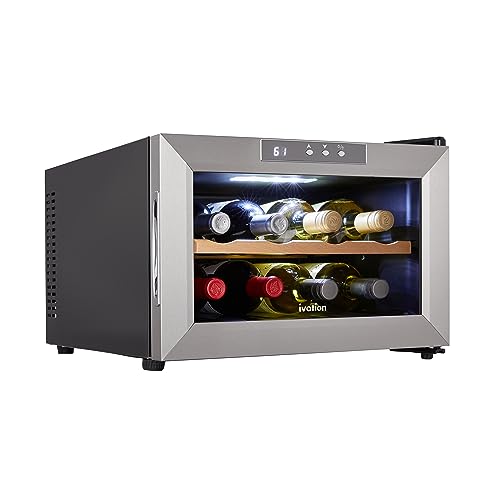

24 Bottles or 24 Inches? Don't Confuse the Two
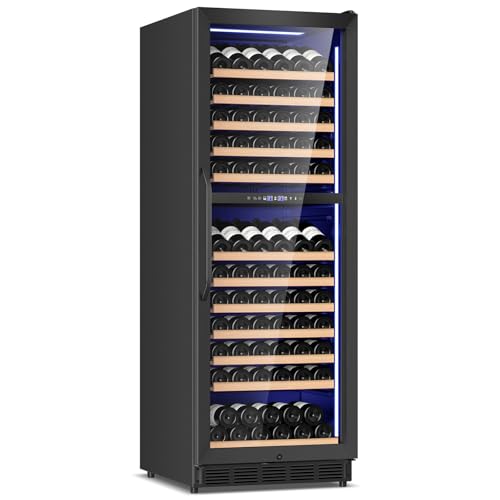
Search for a 24 bottle wine cooler and you will run into listings for "24 inch wine coolers" that hold 40, 50, even 58 bottles. That is not a typo. The "24 inch" figure refers to the cabinet's width, a standard measurement used for under-counter appliances, and has nothing to do with bottle count. A retailer page that leads with "24" in the title can mean either number depending on which spec they chose to headline.
If you specifically want a unit sized for 24 bottles, look past the headline number and check the actual capacity spec on every listing before comparing prices or features. Two products both labeled "24" can differ in usable interior volume by more than double, which throws off any side-by-side comparison you are trying to make.
What 24 Bottles Actually Fits Once You Load Real Wine
The number on the box assumes standard 750ml Bordeaux-shaped bottles racked at their tightest legal spacing. Real collections rarely look like that. Wider Burgundy bottles, Champagne bottles, and the occasional oversized gift bottle all take up more room than the racking was designed around, so a nominal 24-bottle cooler often ends up holding closer to 18 to 20 bottles once your actual mix is loaded in.
That gap matters when you are deciding whether this size fits your collection. A common rule among wine storage guides is to shop for roughly 25 percent more capacity than what you currently own, since collections tend to grow faster than people plan for. If you already own close to 24 bottles today, this size may feel snug within a year rather than giving you the breathing room you expected.
Single Zone, Dual Zone, or Time to Size Up Instead
At smaller capacities, single zone is usually the default and dual zone feels like a luxury. At 24 bottles, the decision gets more genuinely split, because this is often the point where a collection starts including both reds and whites in meaningful numbers rather than just one type.
When Single Zone Still Makes Sense at 24 Bottles
A single zone wine cooler cools the whole cabinet to one temperature, which means no divider eating into your usable space. If you mostly drink one type of wine, or you are storing bottles for months rather than grabbing one a night, single zone gets you closer to the full 24-bottle capacity for the same footprint.
When Dual Zone Earns Its Keep
A dual zone wine fridge splits the same cabinet into two independently controlled compartments, so reds and whites can each sit closer to their ideal serving temperature. The tradeoff is real at this size: the divider and second cooling circuit take up space, so a "24 bottle" dual zone model will typically hold noticeably fewer bottles than a single zone unit with the same label.
Signs You Should Size Up Instead
If you are already flirting with 24 bottles and expect to keep buying, it is worth pricing out a 36 to 46 bottle unit before committing. Going bigger once tends to cost less over time than buying a 24-bottle cooler now and replacing it in a year. For overflow in the meantime, a small wine rack can absorb a few extra bottles without forcing an early upgrade.
Cooling Systems That Can Keep Up at This Size
Both major cooling types show up in 24-bottle units, and the cabinet volume at this size is large enough that the choice matters more than it does in a 12-bottle countertop unit.
Compressor Cooling for a Bigger Cabinet
A compressor wine cooler cools more aggressively and holds steady temperatures regardless of the room around it, which matters once you are conditioning a full 24-bottle cabinet rather than a handful of bottles. It runs with some mechanical noise and mild vibration, so factor that in if the unit will sit somewhere quiet.
Thermoelectric Cooling and Its Limits at This Volume
Thermoelectric units stay silent and vibration-free, which is appealing for a kitchen or living space, but they struggle more as cabinet volume increases. A thermoelectric cooler that handles 12 bottles comfortably can fall behind at 24 bottles, especially in a warm room, since it has more air and glass surface area to fight against with the same limited cooling capacity. If the room runs warm or you want reliable performance year-round, compressor cooling is the safer choice at this size.
Footprint, Weight, and Where It Can Actually Go
Most 24 bottle wine cooler models measure roughly 17 to 20 inches wide, 17 to 19 inches deep, and 25 to 31 inches tall, and weigh around 48 to 51 pounds empty. Once loaded, a full complement of bottles can add another 70 to 100 pounds, so it is worth confirming that a countertop, cart, or built-in cabinet can actually support that weight before you commit to a spot.
Freestanding models need clearance behind and beside the unit to vent heat properly, while a handful of models are built with front venting so they can sit flush under a counter. Do not assume a compact-looking unit can go into an enclosed cabinet just because of its size. Always check the manufacturer's ventilation clearance before boxing one in, since restricted airflow shortens the compressor's lifespan and makes it work harder to hold temperature.
Stocking It and Serving From It
Once the cooler is in place, organizing by variety rather than by when you bought each bottle makes it much faster to grab the right one for dinner or when guests show up. A little wine glass storage nearby keeps stemware within reach without cluttering the counter around the cooler.
It also helps to keep the basics close by so a full cooler does not turn into a search for a corkscrew. A dependable wine opener stored in the same area saves you from digging through a drawer every time you want to pour a glass.
Frequently Asked Questions
How many bottles does a 24 bottle wine cooler actually hold?
Expect closer to 18 to 20 bottles in everyday use once you factor in wider Burgundy or Champagne bottles. The 24-bottle figure assumes standard Bordeaux-shaped bottles packed at maximum efficiency, which rarely matches a real collection.
Is a 24 bottle wine cooler the same as a 24 inch wine cooler?
No. "24 inch" refers to the cabinet's width, a common under-counter appliance size, and those units often hold 40 bottles or more. Always check the listed bottle capacity separately from any inch measurement in the title.
Should I choose single zone or dual zone at 24 bottles?
Choose single zone if you mostly drink one type of wine or are storing long-term, since you get more usable capacity for the same footprint. Choose dual zone if you regularly keep both reds and whites on hand and want each closer to its ideal serving temperature.
Can a 24 bottle wine cooler fit under a counter?
Some models are designed for it with front venting, but many in this size range are freestanding only and need clearance on the back and sides. Check the manufacturer's specification sheet before assuming a unit can be built in.
Is compressor or thermoelectric cooling better for this size?
Compressor cooling is generally the safer choice at 24 bottles because it holds steady temperatures in a larger cabinet and in warmer rooms. Thermoelectric cooling is quieter but can struggle to keep up once the room warms up or the cabinet is fully loaded.
How much does a 24 bottle wine cooler weigh, and does that matter?
Most units weigh around 48 to 51 pounds empty and considerably more once loaded with bottles. It matters because the surface or cabinet supporting it needs to handle that combined weight without flexing or sagging over time.
Should I buy a bigger cooler instead of 24 bottles?
If your collection is already close to 24 bottles and still growing, sizing up to a 36 to 46 bottle unit now is usually cheaper in the long run than upgrading again within a year or two.
Is 24 Bottles Enough for You?
A 24 bottle wine cooler works best for someone who has outgrown casual storage but is not yet running a serious collection that needs a dedicated cellar. Once you know roughly how many bottles you keep on hand, whether your collection leans toward one type of wine or a mix, and where the unit will physically sit, choosing between the models in this size range gets a lot easier.