Best 2 Zone Mini Splits in 2026: System Types and Sizing Guide
Disclosure: We may earn a commission when you buy through links on this page, at no extra cost to you. As an Amazon Associate I earn from qualifying purchases. Learn more

Compare the best 2 zone mini split types by combined capacity, cold weather heating, noise and installation to condition two rooms.
Choosing a best 2 zone mini split gets confusing fast because one outdoor unit has to serve two rooms that rarely need the same amount of cooling or heating. A sunny living room and a shaded bedroom place very different loads on the system, and a poor match leaves one space stuffy while the other feels chilly. This guide sorts out capacity, unit types, efficiency, and noise.
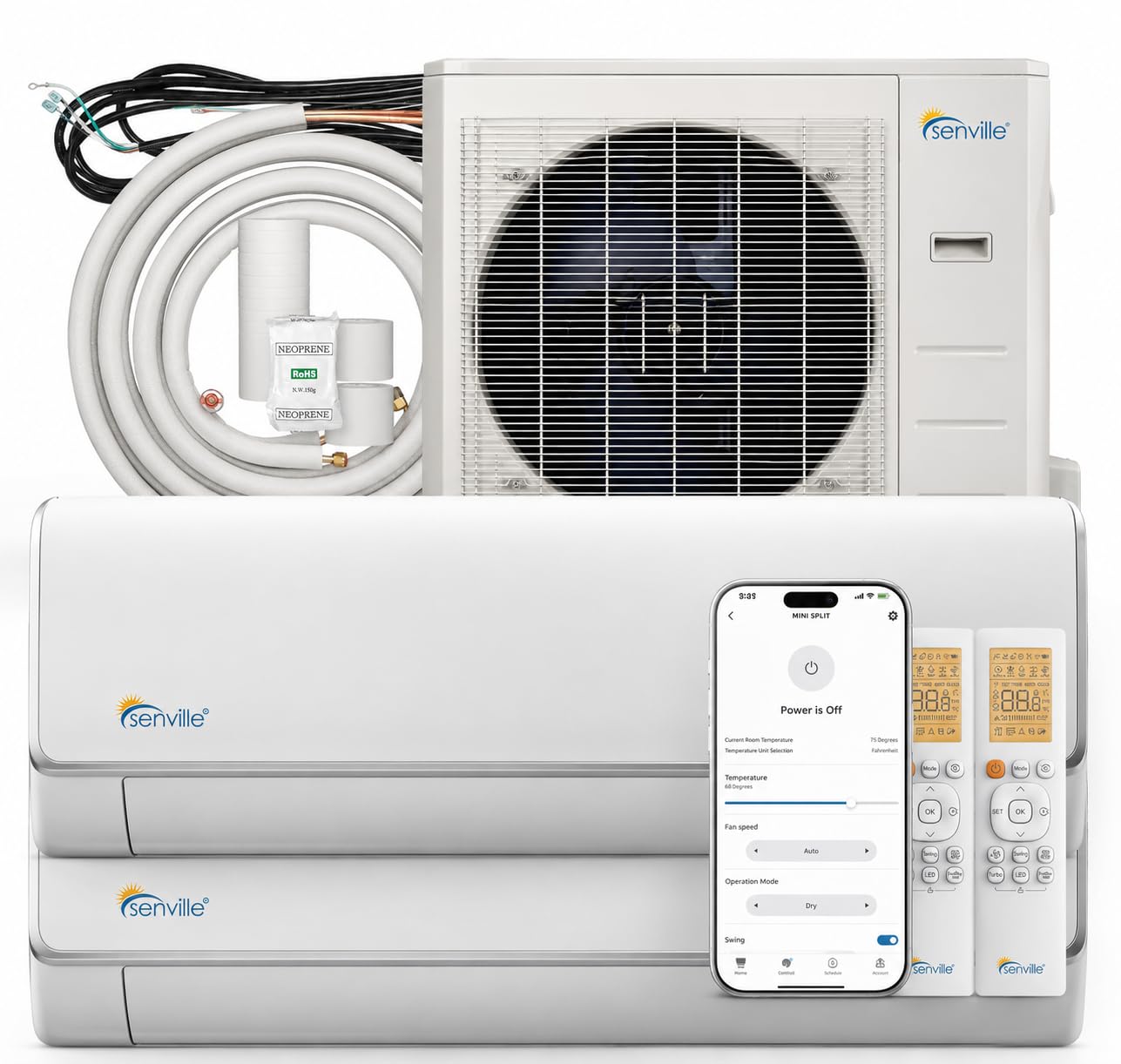
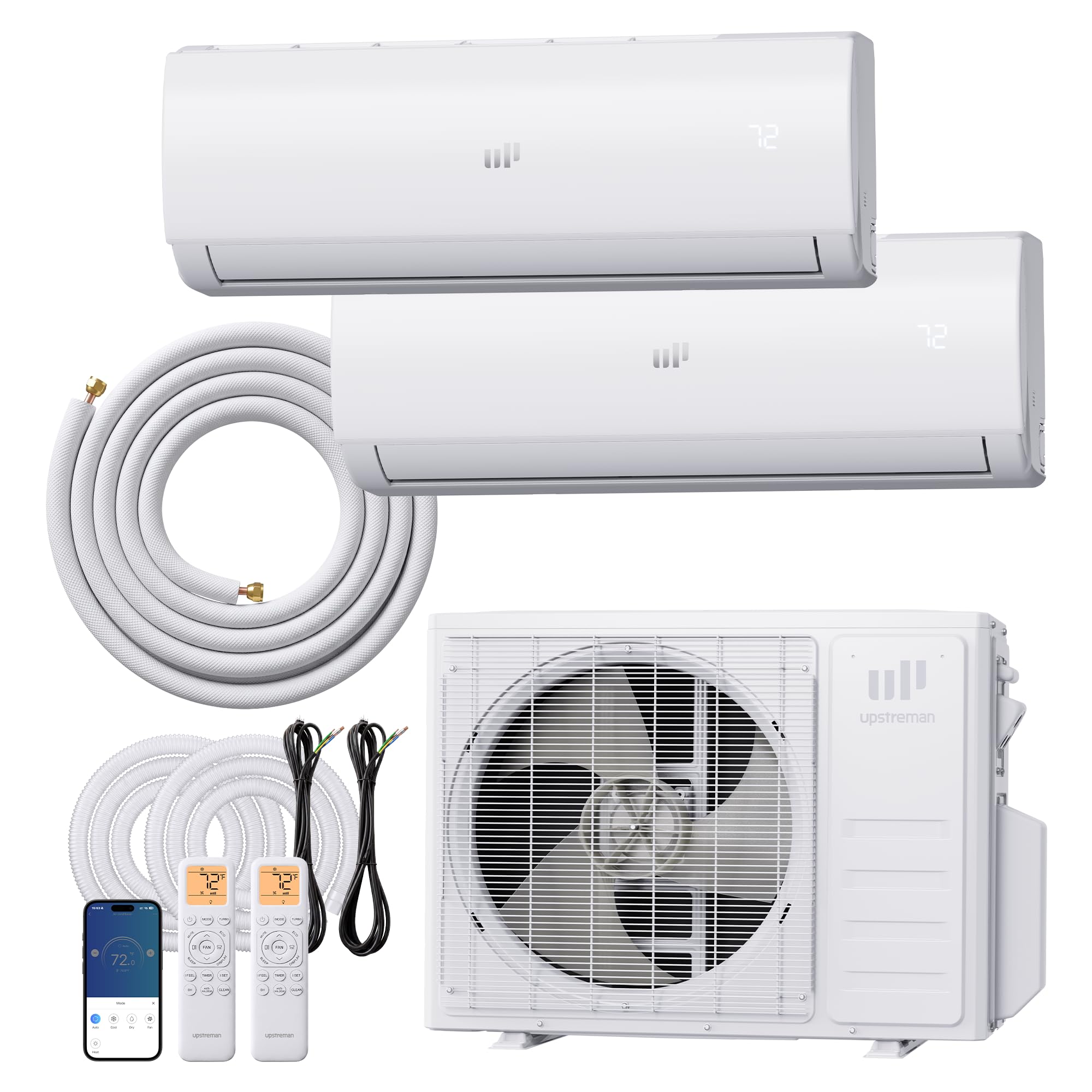
A 2 zone ductless system uses one outdoor condenser linked to two indoor air handlers, each with its own control. The system types compared below line up side by side. If you are still weighing a single zone layout, our broader guide to the best mini split gives helpful background.
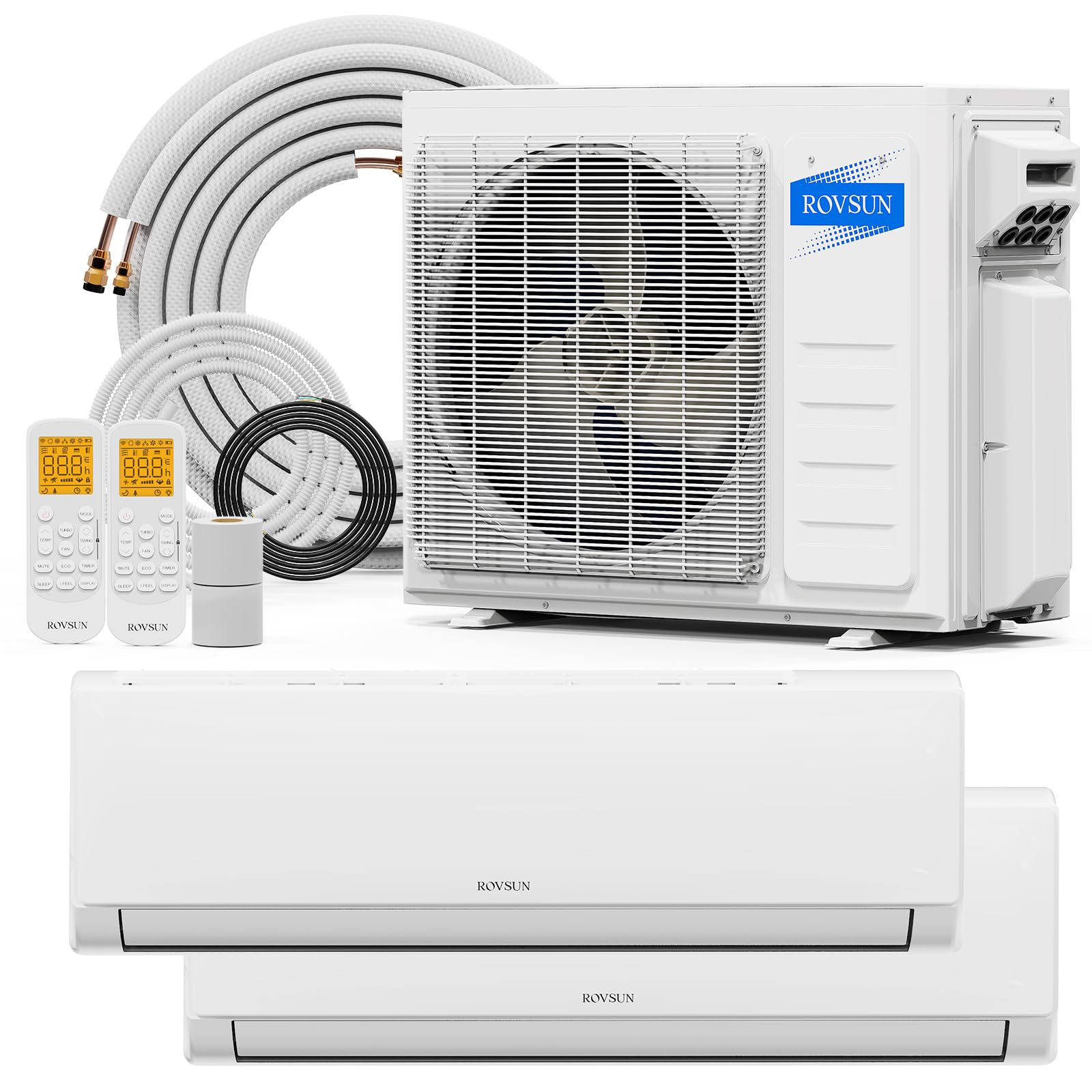
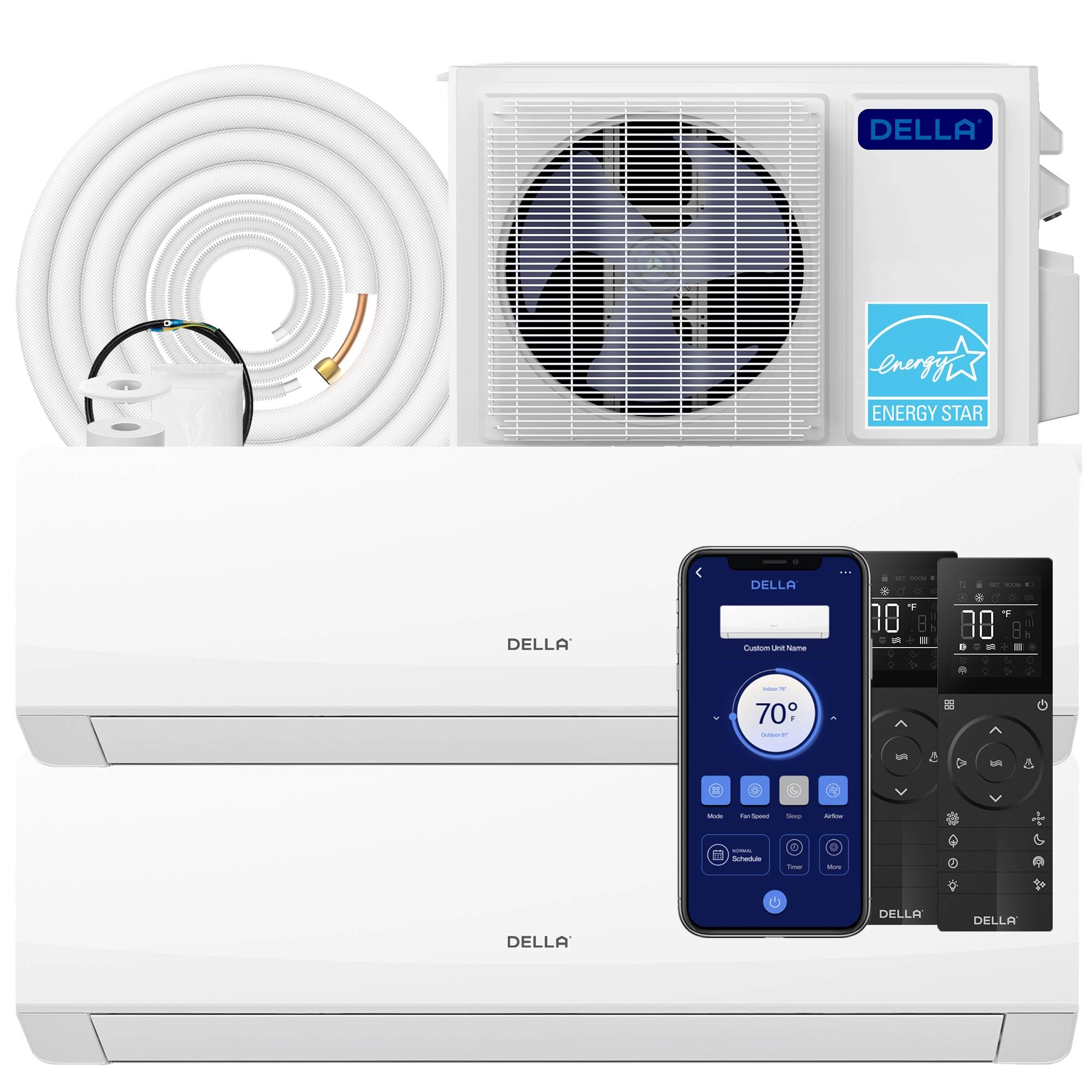

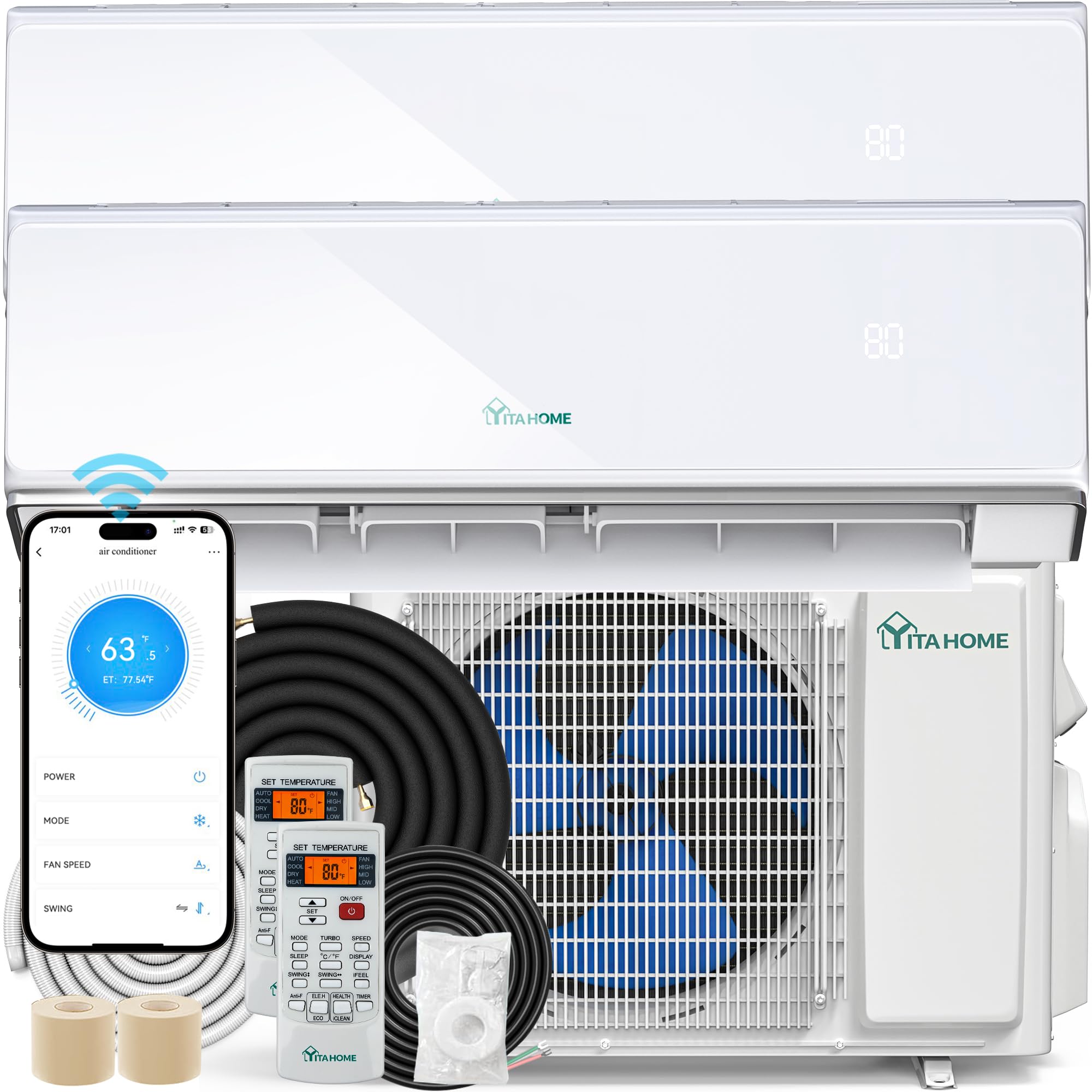
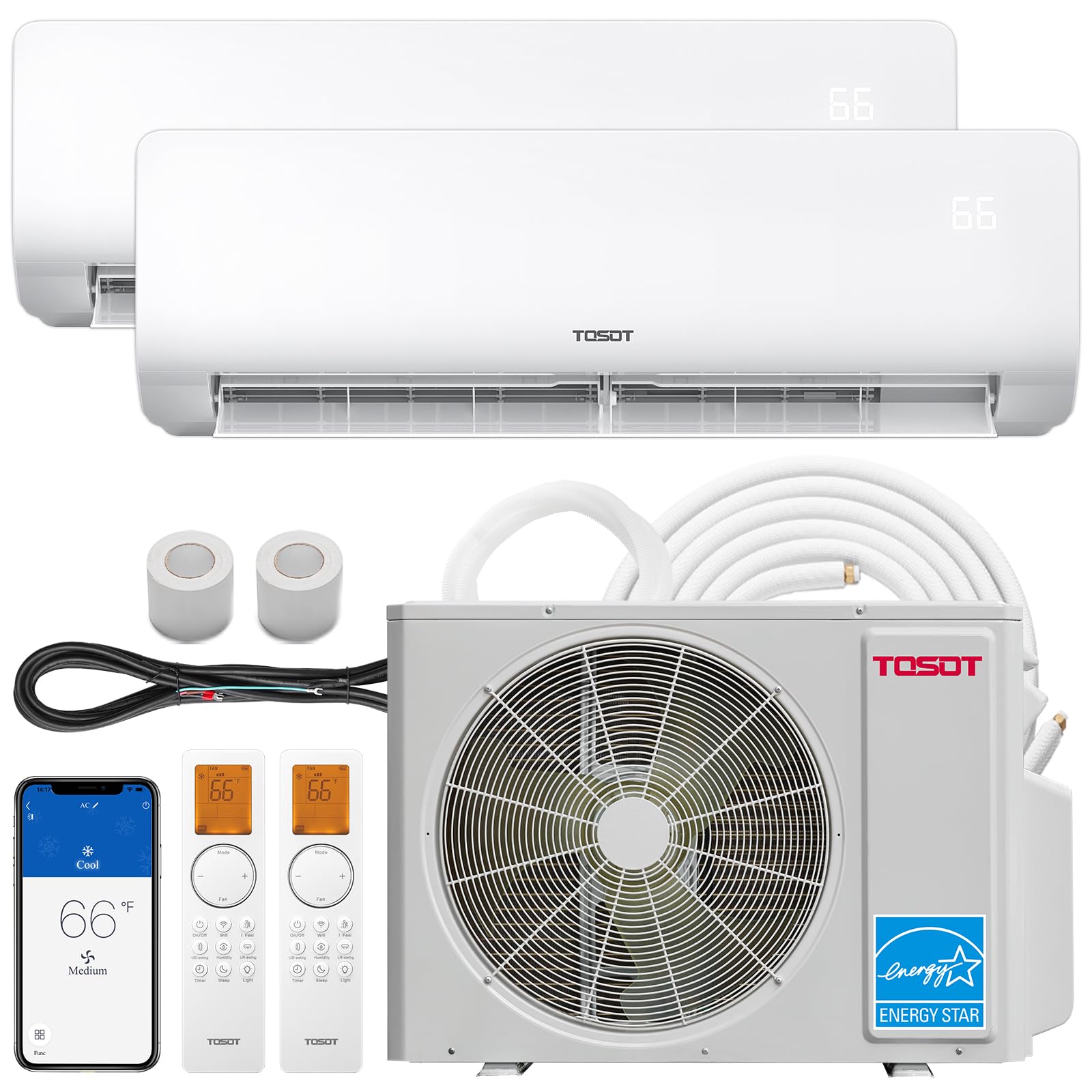
Who Should Buy a 2 Zone Mini Split?
You are a strong candidate when exactly two spaces need conditioning and your home lacks ductwork, or when extending ducts would cost far more.
Homes With Two Distinct Living Areas
You might cool a main living room during the day and a primary bedroom at night, with little overlap between the two schedules. A 2 zone system lets you run only the handler in the room you are using, which trims wasted energy. Separate controls mean each person can set a preferred temperature without affecting the other space.
Additions, Garages, and Converted Spaces
A new addition, a finished attic, or a converted garage often sits far from the existing heating and cooling equipment, and running new ducts there can be disruptive and costly. Two handlers can cover, for example, a workshop and an office above it, or a guest suite plus a nearby studio, all from one outdoor unit.
Households That Want Independent Temperatures
Partners who sleep at different temperatures, a home office that heats up from computers, or a nursery that needs steady warmth all benefit from separate zone control. Each handler adjusts its own output as conditions change, thanks to inverter technology that varies compressor speed instead of switching fully on and off. That steady modulation also helps keep humidity more even.
Types of 2 Zone Systems Compared
Instead of chasing individual model names, compare system types first, because the type shapes price, installation effort, and daily comfort more than small feature differences do. Wall mounted handlers are the most common choice and suit most rooms. Floor mounted units work well under windows or in rooms with low walls, such as attics with sloped ceilings. Ceiling cassette units sit flush in a ceiling and spread air in four directions, which suits larger open areas but demands enough ceiling depth.
Systems also split by installation style. Pre charged do it yourself kits let a confident homeowner mount handlers and connect sealed line sets without handling refrigerant directly, and our guide to the best diy mini split explains that route in detail. Pro installed systems arrive uncharged and need a licensed technician to evacuate lines and set the charge. That labor raises cost, yet it often brings longer warranty coverage.
Key Features to Compare
Judge every system against the same short list: total capacity, indoor unit options, heating performance, efficiency, noise, and controls. Spec sheet figures let you compare fairly without relying on sales claims.
Total Capacity and How It Divides Between Zones
Total capacity, rated in BTU, tells you how much heating and cooling the outdoor unit can deliver when both zones call at once. Common totals run from about 18000 BTU to about 36000 BTU, paired with handlers such as 9000 BTU plus 12000 BTU, or two equal 18000 BTU units. If both handlers peak together on the hottest afternoon, an undersized condenser will ration output and both rooms will drift warm, so match the combined load first.
Indoor Unit Types and Placement Options
Each zone can often use a different handler style, so you might pair a wall mounted unit in a bedroom with a ceiling cassette in a large living area. Placement affects comfort more than many buyers expect. A handler aimed across a long room gives even coverage, while one tucked in a corner can leave far seating areas warm. Keep handlers away from direct sun, because the built in sensor reads local air and may cycle early in a warm pocket near a lamp.
Heat Pump Performance in Cold Weather
Most 2 zone systems are heat pumps, which heat in winter by moving heat indoors rather than creating it with electric strips. Standard models lose capacity as outdoor air grows colder, while cold climate designs keep delivering useful heat at much lower temperatures. If winter heating is your main reason for buying, compare rated heating output at low temperatures, not just the headline BTU figure, and browse our guide to the best heat pump mini split for deeper advice.
Energy Efficiency and Running Cost
SEER2 ratings describe cooling efficiency and HSPF2 ratings describe heating efficiency, and higher numbers mean lower running cost for the same comfort. Inverter compressors help here, because they slow down once a room reaches its set point instead of restarting at full power many times each hour. Running cost still depends on your electricity rate, insulation, and summer settings. A modest rating in a well insulated home can cost less than a top rating in a drafty one.
Noise Levels for Bedrooms and Living Spaces
Indoor noise is quoted in decibels at each fan speed, and the lowest speed matters most for sleep. Quiet handlers can run in the low 20s decibel range on their softest setting, similar to a whisper, while high fan speeds are noticeably louder. Outdoor units are louder still, often around 50 to 60 decibels, so placement away from bedroom windows protects everyone. Check both figures rather than trusting a single headline number.
Controls, WiFi, and Smart Features
Every handler ships with a remote, but WiFi control adds scheduling, temperature changes from your phone, and filter alerts. Voice control can help when your hands are full, though it adds setup time. More valuable for most owners are practical tools: a sleep mode that eases temperature overnight, a timer for pre cooling before you arrive home, and a display you can dim so light does not disturb sleep.
How to Choose the Right Size for Each Zone
Sizing starts with floor area, then adjusts for ceiling height, sun exposure, and insulation. As a rough guide, a 9000 BTU handler suits about 350 to 400 square feet, a 12000 BTU handler suits about 450 to 550 square feet, and an 18000 BTU handler suits about 750 to 1000 square feet in a typical insulated home. Rooms with large west facing windows or vaulted ceilings need the next size up.
Add the needs of both zones, then choose an outdoor unit rated at or slightly above that combined figure. Avoid large oversizing, because excess capacity can satisfy the thermostat quickly and leave summer humidity behind. For a step by step worksheet, see our explainer on what size mini split do i need. When your rooms differ greatly in size, an uneven pairing usually fits better than two identical units.
Is a 2 Zone Mini Split the Right Fit for You?
A 2 zone system fits when two spaces need conditioning now and you have no plan to add a third space soon, because expanding later often means replacing the outdoor unit. If only one room needs help, a single zone system costs less. If your whole home already has good ducts, the comparison in mini split vs central air can help you weigh duct losses and cost before you commit.
Budget honestly for the full job. Equipment alone is often about $1600 to $3500, and a full pro installation can bring the total to about $3000 to $7000 depending on line set length, electrical work, and local labor rates. Do it yourself kits cut labor but may still need an electrician for a new circuit and disconnect, which local codes commonly require.
Common Mistakes to Avoid
- Sizing both handlers the same when the rooms differ greatly, which leaves the larger room short on capacity at peak load.
- Choosing the outdoor unit by handler size alone and ignoring the combined rating, which causes both zones to underperform on the hottest days.
- Mounting a bedroom handler where its air stream blows straight at the bed, which creates drafts and restless sleep.
- Skipping a dedicated electrical circuit and disconnect, which can fail inspection and may void warranty coverage.
- Forgetting the condensate drain route, which leads to water stains when a handler has no clear downhill path for drainage.
- Buying on headline BTU alone without checking low temperature heating output, which leaves a cold climate home short of heat in midwinter.
How to Make Your 2 Zone Mini Split Last Longer
Basic care is simple. Rinse or vacuum the washable filters in each handler about once a month during heavy use, because clogged filters cut air flow and force the system to work harder. Keep the outdoor unit clear of leaves, grass, and snow, with open space around it. Run each zone briefly every few weeks in mild seasons so valves and fans stay exercised.
Once or twice a year, inspect the indoor coils and blower wheel for dust and clean them gently, or book a pro deep clean if buildup is heavy. Our step by step guide on how to clean a mini split covers safe cleaning in detail. Call a technician if you notice ice on lines in summer or one zone that steadily loses capacity, because those signs can point to low refrigerant.
FAQ
What should you look for in a 2 zone mini split?
Start with correct combined capacity for both rooms, then check heating output at your typical winter low, SEER2 and HSPF2 ratings, and the lowest indoor noise figure for the bedroom zone. Confirm that parts and service are available locally, because even a well built system needs support over a long life. A warranty that covers the compressor longer than other parts is a practical tiebreaker.
Can a 2 zone mini split heat and cool at the same time?
On most residential systems, no. Both zones share one refrigeration circuit, so the whole system runs in either heating mode or cooling mode at any given moment. One room can be off while the other runs, and each room keeps its own temperature within that mode. Simultaneous heating in one space and cooling in another requires commercial heat recovery equipment.
How long does a 2 zone mini split last?
With regular filter care and an annual inspection, many systems serve for about 15 to 20 years. Coastal air, heavy dust, and constant full load running can shorten that span, while mild climates can extend it. Keeping the outdoor coil clean and its air flow unblocked does more for lifespan than any other single habit at home.
Is a 2 zone mini split worth the cost?
It is usually worth it when two rooms need conditioning and ductwork is absent or in poor shape, because you gain zone control and avoid duct losses in attics and crawl spaces. It is harder to justify when one room is rarely used, since a single zone system plus a small supplemental heater may cost far less to buy and run.
How often should you clean a 2 zone mini split?
Beyond monthly filter rinsing, plan a deeper coil and blower cleaning about once a year, or twice a year in dusty homes or homes with pets. Watch for a sweet or sour odor when a handler starts, because odor often appears before visible mold does. Cleaning at the first hint of odor is easier than waiting until air flow drops.
What makes a 2 zone mini split reliable?
Reliability comes less from a badge and more from correct sizing, careful installation, and local support. A system installed with sound connections, a full vacuum on the lines, and the correct refrigerant charge will outlast a carelessly installed unit from any maker. Ask installers how many multi zone jobs they complete each year, and favor firms that register the warranty for you.
Final Thoughts
The right choice balances combined capacity, heating strength for your climate, quiet bedroom operation, and an installation plan that fits your budget. Use the product table above to compare types against those priorities. Pick the best 2 zone mini split for your two rooms by matching each handler to its space, and you will get steady comfort for years.