Best 2 Stroke String Trimmer in 2026: Buying Guide and Top Picks
Disclosure: We may earn a commission when you buy through links on this page, at no extra cost to you. As an Amazon Associate I earn from qualifying purchases. Learn more

What to look for in the best 2 stroke string trimmer: the main types, key features, realistic price ranges and mistakes to avoid before you order.
A 2 stroke trimmer asks more of you than a battery model does. You mix fuel, you manage a pull start, and you accept more noise and exhaust in exchange for strong power and long run time. Choosing the best 2 stroke string trimmer for your yard means matching engine size, shaft style, and weight to the growth you cut, and the product table below lets you compare current models side by side.
This guide walks through the main types, the specs that actually change how a trimmer feels in your hands, and the upkeep that keeps a small 2 stroke engine starting season after season. If you are still weighing trimmer styles in general, our guide to the best string trimmer gives the wider picture before you narrow in on gas power.



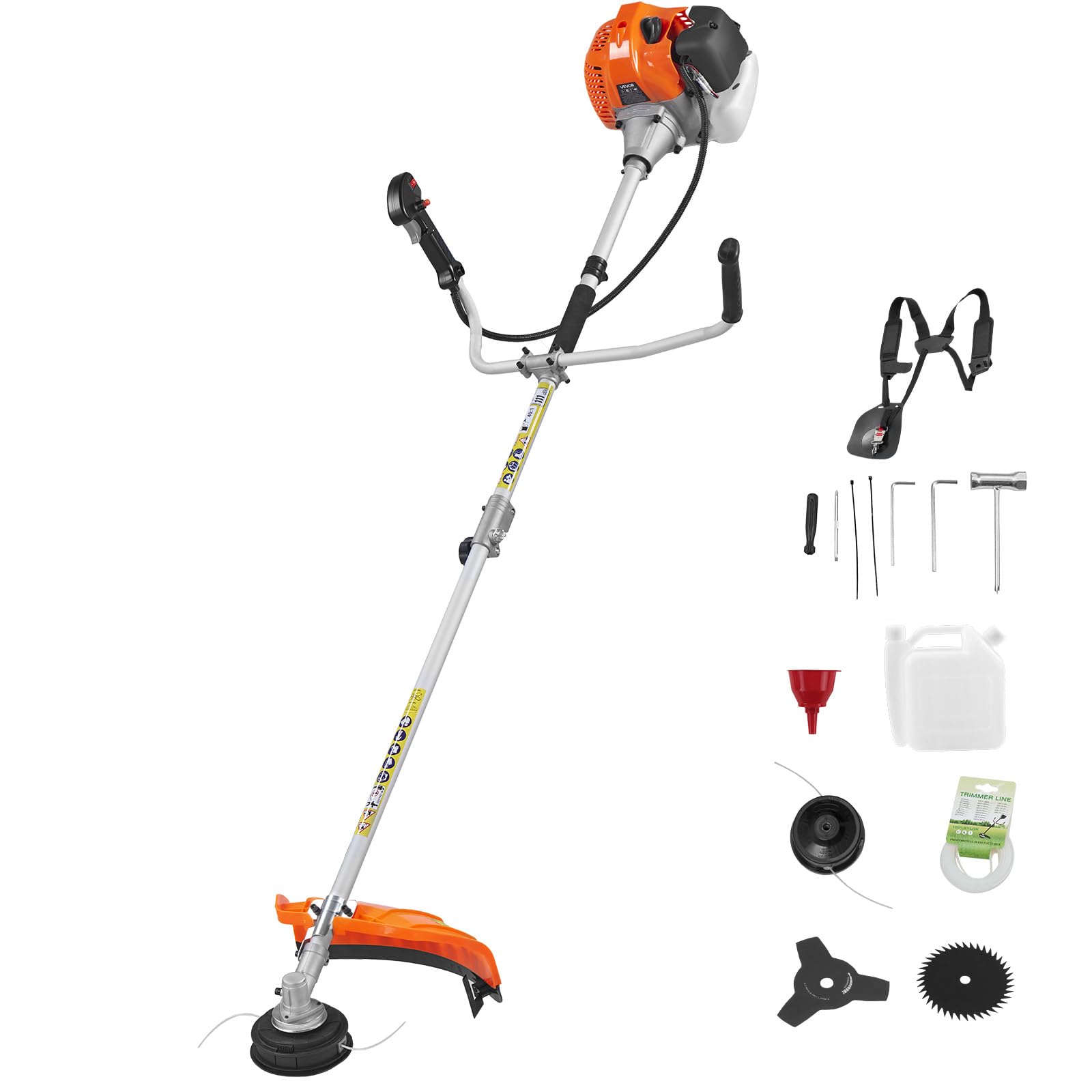
The Main Types Compared
Nearly every 2 stroke model falls into one of three groups, and the group matters more than small spec differences. Picking the right group first saves you paying for reach you will never use.
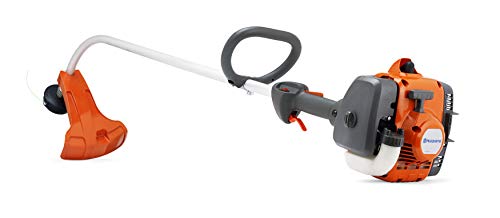
Curved shaft trimmers
A curved shaft keeps the machine short and light, and the head sits at an angle that suits flat lawn edges and small yards. The trade off is reach. Taller users often stoop, and the curved drive cable tolerates less torque, so these models suit light grass rather than thick weeds or brush blades.
Straight shaft trimmers
A straight shaft uses a solid drive shaft or a sturdier cable, so it handles more power and reaches under fences, decks, and shrubs without you bending as far. Most mid range and heavy duty models use this layout, and it is the safer default for mixed yards.
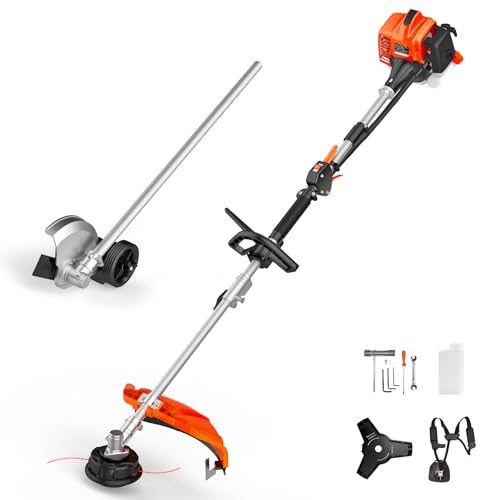
Attachment capable trimmers
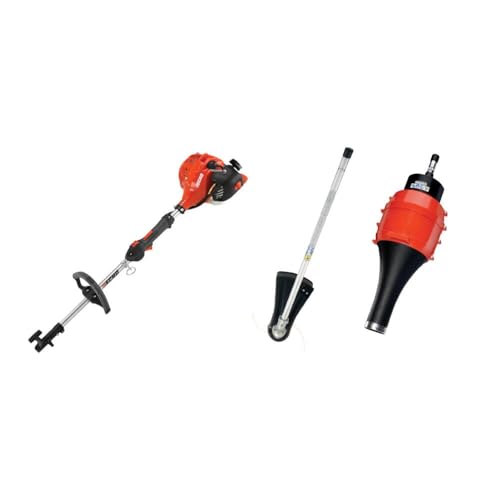
These models have a split shaft with a coupler, so the lower end swaps between a trimmer head, an edger, a pole saw, or a brush cutter. One engine powers several tools, which saves storage space if you truly use the extras. The coupler adds a little weight and one more joint to keep clean and tight.
How to Compare 2 Stroke Models
Compare models on five criteria drawn from maker spec sheets and owner feedback: build materials and weather resistance, size and capacity, assembly effort, durability, and warranty length. A longer engine warranty signals maker confidence, so it counts in your favor when two models otherwise look alike.
How to Choose the Right String Trimmer
Engine size and power
Displacement, measured in cubic centimeters, is the quickest guide to strength. Engines around 21 to 25 cc handle lawn grass and light weeds with less weight and fuel use. Engines around 26 to 28 cc add reserve power for tall, wet growth, while models at 30 cc and above suit brush work but feel heavy during long sessions. Buy for the thickest growth you cut often, not the worst patch you see once a year.
Cutting swath and line head
Swath is the width of the cutting path, usually about 15 to 18 inches on 2 stroke models. A wider swath clears open ground faster, while a narrower one gives you control near flower beds and fence posts. Line diameter matters just as much. Thin line around 0.065 to 0.080 inch cuts fine grass cleanly, and thicker line around 0.095 to 0.105 inch survives coarse stems. Match the line to the head rating, because line that is too thick overloads a small engine and line that is too thin snaps and wastes your time.
Weight, balance, and vibration
A 2 stroke trimmer typically weighs about 9 to 14 pounds dry, before fuel. What matters more than the number is balance. The machine should rest near level in your hands, so your arms guide it rather than carry it. Padded handles and an anti vibration mount reduce the buzz that numbs hands during long sessions. If you trim for more than about 30 minutes at a stretch, check owner comments about balance before you commit.
Weather resistant materials
Rain showers, sprinklers, and damp sheds all attack a trimmer slowly. Look for a coated metal shaft rather than bare steel, sealed switch housings, and a fuel tank that resists cracking in sun. Rubber primer bulbs and fuel lines degrade first, so models that route them away from direct sun and heat age better. A dry storage spot does more than any coating, but sound materials buy you margin when storage is less than perfect.
Starting system and controls
Most 2 stroke trimmers start with a recoil pull cord, and designs differ in how much effort that takes. Spring assisted starters and primer bulbs that fill properly make cold starts far less frustrating. A choke with clear markings and a throttle lock both help new users. If a shoulder or back issue limits your pulling strength, weigh starting effort heavily, because a trimmer that fights you on every cold start will sit unused.
Features worth paying for
A few extras earn their cost. A head that reloads line from outside without disassembly saves real time in the yard. A translucent fuel tank lets you check the level at a glance, and a shoulder strap point helps on sloped or large properties. Skip bundled attachment sets you have no plan to use, and be cautious with oversized line packages, since line dries out and turns brittle in storage.
Assembly, Setup, and Safe Starting
Most models arrive with the shaft, guard, and handle to fit. Assembly usually means joining the shaft sections, bolting on the debris guard, and setting the handle position for your height. The guard is not optional decoration. It sets line length with its cutoff blade and shields your legs from thrown stones, so fit it before the first start.
Fuel mixing is the one setup step unique to 2 stroke engines. The engine oil mixes directly into the gasoline at the ratio the maker prints on the cap or manual, often 50 to 1. Measure the oil, add it to fresh fuel in a separate can, and shake before filling. For starting, set the choke, press the primer bulb until it fills, pull until the engine fires, then ease the choke off. Always wear eye protection, hearing protection, long pants, and closed shoes, and keep people and pets at least 50 feet away while you work.
2 Stroke vs Other String Trimmers: Pros and Cons
The strengths of a 2 stroke engine are power for its weight, simple construction with few moving parts, and run time limited only by the fuel in your can. The costs are real too. You mix and store fuel, the engine is loud, exhaust smell clings to clothes, and cold starts demand a routine. Maintenance is more involved than wiping down an electric model.
Four stroke gas engines run quieter and use straight gasoline, but they weigh more and cost more to repair. If you want gas run time with simpler fueling, the wider best gas string trimmer category covers both engine types. Battery models win on quiet starts and low upkeep, and the best battery string trimmer options now handle average lawns well. For a direct side by side of running costs and upkeep, see gas vs battery trimmer before you decide which camp fits your yard.
- Choose 2 stroke if: you cut thick weeds, work far from an outlet, or want the lightest gas option for its power.
- Choose battery if: your yard is small to average, noise rules are strict, or you dislike fuel mixing and engine upkeep.
- Choose 4 stroke gas if: you want long run time without mixing oil into fuel and accept extra weight.
Common Mistakes to Avoid
- Mixing fuel by guesswork instead of the printed ratio, which starves the engine of oil or fouls the plug with too much.
- Running line thicker than the head rating, which strains the clutch and makes the engine bog down in light grass.
- Removing the debris guard to gain swath, which lets the line run long, overloads the engine, and throws stones at your legs.
- Storing the trimmer with old mixed fuel inside, which gums the carburetor and turns the first spring start into a repair job.
- Ignoring the air filter until starting gets hard, since a clogged filter richens the mixture and coats the plug with carbon.
- Cutting with dull, brittle line from last season, which tears grass instead of slicing it and leaves ragged, browning tips.
Care and Off Season Storage
Routine care is short but regular. After each session, knock grass from the guard and head, and wipe the shaft before buildup hardens. Our walkthrough on how to clean a string trimmer covers the deeper clean for the head and cooling fins. Check the spark plug each season, clean or replace the air filter as the manual directs, and grease the gearbox at the head if your model has a grease fitting.
For off season storage, run the engine until the fuel system is empty or add stabilizer to fresh fuel and run it through, exactly as your manual advises. Store the trimmer dry, with no weight resting on the head. Keep leftover mixed fuel for no more than about a month or two, because stale mix is the most common cause of poor running in spring.
FAQ
What is the best 2 stroke string trimmer?
The right answer depends on your thickest growth and how long you trim at once. A lighter 21 to 25 cc straight shaft model suits most lawns, while heavy weed work calls for more displacement. One tie breaker buyers overlook is the local dealer and parts network. A model with easy parts access near you beats a slightly stronger model that leaves you waiting weeks for a simple wear part.
Are 2 stroke string trimmers worth it?
They are worth it when you cut beyond what a battery handles comfortably, or when you already own other 2 stroke tools that share the same fuel mix. One can of mix then serves every tool, which simplifies your shed routine. If your trimming is ten minutes of lawn edge each week, the fuel mixing and engine upkeep buy you power you will never use, and a simpler power source makes more sense.
How long does a 2 stroke string trimmer last?
A cared for homeowner model often runs for many seasons of regular use, and pro grade engines last far longer. Life shortens fast with stale fuel and dirty filters. The clearest end of life sign is fading compression, felt as a pull cord that suddenly turns easy while the engine refuses to hold power. At that point repair costs approach replacement cost on entry level models, so weigh the repair quote honestly.
Is a string trimmer worth it if you already own a mower?
Yes, because a mower cannot reach fence lines, tree bases, and bed edges without scalping or leaving tall tufts. A trimmer also protects tree bark and fence wood, since mowing too close bangs the deck against them. If you are unsure, renting one for a weekend of cleanup shows you the difference before you buy.
How do you clean a 2 stroke string trimmer without damaging it?
Clean little and often rather than deep and rarely, because fresh grass wipes off easily while baked on buildup needs scraping. Let the engine cool fully first, and brush debris from the cooling fins so the air cooled engine keeps its airflow. Never use a pressure washer on the engine or carburetor area, since forced water enters bearings and the air box and causes starting trouble later.
What is the most reliable 2 stroke string trimmer brand?
No single brand wins for every buyer, because reliability tracks maintenance habits and fuel quality more than the badge. A better test is wear part access. Primer bulbs, fuel lines, filters, and plugs wear out on every brand, so choose a make whose parts your local shops stock on the shelf. A trimmer you can repair the same day is, in practice, the most reliable one.
Final Thoughts
Match the engine to your thickest growth, pick the shaft style that fits your yard, and respect the fuel mixing routine, and a 2 stroke trimmer will serve you for years. The product table above pulls the key specs together so you can compare the contenders at a glance. For most buyers, the best 2 stroke string trimmer is the lightest straight shaft model that still pulls thick line through your worst weeds.