Best 2 Lb Bread Machine in 2026: Buying Guide and Top Picks
Disclosure: We may earn a commission when you buy through links on this page, at no extra cost to you. As an Amazon Associate I earn from qualifying purchases. Learn more

What to look for in the best 2 lb bread machine: the main types, key features, realistic price ranges and mistakes to avoid before you order.
You want fresh bread for sandwiches, toast, and dinner, but you do not want another large appliance taking over the kitchen. Choosing the best 2 lb bread machine comes down to your counter space, how many people eat bread each week, and how much of the work you want the machine to handle. The product table below the intro lets you compare current models so you can narrow your choice fast.
This guide covers loaf size, pan shape, useful settings, power use, safety marks, and the real cost of owning one. If you are still weighing the category as a whole, our guide to the best bread machine gives the wider picture.

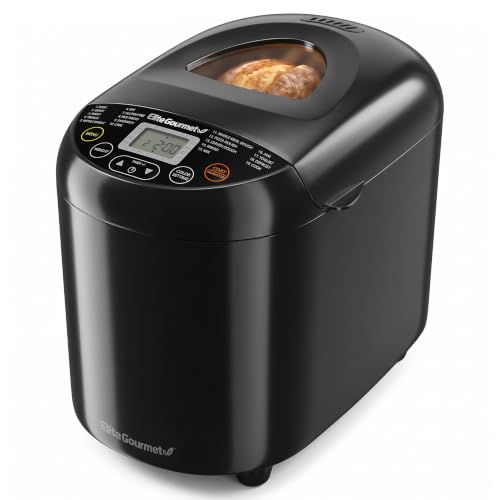


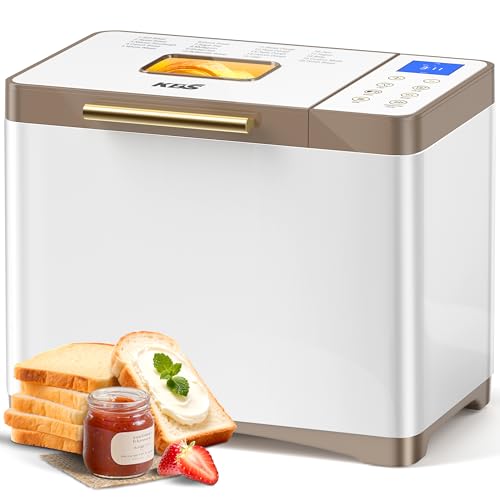
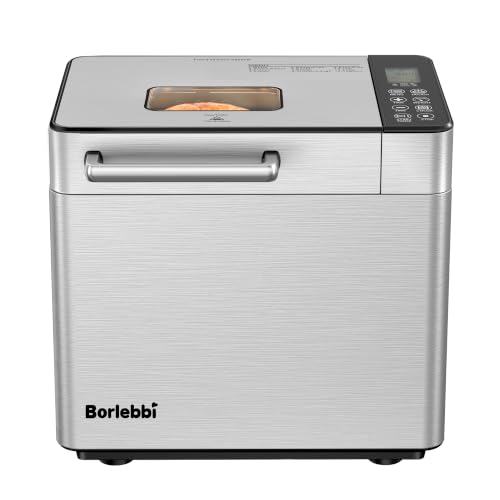


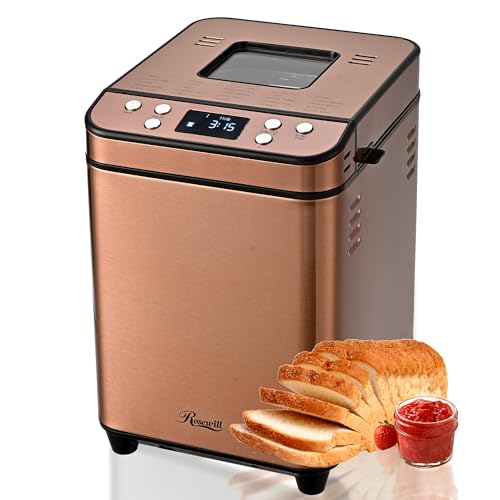
Quick Answer: The Short Version for Busy Homes
A 2 lb machine suits most households of three to five people who bake at least once a week. Pick a vertical pan if counter depth is tight, a horizontal pan if you want classic slices, and a programmable model with a dispenser if you bake on a timer often. Spend more only when it buys a sturdier pan, a longer warranty, or settings you will truly use.
Before You Buy: A Quick Checklist for Choosing a Bread Machine
Work through the points below in order. Size and fit come first, because fine settings cannot help a machine that crowds your counter or makes more bread than you can eat.
Size: Match It to Your Space and Your Appetites
Loaf sizes run from 1 lb up to 2.5 lb, and the number describes the finished loaf weight, not the size of the machine. A 2 lb loaf gives roughly 12 to 16 slices, which feeds most families for two to three days of toast and sandwiches. Many 2 lb models also offer smaller loaf settings, so check the list if you want one machine that can scale down on quiet weeks and scale up for guests.
Which Type Fits Your Routine
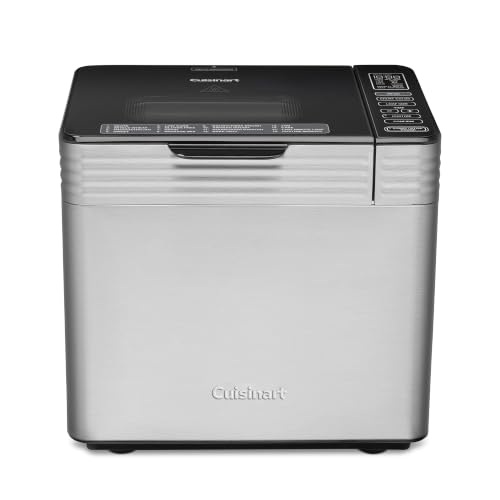
Programmable models let you set the cycle and walk away, which suits school mornings and workdays. Stainless steel housings wipe clean fast and shrug off flour dust. Horizontal pans make a long loaf, while vertical pans make a tall one, and that shape choice is covered below. Dual paddle designs knead a large dough ball more evenly, and compact bodies trade some loaf height for a smaller footprint. Match the type to the routine you actually keep.
Features Worth It, and Ones to Skip
A gluten free setting matters if anyone at home avoids gluten, because that dough needs a shorter rise and gentler handling. A dough setting is worth having if you shape rolls or pizza bases by hand and bake them in your oven. A jam setting earns its place only in homes that make preserves each season, and a nut dispenser helps if you love seeded loaves on a delay start. Skip long lists of specialty cycles for cakes and yoghurt if you already own tools for those jobs.
Wattage, Power, and Energy Use
Most home bread machines draw about 500 to 800 watts, and a full bake cycle runs for roughly three to four hours, though the heating element cycles on and off rather than drawing full power throughout. Total energy per loaf is modest, often less than running a full size oven for one loaf. Wattage alone does not tell you how well a machine bakes, so treat it as a running cost clue rather than a quality score.
Safety Features and Certifications
Look for a UL or ETL listing on the label, which means the electrical design has been evaluated by a recognized lab. Stable feet matter because a kneading machine can creep across a smooth counter early in the cycle. A lid that stays put and a vent that directs steam away from cupboards make daily use calmer. Let the machine cool before you move it, because the pan and housing stay hot long after the cycle ends.
Counter Space and Dimensions
Measure depth and height before you order, including the height with the lid fully raised, because many models need several extra inches above the body. Typical 2 lb machines take a footprint near the size of a large toaster, but horizontal models run wider and vertical models run taller. Check the weight too, since a machine stored in a cupboard gets used far less if it is awkward to lift.
Realistic Budget Ranges
Under about $100, expect the core cycles, one paddle, and a thinner pan coating, which still makes good everyday bread. Between about $100 and $200, you usually gain a sturdier pan, more loaf size options, a delay start, and clearer controls. From about $200 to $300, the gains shift toward dual paddles, dispensers, longer warranties, and quieter kneading rather than better basic flavor. Above that level, judge hard whether the extras fit your routine.
Three Types of 2 Lb Bread Machines Compared
Compare the three shapes and styles below. Each makes the same size loaf, but slice shape, footprint, and daily feel differ a lot.
Vertical Pan Models for Tight Counters
A vertical pan bakes a tall loaf in a deep, narrow bucket, so the footprint stays small and fits a galley kitchen or a crowded apartment counter. Slices come out tall and a bit narrow, which works well for toast but can overhang a standard sandwich filling. The single paddle handles standard dough well, though stiff whole wheat dough may need a quick scrape of the corners mid cycle. Choose this type when storage space is your main limit.
Horizontal Pan Models for Classic Slices
A horizontal pan gives you the long, low loaf shape most people picture, with even slices for sandwiches and a crust that browns along a broad top. These machines take more counter width, so measure your worktop before choosing one. Many horizontal models use two paddles, which move a full 2 lb dough ball with fewer unmixed corners. The wider pan also washes up more easily because you can reach the whole base with a sponge. Pick this type if slice shape matters more than saving counter space.
Programmable Models With a Dispenser for Busy Routines
A programmable model with a fruit and nut dispenser adds extras at the right moment and runs on a delay start, so a seeded loaf can finish as you wake. This style suits homes with a set weekday rhythm and people who want hands off results most of the time. The dispenser box is one more part to wash. If you rarely use a timer, the simpler types above will serve you just as well for less money.
How to Compare 2 Lb Bread Machines Fairly
Read the flour capacity in the manual rather than trusting the loaf size on the box, because brands rate capacity a little differently. Then compare pan shape, the cycles you will use weekly, crust settings, and whether spare pans and paddles are sold for that model. Warranty length and clear instructions matter more than a long feature list. Note noise ratings if you plan overnight runs, since kneading sounds carry in open plan homes.
Is a 2 Lb Bread Machine the Right Size for You?
This size fits homes that go through a loaf in two to three days and want leftovers for toast rather than waste. It also suits batch bakers who slice and freeze a whole loaf, then thaw slices as needed. If you live alone and eat bread slowly, the small loaf setting on a 2 lb model will keep each bake fresh. New bakers can start with our guide to the best bread machine for beginners and return to this size once basic recipes feel easy.
Sandwich loaves and whole wheat staples use the full capacity well, while rich doughs with lots of butter rise higher and may suit a smaller batch in the same pan. If you are asking is a bread machine worth it for your home, count the store loaves you buy each month, because regular baking is what repays the purchase.
Common Buying Mistakes to Avoid
- Buying the largest size for a small household, so the last slices go stale before anyone eats them.
- Measuring counter width but not the height with the lid open, so the machine will not fit under your cupboards.
- Paying for a long list of specialty cycles you will never use, while ignoring pan quality and warranty length.
- Ignoring the cost and availability of spare pans and paddles, so a worn coating later means replacing the whole machine.
- Choosing a vertical pan when you wanted classic sandwich slices, so every lunch needs trimming to fit.
Cost of Ownership and Care
Running costs stay low and predictable. Flour, yeast, salt, and a little oil or butter make up most of the per loaf cost, and electricity adds only a small amount on top. Budget for a spare paddle, since that part is the one most often lost down a drain or left stuck in a baked loaf. Pans wear over years of use, and a maker that sells spare pans extends the life of the whole machine. Store the pan dry and note the cycle you use most.
Before your first bake, read the manual on adding ingredients in the order the maker specifies, because liquid first or flour first depends on the design. Our walkthrough on how to use a bread machine covers that first loaf in plain steps. Wipe the housing once it cools, and never immerse the body in water.
Your Questions, Answered
How do you clean a 2 lb bread machine without damaging the pan?
Let the pan cool, then soak it in warm water for about 10 to 15 minutes so the paddle loosens and lifts off without force. Wash the pan and paddle with a soft sponge, because scouring pads strip the coating and later loaves will stick. If dough bakes onto the paddle shaft, turn the small drive at the base of the pan by hand while soaking. Dry every part fully before storage.
Can a 2 lb bread machine handle gluten free dough well?
Yes, if the model has a dedicated gluten free cycle, because that dough is more like a thick batter and needs one rise rather than the punching down used for wheat dough. Use a mix made for machines, scrape the sides once early in mixing, and expect a denser slice. For homes where every bake must be gluten free, compare dedicated options in our guide to the best gluten free bread machine before you decide.
Can a 2 lb bread machine make dough for sourdough style loaves?
A dough cycle can mix and proof a starter based dough, and you can then shape it and bake it in your oven for a crisper crust. Starter timing varies with room warmth, so watch the dough rather than the clock. Machines cannot manage the long, cool ferment that gives deep flavor, so treat the machine as a helper for the heavy work. See our guide to the best bread machine for sourdough for models and methods built around that style.
How long does a 2 lb bread machine usually last?
With weekly use, many home machines serve for about five to eight years, and the pan coating or paddle usually wears out before the motor does. Life shortens if you often bake stiff dough at full capacity, because that load strains the drive belt. Resting the machine between cycles and keeping vents clear of flour dust help it last longer. A maker that stocks spare pans makes those extra years realistic.
What size bread machine does a family of four need?
A family of four that eats toast at breakfast and sandwiches at lunch will finish a 2 lb loaf in about two days, which keeps this size in the fresh zone. If two of you are small children, the 1.5 lb setting may match your pace better on quiet weeks. Homes that bake once and freeze should stay with 2 lb, because slicing and freezing a full loaf wastes no capacity.
Final Thoughts
Match the loaf to your appetite, the footprint to your counter, and the features to the breads you bake each week, and the best 2 lb bread machine for your home becomes an easy call. Use the product table above to compare pan shape, settings, and price before you order. Then start with a simple loaf and build your routine from there.