
Best 17 Inch Laptops 2026: A Big Screen Buying Guide
Disclosure: We may earn a commission when you buy through links on this page, at no extra cost to you. As an Amazon Associate I earn from qualifying purchases. Learn more

Big screen buyers get clear tips on screen, keyboard, weight, and battery to choose the best 17 inch laptops for work, study, or play.
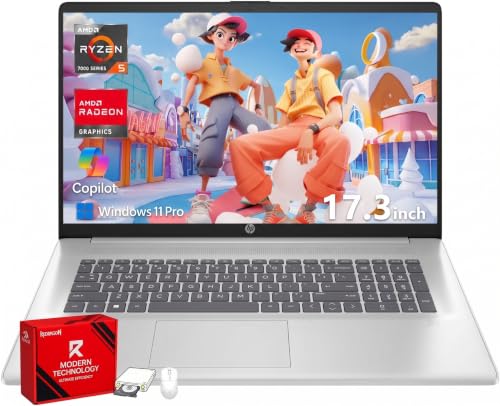
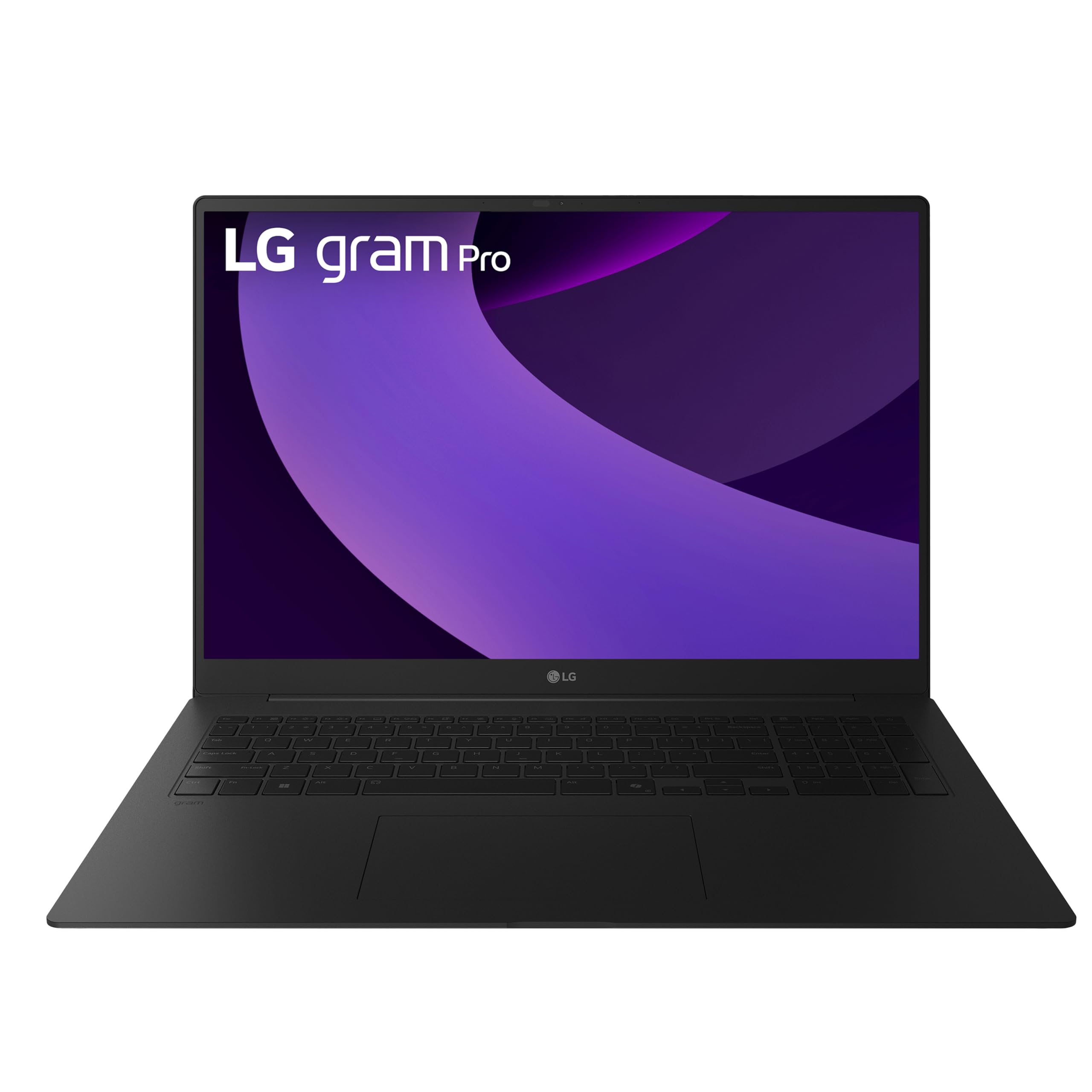
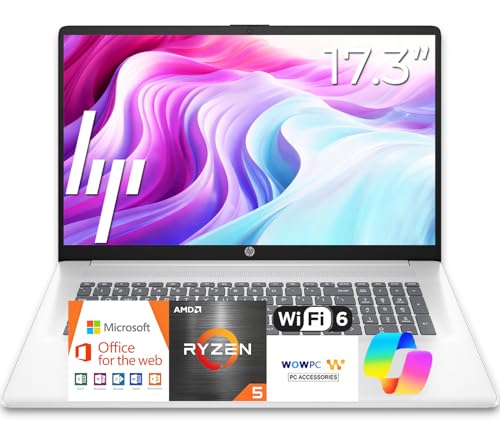
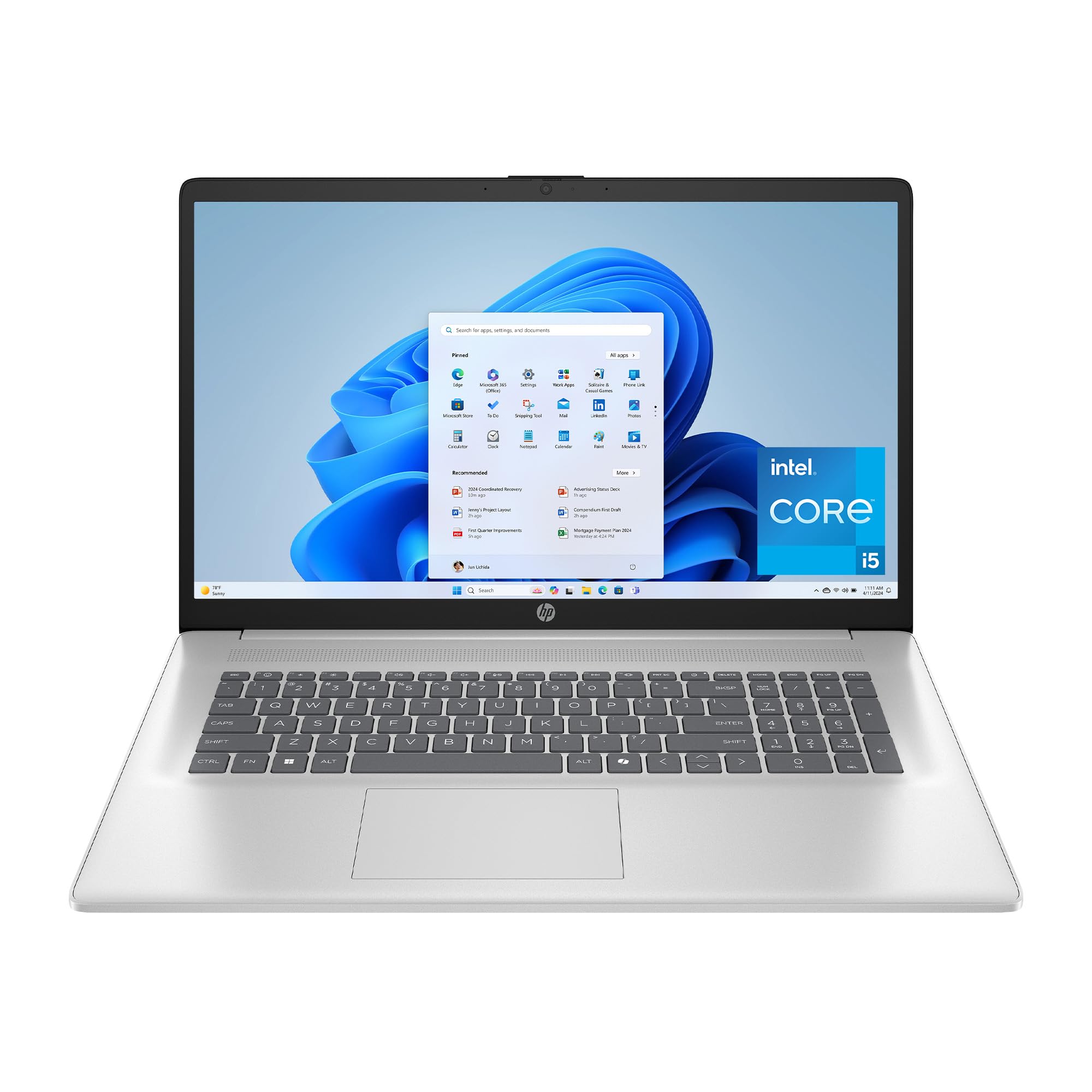
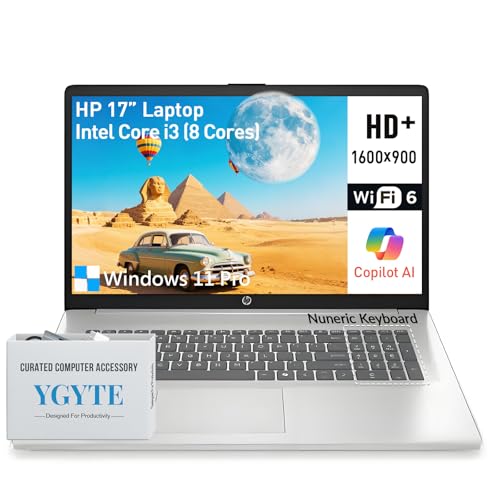
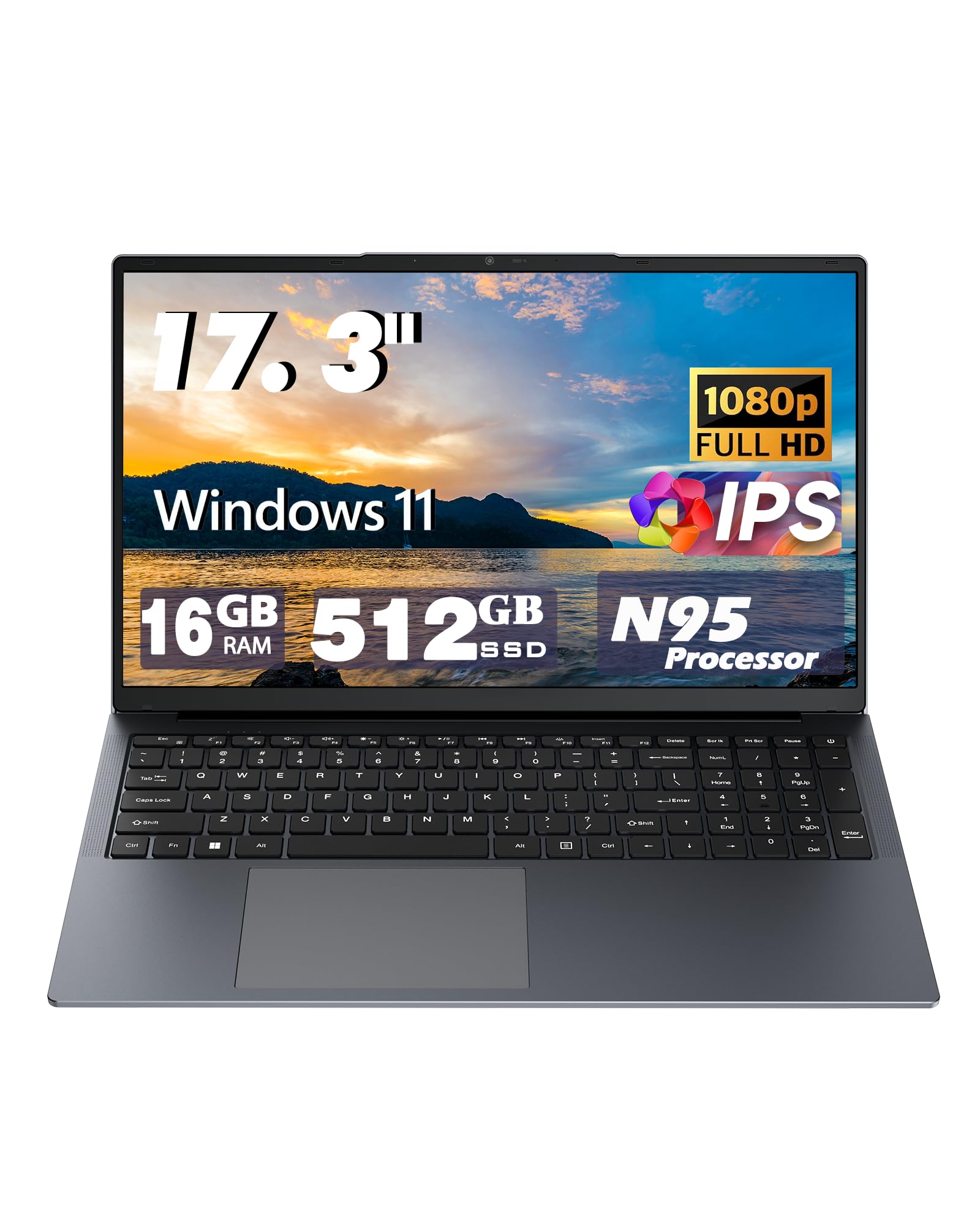
A large screen laptop can change how you work, because everything from spreadsheets to video timelines feels roomier and easier to read. If you spend long hours at a desk, a best 17 inch laptops guide can help you sort the practical choices from the marketing noise, so you focus on size, comfort, and performance that match your routine. The product table below gives a quick side by side view before you read the detail.
Before you fall for a bright display or a low price, think about where this machine will live and what you will do with it every day. A big laptop is wonderful on a desk but heavy in a backpack, and a powerful graphics chip is wasted if you mainly write documents and browse the web. This guide walks through screen quality, keyboard feel, ports, cooling, and battery life in plain language.


Who Benefits Most From a Large Screen Laptop
People who edit photos, cut video, build spreadsheets, or run several windows at once gain the most from extra screen space. You can keep a document open beside a browser, or a timeline beside a preview window, without constant switching and squinting. That extra room also helps older eyes and anyone who dislikes small text, since fonts and icons can stay at a comfortable size.
Students and office workers who move between home and a desk may still love a large screen, but they should weigh the trade off in weight and bag size. If you carry the machine daily on public transport, check the total carry weight with charger and case included. A lighter large model, or a smaller second device for travel days, can be a smarter pairing than one heavy machine for every trip.
Screen Quality: What to Look For Beyond Size
Size alone does not guarantee a pleasant screen, so check resolution, brightness, and color coverage in the specifications. A sharp full high definition panel suits everyday work, while a higher resolution panel helps photo and video work where fine detail matters. Brightness matters near windows, and a matte finish can reduce glare in bright rooms, while a glossy panel often looks punchier indoors.
Also consider refresh rate and viewing angles, especially if you watch video or play games in your spare time. A smooth refresh rate makes motion look cleaner, and wide viewing angles keep colors steady when someone watches beside you. If you work with color sensitive material, look for a panel that covers a wide color range and check whether the maker states a calibration option.
Keyboard, Trackpad, and Everyday Comfort
A large chassis usually allows a full size keyboard with a number pad, which is a real advantage for data entry, accounting, and spreadsheet work. Try to learn the key travel and spacing from reviews of the layout rather than the brand alone, and check whether the keys are backlit for evening work. A comfortable palm rest matters too, because your wrists rest there for hours each day.
The trackpad should feel smooth and large enough for gestures, and the speakers should be clear enough for video calls without headphones. Check the webcam position and quality if you join meetings often, since a poor camera can undermine an otherwise strong machine. Ports matter as well, so count USB ports, video outputs, and card readers against the accessories you already own.
Performance, Cooling, and Storage Choices
Match the processor and memory to your heaviest regular task, not to a rare peak task you do once a year. Office work and browsing run well on a mid range processor with generous memory, while video editing, 3D work, and modern games need a stronger processor, a dedicated graphics chip, and more memory. Storage should be solid state for speed, and a larger drive avoids constant file juggling.
Cooling deserves attention in a large laptop, because a thin design can trap heat during long renders or gaming sessions. Look for vent placement that is not blocked when the machine sits on your lap, and check fan noise expectations in everyday use. Battery life on a big screen model is often shorter than on a small ultrabook, so check real world battery claims and whether fast charging is supported.
Weight, Build, and Value Over Time
Weight, thickness, and build quality decide whether a large laptop feels like a desktop replacement or a portable tool. Metal chassis often feel sturdier and resist flex, while plastic bodies can be lighter and cheaper but may creak over time. Check hinge strength, lid stiffness, and whether the battery or memory can be serviced, since those details affect how long the machine stays useful.
Think about total cost, including a bag, a mouse, and possibly an external monitor for desk days. A slightly higher price can be good value if it buys a better screen, more memory, or a longer warranty, while a bargain price can be false economy if storage is tiny or the screen is dim. Set a budget range first, then compare only models inside it, so a flashy extra does not push you past what you planned to spend.
If you want a large laptop for carrying around campus or the office, our guides to best backpacks for 17 inch laptops and best bags for 17 inch laptops cover carry options, while best 17 inch screen laptops, best 17 inch gaming laptops, and best 17 inch business laptops explore screen focused, gaming, and work focused versions in more detail.
A Final Check Before You Buy
Before you order, write down your screen, memory, storage, and weight limits, then check each shortlisted model against that list without exception. This simple step prevents a single attractive feature, such as a bright display or a low sale price, from pulling you toward a machine that fails on a daily need. If a model misses on keyboard comfort or port count, remember that you will live with that miss every day, while a headline specification fades quickly.
Check return and exchange terms as well, since a large laptop is difficult to judge fully from photographs and specification tables. A short trial at home reveals keyboard feel, fan noise, screen glare, and real battery life far better than a shop demonstration. Keep packaging until you are sure, try your usual software on the first days, and note any issue early so you can act within the return window.
Finally, think about accessories that complete the setup, such as a supportive bag, an external mouse, and a monitor stand for desk use. These items cost less than the laptop yet shape comfort greatly, and buying them together avoids a second round of research later. A complete, comfortable setup is worth more than a slightly faster machine used on a cramped desk.
Frequently Asked Questions
Do I need a dedicated graphics chip?
You need a dedicated graphics chip only if you regularly edit video, render 3D scenes, or play demanding games at high settings. For writing, browsing, spreadsheets, and video calls, integrated graphics are usually enough and keep the machine cooler, quieter, and cheaper. If you are unsure, choose a model with a mid range dedicated chip only when your current machine struggles with your heaviest task.
Is a 17 inch laptop too heavy for daily carrying?
It depends on the model weight, your bag, and your commute, since large laptops range from fairly portable to genuinely heavy desktop replacements. Weigh the laptop plus charger and case, then carry that total around your home for a few minutes. If the load strains your shoulder, consider a lighter large model or keep a smaller device for travel days.
What screen resolution should I choose?
A full high definition screen is fine for office work, browsing, and streaming, and it usually costs less and uses less battery. A higher resolution screen suits photo editing, detailed design work, and anyone who wants sharper text at larger sizes. Balance resolution against price and battery life, and prioritize brightness and color quality over raw pixel count.
How much memory and storage do I need?
Generous memory keeps many browser tabs and apps open without slowdowns, so aim for more than the bare minimum if you multitask heavily. Solid state storage makes starting up and opening files much faster than older spinning drives. Choose a drive size that holds your current files plus room to grow, and use external storage for archives.
Should I buy an extended warranty?
An extended warranty can be worthwhile if you rely on the laptop for work and cannot afford downtime, especially for a higher priced model. Read what it covers, including battery, screen, and accidental damage, and check repair turnaround times. If the standard warranty already covers the likely faults and you have a backup device, the extra cost may be unnecessary.
Final Thoughts
A large screen laptop is a strong choice when your work benefits from space, and a poor choice when you value light travel above all else. The product table above can help you compare screen, memory, and storage at a glance, but your own routine should make the final call. Take time to list your three most common tasks, then match the machine to those tasks first.
When you have a shortlist, compare best 17 inch laptops on screen brightness, keyboard comfort, weight with charger, and warranty terms, not on headline specifications alone. A calm, needs first comparison usually leads to a machine that still feels right after months of daily use, and that is the real measure of a good purchase.


