Best 17 Inch Laptops Under 500 for 2026: Buying Guide and Checklist
Disclosure: We may earn a commission when you buy through links on this page, at no extra cost to you. As an Amazon Associate I earn from qualifying purchases. Learn more

A practical guide to the best 17 inch laptops under 500, covering processors, screens, memory, and storage for home and study.
A big screen usually means a big price, so a 17 inch laptop under $500 sounds like a contradiction until you know where makers save money. If you are hunting for the best 17 inch laptops under 500, success means protecting the parts you cannot upgrade later and accepting plain finishes where they do no harm.
This guide explains what this budget realistically buys, which specifications deserve your attention, and which compromises are safe. Scan the product table for current configurations, then use the checklist sections to judge each one like a careful buyer.


What Good Looks Like at This Price: Three Profiles
No single model defines this category, so judge listings against the three profiles below. Each describes a sensible balance of parts for a different kind of buyer, all within reach of this budget when you catch normal pricing or a sale in the product table above.
The Balanced Profile
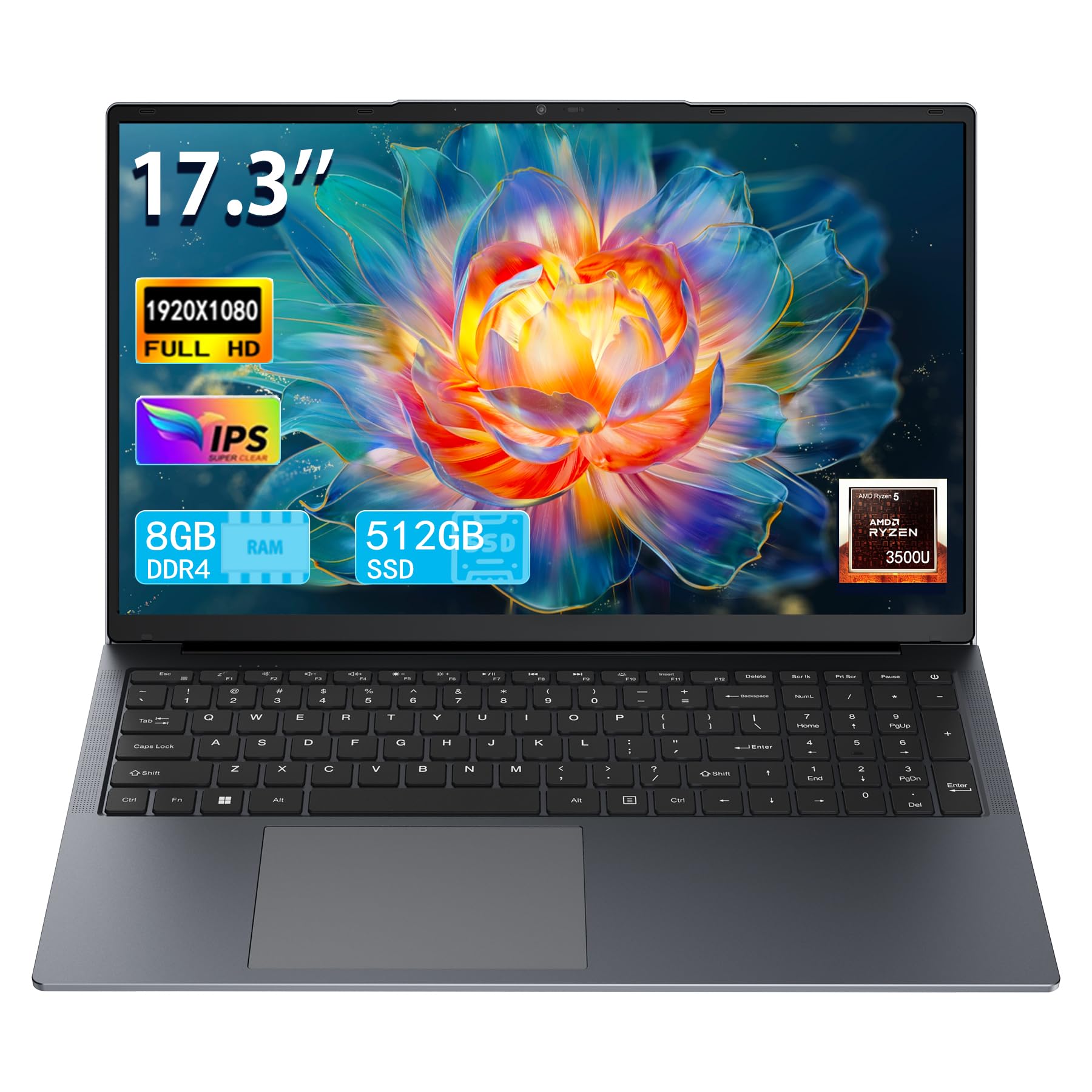
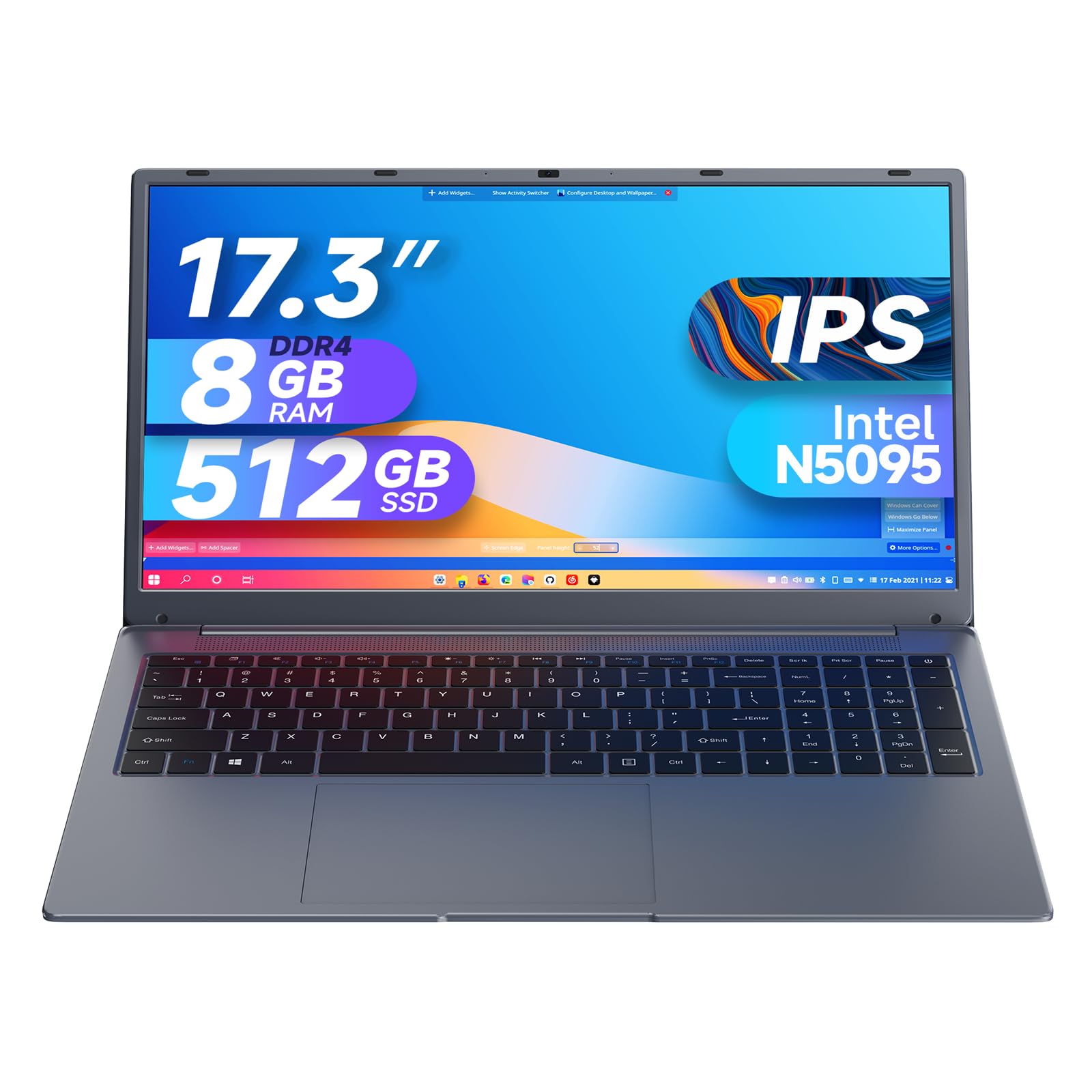
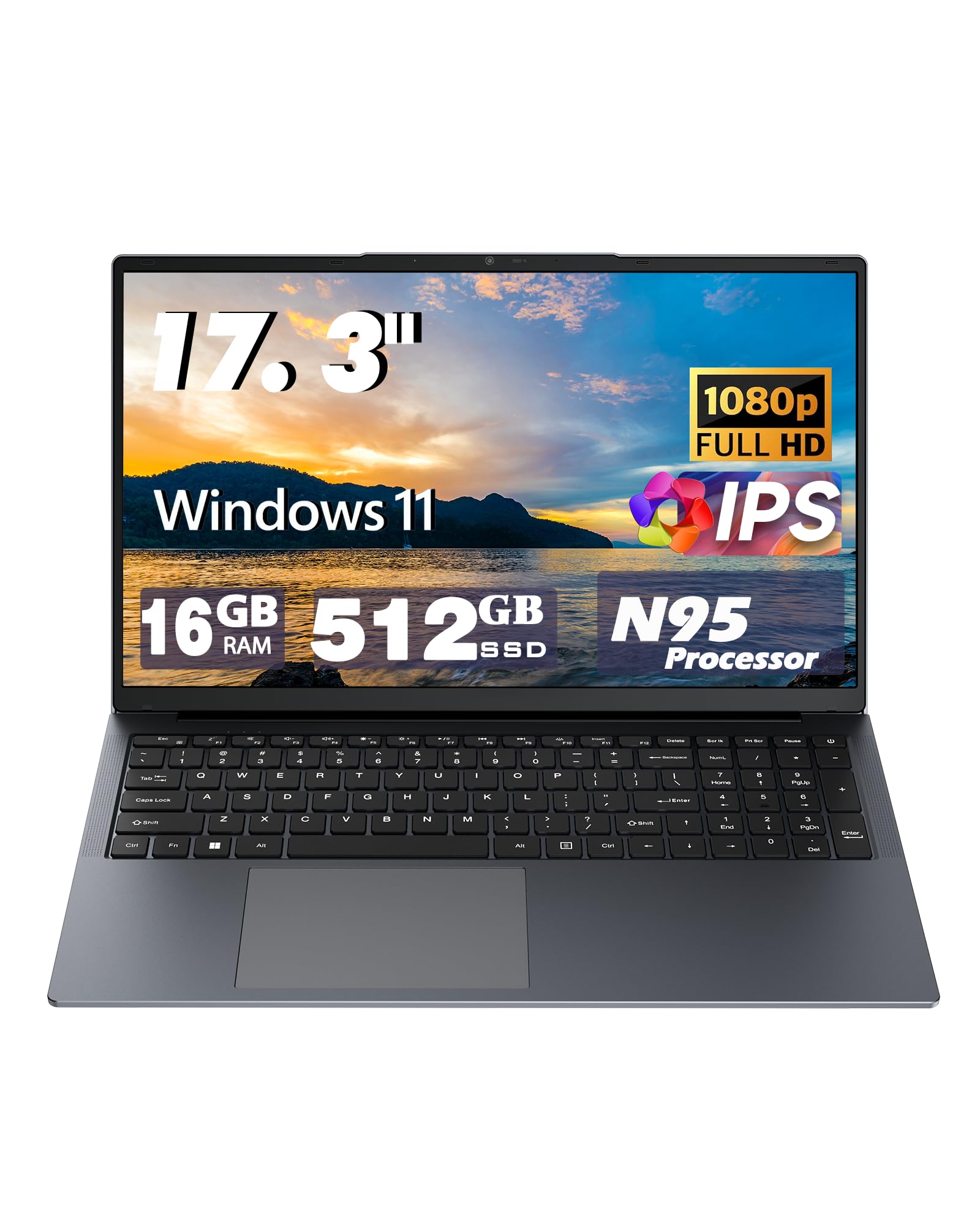
The balanced profile pairs a capable Core i5 or Ryzen 5 class processor with 16GB of memory if you can find it, or 8GB in two slots that accept an upgrade, plus a 512GB SSD and a full HD display. It covers home office work, study, and family use without strain. Around $450 to $500 is the normal home for this combination. Its limit is gaming, where integrated graphics only suit light and older titles.
The Value Profile
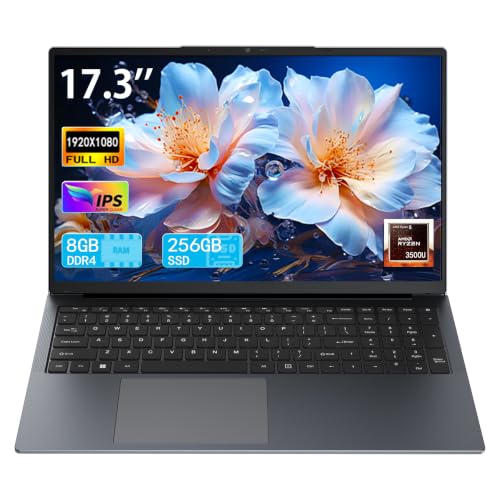
The value profile drops to around $350 to $450 by accepting a slightly older processor, a 256GB SSD, and a plastic body. It still handles browsing, documents, email, and streaming well, which is all many households ask. The risk is storage: a small drive fills fast, so confirm the drive can be replaced or expanded. This profile rewards patient shoppers who watch for discounts rather than buying the first listing they see.
The Beginner Profile
For a first laptop or a simple family machine, the beginner profile favors ease over speed: a Chromebook or a simple Windows model with a bright screen, a comfortable keyboard, and long battery life. Setup is short, updates are automatic on ChromeOS, and there is little to maintain. The trade off is flexibility, since demanding software and games are off the table. Around $300 to $450 buys a calm, dependable starter machine.
How to Choose the Best 17 Inch Laptops Under 500
The phrase best 17 inch laptops under 500 covers machines with very different internals, so the sections below give you a specification by specification way to separate the solid ones from the slow ones that merely look large.
What You Can Realistically Get Under $500
Under $500, expect a mid tier or last generation processor, 8GB to 16GB of memory, a 256GB to 512GB SSD, and a full HD screen on the better models. What disappears at this price is metal construction, bright high resolution panels, dedicated graphics, and long warranties. Never save money by accepting a spinning hard drive or a low resolution 1600 by 900 screen, because both make a new laptop feel old immediately. A modest processor with an SSD feels far faster than a stronger chip paired with slow storage.
Processor and Performance Tier
Processor naming is confusing, so use this shortcut: recent Core i5 and Ryzen 5 chips are the sweet spot, Core i3 and Ryzen 3 chips handle light work, and the cheapest Pentium or Celeron class parts struggle with many tabs and video calls at once. Generation matters as much as the badge, since a newer i3 can beat an older i5. For documents, browsing, and streaming, any modern i3 or better feels fine. Apple silicon does not appear at this price, so your realistic choice is between Intel and AMD Windows machines and Chromebooks.
Operating System (Windows, macOS, ChromeOS, Android, iPadOS)
Windows is the default at this budget and runs the widest range of software, including full Office and most peripherals. ChromeOS is simpler, faster to maintain, and often cheaper for the same screen size, but it depends on web apps and cannot run many desktop programs. macOS, Android, and iPadOS belong to other device classes and do not offer true 17 inch laptops in this range. Match the system to the software you already own and the ecosystem your school or employer uses.
Weight and Portability
A 17 inch laptop under $500 usually weighs about five to six and a half pounds, because plastic bodies and basic cooling add bulk. That is fine for a machine that moves between rooms or rides in a car, and heavy for a daily train commute. The old advice about three pound laptops applies to small ultraportables, not this class, so judge weight against your actual routine. If the laptop lives on one desk, ignore weight entirely and spend on the screen instead.
Keyboard, Trackpad, and Build
You type on this machine every day, so keyboard quality is not a luxury. Look for full size keys with decent travel, a number pad if you enter data, and a trackpad that tracks smoothly without sticking. Plastic construction is expected here, but the lid and keyboard deck should not flex or creak under normal pressure. Check hinge sturdiness in person when you can. A wobbly hinge on a large, heavy screen is the most common early failure on budget laptops.
Graphics (Integrated vs Dedicated GPU)
At under $500, integrated graphics are the norm, and current Intel and AMD integrated solutions handle video, casual games, and light photo editing well. A dedicated graphics card at this price usually means an older, weak card paired with cuts elsewhere, so be skeptical of gaming claims here. Anyone serious about games should raise the budget or consider a smaller screen size where gaming models cost less. For everyone else, integrated graphics keep the machine cooler, quieter, and cheaper.
RAM and Storage
Eight gigabytes of memory is the minimum for comfortable Windows use, and 16GB is the upgrade that most extends the life of a budget laptop. If a model ships with 8GB, check whether a slot is free for a cheap later upgrade. For storage, insist on an SSD, with 512GB as the comfortable target and 256GB as the workable floor. Avoid eMMC storage on full size Windows laptops, because it is slow and usually cannot be replaced.
Types of 17 Inch Laptops
Three types dominate this price band. If your budget can stretch, our guide to the best 17 inch laptops under 1000 shows how much the picture improves with more room, while the types below are what $500 actually buys.
Chromebooks
Large Chromebooks deliver the smoothest experience per dollar here, with fast startup, long battery life, and simple upkeep. They suit students, families, and anyone whose work lives in a browser. Their weakness is software limits: no full desktop Office, no serious games, and some printers and accessories behave poorly. If your tasks are web based, this is often the smartest under $500 choice.
Gaming Laptops
True gaming laptops almost never reach 17 inches under $500 when new, and listings that claim otherwise usually pair a weak old graphics card with a dim screen. Light games and older titles run fine on integrated graphics, which covers casual players. Everyone else should treat gaming as a reason to save longer rather than a reason to compromise the whole machine.
Budget Laptops
Budget Windows laptops are the generalists of this group, running any common software at modest speed in a plain plastic shell. They fit home offices, family sharing, and study. Their quality varies more than any other type, so the processor generation, SSD, and screen resolution checks in this guide matter most here. Read the specifications line by line before you buy.
Setup and Care Tips
- Keep the operating system and firmware updated, and turn on automatic updates on day one so security fixes never wait on you.
- Avoid running at full charge all the time if a battery health setting is available, since a partial charge cap slows battery wear for desk use.
- Use a padded sleeve when commuting, because a large plastic lid cracks more easily than a small one when a bag drops.
- Clean the vents with compressed air every few months to keep fan noise and heat in check.
- Remove trial software you do not need during setup, since budget machines often ship with extras that slow startup.
- Set up cloud backup for documents and photos in the first week, while setup steps are still fresh in your mind.
FAQs
Can you get a good 17 inch laptop under $500?
Yes, if good means reliable everyday performance rather than premium features. Solid models handle office work, study, and streaming on a large full HD screen. You give up metal bodies, strong graphics, and the brightest displays. Watching for sales matters at this price, because a discount often lifts you a full specification tier without extra spending.
Should I buy a laptop or a tablet?
Buy the laptop when you type often, manage files, or run desktop software, since a real keyboard and full operating system save time daily. A tablet wins only for reading, video, and simple browsing on the move. Households on a tight budget often do better with one capable laptop than a cheap tablet plus a cheap laptop that both disappoint.
Is a Chromebook enough for school?
For most students, yes: Chromebooks cover documents, research, online classes, and school platforms with long battery life and low prices. Problems start only when a course needs specific Windows software, such as certain design or engineering tools. Check the class requirements before the term starts. A Chromebook also removes most maintenance worries, which helps younger students.
How much RAM do I need?
Eight gigabytes is the working minimum for Windows and plenty for a Chromebook. Sixteen gigabytes is worth choosing when the price difference is small, because it keeps many tabs, calls, and documents smooth for years. Avoid 4GB Windows models entirely, since they feel slow within months. If the memory can be upgraded later, 8GB today is a reasonable way to save money now.
How long should a 17 inch laptop last?
Expect about three to five years of comfortable use at this price. The battery and storage usually limit life first, and both can sometimes be replaced cheaply on models with accessible panels. Gentle hinge treatment matters, since large screens stress their hinges. When repairs approach half the cost of a new machine, replacement is usually the smarter spend.
The Bottom Line
Protect three things and this budget works: a modern processor, an SSD of at least 256GB and ideally 512GB, and a full HD screen. Compare your finalists in the product table above, and if a smaller screen would serve you just as well, the options among the best 15 inch laptops under 500 and the best 14 inch laptops under 500 often buy better parts for the same money. Chosen with care, the best 17 inch laptops under 500 give you a genuinely useful big screen without the big price. Shoppers set on this size can also compare the step up in our best 17 inch laptops under 600 guide.