Best 17 Inch Gaming Laptops by Budget: Smart Choices for 2026
Disclosure: We may earn a commission when you buy through links on this page, at no extra cost to you. As an Amazon Associate I earn from qualifying purchases. Learn more
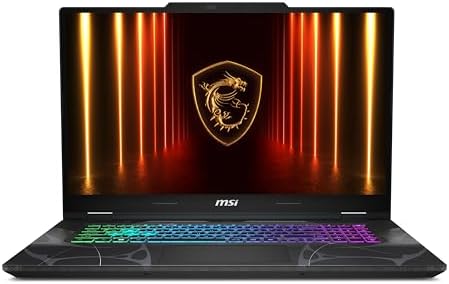
The best 17 inch gaming laptops by budget tier, with graphics, display, and weight advice to show which upgrades are worth paying for.
A 17 inch gaming laptop gives you a big, fast screen and room for serious cooling, but prices stretch from under $1000 to well past $3000. Knowing where the money actually improves your games is the whole challenge when you shop for the best 17 inch gaming laptops this year.
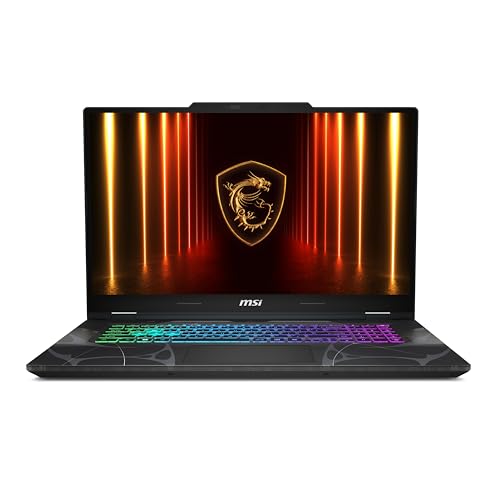
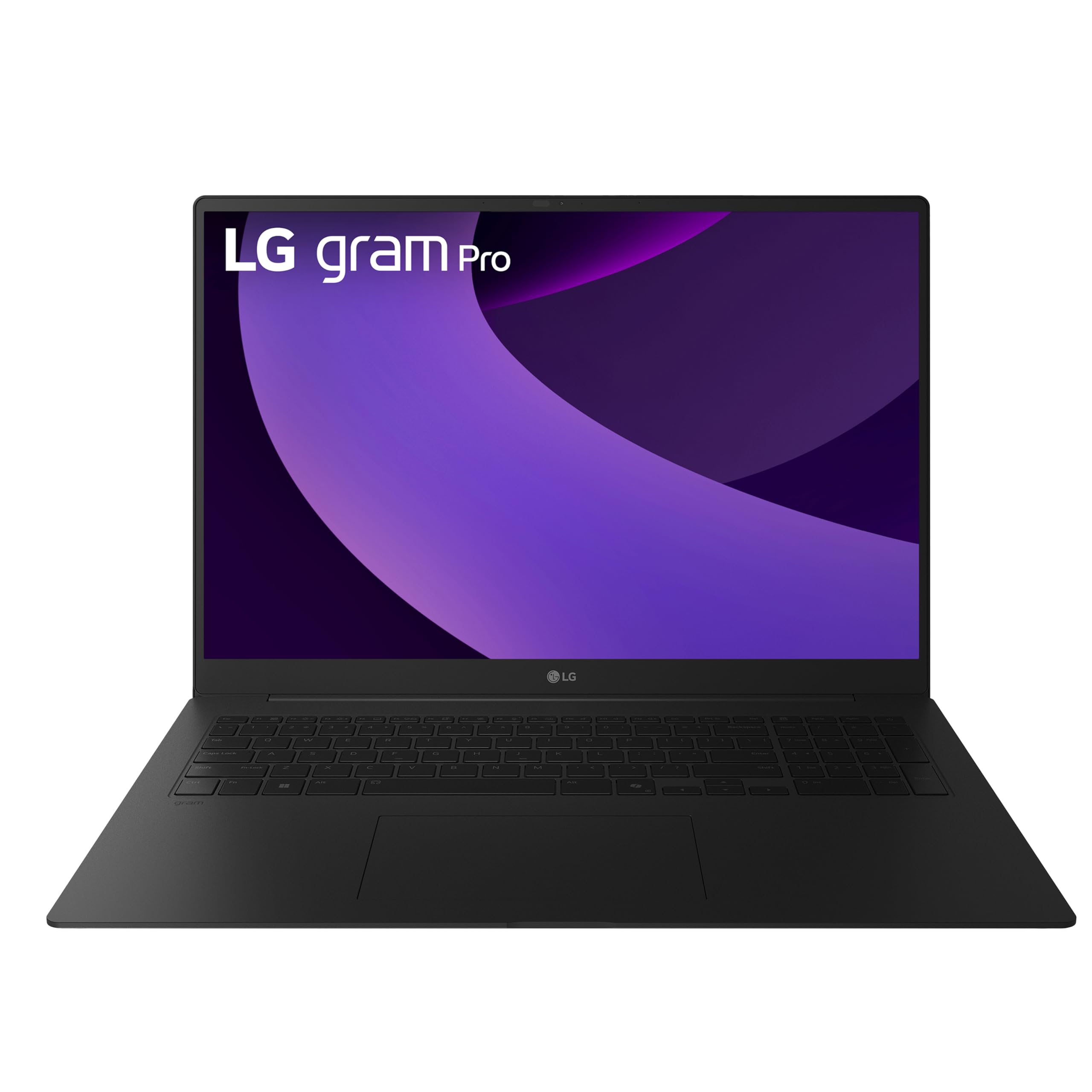
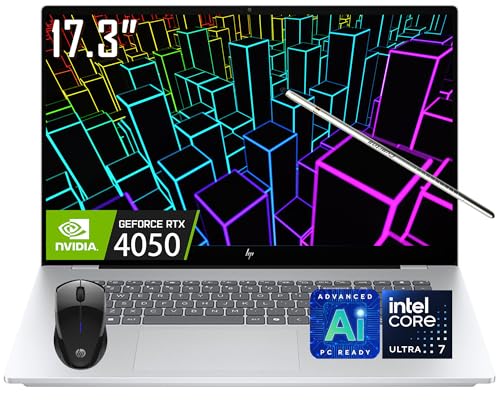
This guide is organized by budget, because the right priorities change completely as prices rise. Use the product table to see how current models are configured, then read the tier breakdowns to learn what each level buys, what it skips, and which upgrades are worth paying for.

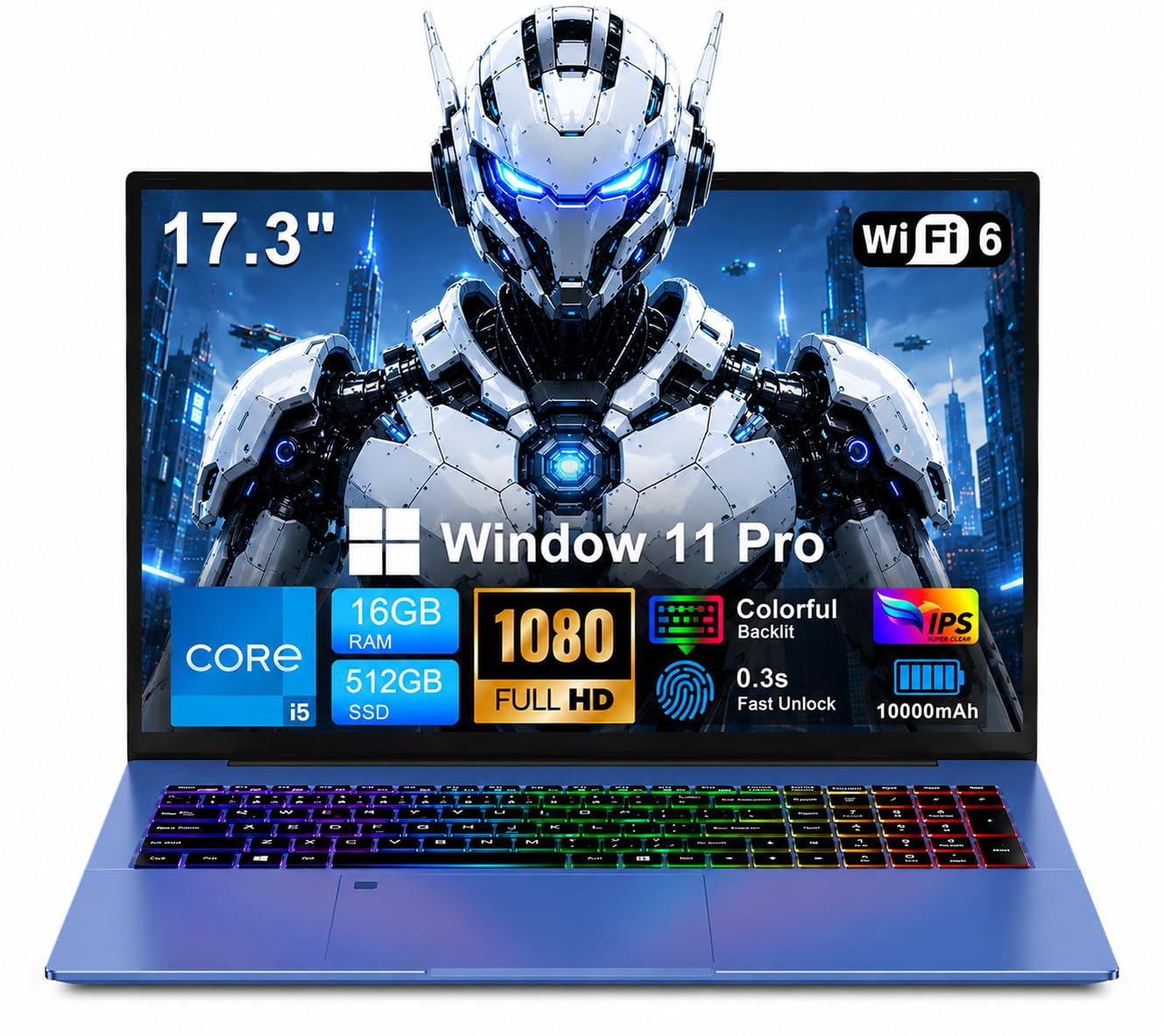
Budget Profiles at a Glance
Instead of chasing one headline model, judge every listing against the profile for its price band. The three profiles below describe the balance of graphics, display, and build you should expect, so a machine that falls short in its band is easy to spot in the product table above.
Best Budget Profile
The budget profile, around $800 to $1100, pairs an entry dedicated graphics card with a six core processor, 16GB of memory, and a 512GB SSD. It plays popular competitive titles smoothly at 1080p and handles story games at medium settings. Expect a plastic body, a 144Hz screen at best, and battery life of about four to five hours for light tasks. Its biggest strength is value: it delivers real gaming for the price of a general purpose laptop.
Best Midrange Profile
The midrange profile, around $1200 to $1800, is where most buyers should aim. A stronger graphics card, a faster processor, and a brighter 165Hz or 240Hz display make modern games look and feel their best at 1080p and often at 1440p. Build quality improves, cooling gets quieter, and storage usually rises to 1TB. The compromise is weight, since these machines and their power bricks are still heavy to carry daily.
Best Premium Profile
The premium profile, around $2000 and up, buys top tier graphics, a fast 240Hz or higher display with strong color, and a slimmer metal body in the best cases. It suits players who want high settings at 1440p, streamers, and creators who render video on the same machine. Diminishing returns are real here: you pay a lot for the last slice of frame rate, so buy this tier for the display, build, and longevity as much as for raw speed.
What Your Money Gets You at Each Price Tier
Budget Tier: What to Expect
At the budget tier, protect the essentials in this order: a dedicated graphics card, 16GB of memory, and an SSD large enough for your game library. Screens are usually 1080p with modest brightness, keyboards are basic, and speakers are an afterthought. That is fine, because a headset and an external mouse fix the weak points cheaply. Avoid any model that drops to 8GB of memory to hit a price, since stutter in modern games often traces back to memory rather than the processor.
Midrange Tier: The Sweet Spot for Most Buyers
Midrange money removes the daily annoyances. Displays get brighter with better color, refresh rates climb, and cooling systems run two larger fans that stay tolerable during long sessions. You also see useful extras appear, such as per key keyboard lighting, more USB ports, and faster WiFi. Games hold high settings at 1080p with room to spare, and many titles run well at 1440p. If you keep a laptop for four or five years, this tier usually ages the most gracefully.
Premium Tier: When Spending More Pays Off
Premium models justify their price when you use the whole package: top graphics for high refresh play, a mini LED or OLED class display, a thin metal chassis, and quieter advanced cooling. They also tend to hold resale value better and support the newest connection standards. Spending more stops paying off when the laptop sits on one desk forever, because a desktop delivers more speed for less money. Buy premium for mobility plus power, not for power alone.
Features Worth Paying For (and Ones to Skip)
Ports and Connectivity
Pay for an HDMI port that can drive a fast external monitor, at least one USB C port with video output, and WiFi 6E or newer for crowded networks. Three or more USB A ports keep a mouse, headset, and drive connected without a hub. Skip paying extra for exotic ports you will never use. A wired Ethernet port still matters if you play competitive games at a desk, because a cable beats WiFi for stable low ping.
Weight and Portability
Most 17 inch gaming laptops weigh about five to seven pounds, plus a power brick that can add another pound or more. If the machine moves between home and a dorm or office weekly, that total is manageable. Daily commuting is a different story, and thinner models earn their premium there. Before buying, load a bag with books of similar weight and carry it for ten minutes. That simple check tells you more than any spec sheet about whether the size fits your routine.
Processor and Performance Tier
For gaming, the graphics card decides most of your frame rate, so match the processor to it rather than maxing it out. A current six or eight core chip from Intel or AMD pairs well with midrange graphics, while top tier graphics deserve the stronger options. Extra processor cores help streamers, video editors, and players who keep many apps open during games. Thermals cap everything, so a slightly weaker chip in a well cooled body often beats a flagship chip in a thin, hot one.
RAM and Storage
Sixteen gigabytes of memory is the practical minimum for modern games, and 32GB is a comfort upgrade for streaming and heavy multitasking rather than a frame rate booster. Storage fills faster than buyers expect, since single games can pass 100GB, so treat 1TB as the comfortable target and 512GB as workable only with discipline. Check whether memory and storage sit in accessible slots. Upgradable parts stretch the life of the machine and cost little to improve later.
Picking the Best 17 Inch Gaming Laptops for Different Uses
Best 17 Inch Gaming Laptops under 1000
Shoppers hunting best 17 inch gaming laptops under 1000 should protect the graphics card and memory first and accept a plainer body and screen. Prioritize a dedicated GPU, 16GB of RAM, and a 144Hz panel if one fits the budget. Storage of 512GB is fine to start when a second slot or an easy upgrade path exists.
Best 17 Inch Gaming Laptops under 1500
The best 17 inch gaming laptops under 1500 category is the value sweet spot, where stronger graphics and brighter, faster displays become realistic together. Look for 1TB of storage at this level and cooling that stays composed under load. This tier runs demanding games at high settings at 1080p and handles 1440p play in many titles.
Best Ultraportable 17 Inch Gaming Laptops
Buyers who want an ultraportable 17 inch gaming laptop trade a little top end power for a thinner body, lower weight, and USB C charging on many models. Check the graphics wattage, because slim designs often run the same GPU at lower power and lower frame rates. Battery life also improves in this group, which matters if the laptop doubles as your daily work machine.
Long Term Costs to Factor In
The sticker price is only the start. Budget for a headset or speakers, a mouse, and a bag that actually fits a 17 inch machine, since many older bags will not close over one; our guide to the best backpacks for 17 inch laptops helps there. A warranty extension can be worth it on premium models where one repair is costly. Electricity costs are modest, but a battery replacement after three or four years is a realistic line item. Finally, factor in storage: an added SSD later is cheaper than overbuying capacity on day one, as long as the slot exists.
FAQs
Is a Chromebook enough for school?
For schoolwork alone, yes, but a Chromebook is not a gaming machine and cannot run Windows games or most game launchers. Students who want one device for classes and play should choose a Windows gaming laptop and accept the extra weight. Cloud gaming services run on Chromebooks, though they depend on a fast, stable connection and add a subscription cost.
Should I buy a laptop or a tablet?
Buy the laptop for gaming, because tablets cannot match dedicated graphics, active cooling, or a full keyboard for long sessions. A tablet can complement a gaming laptop for reading and video on the couch. If your play is limited to light mobile titles, a tablet may be enough, but anyone shopping at 17 inches usually wants the real keyboard, ports, and screen that only a laptop provides.
Is a dedicated GPU worth it?
Yes, for gaming it is the single most important component in the machine. Integrated graphics handle older and very light games, but modern titles need dedicated graphics memory and power to run smoothly. The step between graphics tiers matters more than the step between processors. Buy the strongest GPU your tier allows, then make sure the cooling and display can keep up with it.
How long should a 17 inch gaming laptop last?
Plan on about four to five years of strong play, with settings gradually easing from high to medium as games grow heavier. Midrange and premium graphics extend that window, while budget cards feel age sooner. Battery health fades earlier than gaming power, often around year three. Keeping vents clean and repasting or servicing fans when noise rises helps the machine reach its full lifespan.
How much RAM do I need?
Sixteen gigabytes covers nearly every current game comfortably alongside a browser and chat apps. Move to 32GB if you stream, edit video, or run memory hungry mods, not because a game demands it today. Also check the configuration: two matched sticks enable dual channel memory, which lifts performance in many titles compared with a single stick of the same total size.
Our Verdict
Decide your tier first, then spend inside it on graphics power, display speed, and cooling, in that order. Most players get the happiest years from the midrange, while budget buyers should guard memory and storage, and premium buyers should demand the display and build to match the price. If you are weighing a different size, compare with the best 18 inch gaming laptops and the best 14 inch gaming laptops before you commit. Then check your shortlist against the product table above, because the best 17 inch gaming laptops for you are the ones whose strengths match the games you actually play. For general large screen background, see the best 17 inch laptops guide too.