
Best 16 oz Drinking Glasses (2026): Size, Features and Buying Tips
Disclosure: We may earn a commission when you buy through links on this page, at no extra cost to you. As an Amazon Associate I earn from qualifying purchases. Learn more

What matters when choosing the best 16 oz drinking glasses: size, features, budget and the mistakes to avoid.
Your cabinet holds the glasses your family reaches for daily, yet one shelf may be too low for tall tumblers and your dishwasher rack may leave little room above them. Choosing the best 16 oz drinking glasses starts with those real limits, not with a photo online. This guide matches glass height, set size, and material to your space, the number of people at your table, and the budget you can maintain when a glass breaks.
Instead of naming specific products, this guide compares the main styles by type, and the product table on this page lists current options.


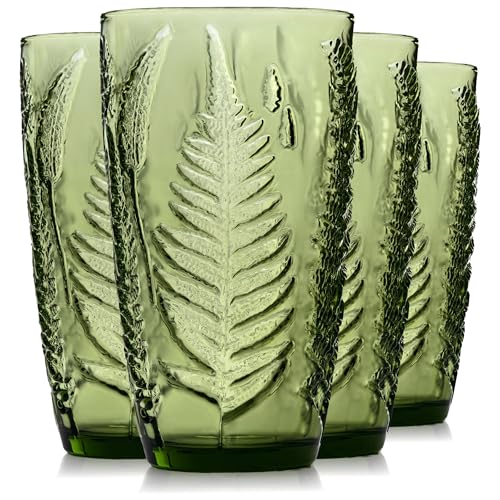
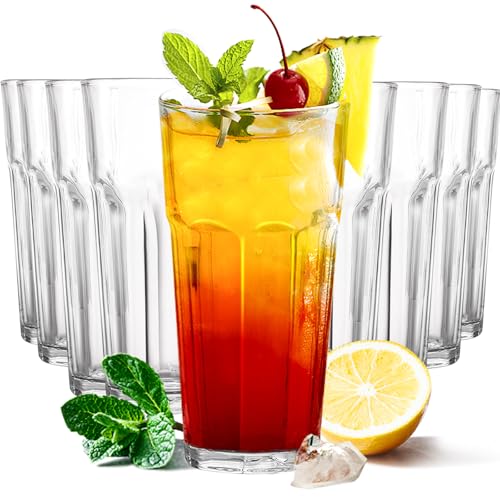
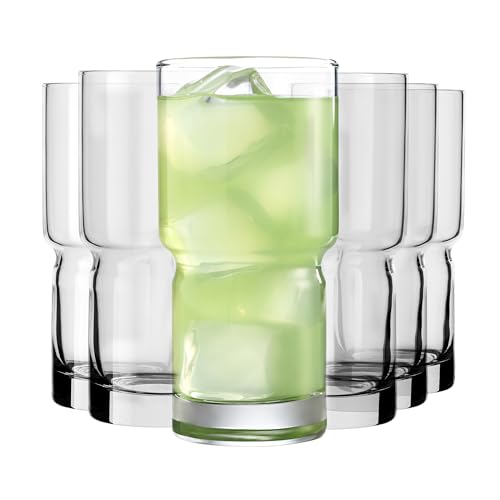


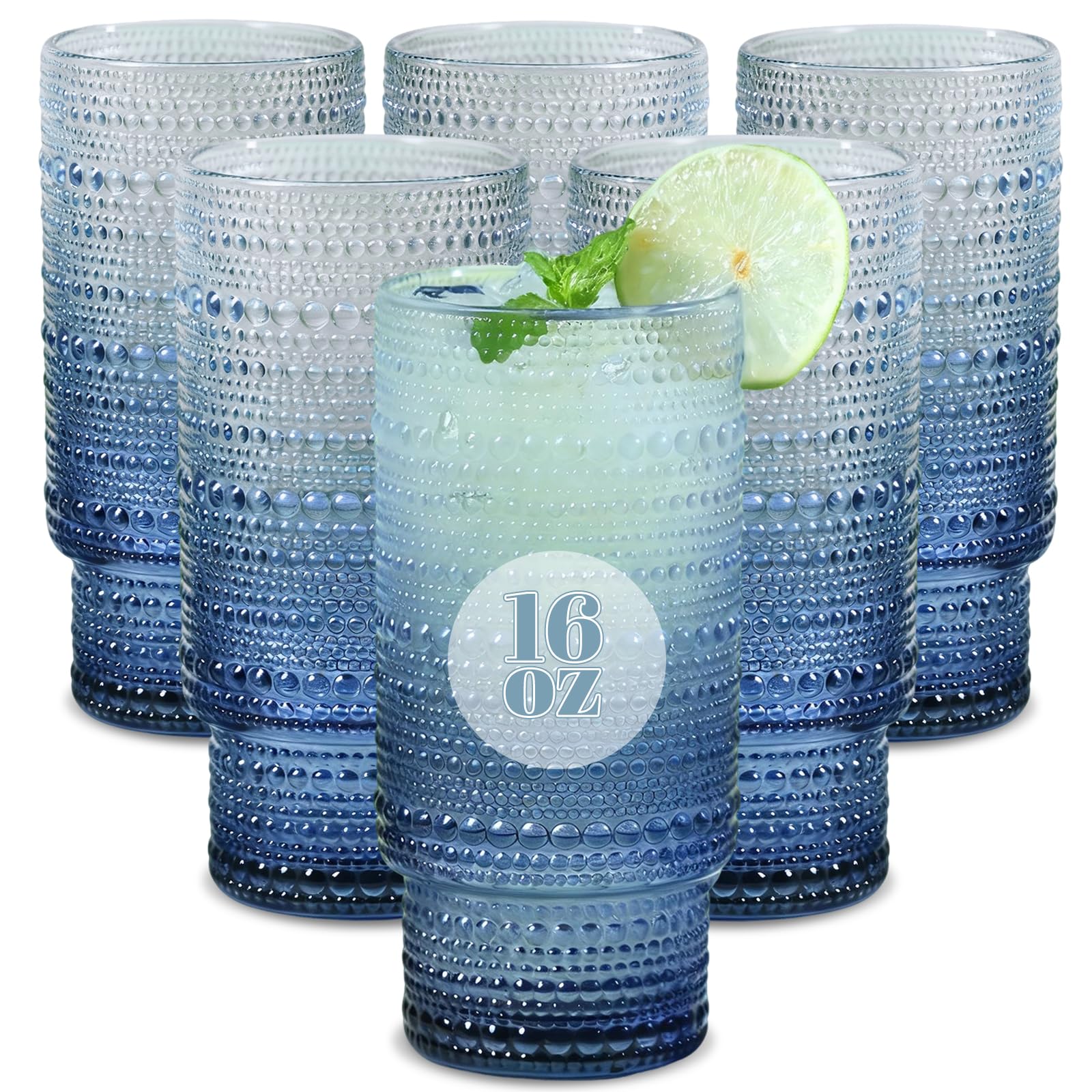

Quick Answer: Which Style Fits Your Home
For most households, a classic soda lime tumbler with a moderate wall and a smooth rolled rim gives the best balance of price, clarity, and easy replacement. Homes that drop glasses often may prefer a tempered style, which resists knocks at the rim and base better than standard glass. If breakage on a patio or around young children is your main worry, start with our guide to the best unbreakable drinking glasses before you commit to glass at all.
Before You Buy: A Quick Checklist for Choosing Drinking Glasses
Measure first, think about daily drinks second, and only then compare price.
Size: Match It to Your Space
A 16 oz rating tells you the fill level at the brim, but not whether the glass fits your home. Measure your cabinet shelf height and the clearance above your dishwasher rack, compare both with the listed glass height, and leave about an inch of spare room. Check the width too, because a wide tumbler can crowd a narrow rack and block the spray arm.
Which Type Fits Your Routine
Soda lime glass is the common everyday option, clear and affordable, and it suits water, juice, and iced tea at family meals. Tempered glass goes through a heat treatment that makes it stronger against knocks and sudden temperature change, which helps in busy kitchens. Crystal style glassware without lead gives a thinner rim and bright clarity for guests, though it costs more. If you want the look of glass without the breakage risk outdoors, our guide to the best acrylic drinking glasses covers that plastic option in detail.
Features Worth Paying For, and Ones to Skip
Pay for a rolled rim, because it feels smooth on the lip and resists small chips better than a sharp cut edge. A weighted base also earns its cost, since it helps the glass stay upright on a crowded table. Ribbed or fluted sides are worth it if wet hands often slip on smooth glass at your sink. Skip lids and straws on a main dinner set, because those parts add washing work and clutter, and skip etching near the rim where it traps residue.
Lead and Cadmium in Glazes and Decoration
Plain clear glass from major makers is generally made without lead, while some crystal and some painted decoration can contain lead or cadmium that may leach into drinks over time. To lower that risk, choose undecorated clear glass for daily use and treat brightly colored vintage pieces as display items rather than everyday drinkware. Check the product page for a statement that the glass is free of lead and cadmium.
Dishwasher, Microwave, and Oven Safety
Most plain soda lime and tempered tumblers are listed as dishwasher safe, yet the top rack is safer because the heating element below can stress the base. Microwave ratings vary more, so only microwave a glass the maker clearly rates for it. Almost no drinking glass belongs in a standard oven, because thin walls make sudden heat a crack risk. Let a chilled glass warm up a little before hot liquid goes in.
Set Size and Open Stock Availability
Sets come in counts of 4, 6, 8, and 12, and the right count depends on how often you wash dishes and how many people sit down at once. A household of two that runs the dishwasher nightly can manage a set of 6, while a family of five that hosts relatives may need 12. Open stock availability matters just as much, because a style sold as singles lets you replace one broken piece without buying a whole new set.
Realistic Budget Ranges
Basic soda lime sets often cost under $20, and at that level you get clear glass with simple shapes and limited replacement options. Sets at about $20 to $50 usually add thicker walls, a weighted base, or tempered glass. Spending about $50 to $100 tends to buy finer rims, brighter clarity, and wider open stock support rather than greater strength. Above that range you mostly pay for design and brand heritage, so weigh that appeal against how often your household breaks a glass.
Three Glass Styles Compared for Everyday Homes
This section compares the three styles most homes choose between, using the checklist factors above.
Classic Soda Lime Tumblers for Daily Family Use
This is the default style in most kitchens, with tapered sides, a medium wall, and a price that makes replacement painless. It handles water, milk, and juice well and stacks neatly when the shape tapers. The main limits are rim chips after repeated knocks against a faucet and less resistance to sudden heat. Choose this style if your priority when comparing the best drinking glasses for everyday use is low cost per glass and a familiar shape.
Tempered Glass Tumblers for Busy Kitchens
Tempered tumblers suit homes where glasses move fast between table, sink, and dishwasher all day. The heat treatment helps the rim and base survive small impacts that would chip standard glass, and many tempered shapes stack, saving shelf space. They can feel slightly thicker at the rim than fine glassware, and if one fails it tends to break into many small pieces rather than a few large shards. Pick this style when durability matters more than a delicate rim feel.
Heavy Base Highball Glasses for Iced Drinks and Guests
A highball shape with a thick, heavy base suits tall iced drinks, because the height leaves room for ice and the base keeps the tall glass steady. This style looks smart for guests and works well for sparkling water with citrus or tall mixed drinks. The trade off is storage, since tall heavy glasses need higher shelves and more dishwasher clearance than shorter tumblers. Choose it if your household serves iced drinks daily and your cabinets have the height for upright storage.
How We Judge a Set Without Naming Picks
Our criteria come from maker specifications and the points buyers raise most often in verified reviews: material and wall build, stated safety ratings, rim finish, set contents, and whether singles can be reordered. We weigh those facts for home fit and cost of ownership.
Is a 16 oz Glass the Right Size for You?
A 16 oz glass, about one pint, fits a full can of soda with ice, a generous serving of iced tea, or a large glass of water you do not want to refill during a meal. Remember that ice takes up space, so a brim full 16 oz glass poured over ice may hold only about 10 to 12 oz of actual drink. If you mostly pour small glasses of juice at breakfast, a 12 oz glass may feel better in the hand and wash faster. Large hands manage a wide tumbler easily, while smaller hands often grip a narrower, taller shape with more control.
A full 16 oz glass of water weighs a little over a pound, which can feel heavy for a child carrying it across a tiled floor or for an older adult with a weak grip. In those homes, filling the glass only two thirds full keeps the useful size for guests while making daily drinks lighter to carry.
Common Mistakes to Avoid
- Buying by capacity alone: a glass that holds 16 oz but stands too tall for your shelf will end up stored in the wrong place and chipped.
- Ignoring replacement cost: a cheap closed set looks like a bargain until one break forces you to buy a whole second set for a single glass.
- Choosing thin walls for a busy sink: delicate rims chip quickly when glasses knock against a metal faucet several times a day.
- Pouring boiling water into a cold glass: sudden heat can crack even a sturdy tumbler, whatever the product page promised about strength.
- Stacking glasses that were not made to stack: straight sided glasses wedge together, and pulling them apart is a common cause of rim cracks.
Cost of Ownership and Care
The purchase price is only part of what a set costs you. Factor in one or two replacement glasses a year for an average family, the shelf space a bulky set occupies, and the extra dishwasher runs that tall glasses can force. Hand washing the glasses you keep for guests, while the daily set goes in the dishwasher, spreads wear more evenly.
For care, avoid sudden temperature swings, rinse glasses soon after milk or smoothie drinks so residue does not dry on, and store tumblers upright rather than on their rims. Leave a small gap between glasses, so rims do not knock together when you reach for one at the back. A soft shelf liner also cushions each base.
FAQ
What makes a brand of drinking glasses reliable?
Reliability shows up in consistency more than in a famous name. Look for even wall thickness when you hold a glass to the light, a rim with no rough spots under your fingertip, and packaging that protects each glass separately in transit. A maker that publishes clear material information and keeps the same style in production for years is easier to trust than one that changes shapes every season.
How do you clean drinking glasses that look cloudy?
Cloudiness has two causes, and the fix differs. A white film from hard water usually lifts after a soak in warm water with white vinegar for about an hour, followed by a gentle wash and a lint free towel dry. Etching is permanent surface damage from harsh detergent and very hot water, and no soak will reverse it. For step by step methods for both cases, see our guide on how to clean drinking glasses.
Are expensive drinking glasses worth the extra cost?
They can be, but the gain is mostly in feel and clarity rather than strength. A higher price often buys a thinner, smoother rim, glass with fewer bubbles and seams, and shapes that stay available for reordering. It does not guarantee the glass will survive drops better than a sturdy budget set, and in a home with frequent breakage the cost per year of use can end up higher.
How long do drinking glasses usually last?
In a careful home a plain tumbler can serve for many years, while a busy family kitchen often loses a glass or two each year to chips and drops. Retire a glass when the rim feels gritty or sharp, when a crack line catches the light near the base, or when the glass rocks on a flat counter. Retiring one damaged glass early costs far less than a cut lip.
What size drinking glasses do I need for daily drinks?
Try a simple test before you buy. Pour your usual drink, with your normal amount of ice, into a measuring cup and note the level, then add room for melt water. Most adults land between 12 and 16 oz for water and iced tea, while juice and milk servings often need only 8 to 12 oz. Many homes pair a main set at 16 oz with a small set of juice glasses rather than forcing one size to cover every drink.
Final Thoughts
Start with your shelf height, your household size, and how often glasses break in your sink, and the right style will usually pick itself. To compare full sets across sizes and materials, see our guide to the best drinking glasses. For one dependable size for water, iced tea, and everyday meals, the best 16 oz drinking glasses are the ones that fit your cabinets, feel secure in every hand at the table, and can be replaced one at a time, and the product table above gathers the key specs to check before you order.


