
Best 12 oz Drinking Glasses (2026): Size, Features and Buying Tips
Disclosure: We may earn a commission when you buy through links on this page, at no extra cost to you. As an Amazon Associate I earn from qualifying purchases. Learn more

What matters when choosing the best 12 oz drinking glasses: size, features, budget and the mistakes to avoid.
A family sits down to dinner and every glass is a different size, so refills come at different times and the cabinet looks crowded. Choosing best 12 oz drinking glasses in one matching set solves that daily problem. This guide helps you choose by cabinet space, household size, and budget, and the product table on this page lists current options at a glance.
A 12 oz glass holds a standard can of soda with room for ice, or a generous serving of water, juice, or iced tea without constant refills.

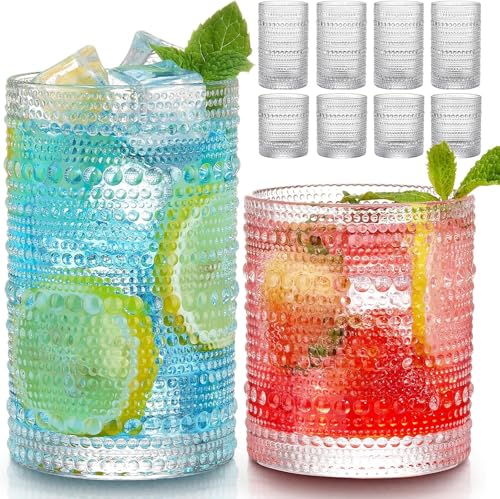

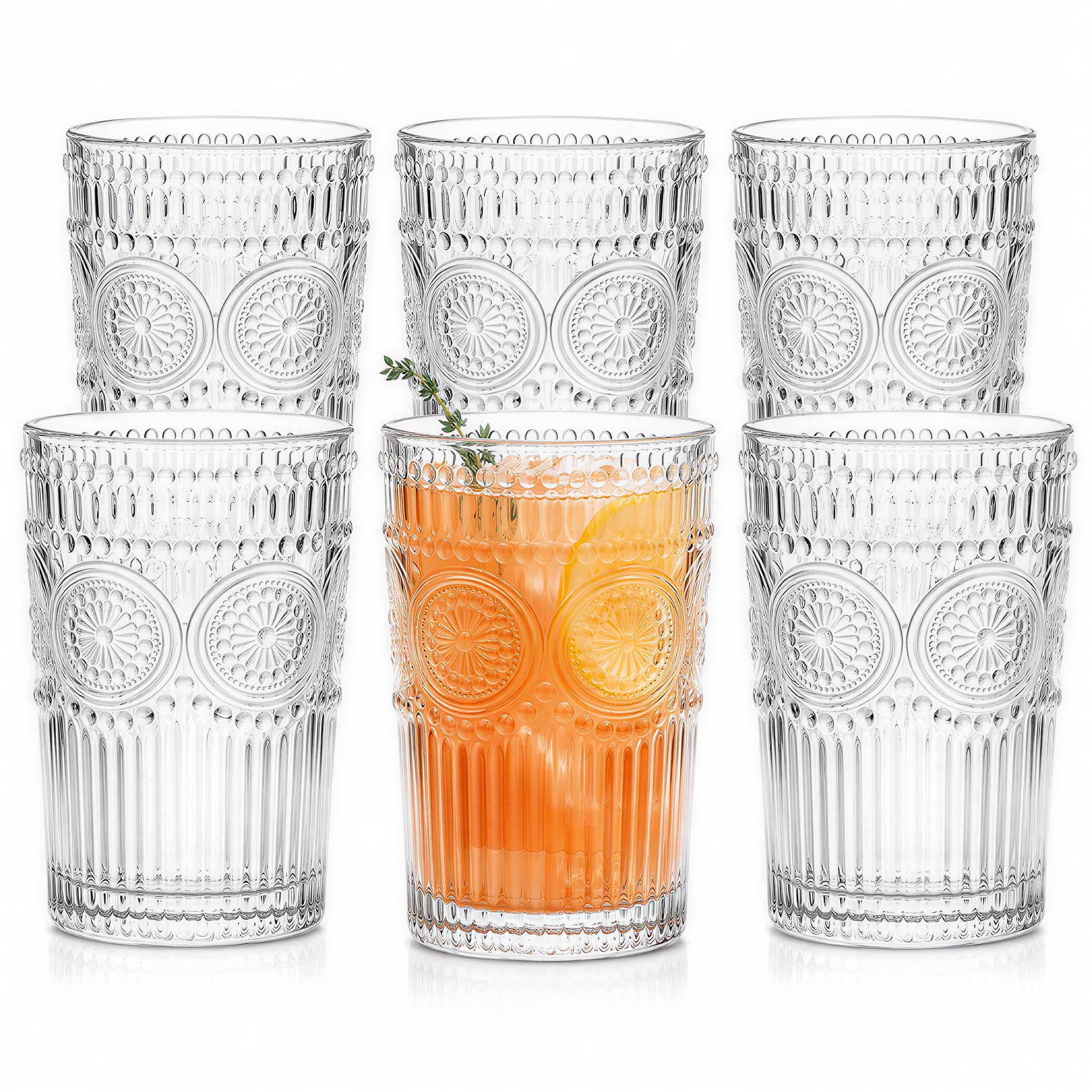


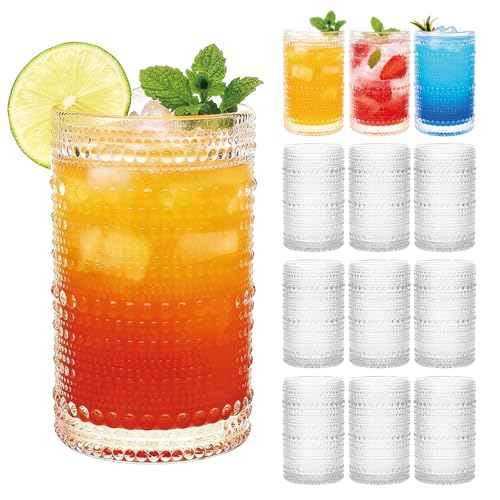
Quick Answer: What a Good 12 oz Glass Looks Like
For most homes, a tempered glass set with a rolled rim, a stable base, and clear walls is the safest starting point. It handles daily washing, shows its contents well, and suits water, soda, and mixed drinks. If breakage is your main worry, an acrylic style suits porches, kids, and outdoor meals better. If looks matter most for guests, a thinner crystal style set feels lighter, but it usually costs more and needs gentler care.
Before you order, confirm the capacity, check the height against your lowest shelf, and confirm you can buy the set again later.
Before You Buy: A Quick Checklist for Choosing Drinking Glasses
The right set depends less on looks and more on how your household drinks, stores, and washes glasses each day. Work through the points below to narrow the list.
Size: Match It to Your Space
Capacity is only part of size. Height and width decide whether a glass fits your cabinet, your dishwasher rack, and your hand. Measure your shelf height and leave about an inch above the rim for easy lifting. A wider glass feels steadier but takes more room, while a taller, narrower glass suits deep cabinets. See our guide to best drinking glasses for other common capacities.
Which Type Fits Your Routine
Plain clear glass is the most flexible choice, and it lets you see when a drink needs a refill. Ribbed and fluted walls add grip and hide small smudges, which helps in busy kitchens. Colored and vintage style glasses define a table setting, but strong tints hide the color of tea or a cocktail. A heavy base style, often sold as a double old fashioned shape, feels solid for drinks over ice. Highball shapes are taller versions of the same volume, so choose by shelf height rather than by name.
Features Worth It, and Ones to Skip
A slightly thickened rim resists small chips and feels smooth against the lip, so it is worth looking for in a daily set. Stackable shapes save space in small cabinets, as long as you separate them gently. A base that sits flat with no wobble matters more than decorative cuts. Lids and straws help for travel or picnics, but for a table glass they add parts to wash and store. For most homes, skip lids and choose a clean, open rim.
Lead and Cadmium Safety
Plain soda lime glass is not glazed like ceramics, so lead and cadmium in glazes are rarely a concern for clear, undecorated sets. The risk rises with painted designs, metallic trim, and deep colored coatings, especially on the rim. If you like decorated glass, look for a clear statement that the glass and its decoration are lead free and cadmium free. When a listing says nothing about materials, choose a plainer set and save decorated pieces for guests.
Dishwasher, Microwave, and Oven Safety
Most plain sets are dishwasher safe, but repeated hot cycles and strong detergent can slowly cloud the surface, a change called etching that cannot be reversed. Washing on the top rack slows that process. Glass can go in a microwave, yet sudden heat can crack a cold or damaged glass, so let a chilled glass warm up first and never microwave an empty glass. Ordinary drinking glasses are not oven cookware, so keep them out of the oven and away from direct flame.
Set Size and Open Stock Availability
A set of 4 suits a single person or a couple who wash often. A set of 6 or 8 covers most families and a few guests. A set of 12 suits large families and frequent hosts, if shelves can hold them. The quiet advantage is open stock availability, meaning you can buy the same glass again later. Sets sold only in one fixed box force a whole new purchase after a few breaks. That point is also covered in our guide to best drinking glasses for everyday use.
Realistic Budget Ranges
Under about $20, expect basic soda lime sets that do the daily job well but may have uneven rims or thinner walls. From about $20 to $50, you usually get more even shaping, better clarity, and tempered options. From about $50 to $100, you pay mainly for finer clarity and more refined shapes for guests. Above that range, the gain is mostly design and brand, not basic function. Spend where your routine benefits most.
Types Compared: Three Routes to the Right Set
The three routes below group sets by material and build, with no named picks. Match a route to your home, then compare listings within it using the checklist above.
Classic Tempered Glass for Most Homes
Tempered glass is heat treated so it resists knocks and sudden temperature changes better than ordinary glass. It suits families who load the dishwasher daily and want one set to do everything. The walls are usually a little thicker, which adds confidence in the hand, and broken pieces tend to form smaller, less sharp fragments. The trade off is a heavier feel and less delicate looks than fine crystal style glass. For a shared family table, that balance is hard to beat.
Value Soda Lime Sets for Tight Budgets
Standard soda lime glass sits behind most affordable sets, and a well made version is perfectly good for water, soda, and juice. Look for a rolled rim, a base that sits flat, and walls without visible bubbles or seams. These sets suit a first apartment or a rental where breakage is likely. The trade off is lower resistance to sudden heat and hard knocks, so avoid pouring boiling water into a cold glass.
Unbreakable and Acrylic Styles for Rough Use
For patios, pools, and young children, glass may be the wrong material. That is where best acrylic drinking glasses earn their place, since acrylic is light, clear, and very hard to break. The wider category in our guide to best unbreakable drinking glasses also includes tough plastic and metal options. Acrylic can scratch in the dishwasher, can hold odors, and should not be used for hot liquids unless the maker says it can.
How to Compare Options Fairly
Compare listings on the same facts. Note the material, the true capacity, the height and width, the rim finish, and whether the same glass can be bought again later. Read buyer comments for patterns about clouding, rim chips, and bases that rock, not single stories. A detailed look at one long lived tempered design, such as the one in our duralex picardie review, shows what full size and care details look like.
Is a 12 oz Drinking Glass the Right Size for You?
For most adults, yes. Twelve ounces matches a standard soda can and a typical serving of iced tea or lemonade, so one fill covers a meal for many people. Choose a smaller glass, around 8 to 10 oz, for juice or for limiting portions for children. Choose a larger glass, around 16 oz, if you drink a lot of water and dislike refills. Note that a glass full of large ice cubes may hold only about 8 oz of liquid, so try one glass with your usual ice before you commit to a full set.
Common Mistakes to Avoid
- Buying by capacity alone and finding the glasses are too tall for your lowest cabinet shelf or dishwasher rack.
- Choosing a large set in a shape that will soon be discontinued, so one break leaves a mismatched table.
- Paying for lids, straws, and decorative cuts you will not use, while accepting thin rims that chip in daily washing.
- Pouring boiling liquid into a cold glass, which can crack even a sturdy set from sudden temperature change.
- Stacking glasses that were not made to stack, which can wedge them together and chip the rims when pulled apart.
- Using abrasive pads on decorated or colored glass, which dulls the finish and wears away painted designs.
Cost of Ownership and Care
The real cost over a few years is driven by breakage, clouding, and whether you can replace single glasses. A pricier open stock set often costs less over time than a cheap closed set replaced whole. Wash with a soft sponge, mild detergent, and warm water, and dry with a lint free cloth. Our guide on how to clean drinking glasses covers removing water spots without harsh chemicals.
Store glasses upright on a flat shelf, not upside down on a textured liner, since resting on the rim can chip a thin edge. Leave a finger width between glasses so rims do not knock. Retire any piece with a crack or a deep rim chip, since a damaged rim can cut a lip and a cracked wall can fail without warning.
FAQ
What is the most reliable type of drinking glass for daily use?
Tempered glass is generally the most forgiving choice for daily family use, since it handles knocks, dishwasher cycles, and changes between cold and warm drinks better than ordinary glass. Reliability also depends on the rim and base. A rolled rim and a flat, even base will outlast a fancier shape with thin edges, even when both use the same material, so judge the build as much as the material name.
Are expensive drinking glasses worth the extra money?
They can be, if the extra money buys clearer glass, a smoother rim, and the ability to buy the same glass again later. They are not worth it if the price only buys a famous name on a thin, delicate shape that your household will break quickly. Think in cost per year of use. A guest set used weekly for years can justify a higher price, while a family set that drops pieces monthly usually cannot.
How long do drinking glasses usually last?
A well made set in a careful home can serve for many years, and plain glass does not wear out from use alone. In practice, most sets shrink through accidents, rim chips, and gradual clouding from hard water and detergent. Keeping two spare glasses from the same set when you first buy it is a simple hedge, since it delays the day when the table no longer matches and you feel pushed into buying a full new set.
What size drinking glasses do I need besides a 12 oz set?
Most homes are well covered with the 12 oz set as the daily anchor, plus one smaller size for juice and one larger size for water. You do not need a different glass for every drink. If cupboard space is tight, the 12 oz size alone handles soda, water, iced tea, and most mixed drinks without any real loss, which is why it is the size to get right first.
Can 12 oz glasses work well for iced coffee and cocktails?
Yes, and the shape matters more than the label on the box. A straight sided 12 oz glass suits iced coffee and leaves room for ice and milk. For cocktails served over ice, a shorter, wider 12 oz shape keeps the drink feeling balanced and reduces spills. In both cases, leave about an inch at the top so ice and garnish do not push liquid over the rim when you lift the glass.
Final Thoughts
Start with your shelf height, your household size, and how rough daily use is in your kitchen, and the right material and set size will follow. The product table above pulls the main types together so you can compare them in one place. For most homes, the best 12 oz drinking glasses are a tempered, open stock set with a smooth rim and a stable base, bought in a count that covers your table plus a couple of spares.


