Best 16 Inch Electric Skillets (2026): Buying Guide
Disclosure: We may earn a commission when you buy through links on this page, at no extra cost to you. As an Amazon Associate I earn from qualifying purchases. Learn more
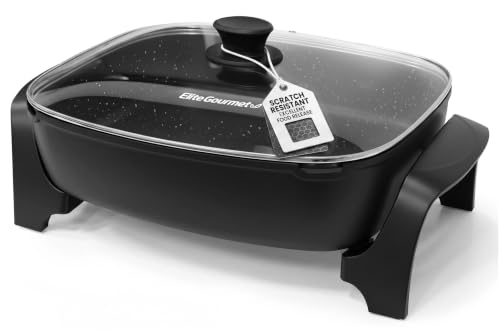
What to check before you buy the best 16 inch electric skillet: surface, depth and counter space, and which type fits your home.
Saturday breakfast at home can turn into a juggling act fast. Pancakes crowd a small pan, bacon cooks in batches, and someone is always waiting on the next round. A wide electric skillet solves that bottleneck with one large, steady cooking surface that frees up your stove. If you are shopping for the best 16 inch electric skillet for your household, this guide helps you choose by counter space, family size, and budget, and the comparison table below sums up the main types.
Instead of pushing specific models, we walk through the styles, surfaces, and features that matter at this size, plus what a fair price looks like. For the broader picture, see our guide to the best electric skillet sizes and styles.


Quick Answer: What a Good 16 Inch Model Looks Like
A good 16 inch electric skillet heats evenly across the whole surface, holds its set temperature without wild swings, and has sides tall enough to contain splashes and stir fry ingredients. The surface should match how you eat, whether that is a nonstick finish for eggs and pancakes or a metal surface for hard searing. The lid should fit snugly, the probe should click in firmly, and the unit should sit stable without rocking when you stir.
At this size, expect a cooking area big enough for about six to eight pancakes or a full batch of fried chicken pieces at once. Most models draw about 1200 to 1500 watts, with a dial running from warm up to about 400 degrees Fahrenheit. If a listing cannot tell you the wattage or the depth, keep looking.
Before You Buy: A Quick Checklist for Choosing an Electric Skillet
Size: Match It to Your Space
Skillets in this category range from compact 12 inch rounds up to large rectangular pans, and shape matters as much as length. A 16 inch rectangular model gives you corners that round pans waste, which helps when you line up French toast or sausage links. Deep models hold more liquid for braises, while shallow ones are easier to flip food in and easier to store. Measure your counter and cabinet shelf before ordering, because the full footprint includes handles and the probe.
Which Type Fits Your Routine
The cooking surface decides most of your day to day experience. Nonstick pans release eggs and pancakes with almost no oil and wipe clean in seconds, but the coating wears over time and dislikes metal utensils. If you prefer a metal pan that tolerates high heat and steel spatulas, look at our guide to the best stainless steel electric skillet models, knowing they need more oil and a short preheat. Ceramic coated pans sit between the two. Readers who want to avoid coatings altogether often start with the best non toxic electric skillet guide.
Features Worth Paying For, and Ones to Skip
A glass lid is worth it, since you can watch food cook without lifting the lid and losing steam. High sides are worth it if you fry chicken or simmer sauces, because they cut down on splatter. A removable pan makes washing and serving far easier, and a pour spout helps drain grease neatly. Extras like warming trays and decorative finishes add cost without improving your cooking, so skip them unless you entertain often.
Wattage, Power, and Energy Use
Wattage tells you how fast the pan heats and how well it recovers after you add cold food. For a 16 inch surface, about 1200 to 1500 watts is the practical range. Drop below that and frozen hash browns can drag the temperature down and steam instead of crisp. Higher wattage does not cook better by itself, though. What matters is how evenly the element spreads under the pan, since an element that only rings the edges leaves a cool center.
Safety Features and Certifications
Look for a listing mark from UL or ETL on the label or product page, which means the appliance was tested against recognized safety standards. Feet should be nonslip and heat resistant, and the handles should stay cool enough to hold while you carry the pan to the table. The probe must pull out before the pan goes near water, and the cord should be fairly short, since a long cord on a counter appliance is a snagging hazard around kids.
Counter Space and Dimensions
The headline 16 inches describes the pan, not the space the appliance takes up. Handles and the probe can add several inches to the total length, and you need clearance above for steam when the lid comes off. If your counter sits under low cabinets, check the height with the lid on. A skillet that lives on the counter gets used weekly, while one buried in a deep cabinet tends to be forgotten.
Realistic Budget Ranges
Under about $50, you get the basics: a nonstick surface, a glass lid, and a simple dial, with thinner pan walls and a shorter warranty. Between about $50 and $100, pans get thicker, heat spreads more evenly, and removable pans become common. From about $100 to $150, you pay for premium surfaces and longer coverage rather than different cooking.
Types Compared: Three Styles That Suit Different Homes
The Everyday Nonstick Family Skillet
This is the style most households end up with. The pan is wide and moderately deep, the coating handles eggs, pancakes, and reheated leftovers gently, and cleanup takes a minute at the sink. It suits families who cook weekend breakfasts and simple weeknight dinners, and who value easy cleanup over a hard sear. The limits are real: the coating will not last forever, high heat shortens its life, and you need silicone or wood tools.
The Ceramic Coated Middle Ground
Ceramic coated skillets appeal to cooks who want a slick surface without a traditional nonstick finish. They brown food nicely and tolerate somewhat higher heat. Our guide to the best ceramic electric skillet options explains how these coatings age, but the short version is that the slickness fades gradually with heavy use, so gentle washing matters. Choose this style if you cook a lot of vegetables, quesadillas, and fish.
The Heavy Duty Deep Skillet
Deep models with tall sides are built for volume cooking: frying chicken, simmering a skillet stew, or keeping meatballs warm for a gathering. The extra depth contains splatter and gives you room to stir without spilling. These pans weigh more and need the most storage room of the three styles. Pick this type if you regularly cook for six or more people. If your typical meal is breakfast for three, the depth is more burden than benefit.
How We Compare: The Criteria Behind This Guide
We judge 16 inch electric skillets on capacity you can actually use, how evenly the surface cooks, and how steady the temperature stays during a full load. Ease of use counts too: a readable dial, a lid you can set down safely, and handles that feel secure with oven mitts on. Cleaning matters because a pan that is annoying to wash gets used less. We also factor in safety marks, warranty length, and verified buyer reports on durability.
Is a 16 Inch Electric Skillet the Right Size for You?
Sixteen inches is the family size in this category. It fits households of four to six people, cooks a full breakfast in one round, and doubles as a serving dish or buffet warmer at gatherings. It also works well in an RV or a small apartment where the stove has only two working burners. If you usually cook for one or two, a 12 inch model heats faster and stores easier.
Think about your most common meals rather than your biggest holiday. If a normal Tuesday dinner involves six pork chops or a pan of stir fry for the whole family, 16 inches earns its footprint. If your largest regular job is four eggs and two sandwiches, the big pan will feel clumsy. Our walkthrough on how to use an electric skillet covers heat settings meal by meal.
Common Buying Mistakes to Avoid
- Buying by headline length alone, then finding the handles and probe make the unit too long for your counter or cabinet.
- Choosing the cheapest thin pan, which heats in hot spots and warps, so eggs pool on one side and burn on the other.
- Paying for buffet extras and fancy finishes while ignoring the basics of even heating, lid fit, and warranty length.
- Forgetting the cost of ownership, such as replacement lids and probes, which can be hard to find for obscure brands.
- Assuming every pan can go under the tap, when many bases and probes must never be immersed.
- Picking a deep model for everyday breakfasts, then dreading the heavy wash and awkward storage after every use.
Cost of Ownership and Care
Running a skillet costs little, since most meals cook in well under an hour. The real costs are replacement parts and surface wear. Treat nonstick and ceramic coatings gently: cook on low to medium heat for daily meals, let the pan cool before washing, and use soft sponges only. Dry the pan fully before storing, and keep the probe contacts clean and dry so the dial stays accurate. Our step by step guide on how to clean an electric skillet covers stuck on residue without damaging the finish. Store a cloth between the lid and the pan to protect the coating.
FAQ
How long does a 16 inch electric skillet usually last?
With normal home use, the heating unit and dial often work for five years or more, while the cooking surface usually wears out first. Nonstick and ceramic coatings commonly lose their easy release after about two to three years of frequent use, sooner if you cook on high heat daily. A metal surface can last far longer because there is no coating to wear away. If the pan heats unevenly or the probe feels loose, replacement is safer than repair.
Can you cook frozen food in a 16 inch electric skillet?
Yes, and the wide surface is genuinely good for it, since frozen burgers, hash browns, and potstickers can spread out in a single layer instead of stacking. Add a few extra minutes compared with thawed food, and expect some sputtering as ice melts, so keep the lid ajar. Cook frozen meats to a safe internal temperature with a food thermometer rather than judging by color alone, especially poultry.
Is a 16 inch electric skillet worth it if you already own a stove?
It earns its place when your stove runs out of burners, when you cook breakfast for a group, or when summer heat makes you avoid the oven. It also helps in dorms, RVs, and rental kitchens with weak stoves, because the dial gives steady heat your burners may not. If you cook mostly small meals for one or two people and your stove works well, the money and storage space are probably better spent elsewhere.
What size electric skillet do I need for a family of five?
For five people, 16 inches is the comfortable choice for one batch cooking of pancakes, eggs, or grilled sandwiches. A 12 inch skillet can feed five, but expect two rounds for most breakfast foods, so the first batch cools while the second cooks. If your meals lean toward saucy dishes like curry or skillet pasta, depth matters as much as width, so look for taller sides rather than a wider pan.
Why does food stick to an electric skillet even on a nonstick surface?
Sticking usually comes from heat habits, not a faulty pan. Adding food before the pan reaches temperature, cooking sugary sauces on high, or using cooking spray that leaves a gummy film can all defeat the coating. Preheat on the setting you plan to cook at, use plain oil or butter instead of spray, and give proteins a minute to release on their own before you nudge them.
Final Thoughts
The right choice comes down to three questions: does the full footprint fit your counter and storage, does the surface match the food you cook most, and does the price tier give you the pan thickness and warranty you want. Answer those honestly and the best 16 inch electric skillet for your home is simply the style that fits your routine, whether that is an everyday nonstick pan, a ceramic coated middle ground, or a deep model for crowd cooking. Check the product table above before ordering.