Best 16 Inch Chainsaws (2026): Types, Features and Buying Tips
Disclosure: We may earn a commission when you buy through links on this page, at no extra cost to you. As an Amazon Associate I earn from qualifying purchases. Learn more
How to choose the best 16 inch chainsaw: power type, build quality, safety features and budget for yard and firewood work.
A 16 inch bar sits in the middle of the chainsaw range, and that middle ground is why choosing one can feel confusing. Models with the same bar length differ a lot in power, weight, build materials and weather resistance, and in what they cost to own. This guide helps you find the best 16 inch chainsaw for your yard by comparing power types, size and capacity, and assembly needs, with a product table to check current options.
The sections that follow sort the choice by the work you actually do, covering power types, features worth paying for, and when a smaller or larger bar would serve you better.



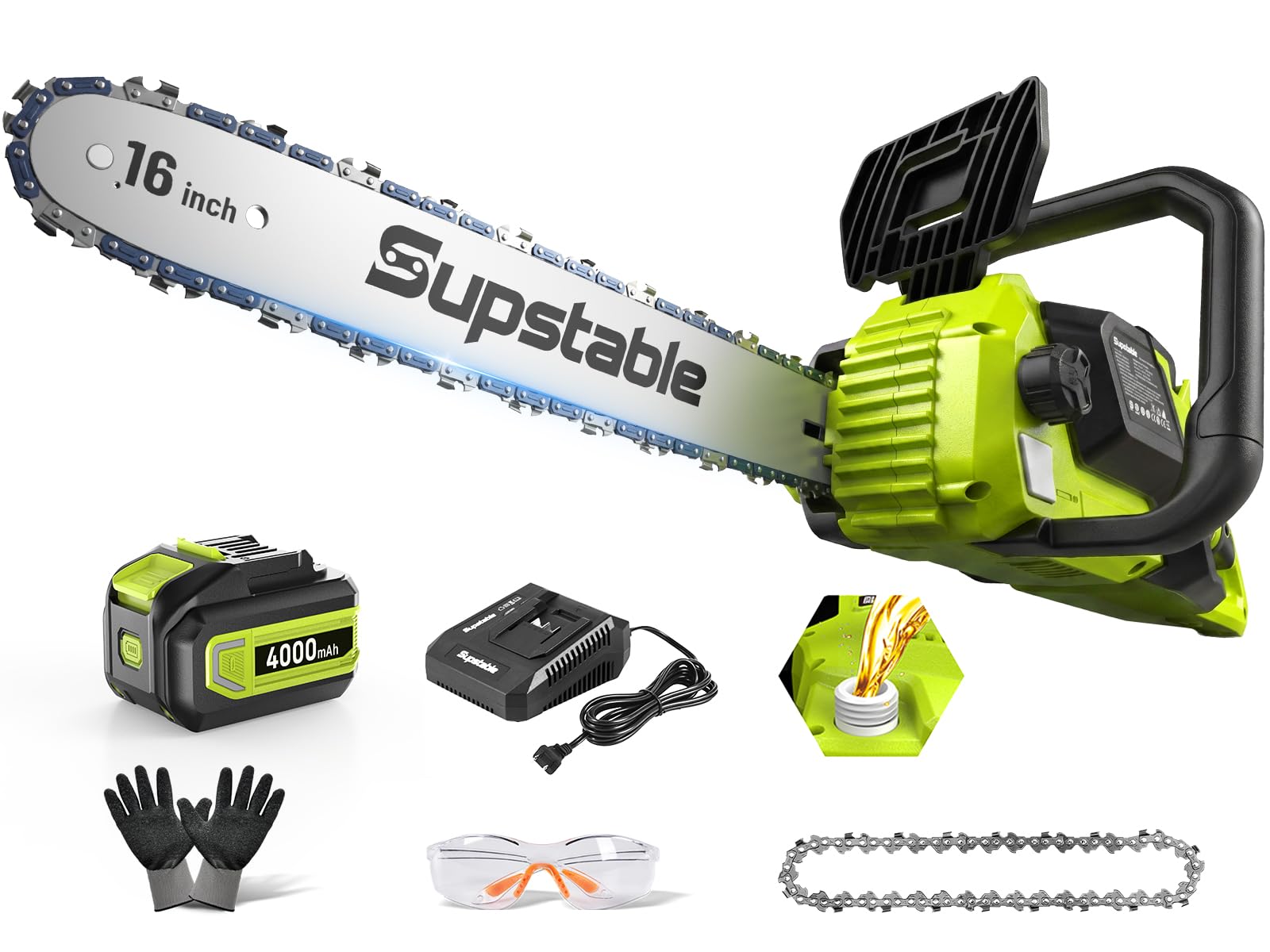
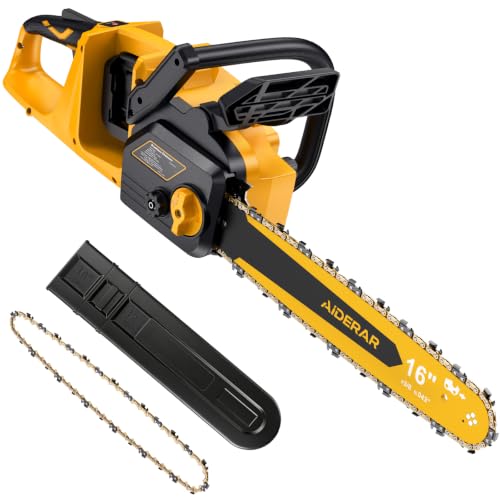
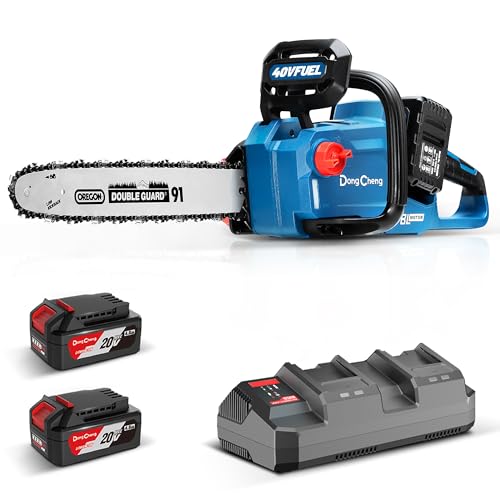
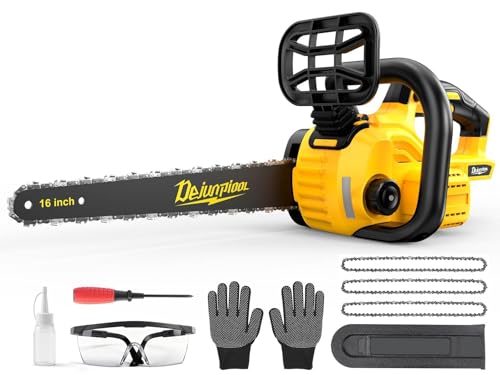
Types Compared at a Glance
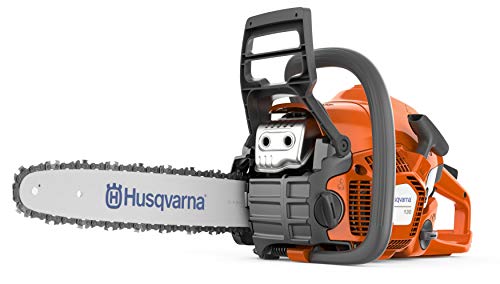
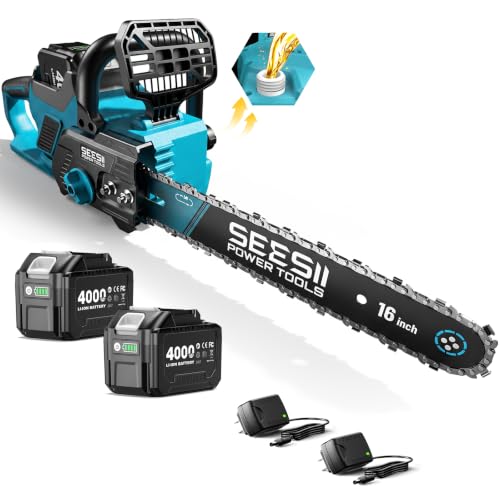
Three power types cover nearly every 16 inch chainsaw you will find, and each suits a different pattern of use. Gas models deliver the most power for long sessions away from an outlet. Battery models start with a button, run quietly and need little upkeep. Corded electric models give steady power near an outlet and tend to cost the least to buy and maintain.
- Gas: best for firewood volume, rural land and work far from power.
- Battery: best for suburban yards, storm cleanup and shorter sessions.
- Corded electric: best for light cutting near the house or a workshop.
Three Types to Compare for 16 Inch Work
Gas Models for Heavy Cutting
Gas chainsaws in this size keep chain speed up in dense hardwood, so they suit readers who cut firewood often or clear fallen trees after storms. You get full power anywhere on your land with no cord and no battery to swap. The trade offs are weight, noise and upkeep, including fuel mixing and air filter cleaning. Choose gas when your logs are thick, your sessions run long and your property is too large for cords or spare batteries.
Battery Models for Quiet Yard Work
Battery chainsaws have made this size far more approachable for suburban owners. They start instantly, vibrate less than gas models and let you work early without waking the street. Runtime depends on battery capacity, so a second battery matters if you cut for more than short stretches. If you already own tools on the same battery platform, a bare tool can save real money. Our guide to the best battery chainsaw explains platform choices in more depth.
Corded Electric Models for Steady Power Near Home
A corded electric chainsaw trades freedom of movement for simple, steady power at a lower price. There is no fuel to mix and no battery to charge, and service stays limited to the bar, chain and oiler. The cord limits you to work near an outlet, and you must keep the cable clear of the cut. This type fits readers who buck up delivered logs near a garage and cut only a few times a year.
How to Evaluate a 16 Inch Chainsaw
Judge every model against the same short list so the comparison stays fair. Look at build materials and weather resistance first, then size and capacity, then how much assembly the saw needs out of the box. Durability and warranty coverage matter next, since a chainsaw is a tool you should expect to service and keep for years. Base your judgment on manufacturer specifications and patterns in verified buyer reviews, not headline power numbers alone. The broader chainsaw buying guide covers other bar sizes too.
How to Choose the Right Chainsaw
Size and Form Factor
Bar length sets the size of wood a saw can handle in one pass. Mini saws and 6 inch models prune small limbs, 12 inch and 14 inch models suit light yard work, and 18 inch, 20 inch and 24 inch models tackle large trunks. A 16 inch bar covers the broad middle. It cuts most firewood rounds and storm fallen limbs in a single pass, and it can work through thicker logs with cuts from two sides. Rear handle models are the standard choice on the ground, while top handle models are built for trained climbers working in a tree.
Type
Power type shapes your whole ownership experience, so decide it before you compare individual models. Gas gives maximum power and unlimited range but asks for fuel mixing, pull starting and engine care. Battery power gives clean, quiet cutting with push button starts, and runtime is your main limit. Corded electric power is the simplest and cheapest to run, tied to an outlet. Pole saws reach high limbs and mini saws handle pruning, but neither replaces a 16 inch saw for bucking logs. Lightweight versions of each type exist if weight is your main concern.
Features Worth Paying For
A few features earn their cost every time you cut. An automatic oiler keeps oil flowing to the bar and chain, and a visible oil level window helps you refill before the reservoir runs dry. A chain brake that stops the chain when the saw kicks back is essential safety equipment, not an upgrade. Tool free chain tensioning speeds up adjustments in the field. On battery models, a kit with the battery and charger beats a bare tool unless you already own that platform. A carrying case also protects the bar and keeps oil off your shelves.
Weather Resistant Materials
Housings on better saws use tough polymer, magnesium or aluminum in the spots that take knocks, drops and heat. Sealed switches and covered battery ports shrug off dust and light moisture, and coated bars resist rust between uses. Weather resistant does not mean waterproof. Cutting in heavy rain is unsafe because footing gets slick and grip suffers, so plan work for dry conditions and dry the saw before storage.
Size for Your Space
A 16 inch saw needs more room than its bar length suggests. You need a flat, clear work area where logs rest without rolling and space to stand clear of the cut. In storage, the saw with its bar cover on takes a footprint of roughly two feet, plus room for fuel, oil, spare chains and protective gear. Measure your storage spot before you buy, and plan where the wood pile will sit.
Assembly and Safe Setup
Most 16 inch saws arrive with the bar and chain packed separately, so assembly means fitting the bar, looping the chain in the correct direction, setting tension and filling the oil reservoir before the first start. The chain should move freely by hand with gloves on, yet sit snug against the bar with no loose sag. Securing your workpiece matters just as much. Rest logs on a sawbuck or log stand so the wood cannot roll or pinch the bar, and never hold a log steady with your foot.
Care and Off Season Storage
Good storage habits decide whether the saw starts easily next season. Before you put it away, empty the fuel tank on a gas model or remove the battery on a cordless model, then clean debris from the bar groove and sprocket area. Our walkthrough on how to clean a chainsaw covers that routine step by step. Fit the bar cover, loosen the chain slightly as the metal cools, and store the saw in a dry place out of reach of children. Keep bar oil and a sharpened spare chain with the saw.
How Much Should You Spend?
Expect corded electric models at the low end, often under $100, with simple upkeep and modest power for light work. The middle band of about $100 to $250 covers most battery kits with one battery and charger, plus lighter gas models for yard use. Spending about $250 to $500 moves you to stronger gas engines, larger battery platforms and tougher housings built for frequent firewood cutting. Under $50 rarely buys a true 16 inch saw from a known maker, so treat prices that low with caution. Budget extra for bar oil, a spare chain and protective gear.
Is a 16 Inch Chainsaw the Right Size for You?
For many readers, the best 16 inch chainsaw question is really a size question, and 16 inches fits more households than any other bar length. It is large enough for firewood, fence line clearing and storm cleanup, yet light enough that most adults can control it for an afternoon of work with breaks.
Homeowners with medium sized trees are the core audience here. Our roundup of the best chainsaw for homeowners looks at this size range from a pure yard care angle. Firewood cutters who buck logs up to about 14 inches across will find this bar efficient, since one clean pass finishes most rounds.
Choose smaller if your work is mostly pruning and cutting branches from the ground. A compact saw is lighter and easier to store, and our guide to the best mini chainsaw covers that end of the range. Choose larger if you fell mature trees often. Be honest about your most common job rather than your biggest ever job.
FAQ
What is the best 16 inch chainsaw?
The right answer depends on your power source and workload, not on a single model name. Gas suits long sessions and thick firewood, battery suits quiet suburban work, and corded electric suits light cutting near an outlet. One point buyers often miss is chain availability. Check that the chain pitch and gauge for your saw are stocked locally, because a saw with no fresh chain available is a saw you cannot use.
What size chainsaw do I need?
Match the bar to the wood you cut most often, not the largest log you might ever meet. A useful rule is that the bar should be at least two inches longer than the typical log diameter, which lets you finish the cut in one pass without burying the nose. Measure a few rounds from your wood pile. If most of your wood sits between 8 and 14 inches across, a 16 inch bar is the efficient choice and a longer bar only adds weight.
How long does a chainsaw last?
A well kept chainsaw body and engine or motor can serve for many years of homeowner use, while the bar and chain are wear parts you will replace much sooner. Chains stretch, dull and run out of sharpening life, and bars wear grooves that affect straight cutting. Battery packs also fade gradually and may need replacing before the saw itself wears out. Storing the saw dry and keeping the chain sharp and oiled stretch the life of the whole tool.
Is a chainsaw worth it?
It is worth it when fallen limbs, firewood or fence line growth show up a few times a year, because hiring tree work or renting a saw for every small job adds up quickly. Ownership also means you can respond right after a storm instead of waiting for a rental. It is harder to justify if you have one small tree and no fireplace. In that case, one rental day or a pruning saw may cost less and leave nothing to store or maintain.
How do you clean a chainsaw?
Start with the saw off, cool and disconnected from its power source, then brush chips and dust from the housing, bar and sprocket cover. Clean packed debris from the bar groove with a thin tool, wipe the chain, and check that the oiler port is clear so oil can reach the bar. Gas models also need the air filter brushed or washed and the cooling fins kept clear, since a clogged filter makes the engine run hot and weak.
What is the most reliable chainsaw brand?
No single brand wins for every buyer, and reliability claims without service data behind them are hard to trust. What you can judge is the support around the saw. Look for a maker with service centers near you, spare bars and chains that are easy to order, and a clear warranty period. Strong local parts support usually beats a slightly stronger saw with slow parts supply.
Final Thoughts
Sixteen inches is the bar length that balances cutting capacity, weight and control for the widest range of yard and firewood work. Pick your power type first, then weigh build materials, oiler design, fuel or battery needs and warranty support as you compare models in the product table above. Matched to the wood you cut most often, the best 16 inch chainsaw for your home becomes an easy call. To compare other bar lengths first, start with our overview of the best chainsaw options across every size.